Tennessee Deer Population Estimate
Understanding the ins and outs of deer populations can feel like staring at a complex spreadsheet when all you want to do is know where to find a good buck or how many does you can reasonably expect to tag. It's a common frustration, trying to make sense of the big picture without losing sight of your individual hunt. This guide is here to demystify how Tennessee Wildlife Resources Agency (TWRA) actually estimates deer numbers and, more importantly, what those figures truly mean for your hunting strategy and success across our beautiful state.
Understanding the TWRA's Methods for Deer Population Estimation
The Tennessee Wildlife Resources Agency doesn't just pull numbers out of a hat when it comes to deer population estimates. It's a complex, multi-faceted process that relies on a combination of scientific methods, field observations, and crucial data provided by us, the hunters. Think of it as putting together a massive jigsaw puzzle, where each piece, no matter how small, contributes to the final picture of our state's whitetail herd health and density. This meticulous approach ensures that management decisions, like setting season dates and bag limits, are grounded in the most accurate information available.
Harvest Data and Hunter Surveys
One of the most foundational pieces of the puzzle is the data collected from deer harvested by hunters. Every time you successfully fill a tag and report your harvest, you're directly contributing to the TWRA's understanding of the deer population. This isn't just about how many deer are taken; it's about the age, sex, and location of those deer. When you report your deer through the Reporting a Tennessee Deer Harvest Online system, that information helps biologists calculate harvest rates, which can then be extrapolated to estimate the overall population. Without this critical hunter participation, the data pool would be significantly smaller and less representative.
Beyond individual harvest reports, the TWRA also conducts post-season hunter surveys. These surveys gather information on hunter effort, success rates, and observations from the field. Imagine a hunter spending 100 days in the woods but only seeing one deer compared to another who sees a dozen deer in five days. These anecdotes, when collected on a large scale, become valuable data points for wildlife managers. They paint a picture of deer abundance and distribution that complements the raw harvest numbers, helping to refine population models and understand hunter experience.
Biological Surveys and Field Observations
While hunter-submitted data is invaluable, the TWRA also deploys its own scientific methods to get boots-on-the-ground information. One common technique is spotlight surveys, where biologists drive established routes at night, counting deer spotted along the way. These routes are carefully selected to represent different habitat types across the state. By repeating these surveys year after year, they can track trends in deer numbers and help to calculate population indices for specific areas, giving a direct snapshot of abundance.
Another critical component involves studying fawn recruitment rates and overall herd health. This includes assessing fawn-to-doe ratios observed in the field, which tells biologists how many fawns are being successfully born and surviving to a huntable age. Additionally, staff perform browse surveys to gauge the impact of deer on vegetation – too much browsing can indicate an overpopulation, while healthy browse suggests a balanced herd. These direct observations provide tangible evidence of deer impacts on their habitat, helping to fine-tune population estimates and monitor the ecosystem's health.
Modeling and Data Synthesis
So, how does the TWRA take all this disparate information—hunter reports, surveys, spotlight counts, and biological observations—and turn it into a cohesive statewide deer population estimate? They use sophisticated population models. These models are complex mathematical tools that integrate all the collected data, accounting for factors like birth rates, mortality rates (from hunting, disease, predation, and vehicle collisions), and migration. Essentially, they simulate the dynamics of the deer herd over time, adjusting their estimates based on the inflow and outflow of deer.
These models are constantly refined and updated as new data comes in. It's not a static number but a living estimate that evolves with the herd. By cross-referencing multiple data sources, the models provide a more robust and reliable estimate than any single data point could on its own. The goal isn't necessarily to get an exact count of every single deer in Tennessee, which would be impossible, but rather to establish solid trends and relative densities that inform effective, long-term wildlife management decisions for White-Tailed Deer Across Tennessee.
What the Numbers Really Mean for Hunters in Tennessee
When you hear about the "Tennessee Deer Population Estimate," it's not just a dry statistic for biologists; these numbers have direct, tangible impacts on how and where we hunt. Understanding what these figures represent can help you make more informed decisions about your hunting strategy, from targeting specific areas to understanding why certain regulations are in place. These estimates are the bedrock upon which our hunting seasons are built.
Setting Bag Limits and Season Structures
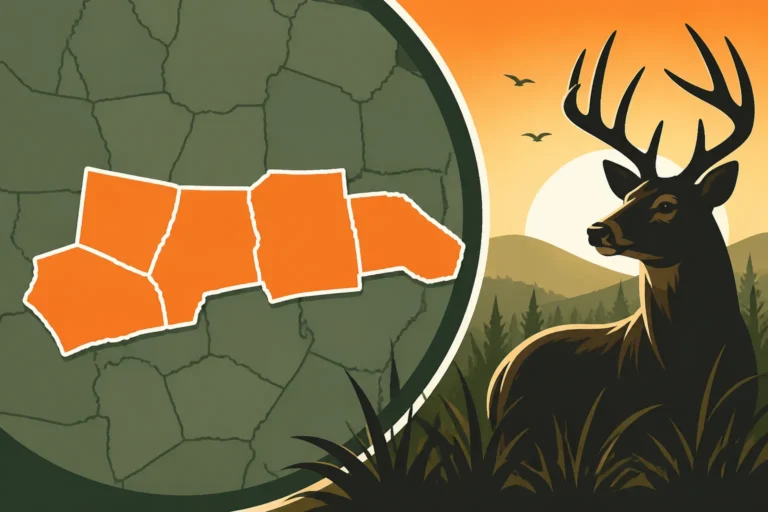
Perhaps the most direct impact of deer population estimates on hunters is how they influence bag limits and season structures. If the TWRA's data indicates a robust and growing deer population in a particular Deer Management Unit (DMU), they might increase antlerless bag limits or extend season lengths to help manage the herd and keep it healthy. Conversely, if estimates suggest a declining or struggling population, they might reduce limits or shorten seasons to allow the herd to rebound. This is precisely why we see variations in antlerless limits across the state, such as DMUs One Through Three Antlerless Limits versus DMUs Four Through Six Antlerless Limits.
These decisions are made with careful consideration to balance hunter opportunity with sustainable wildlife management. The goal is to provide ample hunting opportunities while ensuring the long-term health and stability of the deer herd. So, when you look at the regulations for the upcoming season, remember that those numbers – the bucks, the does, the specific zones – are all direct reflections of the TWRA's ongoing assessment of the deer population. It's a dynamic system, and the regulations are adapted based on the most current data available.
Identifying Population Trends
Beyond just the current numbers, deer population estimates are crucial for identifying long-term trends. Are deer numbers increasing, decreasing, or remaining stable statewide or in specific regions? These trends help the TWRA anticipate future challenges and opportunities. For example, a sustained decline might trigger investigations into habitat loss, increased predation, or disease outbreaks like Chronic Wasting Disease (CWD). Conversely, a steady increase might lead to more liberal hunting opportunities in certain areas.
For us hunters, understanding these trends can influence our personal expectations and strategies. If you know a particular area has seen a slight decline in deer numbers, you might adjust your expectations for encounters or focus more heavily on scouting for prime habitat. If you know deer are on the rise in another region, it might encourage you to explore new hunting grounds. Tools like those found on platforms like GoHunt can overlay these population trends with aerial imagery, helping you visualize potential hotspots or areas of lower density before you even step foot in the woods. By paying attention to these broader trends, we can adapt our hunting styles to better align with what the deer herd is actually doing.
Regional Deer Density and Hunting Implications
Tennessee is a diverse state, stretching from the Mississippi River lowlands in the west to the Appalachian Mountains in the east. It should come as no surprise that deer populations aren't uniformly distributed across this varied landscape. Deer density—how many deer inhabit a given area—can differ significantly from one region to another, and understanding these regional variations is key to becoming a more successful hunter. What works in one part of the state might be completely ineffective in another, all because of how many deer call that area home.
West Tennessee Bottomlands
The fertile agricultural lands and expansive river bottomlands of West Tennessee are often synonymous with higher deer densities and, for many, the pursuit of big bucks. Areas like the Mississippi River floodplains and the rich farmlands of counties such as Haywood and Fayette offer abundant food sources, including corn, soybeans, and lush natural browse. This consistent high-quality nutrition allows deer populations to thrive and individuals to reach larger body and antler sizes. The vast, often dense, cover in these bottomlands also provides excellent sanctuary for deer.
Hunting in these high-density areas often means you'll see more deer overall, which can lead to higher success rates, especially for antlerless deer. However, the sheer amount of cover can also make mature bucks harder to pin down. Strategies often revolve around identifying travel corridors between bedding areas and food sources, utilizing small timber blocks, and hunting the edges of large agricultural fields. Hunters focused on Hunting West Tennessee Bottomland Deer might find themselves needing to adapt tactics to dense cover, navigating flooded timber, and understanding the subtle movements of deer in areas with seemingly endless food.
Cumberland Plateau Ridges
As you move eastward into the central part of the state, the landscape changes dramatically to the rugged terrain of the Cumberland Plateau. Here, you'll encounter a different kind of deer habitat: vast tracts of mixed hardwood and pine forests, punctuated by deep hollows, steep ridges, and rocky outcroppings. While beautiful, this environment generally supports lower deer densities compared to the fertile bottomlands of West Tennessee, simply because the nutritional carrying capacity of the land is often lower. Food sources tend to be more seasonal, relying heavily on mast crops like acorns.
Hunting the Cumberland Plateau often requires a different mindset. Instead of seeing large numbers of deer, you might focus on finding quality sign and understanding how deer use the terrain. Identifying saddles, benches, and funnels between ridges where deer travel becomes paramount. Techniques like Still-Hunting Cumberland Plateau Ridges are particularly effective here, as hunters move slowly and deliberately through the timber, searching for fresh tracks and rubs. It’s a more challenging hunt, often requiring greater physical effort and a deeper understanding of deer behavior in mountainous terrain, but it can be incredibly rewarding when you connect with a mature, hard-earned buck.
East Tennessee Mountains
Further east, in the shadows of the Great Smoky Mountains and the Cherokee National Forest, deer densities typically reach their lowest points in Tennessee. This extremely rugged, high-elevation terrain is characterized by steep slopes, dense rhododendron thickets, and vast expanses of older-growth timber. Food sources are often limited, especially in the higher elevations, and the sheer physicality of the landscape means deer, and hunters, have to work harder. While deer are present, they are often more spread out, and their movements are heavily dictated by topography and seasonal food availability.
Hunting in these mountain regions, such as the Cherokee National Forest, is an adventure in itself. It’s not a numbers game; it’s about persistence, physical fitness, and mastering scouting skills. Hunters often focus on finding small pockets of favorable habitat, like south-facing slopes that receive more sunlight or areas with diverse tree species that offer a variety of mast. Being able to read maps and understand elevation changes, using tools like those available through GoHunt to pinpoint likely bedding and feeding areas, is crucial. Success here often means covering a lot of ground, using patience, and being prepared for a challenging pack out from steep hollows and remote areas.
Here's a quick look at how general deer density can vary across Tennessee:
| Region | Typical Habitat | General Deer Density | Hunting Style Considerations |
|---|---|---|---|
| West Tennessee | Agricultural fields, river bottoms | High | Stand hunting food sources, thick cover, observation |
| Middle Tennessee | Rolling hills, mixed woodlands, farms | Medium-High | Mix of stand hunting, still-hunting, property access |
| Cumberland Plateau | Hardwood forests, steep ridges, hollows | Medium | Still-hunting, terrain features, patience, physical effort |
| East Tennessee Mountains | Rugged mountains, dense forest | Low | Extensive scouting, physical fitness, remote access, terrain |
Factors Influencing Tennessee's Deer Population Fluctuations
Tennessee's deer population isn't a static entity; it's constantly ebbing and flowing, influenced by a complex interplay of environmental factors. These fluctuations can be a source of frustration for hunters who might experience booming numbers one year and a noticeable dip the next. Understanding these drivers is crucial for appreciating the challenges of wildlife management and for adjusting our own hunting expectations. It’s a constant dance between nature and management, with many moving parts.
Habitat Quality and Food Availability
At the core of any wildlife population is its habitat, and for deer, that largely boils down to food and cover. Tennessee's diverse landscapes offer varying levels of habitat quality, which directly impacts deer density and health. Areas with abundant and diverse food sources, such as agricultural fields, managed timberlands, and healthy mast-producing forests, tend to support higher deer populations. When acorn crops are abundant, deer nutrition improves, leading to healthier fawns and bucks with larger antlers. Conversely, a poor mast year can stress deer, making them more susceptible to disease and reducing fawn survival.
Timber management practices also play a significant role. Clearcuts, for example, can initially provide a flush of new growth that offers excellent forage and cover for deer, leading to localized population increases. However, as these areas mature, their value to deer can decrease. Urban sprawl and habitat fragmentation also reduce the overall carrying capacity for deer in certain areas. This constant shift in habitat availability, driven by both natural processes and human activity, directly shapes where deer live and how numerous they become. Late-Season Food Sources for Tennessee Whitetails are a prime example of how crucial specific forage can be.
Disease and Predation
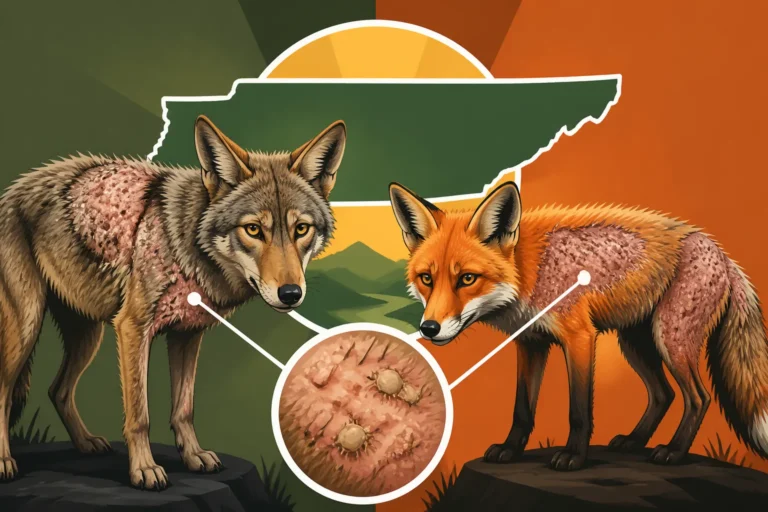
Disease can sweep through a deer herd like wildfire, causing significant localized or regional population declines. Chronic Wasting Disease (CWD) is a persistent and growing concern in Tennessee, slowly spreading eastward from its initial detection in West Tennessee. The TWRA has established a Tennessee's Chronic Wasting Disease Management Zone to monitor and mitigate its impact. While CWD doesn't instantly decimate a herd, its long-term effects on deer health and population stability are serious. Hemorrhagic Disease (EHD) is another common viral illness, often seen in late summer and early fall, which can cause significant die-offs, especially in areas with high deer densities and during drought conditions.
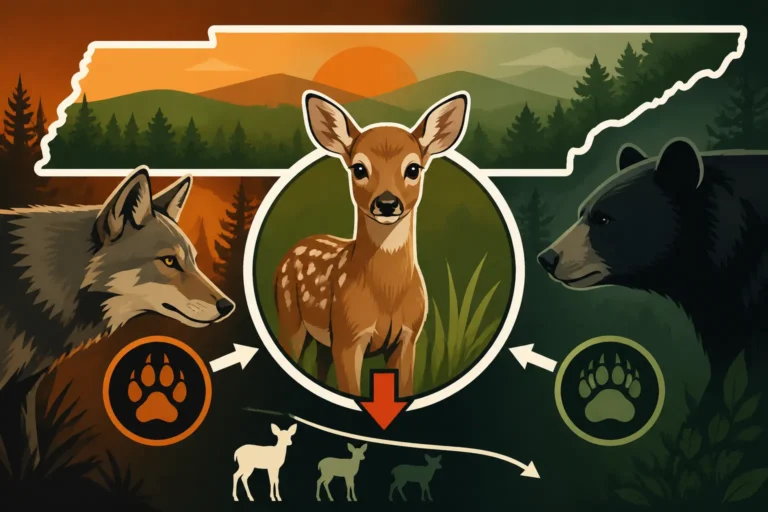
Predation, primarily by coyotes, also plays a role, especially in fawn survival. While coyotes rarely take adult, healthy deer, they are significant predators of fawns, particularly during their first few weeks of life. While it's a natural part of the ecosystem, intense coyote predation in conjunction with other stressors can contribute to lower fawn recruitment rates, impacting the overall population trend. The interaction between these natural mortality factors means that healthy habitat alone isn't always enough to ensure a thriving deer population. The Tennessee Predator Impact on Fawn Recruitment is a continuous area of study for wildlife managers.
Weather Patterns
The weather, often beyond our control, is another significant influencer of deer populations. Severe winters with prolonged periods of deep snow and ice can lead to increased winter mortality, especially among fawns and older deer who struggle to find adequate food and expend more energy staying warm. While Tennessee winters are generally mild, extreme cold snaps can still take a toll, particularly in the higher elevations of East Tennessee.
Conversely, extended droughts, especially during the critical fawning season, can also stress deer and impact fawn survival. Reduced water availability and diminished forage quality due to dry conditions can weaken does and their fawns, making them more vulnerable to disease and predation. Heavy rainfall during fawning can also increase fawn mortality. These environmental extremes serve as natural population regulators, reminding us that deer, like all wildlife, are inherently tied to the vagaries of the weather.
How Hunters Can Contribute to Deer Management Data
As hunters, we are more than just participants in the outdoor tradition; we are crucial partners in wildlife conservation and management. The data we provide from our harvests and observations is indispensable to the TWRA's efforts to accurately estimate deer populations and make informed decisions. It's not just about compliance; it's about active engagement and stewardship, ensuring that future generations have healthy deer populations to pursue. Your actions in the field directly contribute to the science of wildlife management.
Accurate Harvest Reporting
The single most important contribution any Tennessee deer hunter can make is to accurately and promptly report every deer harvested. Whether it’s a mature buck or an antlerless doe, each reported harvest provides vital data points on the age, sex, and location of the deer. This information is meticulously collected and used to calculate harvest rates, estimate population trends, and understand regional differences in deer numbers and hunter success. Without this comprehensive data, the TWRA would be operating with significant blind spots, making effective management much more challenging.
Think of your harvest report as your direct vote for sound wildlife management. It helps biologists understand the impact of hunting pressure in specific DMUs, track the age structure of the buck population, and monitor the overall health of the herd. Taking the extra minute to correctly enter the information, including the county and whether it was antlered or antlerless, ensures the data is clean and usable. This simple act is foundational to the entire population estimation process and directly influences future season structures and bag limits.
CWD Testing and Sample Submission
With the ongoing concern of Chronic Wasting Disease (CWD) spreading across Tennessee, submitting deer for CWD testing in affected zones is another critical way hunters contribute to population health monitoring. The TWRA relies heavily on hunter-submitted samples to track the prevalence and geographic spread of the disease. This surveillance is essential for understanding the true scope of CWD and for implementing targeted management strategies to slow its progression. When you harvest a deer in a CWD-positive or CWD-buffer county, doing your part by providing a sample is a vital public service.
Many CWD sampling stations are conveniently located across the state, and the process is typically quick and straightforward. You can find detailed information on Tennessee CWD Testing for Hunters through the TWRA website. This data helps the TWRA identify new hotspots, understand disease prevalence rates, and assess the effectiveness of current management actions, such as the Earn-a-Buck program in some zones. By participating, you're not just helping the state; you're helping to protect the health of the deer herd for all hunters.
Reporting Sick or Dead Deer
Beyond planned harvest and CWD testing, hunters are often the first line of defense in identifying unusual events in the deer population. If you encounter a deer that appears sick, lethargic, or behaving unusually, or if you find multiple dead deer in an area without obvious cause, it's incredibly important to report these observations to the TWRA. These reports can be early warning signs of disease outbreaks, localized environmental issues, or other factors impacting the deer herd that biologists might otherwise miss.
Your vigilant eyes and ears in the woods provide invaluable real-time intelligence. These observations, whether about potential EHD outbreaks, signs of other illnesses, or unusual deer mortality, help wildlife managers react quickly and investigate potential problems before they escalate. While it might seem like a small detail from your individual hunt, a pattern of such reports can trigger significant monitoring and research efforts, ultimately contributing to the overall health and scientific understanding of Tennessee's cherished deer population.
Disclaimer
Always consult the current Tennessee Wildlife Resources Agency (TWRA) regulations before heading afield, as rules and seasons can change. This guide is intended for informational purposes and does not supersede official TWRA guidelines.