Tennessee Public Land Hunting Hours
Figuring out exactly when you can and can't hunt on Tennessee's vast public lands can feel like trying to solve a complicated riddle, especially when you're just trying to enjoy a peaceful morning in the woods. Between statewide regulations and specific rules for different areas, it's easy to get confused and worry about being on the wrong side of the law. This guide is here to clear up that confusion, diving deep into Tennessee's public land hunting hours so you can plan your next outing with confidence and make the most of your time afield.
Understanding the Baseline: Statewide Hunting Hours
Let's start with the fundamental rule that most hunters in Tennessee operate under: legal hunting hours are generally defined by natural light. This isn't just a suggestion; it's a critical regulation that impacts when you can set foot in your stand or release an arrow. Getting this basic understanding down is key before we delve into the nuances of specific public lands.
Defining "Legal Hunting Hours"
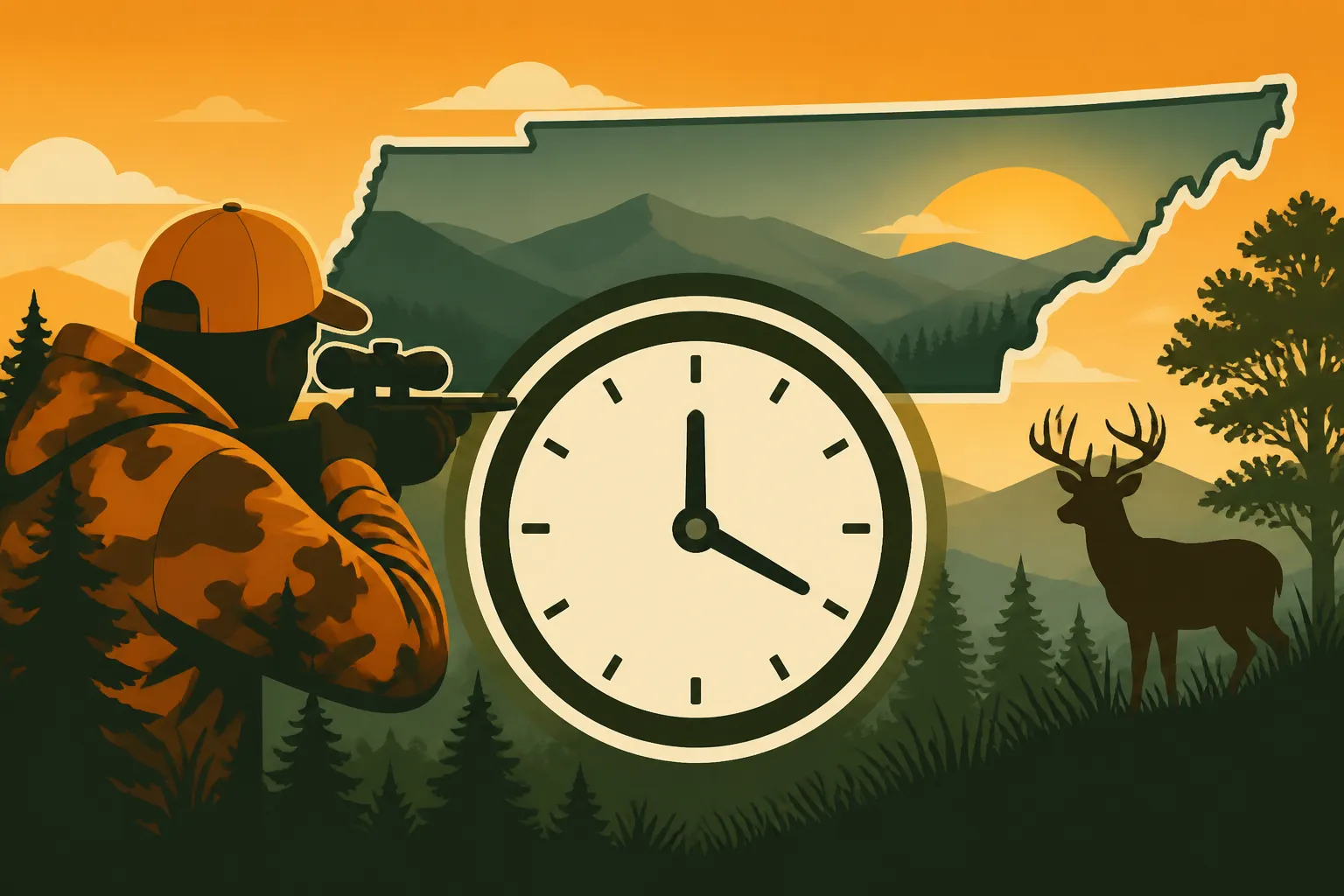
In Tennessee, for most game species and hunting seasons, "legal hunting hours" are officially defined as one-half hour before sunrise to one-half hour after sunset. This applies to deer, turkey, small game, and many other species. It's not a hard-and-fast clock time because sunrise and sunset times shift daily, and they vary slightly depending on your exact location within the state. This natural definition is meant to provide hunters with adequate light for ethical shot placement and safe movement, while also giving wildlife a period of respite. The Tennessee Wildlife Resources Agency (TWRA) relies on official sunrise/sunset data, so it's not simply your personal observation of light levels.
This half-hour window on either side of the sun's appearance and disappearance is incredibly important for early morning and late evening hunters. It means you can be in your stand, ready for action, before the sun breaks the horizon, and you can stay a bit longer as twilight settles in. Many hunters consider these periods, often called "prime time," to be the most productive for encountering deer and other game as they move to and from bedding and feeding areas. For those pursuing Bowhunting Tennessee's Long Archery Season, this low-light window can be absolutely crucial for success.
Practical Application: Sunrise to Sunset Explained
So, how do you actually apply this fluctuating timeframe to your hunt? The most reliable way is to consult an accurate sunrise/sunset table for your specific location and date. Most modern hunting apps, weather apps, and even a quick search online can provide this information with great precision. For instance, if you're planning a hunt in the Cherokee National Forest near Ducktown, you'll want to check the sunrise and sunset times for that specific area, not just a general time for Nashville. These times can vary by several minutes across the state, and those minutes can make all the difference in a legal hunt.
Think of it this way: if the official sunrise for your area is 7:00 AM, you can begin hunting at 6:30 AM. If sunset is 5:30 PM, you can hunt until 6:00 PM. It sounds simple, but you'd be surprised how many hunters overlook the precision required. Using a reliable source for these times, like the Go Outdoors Tennessee app or a reputable hunting specific app like GoHunt, is paramount. Many hunters set alarms on their phones to ensure they're adhering to these boundaries, especially when deeply engrossed in their hunt. It’s also wise to remember that once the legal shooting light has passed, your weapon should be unloaded and made safe, and you should begin your exit from your hunting location. This helps ensure safety for yourself and other hunters, and keeps you compliant with regulations.
Specific Public Land Considerations: WMAs, National Forests, and More
While the general statewide rules apply, Tennessee's public lands often have their own layer of specific regulations, and hunting hours are no exception. It's never enough to just know the basic sunrise-to-sunset rule when you're heading out to a Wildlife Management Area (WMA) or a vast tract of national forest. You absolutely must check the specific rules for the exact piece of public land you intend to hunt, as these can override the statewide standard.
Wildlife Management Areas WMAs and Their Unique Rules
Tennessee's Wildlife Management Areas (WMAs) are managed intensively for wildlife and public recreation, which often means they have more detailed and sometimes stricter regulations than general private land or national forest land. Many WMAs, especially those with high hunting pressure or sensitive wildlife populations, might have specific hunting hours that deviate from the standard half-hour before sunrise to half-hour after sunset. Some WMAs may restrict access to certain times, especially during special managed hunts.
For example, a WMA might open gates at a certain time in the morning and require hunters to be out by a specific time in the evening, regardless of astronomical sunrise/sunset. Some WMAs might also have different hours for different types of game or specific seasons, particularly during youth hunts or quota hunts. It's not uncommon for areas with Tennessee's Chronic Wasting Disease Management Zone regulations to have additional guidelines or checking station hours that indirectly impact when you can hunt or process game. Always consult the current TWRA Hunting and Trapping Guide and the specific WMA's regulations, which are usually available on the TWRA website or at kiosks near WMA entrances. The Go Outdoors Tennessee app can be a lifesaver here, often providing direct links or summaries of WMA-specific rules. Never assume; always verify.
National Forests and Federal Land Regulations
Hunting in areas like the Cherokee National Forest or Land Between the Lakes brings another layer of complexity. These federal lands generally follow state regulations, but they can also have specific federal rules or local overlays. For the most part, the "half-hour before sunrise to half-hour after sunset" rule holds true in these vast areas. However, there might be specific zones or times when certain activities are restricted. For instance, some areas within a National Forest might close temporarily for timber operations or special events, which would, in turn, impact hunting hours.
Land Between the Lakes (LBL), a national recreation area managed by the USDA Forest Service, is a prime example of federal land with unique rules. LBL often conducts specific quota hunts with set entry and exit times, and these might not align perfectly with the statewide sunrise/sunset definition. Similarly, designated wilderness areas within a national forest might have restrictions on motorized travel that affect how quickly you can get in and out, implicitly influencing how much of that legal hunting window you can actually utilize. When planning a hunt on federal land, it's essential to check both the TWRA regulations for the county/zone and any specific rules published by the managing federal agency for that area. Tools like the GoHunt app often integrate public land boundaries and sometimes even specific land management rules, which can be incredibly helpful for planning a hunt on Public Hunting Land in Tennessee.
Special Season or Quota Hunt Hour Adjustments
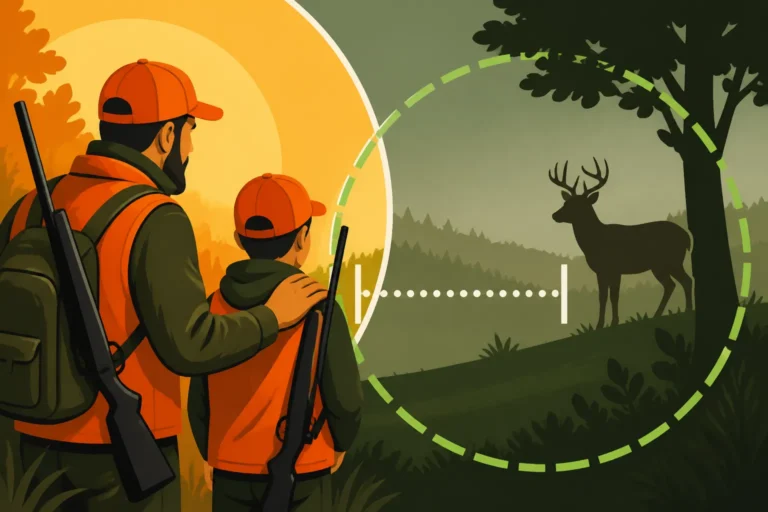
Tennessee frequently offers special seasons, quota hunts, or managed hunts that come with their own unique set of rules, including hunting hours. These are often designed to manage wildlife populations, control hunter numbers, or provide specific hunting opportunities. For instance, early archery hunts, youth-only weekends, or specialized elk hunts on the North Cumberland WMA might have hours that are clearly defined and different from the general season.
A prime example is the elk hunt on the North Cumberland WMA, where hunters often have very specific check-in and check-out times, and the hunt might be restricted to certain daylight hours or days of the week, separate from standard deer seasons. These rules are usually clearly outlined in the draw results or permit information. Similarly, a special muzzleloader-only week might adhere to statewide hours, but the very nature of the weapon implies different shot opportunities and thus, a different kind of time management. If you've drawn a tag for a quota hunt, or are participating in a Tennessee Young Sportsman Turkey Weekend, pay extremely close attention to the specific instructions provided by the TWRA for that particular hunt, as failing to do so could result in a citation or even forfeiture of your permit.
Planning Your Hunt: Maximizing Time Legally and Safely
Knowing the rules is one thing; putting them into practice effectively and safely is another. You want to make the most of your time in the woods without cutting corners or risking a violation. Planning is key, especially when dealing with the variable nature of sunrise and sunset.
Tools and Resources for Accurate Timing
Gone are the days when you needed a newspaper or a complex almanac to figure out sunrise and sunset. Today, we have an array of digital tools that make accurate timing incredibly easy.
- Smartphone Apps: As mentioned, the Go Outdoors Tennessee app is an official resource that often provides localized sunrise/sunset times. Beyond that, many popular hunting apps like GoHunt, OnX Hunt, or HuntStand integrate this data directly into their mapping platforms. These apps often show a visible "shooting light" bar or indicator, making it super intuitive to see when legal hours begin and end for your precise location. This is invaluable when you are deep in the woods, far from any cellular service, as many apps store this information offline.
- Weather Websites and Local Forecasts: Most reliable weather websites and local news outlets provide sunrise/sunset times for your specific town or city. While not always as precise as hunting-specific apps for remote locations, they offer a good general reference.
- Online Almanacs: Websites dedicated to astronomical data can give you hyper-accurate sunrise/sunset times, factoring in latitude and longitude.
- Physical Almanacs/Calculators: For those who prefer analog, small, waterproof almanacs or specialized calculators can still be purchased. They require a bit more manual input but are reliable in areas without electronic devices.
Relying on these tools allows you to plan your approach and exit times with precision. You can determine exactly how early you need to leave camp or your vehicle to be in your stand by legal shooting light, and conversely, how much time you have after the shot to begin tracking or pack up before the legal window closes.
Importance of Pre-Season Scouting and Entry/Exit Planning
Understanding hunting hours isn't just about when you can shoot; it's about the entire hunting experience, especially on public land. Proper entry and exit planning, heavily influenced by legal hunting hours, can make or break your hunt, and even impact your safety.
- Pre-Season Scouting: This is where you put in the legwork to find where deer are moving and where you want to set up your stand. During your Scouting Tennessee Public Land Before Season trips, pay attention to how long it takes you to walk to potential stand locations. If you find a promising spot a mile deep into the woods, you need to factor in a 20-30 minute walk before the half-hour pre-sunrise window. This means an even earlier wake-up call! Using mapping tools like GoHunt during scouting can help you measure distances and estimate travel times.
- Entry Routes: On public land, minimizing disturbance is crucial. Planning an entry route that gets you to your stand quietly and efficiently before legal shooting light ensures you don't bump deer or alert other wildlife. This often means walking in the dark, so a reliable headlamp is essential. Knowing your route intimately from scouting helps prevent getting lost or making unnecessary noise.
- Exit Strategies: Equally important is planning your exit. If you take an animal late in the day, you'll need to know how much time you have to field dress and recover it before legal hours completely expire. While tracking a wounded animal might extend beyond legal hunting hours, the shot itself must be taken within the legal window. Having a clear, quiet exit route planned helps you leave the woods safely, especially if you're navigating steep terrain or dense cover after dark. This is also where you'd consider specific Dragging a Deer Out of a Steep Hollow tactics. Always inform someone of your planned route and expected return time, especially if you're hunting alone in remote areas.
Table: General Tennessee Hunting Hours by Land Type
This table provides a quick overview, but always consult specific TWRA regulations and WMA/National Forest rules for the most accurate and up-to-date information.
| Land Type / Season | Default Hunting Hours | Common Exceptions / Notes |
|---|---|---|
| Private Land (Most Species) | 1/2 hour before sunrise to 1/2 hour after sunset | Generally follows statewide rule. Hunters must have permission. |
| Most WMAs | 1/2 hour before sunrise to 1/2 hour after sunset | Frequent exceptions! Some WMAs have specific gate times, check-in/out requirements, or modified hours for certain hunts/species. Always check specific WMA regulations in the TWRA guide or app. May require a Tennessee WMA Permit Requirement. |
| Cherokee National Forest | 1/2 hour before sunrise to 1/2 hour after sunset | Generally follows statewide rule. May have specific closures for timber operations or other management activities. |
| Land Between the Lakes (LBL) | Often follows LBL-specific hunt unit hours; may differ from statewide | Significant exceptions! LBL often has highly structured quota hunts with strict entry, exit, and hunt times. Check LBL's specific hunt regulations carefully. |
| Special Quota/Managed Hunts | Varies widely by hunt | Always check individual hunt permits/rules. Hours can be highly specific and may not follow the general statewide rule. |
| Night Hunting (e.g., Coyotes) | Varies by species and weapon; often nighttime hours | Specific seasons, permits, and weapon restrictions apply. See Night Hunting Rules for Tennessee Coyotes. |
Common Misconceptions and Troubleshooting
Even with clear rules, it's easy to misunderstand certain aspects or encounter situations that leave you scratching your head. Let's address some of the common pitfalls and clarify a few points.
Night Hunting and Predator Exceptions
One of the biggest misconceptions is that all hunting in Tennessee must strictly adhere to the sunrise-to-sunset rule. While this is true for most game animals like deer and turkey, there are indeed exceptions, primarily for certain predators and furbearers. Coyotes, for example, can be hunted at night in Tennessee, often with specific equipment like artificial lights or night vision. This is a crucial distinction, as night hunting for deer or turkey is strictly prohibited and carries severe penalties.
However, even with night hunting for predators, there are regulations regarding weapon types, use of artificial light, and in some cases, specific permits or landowner permissions. For instance, while hunting coyotes at night is allowed, there might be restrictions on the type of firearm you can use or whether you can use a suppressor. Always confirm the most current regulations for the specific species you intend to hunt at night, as these rules are subject to change. Never assume that because one species can be hunted at night, all can. This is where researching topics like Predator and Furbearer Hunting in Tennessee becomes vital.
Avoiding Violations: Key Things to Remember
Nobody wants to receive a citation, especially for something preventable. Staying compliant with hunting hours is straightforward if you follow a few simple guidelines.
- Don't Guess Your Times: Rely on official sources for sunrise and sunset. A minute or two might not seem like a big deal, but it is to a wildlife officer. Using a reliable app like GoHunt that updates automatically is your best bet.
- Plan Your Travel Time: Always factor in the time it takes to walk to and from your stand or hunting spot. It's better to arrive a little early and sit quietly than to rush in late, disturb game, and potentially break the law. This becomes even more critical when planning your exit, especially if you're retrieving an animal.
- Be Aware of WMA/Federal Land Overlays: Always check the specific regulations for the WMA, National Forest, or federal land you are hunting. These rules often supersede general statewide regulations. You can find these details on the TWRA website or often posted at WMA kiosks.
- Lights On, Weapon Safe: Once legal hunting hours are over, your weapon should be unloaded and made safe. While it's perfectly acceptable to use a headlamp to navigate out of the woods after dark, using it to spot game or aid in shooting is strictly illegal for most species.
- When in Doubt, Ask: If you're ever unsure about hunting hours for a specific area or situation, contact the TWRA directly. Their wildlife officers are there to help clarify regulations and ensure safe, ethical hunting. It's always better to ask beforehand than to face the consequences of a violation. Remember, adhering to Tennessee Hunter Education Requirements means understanding and respecting all regulations, including those governing hunting hours.
Staying diligent and informed about Tennessee's public land hunting hours not only keeps you legal but also contributes to a safer and more enjoyable experience for everyone sharing the woods.
Disclaimer
The information provided in this guide is for general informational purposes only and is not intended as legal advice. Hunting regulations in Tennessee are subject to change, and specific rules can vary by location, game species, and season. Hunters are solely responsible for consulting the most current Tennessee Wildlife Resources Agency (TWRA) Hunting and Trapping Guide and any specific regulations for Wildlife Management Areas (WMAs), National Forests, or other public lands before engaging in any hunting activities. Failure to comply with all applicable laws and regulations can result in penalties.