Tennessee Archery-Only Elk Season Dates
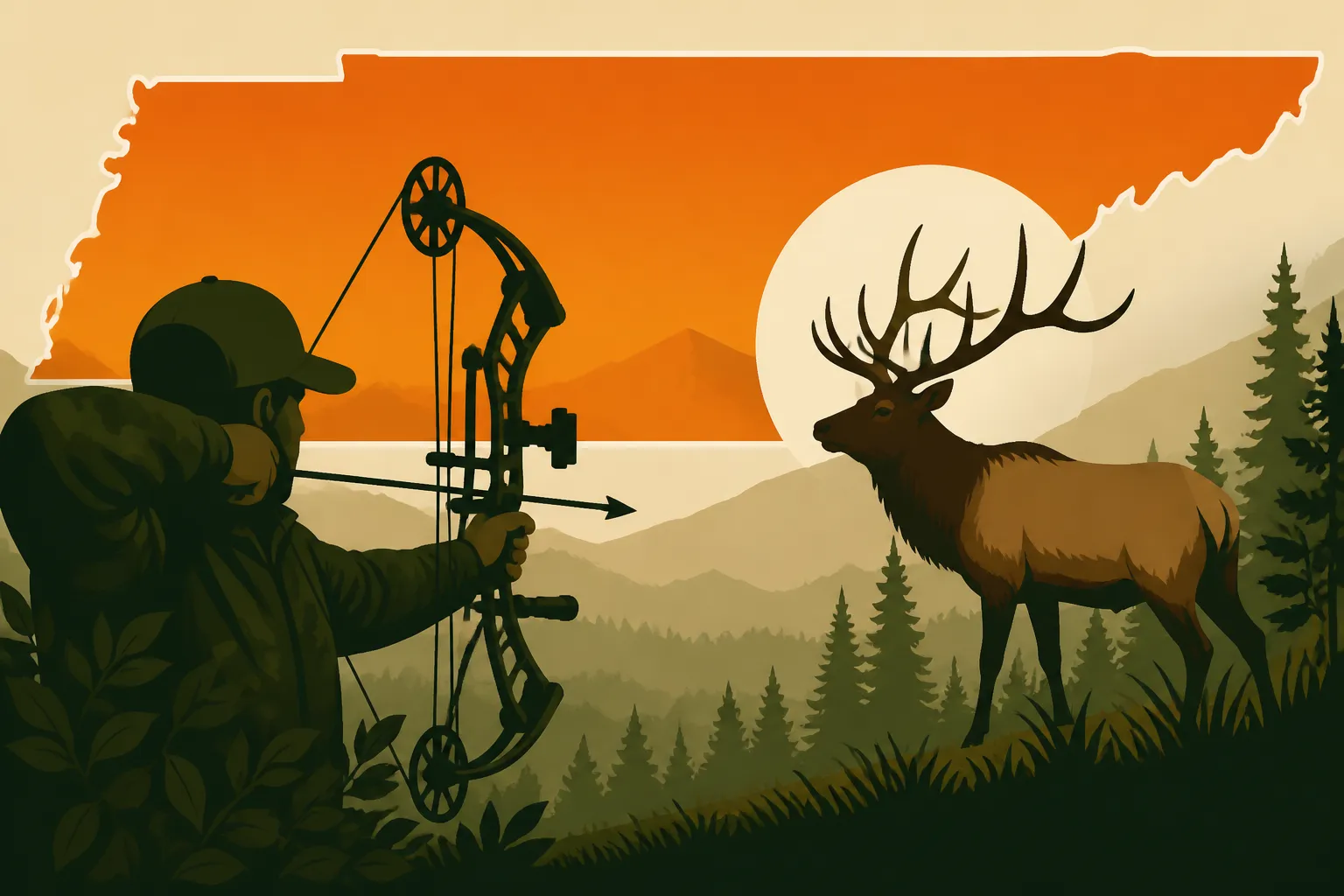
Let's talk about one of the most exciting, yet notoriously elusive, hunting opportunities in the Volunteer State: the Tennessee archery-only elk season. Many hunters dream of pursuing elk, but the specific dates, application process, and unique challenges of an archery-only hunt in rugged Tennessee terrain can feel like a maze. This comprehensive guide will untangle those complexities, walking you through everything you need to know about targeting Tennessee's majestic elk with a bow.
Understanding Tennessee's Elk Program and the Archery Hunt
Tennessee's elk herd is a testament to incredible conservation efforts, a true success story that brings these magnificent animals back to their historic range. For many years, the idea of elk hunting in Tennessee was just a dream, but thanks to dedicated reintroduction programs primarily focused on the North Cumberland region, that dream became a reality. Now, drawing an elk tag is arguably the most coveted hunting permit in the state, offering an experience unlike any other.
The Genesis of Tennessee's Elk Restoration
The journey to restore elk in Tennessee began in the early 2000s, with a significant reintroduction effort in the North Cumberland Wildlife Management Area. These animals, primarily sourced from Canada, found suitable habitat in the expansive, rugged mountains of East Tennessee. The goal was to establish a self-sustaining population that would not only thrive but also eventually support a limited hunting season. The success of this program has been phenomenal, leading to a hunt that has captivated the imagination of hunters statewide. If you're curious about the full story, delve into the details of Tennessee's Restored Elk Herd for a deeper understanding of this incredible conservation feat.
Why an Archery-Only Season Exists
The archery-only elk season is a critical component of Tennessee's elk management strategy. It offers a unique challenge and a specialized hunting experience that appeals to a particular subset of hunters. By separating archery from general firearms hunts, the Tennessee Wildlife Resources Agency (TWRA) can manage hunter pressure, provide diverse opportunities, and extend the overall hunting period. This approach often aligns with broader wildlife management goals, such as spreading out the harvest and offering a more primitive, fair-chase experience. Plus, let's be honest, there's something incredibly rewarding about closing the distance on such a large, wary animal with a bow.
The Rarity and Prestige of an Archery Elk Tag
It's no secret that Tennessee elk tags are incredibly hard to come by. Each year, only a handful of lucky individuals are drawn for these coveted permits, and the archery-only tags are often among the most sought-after. This rarity is a direct reflection of the herd's carefully managed growth and the limited harvest quotas designed to ensure the population's continued health. Winning an archery-only tag isn't just about the hunt; it's about being part of an exclusive group of conservation-minded hunters who get to experience one of Tennessee's greatest wildlife achievements. It's truly a once-in-a-lifetime opportunity for many. To understand just how limited these opportunities are, you might be interested in reading about Why Only Nineteen Elk Permits Are Issued each year, giving you perspective on the intense competition.
Tennessee Archery-Only Elk Season Dates: The Nitty-Gritty
Understanding the precise dates for the Tennessee archery-only elk season is paramount. Unlike deer season which has relatively stable date ranges year after year, elk season dates, especially for specific quota hunts like the archery-only option, can vary slightly. Always consult the most current TWRA hunting guide for exact dates, as they are subject to change.
Typical Archery-Only Elk Season Window
Generally, the archery-only elk season in Tennessee tends to fall in early October. For instance, in recent seasons, the archery-only hunt (often designated for Elk Zone 1) has run for approximately five days, usually starting on October 1st. This timing places the archery hunt right at the beginning of prime elk activity, often coinciding with the tail end of the bugling season, providing exciting opportunities for calling in bulls. However, I can't stress this enough: always double-check the official TWRA Big Game Hunting Guide for the specific year you plan to hunt. The dates are critical, and missing them could mean missing your shot at an elk.
Comparing Archery to General Firearms Elk Season
The archery-only season typically precedes the general firearms elk season. While the archery hunt might be shorter, often lasting around five days, the general firearms season, which usually follows later in October, might offer a slightly longer window for hunters drawn for those permits. The timing difference is strategic. The early archery hunt capitalizes on certain elk behaviors, like residual rut activity, while the later firearms season targets elk that might be settling into fall feeding patterns. Each season presents its own set of challenges and opportunities. For a broader look at the full season, refer to Tennessee General Firearms Elk Season Dates to see how they compare.
Importance of Knowing the Exact Dates Annually
Missing a season by even a day because you relied on last year's calendar is a heartbreak no hunter wants to experience. The TWRA publishes its hunting regulations annually, and it's your responsibility to know and abide by the most current dates. This is especially true for quota hunts like elk, where the application windows and hunt dates are strictly enforced. Pay close attention to the TWRA website and their official publications as soon as they become available for the upcoming season. It’s a good practice to set reminders on your phone or mark your physical calendar well in advance for both application deadlines and hunt dates.
Applying for the Archery-Only Elk Tag
Getting an archery-only elk tag in Tennessee isn't as simple as walking into a sporting goods store. It's a structured application process through the TWRA's quota hunt system. Understanding this process is crucial for even having a chance at drawing one of these coveted permits.
The Quota Hunt Application Process
All elk tags in Tennessee are distributed through a quota hunt drawing managed by the TWRA. Hunters must submit an application during a specific window, typically in the spring. The application is usually done online through the Go Outdoors Tennessee portal, a user-friendly system where you manage all your licenses and permits. You'll select the specific elk hunt unit and weapon type you're applying for – in this case, the archery-only option. It’s vital to ensure all your information is correct and submitted before the deadline. Missing the application window means you're out of luck for that year. You can find more detailed information on Applying for a North Cumberland Elk Permit to help guide you through the submission process.
Preference Points and Draw Odds
Tennessee's elk quota hunt system often incorporates a preference point system. This means that for every year you apply for an elk permit but are unsuccessful, you accrue a point. These points increase your odds of drawing a tag in subsequent years, rewarding persistence. While it doesn't guarantee a tag, accumulating preference points is the primary strategy for improving your chances over time. The draw odds for the archery-only tag are notoriously low, often in the single digits or even less than one percent, depending on the number of permits issued and applicants. Resources like GoHunt often compile statistics on draw odds and preference point requirements, which can be invaluable for strategizing your application. Understanding Tennessee Elk Preference Point System can help you plan your long-term strategy.
Navigating the Go Outdoors Tennessee System
The Go Outdoors Tennessee platform is your central hub for all things related to licenses and quota hunt applications. If you haven't already, you'll need to create an account. From there, you can purchase your annual hunting license (which is a prerequisite for applying for quota hunts), apply for specific quota hunts like elk, and track your preference points. The system is fairly intuitive, but taking your time and double-checking your selections is always a good idea. Make sure you select the correct elk hunt, specifically the archery-only option, before finalizing your application. For a comprehensive overview of the rules, check out Tennessee Elk Quota Hunt Rules.
Here's a simplified look at a typical recent elk application and hunt schedule, but remember to always check the official TWRA guide for the current year's specifics:
| Event | Typical Window (Approximate) | Notes |
|---|---|---|
| Elk Application Period | Mid-February to Late-April | Hunters must apply online via Go Outdoors Tennessee. A valid hunting license is required. |
| Quota Hunt Draw Results | Early to Mid-May | Results are typically announced online. Successful applicants are notified and permits are issued. |
| Archery-Only Elk Season | October 1-5 | Specific dates for the archery-only hunt in designated zones (e.g., Elk Zone 1). Exact dates are confirmed annually by TWRA. |
| General Firearms Elk Season | Mid-October (e.g., Oct 14-18) | Typically follows the archery season. |
| Youth Elk Season | Late September / Early October | Separate hunt for youth hunters. |
Note: These dates are illustrative based on recent seasons and are subject to change. Always consult the official TWRA Big Game Hunting Guide for current regulations.
Tactics and Considerations for Archery Elk Hunters in Tennessee
Drawing an archery-only elk tag is just the first step. Successfully harvesting an elk with a bow in Tennessee's challenging terrain requires meticulous planning, specific tactics, and the right gear. This isn't your typical whitetail hunt; elk are bigger, tougher, and often inhabit more remote areas.
Unique Challenges of Archery Elk Hunting
Tennessee's elk live in rugged, often steep, terrain within the North Cumberland region. This isn't the wide-open West; you'll be dealing with dense timber, thick undergrowth, and significant elevation changes. Getting within bow range of a wary elk in such cover is a monumental challenge. Weather in early October can be unpredictable, ranging from warm, humid days to crisp, cool mornings, sometimes with rain. Furthermore, despite being public land, there can be other hunters, though the quota system generally spreads out pressure. You'll want to dive deep into topics like Hunting the Archery-Only Elk Season to truly grasp the unique demands this type of pursuit places on a hunter.
Early Season Elk Behavior and Calling Strategies
The early October archery season often catches the tail end of the elk rut. While the peak bugling might be over, bulls can still be responsive to calls. Your calling strategy will be paramount. Locator bugles can help you pinpoint elk, while cow and calf calls can be incredibly effective at drawing curious animals closer, especially if they're settling into post-rut bachelor groups or are simply looking for company. It's not just about making noise; it's about understanding the subtle nuances of elk vocalizations and when to be aggressive versus when to be quiet and patient. Mastering the art of calling is a lifetime pursuit, but for tips specific to the region, check out Calling a North Cumberland Bull Elk.
Essential Gear for the Archery Elk Hunter
Your gear setup needs to be top-notch for a Tennessee elk hunt. A reliable compound or traditional bow with a sufficient draw weight (typically 60-70 lbs for compounds) is crucial for delivering enough kinetic energy for a clean kill. Broadheads need to be sharp and durable, capable of penetrating thick hide and heavy bone. Optics, especially good quality binoculars (8x or 10x), are essential for spotting elk in dense timber and across vast valleys. A rangefinder is non-negotiable for accurate shots. Beyond the bow, consider a quality pack capable of hauling meat out, durable hiking boots suitable for rugged terrain, and layered clothing for changing weather conditions. For a comprehensive look at what you'll need, read up on Elk Hunting Gear for North Cumberland.
The Importance of Fitness and Mental Toughness
Archery elk hunting in Tennessee is physically demanding. You'll be covering miles of steep, uneven ground, often through thick brush, all while carrying your bow and pack. Conditioning yourself beforehand through hiking, cardio, and strength training is vital. Beyond physical endurance, mental toughness is just as important. Elk hunting can involve long hours of silence, frustrating close calls, and the occasional feeling of being overwhelmed. Staying positive, focused, and persistent is key to success. This isn't a hunt for the faint of heart, but the rewards are immeasurable.
Navigating the North Cumberland Elk Zone for Archery
The North Cumberland Wildlife Management Area (WMA) is the heart of Tennessee's elk country and where most, if not all, of the quota elk hunts take place. It's a vast and rugged landscape that demands respect and thorough preparation.
Public Land Access and Regulations
The North Cumberland WMA spans multiple counties in East Tennessee, including Campbell, Claiborne, Scott, Morgan, and Anderson. It consists of over 140,000 acres of public land, offering ample room to roam. However, access points can be limited, and regulations specific to the WMA apply. Always obtain a WMA permit in addition to your regular hunting license and elk permit. Vehicle access might be restricted to certain roads, and camping rules vary. Familiarize yourself with the WMA maps and rules well in advance. Understanding North Cumberland Wildlife Management Area specifics is critical for any hunter planning to venture into this region.
The Power of Pre-Season Scouting
Scouting is paramount for any elk hunt, and it's even more critical in the archery-only context where you need to get much closer to your quarry. Pre-season scouting, whether in person or using digital tools, can significantly increase your chances. Look for fresh sign: tracks, droppings, rubs, and wallows. Identify potential bedding areas, feeding zones, and travel corridors between them. Water sources are also key. E-scouting platforms, such as GoHunt, can provide invaluable aerial imagery, topographic maps, and public/private land boundary layers, helping you identify promising areas from home before you ever set foot on the mountain. Knowing the terrain and potential elk movements before the season even begins will give you a significant edge. Check out Glassing a North Cumberland Elk Meadow for more ideas on scouting techniques.
Understanding Elk Hunt Zones Within North Cumberland
The TWRA often divides the North Cumberland WMA into specific elk hunt zones. Your archery-only tag will be valid for a particular zone, so it's crucial to understand its boundaries and focus your scouting and hunting efforts exclusively within that area. These zones are designed to distribute hunting pressure and manage the herd effectively. Maps outlining these zones are available through the TWRA, and often integrated into hunting apps like GoHunt. Never assume; always verify which zone your tag is valid for. For a deeper dive into overall preparation, consider reviewing Preparing for a North Cumberland Elk Hunt to ensure you've covered all your bases.
The Art of the Pack Out
One of the often-underestimated challenges of elk hunting is the pack out. An adult bull elk can weigh upwards of 700 pounds, and a cow isn't far behind. If you're lucky enough to harvest one deep in the backcountry, you'll need a plan for getting the meat out. This usually involves quartering the animal and making multiple trips with a sturdy frame pack. Having a buddy or two to help can turn a grueling multi-day ordeal into a more manageable task. Invest in good game bags to protect the meat, especially if temperatures are warm. Proper meat care is essential to ensure your hard-earned harvest doesn't go to waste.
Disclaimer
Please remember that hunting regulations, season dates, and license requirements can change annually. It is your responsibility to always consult the most current official Tennessee Wildlife Resources Agency (TWRA) hunting guide and regulations before planning and participating in any hunting activity. This article provides general information and should not be considered a substitute for official TWRA documentation.