Tennessee Bear Zone Two Rules
Hunting black bears in Tennessee can feel like navigating a dense, tangled thicket of regulations, especially when you start diving into the different bear zones. Many folks get understandably frustrated trying to decipher exactly what's allowed where, and Bear Zone Two, in particular, has its own unique set of rules that can trip up even experienced hunters. This comprehensive guide is here to untangle all that complexity, giving you a clear, realistic breakdown of everything you need to know to hunt successfully and legally in Tennessee's Bear Zone Two.
Understanding Tennessee's Bear Zones
Tennessee is home to a thriving black bear population, particularly in the eastern part of the state. To manage this incredible resource effectively, the Tennessee Wildlife Resources Agency (TWRA) has divided the bear hunting areas into specific zones. This isn't just arbitrary lines on a map; these zones reflect different population densities, habitat types, and management objectives, all designed to ensure a healthy bear population for generations to come while still providing hunting opportunities.
The Rationale Behind Zone Classifications
The primary reason for Tennessee's bear zone system is rooted in science-based wildlife management. Bear populations aren't evenly distributed across the state. In some areas, bears are abundant and their numbers can withstand more hunting pressure, while in others, populations are still growing or are more sensitive to harvest. By creating distinct zones, the TWRA can tailor season lengths, bag limits, and legal methods to the specific needs of the bears and the habitat within those boundaries. It allows for a more nuanced approach than a blanket statewide regulation, which simply wouldn't work for such a diverse landscape.
Think of it like this: if you have a garden, you wouldn't water all your plants the same amount, right? Some need more, some less. It’s the same principle for wildlife. The zones help the TWRA "water" the bear populations appropriately, ensuring they thrive. This also means, as hunters, we have a responsibility to understand and respect these distinctions.
Geographical Boundaries of Bear Zone Two
Bear Zone Two generally encompasses the counties bordering or in close proximity to the Great Smoky Mountains National Park, stretching north into parts of the Cherokee National Forest. These are primarily mountainous, heavily forested regions, providing prime habitat for bears. Specific counties that fall entirely or partially within Bear Zone Two include Blount, Cocke, Sevier, and parts of Greene, Jefferson, Monroe, and Polk counties. It's truly stunning country, characterized by steep terrain, dense hardwood forests, and often a mix of public and private lands.
These areas are known for their vast, unbroken tracts of timber, which are ideal for bears seeking refuge and abundant mast crops. The proximity to the national park, where hunting is prohibited, also plays a significant role, as bears frequently move in and out of those protected areas, making the management of adjacent huntable lands crucial. Understanding these movements is key to successful hunting in this zone. To get a better sense of where the bears generally roam in these areas, you might find it helpful to read up on Bears Near Great Smoky Mountains National Park or explore maps outlining Where Cherokee Forest Bears Range.
Contrasting Zone Two with Other Zones
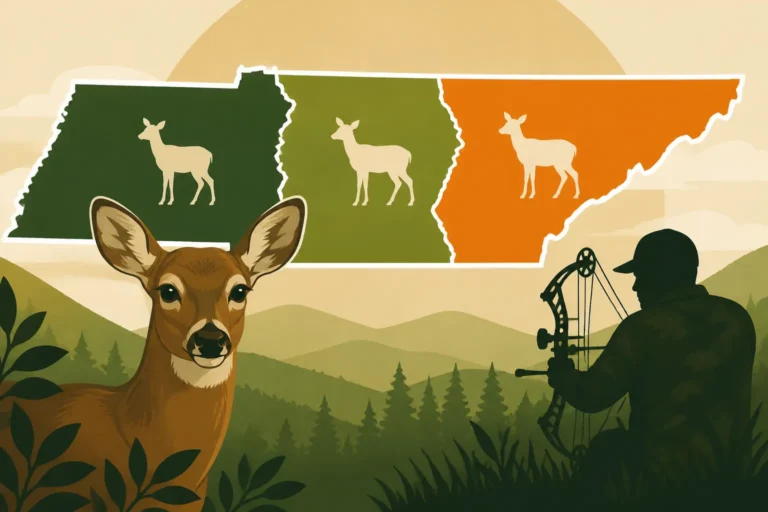
When you look at Tennessee's three bear zones, Zone Two definitely stands out. Bear Zone One, located in the northeastern part of the state (counties like Carter, Johnson, Unicoi, etc.), often has a slightly higher bear density and, as a result, sometimes offers a more liberal hunting season. It's also primarily within the vast expanses of the northern Cherokee National Forest. Hunters in Zone One might see longer seasons or different weapon options depending on the year's survey data.
Bear Zone Three, on the other hand, is generally comprised of the southern portion of the Cherokee National Forest, specifically in parts of Polk and Monroe counties. This zone often has specific restrictions or season structures tied to hound hunting opportunities and bear dog training seasons, reflecting the hunting traditions and bear populations unique to that area. Each zone is a carefully carved piece of the puzzle, and understanding the nuances of Tennessee's Three Bear Hunting Zones is essential for any serious bear hunter in the state.
Navigating Bear Zone Two's Season Dates and Regulations
The biggest hurdle for many hunters, myself included, is keeping track of season dates and the seemingly endless list of regulations. In Bear Zone Two, these dates are carefully planned to align with bear biology, public land use, and overall management goals. Missing a detail can mean the difference between a successful, legal hunt and a disappointing, possibly illegal, one.
Key Season Dates for Archery, Muzzleloader, and Gun
Bear Zone Two typically offers distinct season segments for different weapon types, reflecting the varying challenges and impacts of each method. The archery season usually kicks things off, often in mid-September, extending through mid-October. This early season can be challenging due to warmer weather, but it offers a unique opportunity to catch bears still heavily focused on early fall mast crops like acorns and berries. This is followed by a muzzleloader season, usually in late October, offering a brief window for those who enjoy the challenge and tradition of black powder.
The general gun season for bears in Zone Two usually begins in mid-November and runs through early December. This is often when the weather turns colder, mast is readily available, and bears are focused on putting on weight before denning. It’s important to note that these dates can shift slightly year to year, so always, always consult the current Tennessee Hunting & Trapping Guide published by the TWRA. There might also be special youth-only weekends which provide a fantastic opportunity for young hunters to get into the field under mentorship. While bears aren't deer, you might find the principles of tracking and understanding movement in varied seasons from resources like Tennessee's Black Bear Population to be helpful.
Legal Bag Limits and Harvest Reporting Requirements
For most hunters in Bear Zone Two, the bag limit is one bear per license year. This means once you've harvested a bear, your bear hunting for that season is done. This isn't like deer hunting where you might get multiple tags; bears are a precious resource, and conservative limits help maintain their population health. The critical part after harvesting a bear is the mandatory harvest reporting. You are required to report your bear harvest online or via phone through the TWRA's Go Outdoors Tennessee system (or their GoHunt app, which is super handy in the field). This must be done immediately, usually within 24 hours of harvest.
Beyond reporting, harvested bears must be physically checked in at an official TWRA check station or with a TWRA officer. This is a crucial step for biological data collection. TWRA staff will collect valuable information such as weight, sex, and often a tooth for aging the bear. This data is invaluable for the agency to monitor the health and age structure of the bear population and make informed decisions for future management. Failing to report or check your bear can result in significant penalties, so make sure you follow these steps diligently.
Specific Weapon Restrictions and Prohibitions
Tennessee has clear rules about what weapons are legal for bear hunting in Zone Two. For archery, this includes longbows, recurve bows, compound bows, and crossbows, all with specific draw weight and broadhead requirements. Muzzleloaders must be .40 caliber or larger, loaded with a single projectile. For modern firearms, centerfire rifles, shotguns 20 gauge or larger with a single slug, and handguns are generally permitted, again with minimum caliber requirements. Always double-check these specifics in the current regulations, as they are subject to change.
What's often equally important is what's not allowed. Bear baiting is strictly prohibited in Tennessee. You cannot use any food, lure, or substance to attract bears for the purpose of hunting. Electronic calls are also generally not permitted for bear hunting. While dog hunting for bears is allowed in some Tennessee zones, specific rules and restricted areas apply, especially in Zone Two, where it might be more limited than in other zones. Hunters often find themselves referring to detailed guides like Bear Hunting Cherokee National Forest for specific rules on public land, and understanding Running Hounds for Cherokee Forest Bears in the relevant zones.
To help visualize the difference in season structure across zones, here’s a simplified table comparing general dates for an illustrative year. Always consult the current TWRA Hunting Guide for exact, up-to-date dates.
| Season Type | Bear Zone One (Northeast TN) | Bear Zone Two (Smoky Mtns Foothills) | Bear Zone Three (South Cherokee) |
|---|---|---|---|
| Archery | Mid-September – Mid-October | Mid-September – Mid-October | Mid-September – Mid-October |
| Muzzleloader | Late October | Late October | Late October |
| Gun Season | Early November – Late December | Mid-November – Early December | Late November – Early December |
| Bag Limit | One Bear | One Bear | One Bear |
| Baiting | Prohibited | Prohibited | Prohibited |
| Dog Hunting | Permitted (specific dates) | Restricted/Not Always Permitted | Permitted (specific dates) |
Essential Permits, Licenses, and Hunter Education
Getting your tags in order is one of those necessary evils of hunting. It's not the most exciting part, but without the right paperwork, your hunt is over before it begins. Tennessee has a clear structure for licenses and permits, and knowing exactly what you need for bear hunting in Zone Two is crucial.
Required Licenses and Permits for Bear Hunting
First and foremost, every hunter in Tennessee needs a basic hunting license. For residents, this could be an annual resident hunting license, or if you're a true enthusiast, the comprehensive Type 004 Sportsman's License covers most things, including big game. Non-residents will need a non-resident annual hunting license or a non-resident 7-day all-game license, depending on their stay. On top of that, bear hunting specifically requires a Tennessee Big Game Permit and a Bear Earmark/Kill Tag. This tag is usually included with your Big Game Permit purchase but must be validated for a bear upon harvest.
The cost of these licenses can vary, especially for non-residents. I always recommend checking the current TWRA website or the GoHunt app for the most up-to-date pricing. For residents, the Tennessee Bear Tag Cost is relatively low compared to the overall hunting license cost. Purchasing your licenses is convenient through the TWRA's "Go Outdoors Tennessee" website, or by downloading the GoHunt app onto your smartphone. The app is fantastic because it keeps a digital copy of your licenses and even allows for easy harvest reporting right from the field, which is a lifesaver when you're miles from service. Make sure you have all these in hand before you even set foot in the woods.
Hunter Education and Apprentice Hunter Rules
For anyone born on or after January 1, 1969, completing an approved hunter education course is mandatory to hunt in Tennessee. This course covers everything from firearm safety and wildlife identification to ethical hunting practices and game care. It's a foundational experience that sets you up for safe and responsible hunting. If you're new to hunting or haven't taken the course, there are both in-person and online options available. For a full breakdown of what's required and how to fulfill it, consult Tennessee Hunter Education Requirements.
If you're an adult (16+) who hasn't completed hunter education yet, Tennessee offers an "apprentice hunter" license option. This allows you to hunt for one year without hunter education, provided you are accompanied by a licensed hunter (at least 21 years old) who has completed hunter education. This is a fantastic program for mentors to introduce new hunters to the sport safely and legally, but it's a one-time opportunity to get that initial experience.
Blaze Orange and Safety Considerations
Safety should always be your top priority when heading into the woods, especially during bear season in Zone Two where the terrain can be rugged and other hunters may be present. During Tennessee's gun seasons for deer, elk, and bear, anyone hunting big game or accompanying someone hunting big game (unless in an enclosed ground blind) must wear 500 square inches of blaze orange or hunter pink on their outer garment, visible from all sides. Even during archery or muzzleloader seasons when blaze orange isn't legally mandated, wearing some highly visible color is a smart choice, particularly if you're on public land that might have mixed-use or other hunters.
Beyond the orange requirements, always tell someone where you're going and when you expect to return. Carry a well-stocked first-aid kit, a reliable navigation device (GPS or a good mapping app like GoHunt on your phone with downloaded offline maps), and sufficient water. The mountainous terrain of Bear Zone Two can be physically demanding, and weather conditions can change rapidly. Being prepared for emergencies is not just good practice; it's a necessity. For more on specific requirements, a good resource is Tennessee Blaze Orange Requirements.
Tactical Approaches for Hunting Bear Zone Two
Hunting bears in Tennessee, particularly in the rugged and expansive territory of Zone Two, is a serious endeavor. It's not like still-hunting a food plot for deer; bears are intelligent, elusive, and often inhabit dense, challenging terrain. Success hinges on a deep understanding of their behavior, meticulous scouting, and patience.
Understanding Bear Behavior and Habitat in Zone Two
The black bears of Bear Zone Two thrive in the sprawling hardwood forests that dominate the region, especially those within the Cherokee National Forest and the foothills surrounding the Great Smoky Mountains. Their lives revolve around food, particularly mast crops. In early fall, they will be heavily focused on soft mast like blackberries and wild grapes, often found along clearcuts, power lines, and old logging roads. As the season progresses into late fall, hard mast becomes king. Oak acorns, hickory nuts, and beechnuts are critical calorie sources for bears bulking up for winter.
Bears are creatures of habit but also opportunistic. They'll follow seasonal food sources, so understanding the mast crop cycles is paramount. They often move between higher elevations where certain oak species produce earlier and lower elevations where other food sources persist. Travel corridors through saddles, creek bottoms, and along benches are key areas to intercept them. For deeper insights into their dietary habits, look into Hunting Bears Over Natural Mast in the Mountains. Knowing what they're eating and where those food sources are located at different times of the season is your number one priority.
Scouting and Locating Active Bear Sign
Effective scouting in Bear Zone Two requires serious boots-on-the-ground effort. You're not looking for deer tracks; you're looking for bear sign, which can be subtler but more definitive. Start by identifying potential food sources. Use aerial maps on your GoHunt app or other mapping software to pinpoint oak flats, old clearcuts, or areas near water. Then, hit the woods.
Look for fresh bear scat – its contents will tell you exactly what they've been eating. Tracks in muddy areas around springs or creek crossings are gold. You'll also want to look for physical signs of their feeding: turned-over rocks, torn-up logs where they've dug for grubs, and most importantly, claw marks on trees where they've climbed for nuts or berries. Look for distinct "bear beds" – matted-down areas in thick cover where they've rested. Setting up trail cameras in these areas, especially near promising mast crops, can provide invaluable intelligence on bear movement patterns. Dedicated scouting efforts like those described in Scouting Tennessee Public Land Before Season will drastically increase your odds.
Stand Placement and Still-Hunting Strategies
Given the varied terrain and dense cover of Bear Zone Two, both stand hunting and still-hunting can be effective. For stand hunting, choose locations that intercept bears moving between bedding areas and preferred feeding zones. Steep draws, narrow saddles between ridges, and pinch points where a ridge narrows into a creek bottom are all excellent choices. If you find a heavily used mast crop, setting up downwind on a travel route leading to it can be deadly. Treestands offer a clear vantage point and help keep your scent dispersed, but ground blinds, particularly well-brushed-in natural blinds, can be effective in areas where treestand placement is difficult or cover is abundant.
Still-hunting is particularly challenging but rewarding in this environment. It requires slow, deliberate movement, paying attention to wind direction and thermals, and constantly scanning ahead. Focus on moving silently through areas with good cover and active sign, pausing frequently to observe and listen. The dense forest and undulating terrain provide excellent opportunities for a stealthy approach. For hunters who enjoy the challenge of active pursuit, learning Spot-and-Stalk Tactics for Cherokee Forest Bears can provide excellent foundational skills, even if the "stalk" turns into a very slow "still-hunt" in this type of habitat.
Post-Harvest Protocols and Disease Awareness
Harvesting a bear is an incredible accomplishment, but the work isn't over when the shot is fired. Proper post-harvest care is crucial for meat quality and fulfilling legal obligations, and staying aware of wildlife health issues is part of being a responsible hunter.
Field Dressing and Carcass Care in the Field
Bears are large animals, and their body heat can spoil meat quickly, especially if you're hunting during the warmer archery or muzzleloader seasons in Zone Two. The moment your bear is down, the clock starts. You'll want to field dress it as quickly and efficiently as possible. This means removing the entrails to allow the body to cool. If possible, prop the cavity open with sticks to promote airflow.
For larger bears or remote locations, consider quartering the animal in the field. This means breaking it down into smaller, manageable sections that are easier to cool and transport. Heavy-duty game bags are indispensable for this process; they protect the meat from dirt, flies, and debris while allowing air circulation. Having a sharp, reliable field dressing knife and even a small bone saw can make this process much easier.
Transporting and Processing Your Bear
Once the bear is field dressed and cooled, you need to think about transportation. Dragging a whole bear out of the steep terrain of Bear Zone Two can be an epic undertaking. Game carts, deer sleds, or even packing frames for quartered animals become essential tools. Remember, you must keep evidence of the bear's sex and species on the carcass until it's officially checked.
After checking your bear with the TWRA, you have a couple of options for processing. If you're comfortable with butchering, processing the bear yourself at home gives you complete control over the cuts and trim. Bear meat can be delicious, but it needs to be handled properly. If you're not up to the task, find a reputable local meat processor. Make sure they have experience with bear meat, as it's different from venison. They'll also be able to properly freeze and package the meat for long-term storage. For detailed guidance on the immediate steps after a successful harvest, Handling a Bear After the Shot provides critical information.
Disease Awareness for Hunters
While Chronic Wasting Disease (CWD) is a major concern for deer hunters in Tennessee, bears are generally not susceptible to CWD. However, as responsible stewards of wildlife, hunters should always be aware of potential diseases that can affect the animals they pursue. Bears can carry parasites, like Trichinella, which is why thoroughly cooking bear meat is always recommended.
The TWRA monitors wildlife health across the state. If you ever harvest a bear (or any animal) that appears sick, emaciated, or exhibits unusual behavior, it's important to report it to the TWRA. Do not consume meat from a visibly sick animal. This vigilance helps wildlife agencies track and mitigate potential outbreaks that could impact the broader ecosystem. While CWD isn't a bear issue, generally understanding Tennessee Wildlife Disease Monitoring is a good practice for all hunters. Your observations in the field can provide valuable data that helps protect Tennessee's cherished wildlife resources.
Disclaimer
Please remember that hunting regulations can change. While this guide aims to be comprehensive and accurate, it is not a substitute for the official Tennessee Wildlife Resources Agency (TWRA) Hunting & Trapping Guide. Always consult the most current TWRA regulations before planning and embarking on any hunting trip in Tennessee.