Tennessee Nonresident Hunting License Options
Navigating the myriad of hunting licenses and permits in a new state can feel like trying to track a mature buck through a briar patch – confusing, frustrating, and sometimes you just want to give up. For those of you traveling to Tennessee to experience our rich hunting heritage, understanding your nonresident hunting license options is the first crucial step to a successful and legal hunt. This guide aims to clear up the confusion, making your trip to the Volunteer State as smooth as possible.
Understanding Basic Nonresident License Types
Tennessee offers several foundational hunting license options for nonresidents, each designed to fit different hunting trip lengths and target species. It’s not a one-size-fits-all situation, and choosing the right combination is key to avoiding issues down the road. Many hunters feel overwhelmed by the choices, but once you break them down, it becomes much clearer. The Tennessee Wildlife Resources Agency (TWRA) has streamlined much of this through their Go Outdoors Tennessee platform, but knowing what you need before you dive in can save you a lot of headache.
Annual Nonresident All-Game Hunting License
If you're planning on multiple trips to Tennessee within a license year (which runs from March 1st to the end of February), or if you want the flexibility to hunt various species, the Annual Nonresident All-Game Hunting License (Type 107) is often your best bet. This license covers all game species—deer, bear, turkey, small game, and waterfowl—subject to the required supplemental permits. It’s a substantial investment compared to a resident license, but it provides comprehensive coverage for a full year of hunting adventures across the state. Think of it as your base pass for Tennessee's diverse hunting opportunities, from the Cumberland Plateau to the Mississippi River bottoms. This license is perfect for those who truly want to immerse themselves in all that Tennessee hunting has to offer, without worrying about buying a new basic license every time they visit.
Nonresident Small Game and Waterfowl Licenses
Perhaps you’re not after big game like deer, bear, or turkey. Maybe your passion lies in the fast-paced action of a duck hunt on Reelfoot Lake, or the challenge of chasing grouse in the mountains. In that case, the TWRA offers specific licenses tailored to those pursuits. The Nonresident Small Game and Waterfowl (Type 101) is a basic license that covers non-migratory small game (like squirrels and rabbits) and migratory birds (like doves, ducks, and geese) when coupled with the appropriate federal and state migratory bird stamps. This license allows you to focus your resources on your specific interests without paying for unnecessary big game privileges. Just remember, migratory bird hunting requires additional stamps like the Tennessee Migratory Bird Permit and a Federal Duck Stamp, which are separate purchases. For more details on the federal duck stamp and other requirements, check out the information on Tennessee Federal Duck Stamp Requirement.
Temporary Nonresident Hunting Licenses
For many nonresidents, a short hunting trip is the typical scenario, whether it's a weekend deer hunt or a few days chasing ducks. Tennessee offers temporary licenses that are more cost-effective for these shorter durations. You might be planning a specific five-day trip for a particular season, and a temporary license makes a lot of sense. These short-term options allow you to access hunting privileges without committing to a full year's expense. They are particularly popular for nonresident waterfowl hunters who come for specific flights on the Mississippi Flyway.
The 7-Day All-Game Option
The Nonresident 7-Day All-Game Hunting License (Type 100) is a popular choice for those planning a specific week-long trip. This license provides the same comprehensive coverage as the annual all-game license but for a much shorter period. It allows you to hunt deer, bear, turkey, small game, and waterfowl, again, with the necessary supplemental permits. If you're coming in for a prime week during the rut or a specific waterfowl season, this license offers excellent value. It’s a flexible option that recognizes not every hunter needs year-round access, but still wants the freedom to pursue various species during their visit. Understanding the nuances of these temporary permits can save you significant money, as detailed in our guide on Tennessee Nonresident 7-Day License Cost.
Specific 3-Day Options for Small Game and Waterfowl
For even shorter trips focused on specific game, Tennessee provides a Nonresident 3-Day Small Game/Waterfowl (Type 102) license. This is ideal for a long weekend spent in a duck blind or walking a field for dove. Like its 7-day counterpart, it requires additional stamps for migratory birds, but it keeps your upfront cost lower if your trip is brief. It’s designed for the hunter who knows exactly what they want to target and for how long. It's important to cross-reference this with the specific season dates, as some small game seasons might not align perfectly with a short window if you're not careful.
Required Supplemental Permits for Nonresidents
Beyond the basic hunting license, Tennessee requires specific supplemental permits for hunting big game, waterfowl, and for hunting on certain wildlife management areas (WMAs). These are essential additions, and without them, your basic license isn't enough to legally pursue these species. It’s where many new hunters get tripped up, thinking their "all-game" license covers everything. Always double-check what you’re hunting and where to ensure you have all your ducks in a row – pun intended!
Big Game Hunting Permits
If your sights are set on a Tennessee whitetail, a black bear, or one of our majestic elk, you'll need a big game permit. The Nonresident Big Game Commercial Hunt License (Type 106) is the primary permit for deer, bear, and turkey. This isn't usually tied to a "commercial hunt" in the traditional sense, but rather serves as the necessary tag for harvesting these species. Each species you wish to hunt will generally require this specific permit in addition to your basic hunting license. For instance, if you're coming for deer, you'll need both a Type 107 (or Type 100) and a Type 106. Our detailed guide on Tennessee Big Game License Requirements covers all the specifics.
Deer and Bear Specifics
For deer, the Type 106 grants you the ability to harvest deer, but remember that bag limits and antler restrictions vary significantly by Deer Management Unit (DMU). You'll need to know which DMU your hunting location falls into. For bear, the Type 106 is also required, and hunters must adhere to specific bear zone regulations. Bear hunting in Tennessee can be a truly unique experience, especially in the Cherokee National Forest. However, understanding Tennessee's Three Bear Hunting Zones is crucial, as rules and seasons differ by zone. Nonresidents must be especially diligent in understanding these zone-specific regulations to ensure a legal and successful bear hunt.
Turkey Hunting Permits
Spring turkey hunting in Tennessee is incredibly popular, and nonresidents are welcome to join the fun. The Type 106 also covers turkey hunting, but you must ensure you are aware of the statewide turkey bag limits and individual unit restrictions. Tennessee boasts healthy turkey populations across the state, offering fantastic opportunities. However, knowing the rules around jakes versus gobblers, and the overall season limit, is vital. You definitely don’t want to be caught off guard by a regulation.
Waterfowl and Migratory Bird Permits
Tennessee is a significant stop on the Mississippi Flyway, making it a duck and goose hunter's paradise, especially in West Tennessee. However, waterfowl hunting requires a few extra layers of permits.
State and Federal Stamps
In addition to your basic hunting license (Type 101 or 100, or 107 if you have it), you'll need a Tennessee Migratory Bird Permit (Type 005) and a Federal Duck Stamp. The federal stamp is purchased separately and must be signed across its face. These stamps fund vital conservation efforts for migratory bird habitats. For hunters specifically targeting the legendary Reelfoot Lake, there's also the Reelfoot Lake Waterfowl Preservation Permit (Type 089) required for certain areas. This permit helps manage and preserve the unique ecosystem of Reelfoot, ensuring sustainable hunting for generations to come. To get a full picture of what’s needed for these hunts, reviewing Tennessee Waterfowl Zones and Seasons is highly recommended.
WMA Permits
Many of Tennessee’s best public hunting grounds are designated Wildlife Management Areas (WMAs). While some WMAs allow hunting with a basic license, many others require an additional WMA permit. The Nonresident WMA Small Game and Waterfowl (Type 103) or the Nonresident WMA Big Game (Type 104) are specific to WMAs. Always check the specific WMA regulations for the area you plan to hunt, as some may have special quota hunts or require specific permits not covered by the general WMA permit. These WMA-specific permits are an integral part of planning your hunt, especially if you're new to the state and relying on public access.
Purchasing Your Tennessee Nonresident Hunting License
Once you know which licenses and permits you need, the next step is actually purchasing them. Thankfully, Tennessee has made this process relatively straightforward through their online platform and various vendors. Gone are the days of needing to physically visit a TWRA office, though that’s still an option if you prefer it.
The Go Outdoors Tennessee Platform
The primary method for purchasing licenses is through the Go Outdoors Tennessee website. This online portal allows you to select all your necessary licenses and permits, pay securely, and print your license or save it digitally to your phone. It's incredibly convenient and accessible 24/7. When using the platform, take your time and double-check each selection. A useful tip is to create an account beforehand, especially if you plan on applying for quota hunts in the future. GoHunt, a popular outdoor planning platform, often recommends using official state portals like Go Outdoors Tennessee for purchasing licenses, as they integrate seamlessly with state regulations and reporting requirements. For a detailed walkthrough, our guide on Buying a License on Go Outdoors Tennessee is a great resource.
Authorized License Agents
If you prefer to purchase your license in person, or if you find yourself needing a last-minute permit while already in Tennessee, there are numerous authorized license agents across the state. These typically include sporting goods stores, bait shops, and even some county clerk offices. They can print your license on the spot. Just be sure to bring all the necessary information, including your full name, date of birth, address, and any previous hunting license numbers you might have. It’s always a good idea to confirm that the agent sells the specific nonresident permits you need before making a special trip.
Apprentice Hunter and Youth Licenses
Tennessee also offers options for new and young hunters, which is fantastic for encouraging the next generation of outdoors enthusiasts. If you're an experienced nonresident hunter bringing along a mentee who hasn't completed hunter education, the Nonresident Apprentice Hunter License (Type 105) allows them to hunt under the direct supervision of a licensed adult. This is an excellent way to introduce someone to hunting safely and legally. For young nonresidents, those under 16 generally don't need a basic hunting license but may still require specific big game or waterfowl permits. Always check the current regulations for Tennessee Youth Deer Hunt Rules or other youth seasons, as they often have unique requirements or specific dates.
Important Considerations for Nonresident Hunters
Hunting in a new state comes with its own set of responsibilities and potential pitfalls. Tennessee has specific regulations that nonresidents absolutely must be aware of to ensure a lawful and ethical hunt. These aren't just minor details; they can impact your entire trip and even lead to legal trouble if ignored.
Chronic Wasting Disease CWD Management Zone
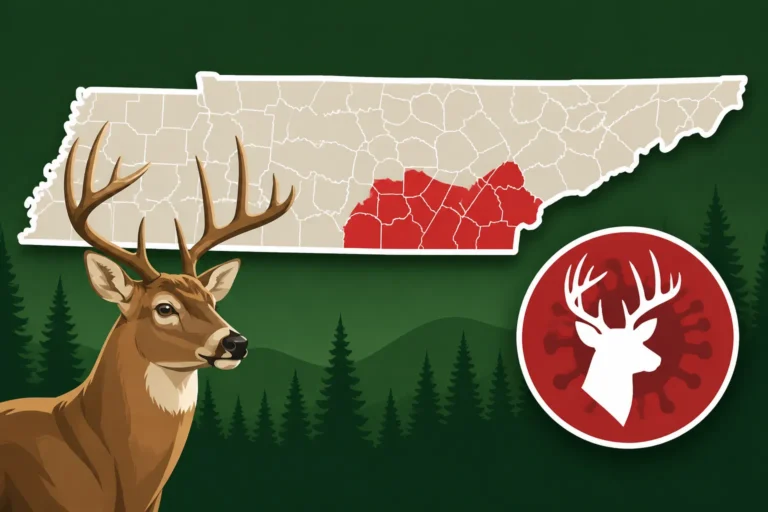
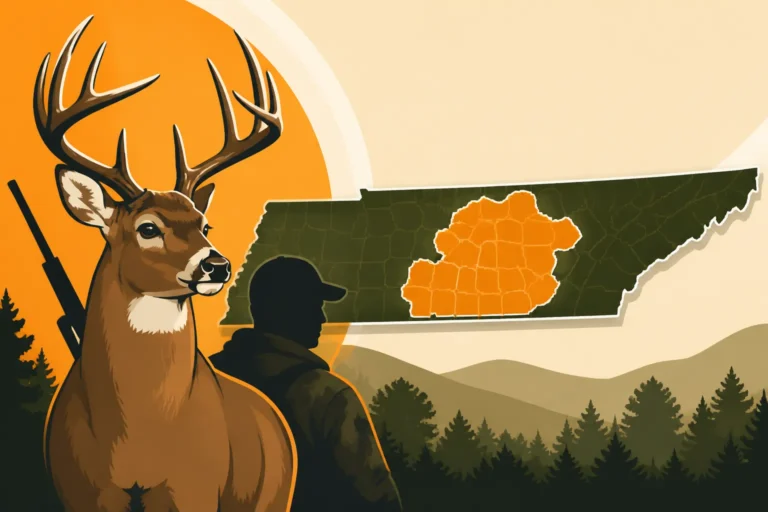
One of the most critical issues facing Tennessee deer hunters, resident and nonresident alike, is Chronic Wasting Disease (CWD). Tennessee has a CWD Management Zone in its western and central counties, where special regulations apply to deer hunting, carcass transportation, and mandatory CWD testing. If you plan to hunt deer in Tennessee, especially in the western half of the state, you must familiarize yourself with these rules. These regulations are designed to prevent the spread of CWD and include restrictions on moving certain parts of a harvested deer out of the CWD zone. GoHunt, like many conservation groups, provides educational materials on CWD awareness, echoing the importance of understanding these zones. Learn more about Tennessee's Chronic Wasting Disease Management Zone to plan your hunt responsibly.
Carcass and Deboning Rules
For hunters harvesting deer within the CWD zone, there are strict rules about transporting deer carcasses. Only certain parts, like deboned meat, clean antlers, or taxidermy-ready hides, can leave the CWD zone. Whole carcasses cannot be transported across county lines out of the zone. This often means you'll need to field dress and debone your deer on site or at a local processing facility before heading home. This rule is a major change for many hunters and requires careful planning, especially if you're traveling a long distance.
Hunter Education Requirements
Most hunters born after January 1, 1969, are required to complete a hunter education course to legally hunt in Tennessee. This applies to nonresidents as well. If you've completed a hunter education course in another state, it is generally recognized by Tennessee, but you should always carry proof of completion. If you haven't, you'll either need to take an approved course or hunt under the supervision of a licensed adult with an Tennessee Apprentice Hunter License Rules. This is a foundational requirement for safe and responsible hunting.
Blaze Orange Requirements
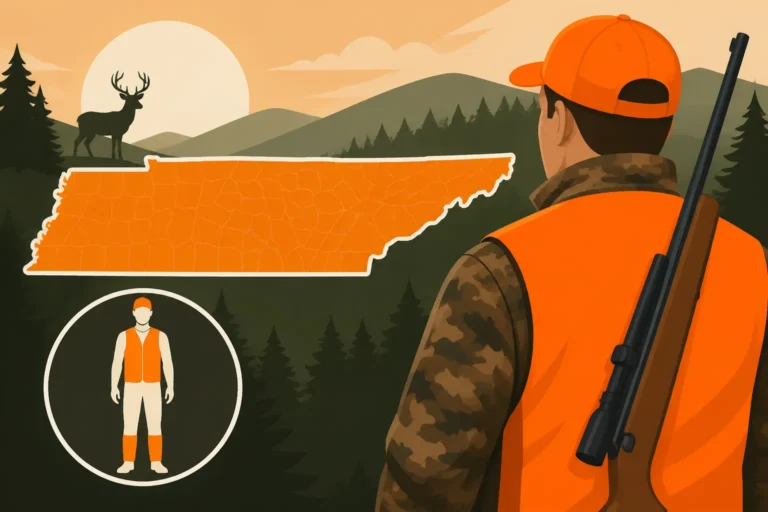
Safety is paramount, and Tennessee has blaze orange requirements that all hunters must follow during gun and muzzleloader seasons, and sometimes during archery seasons when firearm seasons overlap. Nonresidents must adhere to these rules strictly. Typically, hunters are required to wear 500 square inches of blaze orange or pink above the waist, visible from all sides, during these periods. This includes a hat. Always check the current regulations for Tennessee Blaze Orange Requirements before you head into the field, as specific WMA rules might also apply.
Beyond the License: Planning Your Nonresident Hunt
Getting your licenses in order is just the first step. For nonresidents, successful Tennessee hunting requires a bit more planning, especially when it comes to understanding public access and unique opportunities. This is where your detailed research truly pays off.
Public Land Access
Tennessee offers a substantial amount of public land, including state Wildlife Management Areas (WMAs), portions of the Cherokee National Forest, and Land Between the Lakes. However, access and regulations vary wildly between these areas. Some WMAs require specific permits, as mentioned earlier, and others may have special quota hunts that require advance application. Understanding where you can hunt and what rules apply is crucial. Utilizing mapping tools, like those offered by GoHunt or the TWRA app, can be invaluable for scouting and understanding public land boundaries. Don't assume that just because it's public, you can hunt it without checking specific area regulations first.
Special Hunts and Quota Opportunities
Tennessee offers several special quota hunts for species like elk, quality deer, and certain bear hunts. Nonresidents can apply for many of these, though the odds can be tough due to high demand. Applying for an Applying for a North Cumberland Elk Permit requires careful timing and an understanding of the application process. These hunts represent some of Tennessee's most unique and challenging hunting experiences. If you're looking for a truly exceptional hunt, exploring these quota options is worth the effort, but be prepared for intense competition.
Seasons and Bag Limits
Tennessee's diverse landscape means a diverse array of hunting seasons and bag limits. Deer seasons run from archery in late summer, through muzzleloader, and into general firearms season, often extending into January. Turkey season is typically in the spring. Small game and waterfowl seasons have their own specific windows. As a nonresident, it's vital to meticulously check the current year's TWRA hunting guide for the exact dates and bag limits for your target species in the specific county or DMU you plan to hunt. A misunderstanding of a season opening or closing date can quickly turn a memorable trip into a regrettable one.
| License/Permit Type | Purpose | Validity | Key Requirement/Note |
|---|---|---|---|
| Type 107: Nonresident All-Game | Basic hunting for all species | Annual (Mar 1 – Feb 28) | Requires supplemental permits for big game/waterfowl. |
| Type 100: Nonresident 7-Day All-Game | Basic hunting for all species | 7 Consecutive Days | Requires supplemental permits for big game/waterfowl. |
| Type 101: Nonresident Small Game/Waterfowl | Basic hunting for small game/migratory birds | Annual (Mar 1 – Feb 28) | Requires Federal Duck Stamp & TN Migratory Bird Permit for migratory birds. |
| Type 102: Nonresident 3-Day Small Game/Waterfowl | Basic for small game/migratory birds | 3 Consecutive Days | Requires Federal Duck Stamp & TN Migratory Bird Permit for migratory birds. |
| Type 106: Nonresident Big Game | Supplemental permit for deer, bear, turkey | Annual | Must be purchased in addition to a basic hunting license (Type 107 or 100). |
| Type 005: TN Migratory Bird Permit | Supplemental for migratory birds | Annual | Must be purchased in addition to a basic hunting license (Type 107, 100, 101, or 102). |
| Type 089: Reelfoot Lake Waterfowl Pres. | Supplemental for Reelfoot Lake waterfowl | Annual | Required for certain areas on Reelfoot Lake; check specific area regulations. |
| Type 104: Nonresident WMA Big Game | Supplemental for big game on WMAs | Annual | Required for many WMAs; check specific WMA rules. |
This table provides a quick overview, but remember that specific regulations and costs can change annually, so always consult the latest TWRA hunting guide.
Final Thoughts for Your Tennessee Adventure
Hunting in Tennessee as a nonresident offers incredible experiences, from the rugged mountains to the sprawling river bottoms. While the license structure might seem a bit daunting at first glance, taking the time to understand your options and secure the correct permits is an essential part of a responsible and enjoyable trip. Always double-check the current TWRA regulations before you head out, and consider using resources like GoHunt to aid in your scouting and planning. With the right preparation, you'll be well on your way to making lasting memories in the Tennessee woods and fields.
Disclaimer
Please note that hunting regulations, license requirements, and fees are subject to change by the Tennessee Wildlife Resources Agency (TWRA). This guide is intended for informational purposes only and should not be considered a substitute for reading the official Tennessee Hunting and Trapping Guide or visiting the official TWRA website for the most current and accurate information. Always verify all regulations and requirements before hunting.