Reading a Bottomland Slough for a Morning Flight
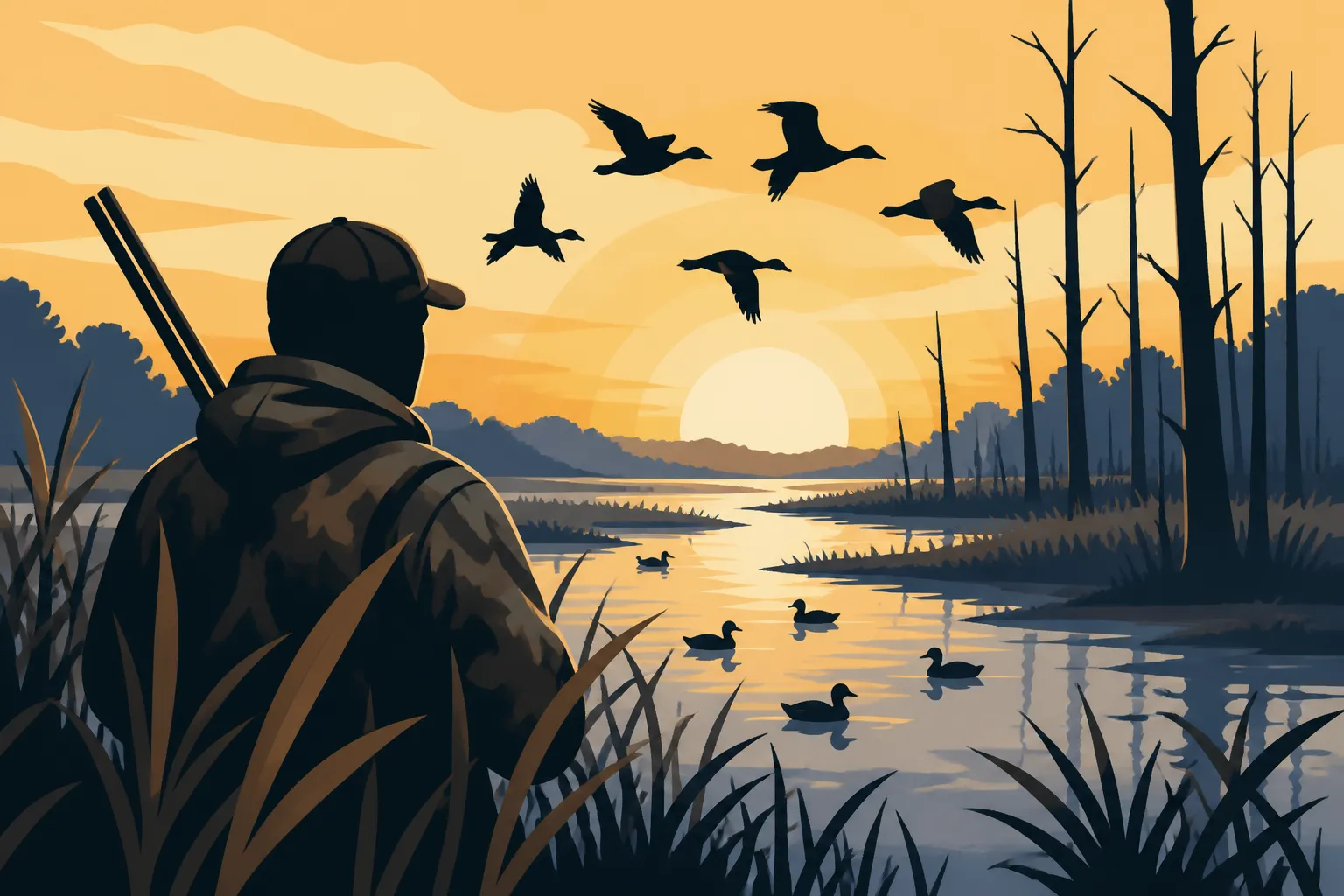
There’s nothing quite like the hopeful chill of a pre-dawn morning, wading through the flooded timber or marsh grass of a Tennessee bottomland, only to have the ducks give you the slip. It’s a common frustration when you've done all the scouting, set your decoys, and hidden yourself perfectly, yet the birds just won't commit. This guide is all about helping you understand how to "read" those elusive bottomland sloughs, deciphering the subtle signs that tell you where the ducks want to be, and ultimately, how to intercept them on their morning flight.
Understanding Bottomland Sloughs and Duck Behavior
First things first, let's get on the same page about what we're talking about when we say "bottomland slough." In Tennessee, especially across West Tennessee and parts of the Cumberland River corridor, bottomlands are often characterized by low-lying, flood-prone areas. A slough, in this context, is typically a natural depression, an old oxbow lake cut off from a meandering river, or a backwater area that holds water, often surrounded by mature timber or dense brush. These aren't always grand, sprawling lakes; sometimes the best sloughs are just deeper, quieter pockets within a larger flooded forest or swampy field.
Ducks, particularly mallards, wood ducks, and often gadwall and green-winged teal, are drawn to these sloughs for very specific reasons. They offer a combination of shelter, security, and readily available food. During the hunting season, especially as hunting pressure increases, ducks become incredibly wary. A quiet, secluded slough, perhaps with a thick canopy overhead or dense vegetation, provides them with a sense of safety from overhead predators and human disturbance. These areas are crucial stopping points for Tennessee Waterfowl on the Mississippi Flyway, offering critical rest and refueling opportunities.
The daily routine of a duck is fairly predictable: they roost in secure, often larger bodies of water or vast flooded timber during the night, fly out to feed at dawn, spend the middle of the day loafing (resting and preening) in safe spots, and then often fly back to feed or loaf before returning to their roost in the evening. Our target for a "morning flight" is when they leave their roost to head to a prime feeding area. Reading a slough effectively means understanding if this particular slough is a desirable feeding spot, a loafing spot, or part of their travel corridor. Sometimes, you're not even looking for a feeding ground, but a loafing spot that they'll drop into after an initial feed elsewhere.
What species you're targeting also makes a difference. Wood Ducks in Tennessee Bottomland love the thick, wooded cover, often preferring smaller, more secluded pockets with plenty of acorns. Mallards, while also loving acorns, are a bit more adaptable and will frequent larger flooded timber or agricultural fields. Knowing which species are in the area, and what their preferences are, is the first step in decoding the slough.
Key Features to "Read" in a Slough
Successfully hunting a bottomland slough isn't just about showing up where there's water. It's about meticulously observing the environment and recognizing the subtle cues that indicate active duck use. Think of yourself as a detective, piecing together clues to understand the ducks' daily habits.
Water Levels and Flow
The amount of water and its movement are absolutely critical. Ducks prefer certain water depths for feeding. Mallards, for instance, are dabblers, meaning they tip up to feed in shallower water, typically less than 18 inches deep. If the water is too deep, they can't reach the bottom. Conversely, if it's too shallow, they might not feel secure or there might not be enough food available.
- Rising Water: Often a good sign, especially after a dry spell. Freshly flooded timber and fields make new food sources available, washing acorns and seeds into accessible areas. This can pull birds from larger, stagnant bodies of water.
- Falling Water: Can consolidate birds into smaller, deeper pockets, but if it falls too much, it might push them out entirely. Look for mud lines on trees or banks, showing recent water levels.
- Current: Even a subtle current in a slough can be important. It might carry food, create open pockets in ice, or concentrate debris. Ducks often favor areas with minimal current for resting.
Food Sources
Ducks go where the food is. In Tennessee bottomlands, this primarily means acorns from various oak species (pin oaks, water oaks, willow oaks are favorites), smartweed, wild millet, and other moist-soil plant seeds.
- Acorns: Look for oak trees, especially those with evidence of dropped acorns. Duck droppings containing acorn fragments are a dead giveaway. You'll often see "potholes" in the mud where ducks have been aggressively grubbing for acorns.
- Moist-Soil Plants: Identify areas with smartweed, wild millet, or other wetland plants that produce small seeds. These can be incredibly attractive, especially in early season.
- Agricultural Runoff: In bottomlands adjacent to farmland, overflow from nearby fields might wash corn or soybean remnants into the slough, creating an irresistible buffet.
Before you even step into the water, use mapping tools, like those offered by GoHunt, to identify different timber types or agricultural fields that might drain into or border a slough. This pre-scouting can save you a lot of time.
Cover and Security
Ducks need places where they feel safe to land, feed, and loaf without constant harassment.
- Dense Canopy/Overhead Cover: Thick timber, especially with low-hanging branches, provides cover from raptors and camouflage from human hunters. Birds feel more secure dropping into these areas.
- Downed Timber/Brush Piles: These create natural breaks, channels, and secure resting spots within the slough. Ducks will often loaf around such structures.
- Quiet Pockets: Look for areas that are naturally secluded, perhaps further away from main channels or trails, where human presence is minimal. These quiet zones are often key to consistent morning flights.
Duck Sign
This is where the rubber meets the road. What physical evidence are the ducks leaving behind?
- Droppings (splashes): Fresh duck droppings on logs, stumps, or in the water are the clearest indicator of recent activity. They often look like white or greenish-white splashes.
- Feathers: Finding a cluster of fresh feathers, particularly downy feathers, suggests ducks have been preening and resting there.
- Mud Lines/Trails: On muddy banks or shallow flats, look for distinct tracks or "trails" where ducks have waddled in and out of the water, especially where they've been feeding.
- "Potholes": As mentioned earlier, aggressive feeding on acorns or seeds can leave small depressions in the mud.
Combine these signs with careful listening during your scouting. Early morning or late evening, sit quietly near a suspected slough and listen for distant quacks, wing beats, or splashes. This is often the best way to confirm active use. Remember, Scouting Tennessee Public Land Before Season is crucial for identifying these areas before opening day, but in-season scouting confirms current activity.
Wind Direction
The wind influences everything in waterfowl hunting. Ducks almost always land and take off into the wind.
- Flight Paths: The prevailing wind direction will dictate their approach and departure paths to and from a slough. You want to position yourself where they'll naturally fly into your decoys.
- Decoy Spread: The wind will push your decoys, so you need to set them in a way that creates a natural landing zone, preferably with open water into the wind where the birds can commit.
- Concealment: Use the wind to your advantage for calling (carrying sound) and for masking any noise you might make.
The more features you can identify and interpret, the better your chances of predicting where the ducks will be on their morning flight.
Planning Your Morning Flight Strategy
Once you've "read" a bottomland slough and identified a promising spot, it's time to put your strategy into action. This involves careful scouting, strategic setup, and knowing how to adapt.
Scouting the Hot Zone
Active, in-season scouting is paramount. Don't rely solely on pre-season knowledge, as water levels, food sources, and duck patterns can change quickly.
- Pre-Dawn Recon: If possible, arrive well before shooting light and listen. Listen for feeding mallards, wood duck squeals, and the tell-tale sound of wings breaking the air. Sometimes, you'll hear birds pitching into a slough in the dark, giving away their preferred landing zone for that particular morning.
- Boots on the Ground (or in the water): Wading through prospective areas in your Waders for Flooded Cypress Hunting is the best way to find fresh sign. Look for the actual droppings and disturbed mud. Pay attention to how the slough connects to larger bodies of water or adjacent timber, as these channels are often travel corridors.
- Mapping Tools: Utilize advanced mapping features from platforms like GoHunt. Overlay public land boundaries, check historical satellite imagery for changes in water flow or timber cuts, and mark your potential setup spots, entry/exit routes, and known duck activity areas. This helps you visualize the terrain and avoid trespassing if you're near private holdings.
Strategic Setup
Your setup needs to complement the ducks' natural behavior and the slough's features.
- Decoy Placement: In a bottomland slough, less is often more. A small spread of 6-12 realistic decoys, mimicking contented ducks feeding and resting, is usually plenty. Create an open landing zone "into the wind" directly in front of your blind or hide. Think about a j-hook, a U-shape, or even just a few pairs scattered naturally. Decoy Spreads for Reelfoot Mallards principles can often be applied here, even if the scale is smaller. Pay close attention to current; sometimes a single spinner or jerk string can create crucial movement in stagnant water.
- Blind Location: Position yourself with a natural backdrop, blending seamlessly into the timber or brush. Dark timber works wonderfully. Consider where the sun will rise and try to position it at your back or side to avoid casting shadows and to keep the glare out of your eyes during the critical first hour of legal shooting light.
- Entry/Exit Routes: Plan these meticulously. You want to get into your spot quietly and without disturbing birds already in the area. This often means walking a slightly longer, more circuitous route. Similarly, plan your exit to minimize disturbance for future hunts.
Calling and Concealment
- Subtle Calling: In tight quarters like a slough, loud, aggressive calling can often flare birds. Start with soft feeding calls, quiet quacks, and subtle greeting calls. Let the ducks see your decoys first, then use soft calls to pull them the last few yards.
- Absolute Concealment: In flooded timber, ducks are looking down for a landing spot. Any movement or glint of light will be immediately picked up. Wear full camouflage, including a face mask. Sit still, and only raise your gun when the birds are fully committed and within range. This is especially true during peak flight times after Tennessee Duck Phase One and Phase Two Dates when birds are more educated.
Post-Hunt Analysis and Adaptability
The hunt doesn't end when you pick up your decoys. Every trip to the slough is a learning opportunity.
Reviewing the Flight
Take time to debrief after each hunt, whether it was successful or not.
- Where did the birds come from? Did they follow the wind, a particular timber line, or a hidden channel? This might tell you where their roost is or their preferred travel corridor.
- Where did they flare? Did they see something specific? Was it your blind, movement, or did they simply not like the look of your spread? Was it a decoy spread issue or a concealment issue?
- What was the weather like? Did a cold front push new birds in? Was it clear and calm, making them extra wary? Tennessee Waterfowl Migration Timing is heavily influenced by weather, and ducks will respond to changing conditions.
- What worked well? Did a particular call or decoy setup draw them in?
- What changed from last time? Did the water level shift? Was there new food or new pressure?
Analyzing these details helps you refine your approach for next time. Perhaps you need to move your blind ten yards, or adjust your decoy spread slightly to better utilize the current.
Adjusting for Future Hunts
Never be afraid to adapt. What worked one day might not work the next.
- Move Your Position: If birds are consistently landing just out of range, or flaring at a particular point, don't be stubborn. Move your hide or your decoys to put yourself in their preferred landing zone.
- Change Your Spread: Experiment with different decoy numbers or configurations. Sometimes, a single spinning wing decoy can be a game-changer; other times, it's a deterrent.
- Adapt to Pressure: If the slough is getting too much attention, ducks will often abandon it for quieter areas. You might need to find a new spot or adjust your hunting times. Sometimes, a good strategy is to hunt smaller, overlooked pockets that other hunters walk past, or to simply go deeper into the Hunting the Mississippi Flyway Backwaters than others are willing to.
Bottomland sloughs are dynamic environments. Rivers rise and fall, food sources emerge and disappear, and hunting pressure changes duck behavior. The most successful waterfowl hunters are those who treat every hunt as an experiment and are willing to learn and adjust. Keep at it, keep observing, and those morning flights will soon be dropping right into your spread. For additional specialized hunting, consider exploring Hunting Reelfoot's Flooded Cypress Timber as another unique Tennessee waterfowl experience.
Disclaimer
Hunting is an inherently dangerous activity. Always prioritize safety, wear appropriate gear, and ensure you understand and follow all current Tennessee Wildlife Resources Agency (TWRA) regulations, seasons, and bag limits. This information is for educational purposes and should not replace official state guidelines or proper hunter education. Be aware of your surroundings, hunt ethically, and respect private property.