Jump-Shooting a Tennessee River
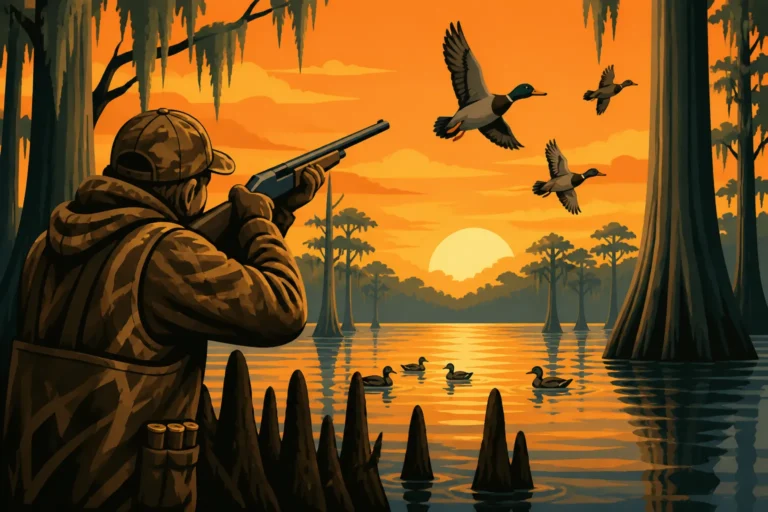
The sheer thought of navigating crowded public land blinds or shivering in a frozen field, hoping for a late-season duck flight, can be enough to deter many waterfowl hunters in Tennessee. But what if there was a way to consistently find birds, often away from the crowds, by simply moving with the flow of our incredible waterways? This guide is all about diving deep into the art of jump-shooting Tennessee's rivers, offering a dynamic and often overlooked approach to put more ducks in your bag.
Why Jump-Shooting Tennessee Rivers is a Game-Changer
Let's be honest, traditional waterfowl hunting in Tennessee often conjures images of massive decoy spreads, expensive blinds, and waking up at 3 AM to beat the next guy to a prime spot. While those methods can be incredibly rewarding, they also come with significant logistical challenges and competition, especially on popular Wildlife Management Areas (WMAs) like those around Reelfoot Lake WMA Duck Blind Access. For many of us, the time, gear, and sheer effort required can be a real barrier. This is where jump-shooting steps in as a breath of fresh air, offering a more flexible, independent, and often less crowded way to chase ducks and geese.
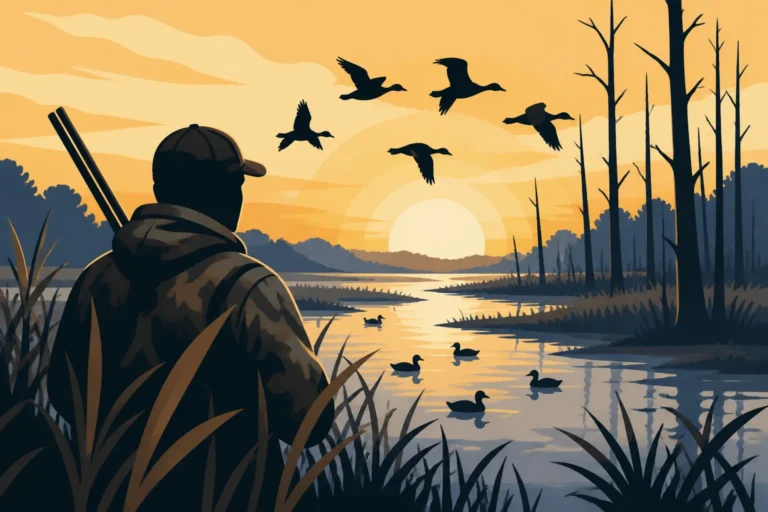
This method thrives on stealth, observation, and adaptability. Instead of waiting for birds to come to you, you become the hunter on the move, actively seeking out waterfowl that are resting, feeding, or loafing along riverbanks, in quiet eddies, or around natural cover. Tennessee is crisscrossed with countless rivers and larger creeks – from the mighty Tennessee and Cumberland Rivers to smaller, winding tributaries – many of which hold huntable populations of ducks, particularly dabblers like mallards, wood ducks, and gadwall. The beauty of it is that these spots are often overlooked by hunters focused solely on larger lakes or agricultural fields.
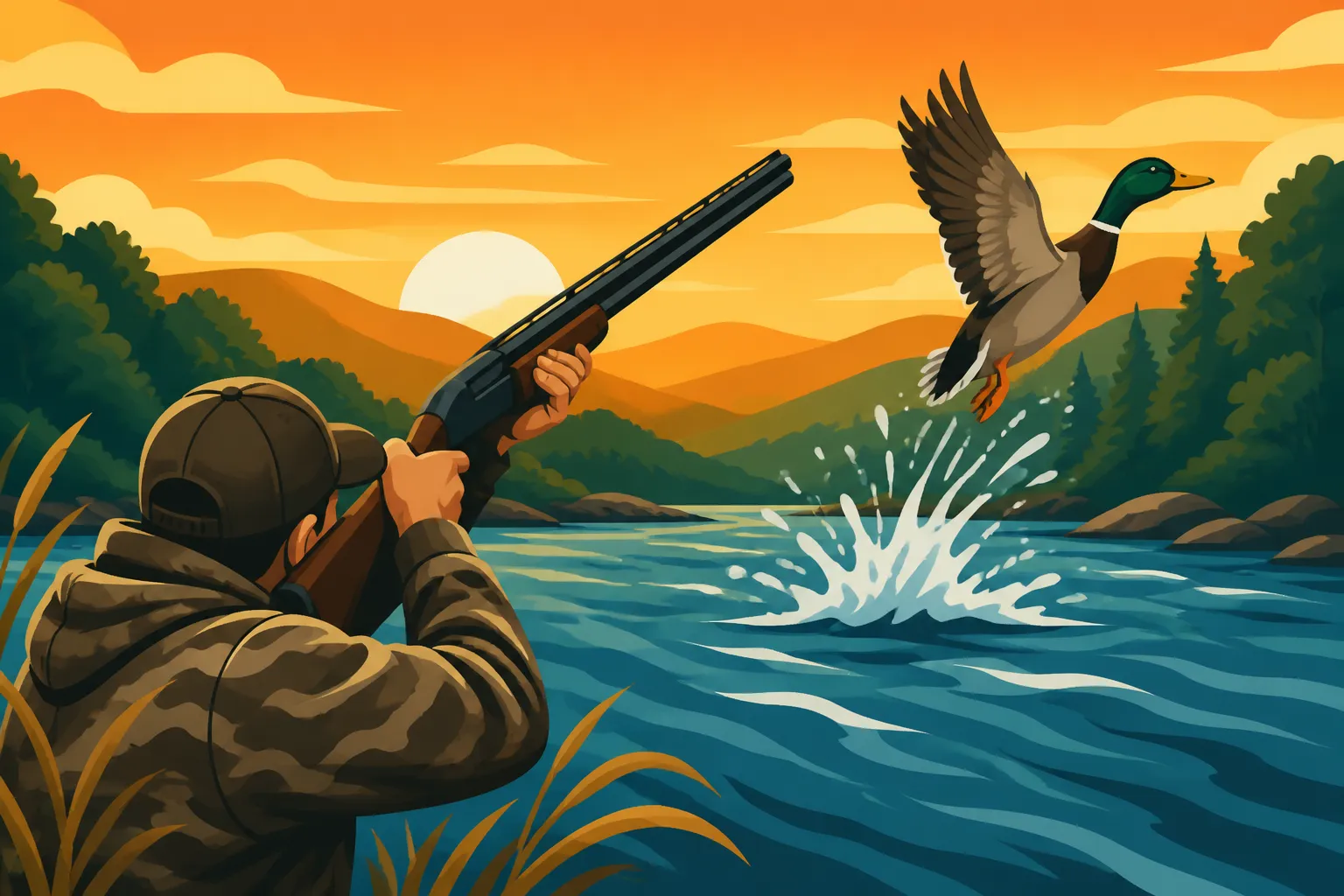
The feeling of silently paddling or walking around a bend to find a flock of mallards suddenly taking flight is an adrenaline rush that's hard to beat. It demands a different skill set, focusing on reading the water, understanding riparian habitat, and honing your stalking abilities. Plus, it's a fantastic way to experience Tennessee's natural beauty from a unique perspective. You'll see parts of the river system that few others do, and often find yourself completely alone with the wildlife. It’s a return to a more primitive, direct form of hunting that can reconnect you with the essence of the chase.
Scouting and Strategic Approach for River Ducks
Success in jump-shooting isn't just about showing up with a shotgun; it's about smart scouting and having a strategic plan. You're looking for where ducks feel safe and where they can find food or shelter. This means understanding river characteristics and how ducks use them.
Identifying Promising River Stretches
When you're trying to figure out where the ducks might be holding, think like a duck. They prefer areas with slow-moving water, protection from strong currents, and readily available food. Ideal spots often include large eddies downstream of islands, fallen trees, or tight bends. These areas create calmer water where ducks can rest and dabble without expending too much energy. Look for gravel bars, sandy banks, and shallow flats where they might be feeding on aquatic vegetation, seeds, or invertebrates. Areas with overhanging trees or thick brush along the banks also provide crucial cover from predators and harsh weather. Don't overlook the mouths of smaller creeks or drainages that feed into the main river, as these can be natural funnels for both water flow and duck activity.
Before you even launch a boat or step foot on the bank, modern mapping tools can be invaluable. Applications like GoHunt allow you to scrutinize satellite imagery, identifying potential bends, eddies, islands, and areas of dense bank cover. You can mark these waypoints for future reference. Water levels play a huge role; what's a perfect gravel bar one week could be a raging torrent the next. Keep an eye on local river gauges and forecasts. A slight drop in water levels can expose new feeding flats, while a rapid rise might push ducks into smaller, calmer side channels. Remember that while you’re thinking about Duck Migration Timing Through Tennessee, local conditions often dictate day-to-day duck behavior more than broad migration patterns for jump-shooting.
Reading the Water and Planning Your Stalk
Once you've identified a promising stretch, the real art of jump-shooting begins. This involves reading the water as you move and planning your approach. The key is to stay out of sight and maintain an element of surprise. Ducks have incredible eyesight, so using natural cover like high banks, thick vegetation, or large boulders is paramount. If you're floating in a canoe or kayak, try to stay close to one bank, using it as a shield. Always approach from a direction that allows the current to work with you, minimizing paddle strokes or noise. If you're walking, stay well back from the bank, using terrain features to mask your advance.
Wind direction is another critical factor. Ducks almost always take off into the wind to gain lift, much like an airplane. This means if you can approach with the wind at your back, they'll often fly towards you or broadside as they lift off, presenting a better shot opportunity. Approaching into the wind can cause them to flush away from you and downwind, making for a much tougher shot. Pay attention to how the light hits the water; reflections can reveal your position or make it harder to spot birds. Overcast days or early mornings/late evenings often provide the best conditions for stealth. Think about your escape route and retrieval plan too; if you shoot a bird, how will you get to it quickly before the current carries it away? This is especially important on bigger rivers.
Essential Gear and Techniques for Effective Jump-Shooting
To be successful and safe on the river, you need the right gear and a solid understanding of the techniques involved. This isn't your typical static duck blind setup.
Watercraft, Camouflage, and Shotgun Setup
For jump-shooting, a quiet, stable watercraft is often your best friend. Canoes, kayaks, or even small Jon boats with silent electric motors are ideal. The key is low profile and maneuverability. You want something that can glide silently through shallow water, hug banks, and navigate around obstacles. Make sure your boat is camouflaged, not just with paint, but also with natural vegetation if you can manage it. A simple camouflage netting draped over the bow can break up your outline effectively. If you plan to walk more than float, a good pair of waders is indispensable, particularly if you’re accessing public stretches where Waders for Flooded Cypress Hunting are a common sight, allowing you to move through shallow water and along muddy banks.
Your shotgun should be reliable and capable of handling non-toxic shot, which is required for all waterfowl hunting in Tennessee. A 12-gauge with a modified or improved cylinder choke is often preferred, allowing for a wider pattern for flushing birds at closer ranges. Carry Waterfowl Loads for Reelfoot Divers if you anticipate encountering a mix of species, but generally, #2 or #3 steel shot is a versatile choice for ducks. Don't forget your hunting license, a Tennessee Migratory Bird Certification, and a Tennessee Federal Duck Stamp Requirement. Always check the latest Tennessee Waterfowl Zones and Seasons and the specific Tennessee Duck Phase One and Phase Two Dates before you head out. A good pair of waterproof binoculars can help you spot birds from a distance without disturbing them.
Jump-Shooting Gear Checklist
| Item | Description | Importance |
|---|---|---|
| Quiet Watercraft | Canoe, kayak, or small Jon boat; camouflaged | High |
| Shotgun (12-gauge) | Reliable, capable of non-toxic shot (e.g., steel #2 or #3) | High |
| Choke Tube | Modified or Improved Cylinder for flushing shots | Medium |
| Non-Toxic Ammunition | Required for waterfowl; ensure you have enough | High |
| Waders/Waterproof Boots | Essential for walking banks and shallow water | High |
| Camouflage Clothing | Head-to-toe camo, including face mask/paint | High |
| Life Vest | Always wear one in a boat, especially in cold water | Critical |
| Emergency Kit | First aid, whistle, waterproof matches, emergency blanket | High |
| Navigation | GPS device or phone with mapping app (e.g., GoHunt offline maps) | High |
| Floating Game Retrieval | Extendable pole, dog, or reliable current recovery plan | High |
| License & Stamps | Valid Tennessee hunting license, migratory bird permit, federal duck stamp | Critical |
| Waterproof Bag/Container | For electronics, wallet, spare ammo | High |
| Binoculars | 8×42 or 10×42 for scouting from a distance | Medium |
| Calls (Optional) | A single mallard call can sometimes stop a flushing bird for a shot | Low |
Stalking, Shooting, and Retrieval
Whether you're floating or walking, the core technique is stalking. Maintain a low profile, move slowly, and listen intently. Pay attention to changes in bird behavior; if you hear sudden splashing or nervous quacks, you might be close. When you round a bend or creep over a rise and spot birds, freeze. Take a moment to assess the situation. How many birds? What direction are they facing? Where is their escape route? If they haven't seen you, you might have a few precious seconds to plan your shot.
As they flush, try to pick out a single bird and swing through it, firing as it gains altitude. Don't rush; take your time to ensure a clean shot. Often, the first birds up are the easiest targets. If you manage to drop a bird, immediately mark its location and pay close attention to where it falls. The river current can carry a downed duck quickly. This is where a good retrieval plan comes into play. If you have a dog, great! If not, an extendable retriever pole or quickly paddling to the location is essential. Always prioritize a quick and ethical recovery. Sometimes, especially when Reading a Bottomland Slough for a Morning Flight on smaller tributaries, the current might not be as strong, but always be prepared.
Safety, Regulations, and Ethical Considerations
Jump-shooting is incredibly rewarding, but it comes with unique safety and ethical considerations that are paramount on public waterways.
Navigating Public Waterways Safely
Tennessee's rivers are public highways, shared with anglers, kayakers, and other recreational users. Always be aware of your surroundings and other people. Never point your firearm at anything you don't intend to shoot, and always be absolutely certain of your target and what lies beyond it, especially on rivers where houses, roads, or other hunters might be present. Wearing your life vest at all times while in a boat is non-negotiable; cold water immersion is a real danger, even on milder days. Hypothermia is a silent killer, so dress in layers of synthetic or wool clothing, avoiding cotton entirely. Having a dry bag with extra layers, a fire starter, and a first-aid kit is just good common sense.
Be mindful of private property along the riverbanks. While the river itself might be public, the land up to the high-water mark is often private. Respect these boundaries, and never trespass to retrieve game without explicit permission. Familiarize yourself with local boat ramp locations and access points. Planning your float or walk to end at a designated public access point makes for a much smoother hunt. Before venturing out, check the local weather forecast for strong winds, thunderstorms, or sudden cold fronts, which can turn a pleasant float into a dangerous situation quickly.
Understanding Tennessee's Specific Waterfowl Regulations
Regulations can be confusing, but ignorance is no excuse. Always consult the current Tennessee Wildlife Resources Agency (TWRA) hunting guide. Key regulations to remember include:
- Non-Toxic Shot: As mentioned, Where Nontoxic Shot Is Required in Tennessee for all waterfowl hunting, so lead shot is strictly prohibited.
- Blaze Orange: While not required for waterfowl hunting in a blind, if you are walking through timber or dense cover to access the river, or if you encounter other hunters on foot, consider wearing blaze orange for safety, especially if other hunting seasons are open.
- Bag Limits: Be aware of the daily bag limits and possession limits for each species of waterfowl. These can vary by species (e.g., mallards, wood ducks, geese). The TWRA hunting guide provides detailed tables.
- Legal Hunting Hours: Waterfowl hunting is generally allowed from one-half hour before sunrise until sunset.
- Carcass Tagging: Ensure you understand any tagging or reporting requirements for your harvest. While not as stringent as for big game, it's always wise to be informed.
- CWD Zone: While not directly related to waterfowl, if you happen to be in or pass through a Tennessee's Chronic Wasting Disease Management Zone during other hunting activities, be aware of carcass transportation restrictions.
Lastly, practice good sportsmanship. If you see another hunter, give them ample space. If you witness unethical behavior or poaching, report it to the TWRA. We all share these resources, and ensuring they remain healthy and accessible for future generations is every hunter's responsibility, whether you're hunting ducks on the Tennessee River or pursuing deer while Hunting Land Between the Lakes Waterfowl.
Disclaimer
Always consult the current Tennessee Wildlife Resources Agency (TWRA) regulations before engaging in any hunting activities. Hunting laws and seasons can change, and it is the hunter's responsibility to stay informed and comply with all applicable rules and regulations. This guide is for informational purposes only and does not supersede official TWRA guidelines.