Layout Blind Hunting a Cut Cornfield
Trying to hunt waterfowl in a wide-open cut cornfield can feel like you're waving a giant neon sign that says, "Here I am!" to every duck and goose in the sky. It's frustrating when you've scouted a hot field, know the birds are piling in, but can't figure out how to disappear enough to seal the deal. This guide is all about mastering the art of layout blind hunting in those sprawling Tennessee cut cornfields, giving you the tactics and tips to turn those frustrating fly-overs into ducks and geese in the bag.
The Undeniable Advantage of Layout Blinds in Open Fields
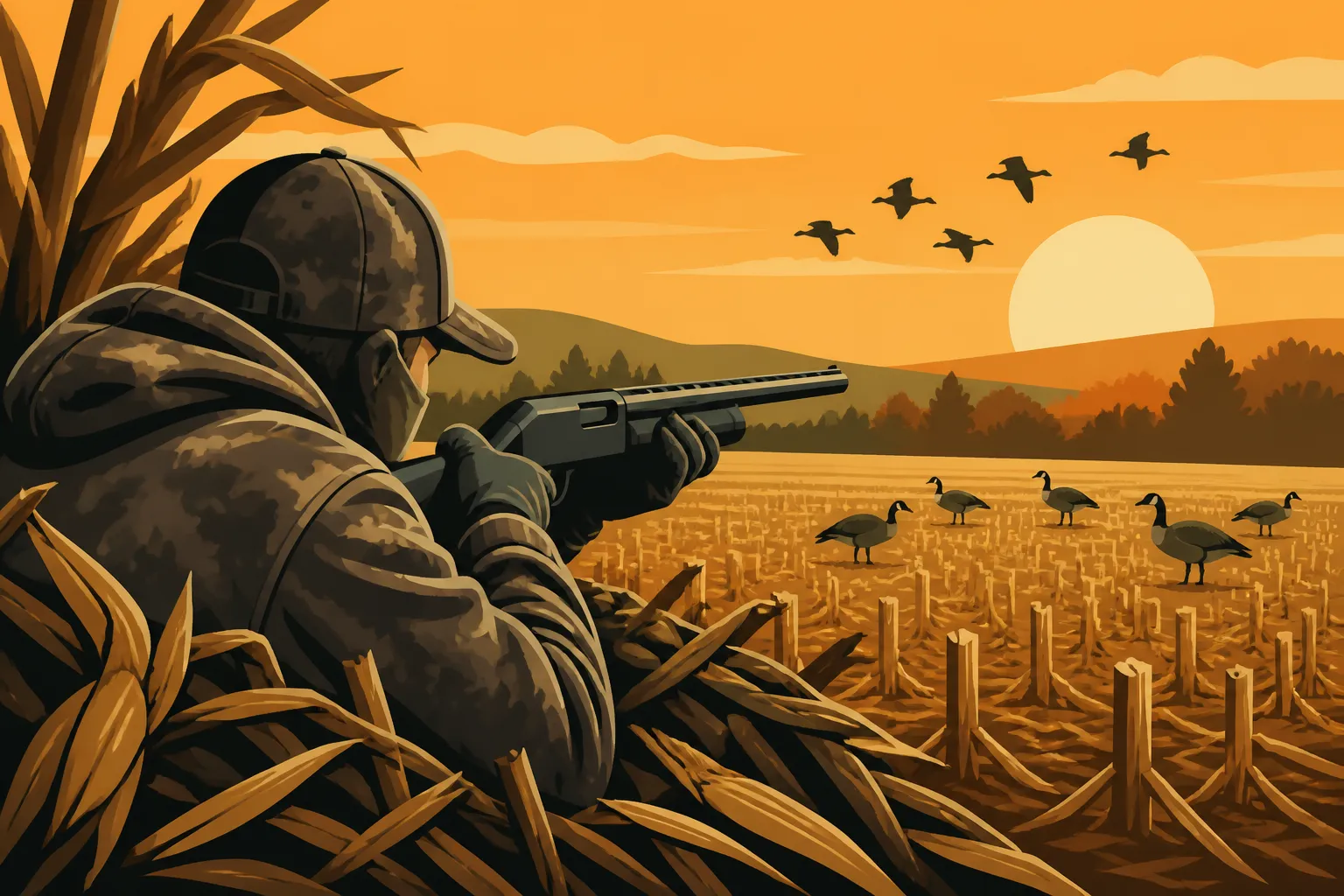
When you're dealing with vast, flat expanses like a freshly cut cornfield, traditional upright blinds or even natural cover often fail spectacularly. Waterfowl have incredible eyesight, and they've learned to spot anything that looks out of place from hundreds of feet up. That's where the layout blind truly shines; it's designed to make you vanish into the field itself.
Achieving Ultimate Concealment with a Low Profile
The genius of a layout blind lies in its low-profile design. You're lying down, essentially becoming part of the landscape, which is far less alarming to wary birds than a standing silhouette. Think about it: a duck flying high isn't looking for a human shape; it's looking for patches of unusual color or unnatural geometry. A properly brushed-in layout blind breaks up your outline completely, mimicking a subtle rise in the stubble or a pile of debris left by the combine. This is especially critical during those clear, bluebird days when birds can see everything.
A good layout blind becomes an extension of the field. You're not just hiding behind something; you're blending into it. This makes all the difference when those mallards are on their third pass, circling high, scrutinizing every detail before committing to your spread. If they spot even a hint of a human form, they're gone. Modern blinds from brands like Avery Outdoors or Final Approach are built with stubble straps and durable fabrics that take brushing in like a champ, making them ideal for the rigorous demands of field hunting.
Enhancing Comfort and Endurance During Long Waits
Let's be real, hunting waterfowl can involve a lot of waiting. Hours can pass between flights, especially when the weather is calm or birds are pressured. Trying to sit upright on a bucket in a field, exposed to the elements, quickly becomes uncomfortable, distracting, and ultimately, less effective. Layout blinds offer a surprising level of comfort that allows you to stay in the field longer and remain more focused when the action finally heats up.
Most quality layout blinds come with a padded headrest and back support, and some even have padded bottom sections. This means you're not just lying on hard, cold ground. You're reclined, protected from the wind, and often shielded from light rain or snow. This comfort is a huge advantage, particularly during the colder phases of Tennessee Waterfowl Zones and Seasons. When you're warm and comfortable, you're less likely to fidget, more likely to stay vigilant, and much more prepared to jump up and shoot effectively when a flock drops in unexpectedly. It allows you to endure those long hours when Duck Migration Timing Through Tennessee is slow, but you know the potential is there.
Scouting the Cut Cornfield for the "X" Factor
You can have the best layout blinds and the most realistic decoy spread, but if you're not in the right spot, it's all for nothing. Finding the "X" – that precise location where the birds want to be – is the most critical step in successful cut cornfield hunting. It’s not just about finding a field; it's about finding the spot within that field.
Deciphering Bird Behavior and Feeding Patterns
Ducks and geese, particularly Canada geese, are creatures of habit. They often prefer to feed in certain areas of a field due to a variety of factors. This might be where the corn was thinnest, where the combine dropped more grain, or simply a preferred landing zone due to windbreaks or proximity to water. Observing these patterns is paramount. Spend time watching fields at dawn and dusk. Drive slowly around the perimeters, or use binoculars from a discreet distance.
Look for tell-tale signs: concentrations of droppings, disturbed stubble, or even feathers. Pay attention to how birds enter and exit the field. Do they consistently land in one corner? Do they skirt a tree line? Are they using a particular low spot? These are all clues. A mobile mapping application like GoHunt can be invaluable here. Mark potential hot spots, access routes, and observe wind direction relative to these areas. This detailed scouting allows you to predict their movements and set up accordingly. This thoroughness is a common thread whether you're Hunting West Tennessee Bottomland Deer or trying to decipher where a flock of geese will land.
Identifying Key Field Features and Access Points
Cut cornfields, despite their seemingly uniform appearance, have nuances. Topography, field edges, and remnants of tree lines all play a role in how birds utilize them. Flat fields can pool water in low spots, creating temporary puddles that ducks love. Slight rises can offer geese better visibility. Field edges bordering timber or water provide cover for entry and exit.
Consider how you'll get to your "X" without spooking birds. Long, exposed walks across a field at dawn are a recipe for failure. Look for hidden ditches, fencerows, or thicker cover that provides a discreet approach. Will you need an ATV to haul your gear, or can you get close enough with a truck? Planning your entry and exit is just as important as planning your setup. Remember, discretion is your best friend when hunting pressured waterfowl, especially when hunting close to areas discussed in Hunting the Mississippi Flyway Backwaters.
Table: Common Cut Cornfield Hot Spots and Why
| Feature Type | Description | Why Birds Prefer It | Scouting Indicators |
|---|---|---|---|
| Low Spots/Depressions | Natural dips in the field where water may collect after rain or snow. | Easy access to water for drinking and preening; softer landing spot. | Visible water, muddy areas, concentrated droppings. |
| Field Edges | Areas adjacent to timber, fencerows, or roads. | Sense of security; quick escape cover; often wind-protected; easy access. | Droppings along the edge, worn paths into timber/cover, feather piles. |
| High Ground/Rises | Slightly elevated areas offering birds a commanding view of surroundings. | Better visibility for geese to spot predators or other birds. | Geese often land here first; worn stubble, less droppings (loafing). |
| Thick Stubble/Debris | Patches where corn was laid over or combines left more grain. | Abundance of residual grain; more cover for smaller ducks. | Visual evidence of heavy grain, concentrated feeding activity, droppings. |
| Wind-Protected Areas | Sides of fields sheltered by treelines, hills, or large structures. | Easier for birds to land and take off; less energy expended in flight. | Less turbulent air; birds landing/taking off with ease, facing the wind. |
Setting Up for Success: Blinds, Decoys, and Wind
Once you’ve found your "X" and understand the bird’s patterns, the setup becomes crucial. It's not just about throwing out decoys; it's about creating an illusion that's irresistible to passing waterfowl.
Strategic Blind Placement and Brushing
Your layout blind needs to disappear, and that means meticulous placement and brushing. Don't just plop it down. Position it so it blends with the natural contours of the field. If there's a slight rise or a patch of thicker stubble, use it to your advantage. Crucially, always set your blinds with the head-end facing into the wind. Birds almost always land into the wind, meaning they'll approach your spread from a direction that puts them squarely in front of your shooting position.
Brushing in is non-negotiable. Gather natural materials from the immediate area – corn stalks, dirt clods, weeds, and even some dead grass. Use the stubble straps on your blind to attach these materials, breaking up the hard lines and shadows. Don't be shy; over-brushing is always better than under-brushing. Make it look like a natural part of the field. Some hunters even throw a handful of dirt on their blinds to further mute any unnatural sheen. You're trying to create something that a sharp-eyed goose, circling at 500 feet, will simply dismiss as part of the field. Remember, even with the best blinds, they won't look invisible from above if they're not properly brushed.
Crafting an Irresistible Decoy Spread
The decoy spread is your advertisement to passing birds. It needs to look natural, inviting, and convince them that this is the place to be. For cut cornfields, you'll primarily be running duck decoys (mallards, pintails, wigeon) and goose decoys (Canada geese, snow geese). The ratio and configuration depend on what birds you're targeting most, and what you've observed in your scouting.
For ducks, a common strategy is a "J" or "U" shaped spread, with the open end of the "J" facing into the wind, providing a landing zone right in front of your blinds. Place some decoys closer to the blinds to draw attention. Motion decoys, like spinning wing ducks (e.g., Mojo Decoys) can be incredibly effective, especially on calm days, but be mindful of their use in highly pressured areas.
For geese, volume often matters. Canada goose full-body or shell decoys can be set up in family groups or in a loose feeding pattern. Again, leave a landing strip. Consider using a flagger to mimic a landing goose. A good guide on Decoy Spreads for Reelfoot Mallards can offer further insights, although field spreads differ from water setups. For Early Goose Season Tactics in Tennessee, smaller, more realistic spreads often work wonders.
Always consider the wind. Birds want to land into the wind. Your landing zone should be directly in front of your blinds, allowing them a clear, head-on approach. Place your decoys so that incoming birds have to fly over your blinds to get to the "safest" looking part of the spread. This positioning often forces them into optimal shooting range. GoHunt's mapping features can help you visualize wind direction relative to your planned spread and blinds.
Executing the Hunt: Calling, Movement, and Safety
Once the setup is done, the waiting begins. But waiting isn't passive; it's an active process of observation, calling, and preparing for the shot.
Mastering the Art of Calling and Concealment
Calling is an art, not a science, and it takes practice. For ducks, a good greeting call or comeback call can grab attention, followed by softer feed calls as they work closer. Don't overcall; let the birds tell you what they want. If they respond to a loud hail, give them another. If they shy away, go quiet or switch to softer clucks. For geese, a deep honk can grab attention, followed by clucks and moans as they come into range.
Crucially, calling needs to be paired with impeccable concealment. Any movement inside the blind when birds are working is a guaranteed bust. Lie still, even when your heart is pounding. Only rise for the shot when the birds are fully committed and within range. This takes discipline, especially when a big flock of Canada Geese on Tennessee Farmland starts setting their wings. When you need to check on working birds, use the mesh viewing ports on your blind. Slowly lift your head just enough to see, then drop it back down. Practice getting into shooting position smoothly and quickly without flailing. The less movement, the better.
Effective Shooting Lanes and Safety Protocols
Before the birds arrive, visualize your shooting lanes. Discuss with your hunting partners where everyone will shoot, and ensure you have clear arcs of fire. In a layout blind, your field of view is often limited until you sit up, so knowing your lanes is vital. Make sure no one is shooting across another hunter's line of fire. It sounds obvious, but in the heat of the moment, excitement can lead to mistakes.
Safety is paramount. Always keep your gun pointed in a safe direction, even when exiting the blind. Ensure the safety is on until you're ready to mount the gun and shoot. Communicate clearly with your partners. If a bird is crippled, call out "cripple!" so everyone knows to stay alert and follow up safely. If a bird falls out of sight, mark its location with a landmark, so you can retrieve it effectively. This attention to detail is just as important in a cut cornfield as it is when learning Tennessee Muzzleloader Season Tactics or Hunting Tennessee's Restored Elk Herd.
Disclaimer
Always check the latest Tennessee Wildlife Resources Agency (TWRA) regulations before heading afield, as rules and seasons can change. This information is for educational purposes and should not be considered a substitute for official TWRA publications or professional advice. Be aware of all local, state, and federal hunting laws.