Handling a Bear After the Shot
That heart-stopping moment when you finally get a shot off at a Tennessee black bear is just the beginning of a critical, often challenging, sequence of events. The adrenaline is pumping, but what you do next determines not only the success of your hunt but also your safety and the respectful handling of a magnificent animal. This guide will walk you through the essential steps for handling a bear after the shot, from the immediate aftermath to getting your harvest home.
Initial Steps After the Shot: Ensuring Safety and Confirming the Hit
The seconds and minutes immediately following a shot on a bear can feel like a blur, but they are absolutely crucial. Rushing in can be dangerous, while waiting too long might make recovery difficult. It's a delicate balance that requires clear thinking and adherence to a proven process.
Prioritizing Your Safety and the Bear's Condition
First and foremost, your safety and the safety of anyone with you must be the top priority. A wounded bear, especially a black bear, can be incredibly dangerous. They are powerful, resilient animals, and even a mortally wounded bear can cover significant ground and react aggressively if cornered or approached too quickly. Never assume the bear is down for good. After the shot, take a deep breath and stay put for at least 30 minutes, if not longer, especially if you suspect a marginal hit or if the bear ran out of sight quickly. This waiting period allows the bear to expire if it's fatally wounded, reducing the risk of a dangerous encounter. Use this time to calm your nerves, replay the shot in your mind, and make a mental note of the exact spot the bear was when you shot, and its direction of travel. Look for any landmarks – a unique tree, a rock, a dip in the terrain – that can help you pinpoint the location when you start tracking.
This waiting period is especially critical if you're hunting in dense cover, common throughout the Cherokee National Forest Hunting areas or the thicker sections of the Cumberland Plateau. Bears can disappear into the rhododendron thickets or heavy timber almost instantly. If you're hunting with a group, ensure everyone knows to stay put and remain quiet.
Assessing the Shot and Beginning the Tracking Process
Once you've waited a safe amount of time, you can cautiously begin to assess the shot location. Before you move, cycle another round into your chamber and be ready for a follow-up shot. Approach the area where the bear was standing when you shot, looking for any immediate signs of a hit. This could include hair, bone fragments, or blood. The color and texture of any blood found can offer vital clues about the shot placement. Bright red, frothy blood often indicates a lung hit, while darker blood with gut contents points to a gut shot. A solid understanding of Shot Placement on a Tennessee Black Bear is invaluable here, as knowing where you aimed helps you interpret the signs you find.
Mark this "point of impact" with flagging tape or a piece of bright toilet paper. Having a reliable mapping app like GoHunt can be incredibly useful here. You can drop a pin on the exact location where you last saw the bear or where you found the first sign. This helps you establish a clear starting point for your track. If you find little to no sign, it doesn't necessarily mean a miss; bears are incredibly tough, and their fur can sometimes "plug" smaller entry wounds, delaying blood trails. However, it does mean you'll need to expand your search pattern and focus on tracks, broken vegetation, and disturbed leaves.
The Crucial Tracking Phase: Following the Bear's Trail
Tracking a bear is often far more challenging than tracking a deer. Bears have an incredible ability to navigate thick cover, and their heavy bodies can leave deceptive trails. This phase demands patience, keen observation, and often, the help of friends or experienced trackers.
Interpreting Blood Trails and Sign
Following a blood trail, even a sparse one, requires meticulous attention to detail. Start slowly, marking every drop of blood, every disturbed leaf, every broken twig with flagging tape. Don't move to the next piece of sign until you've located it. If the blood trail peters out, expand your search in a circular pattern around the last known sign. Look for scuff marks from paws, turned-over leaves, and broken branches at chest height. A wounded bear will often try to find the thickest cover available, or head downhill towards water. They also have a tendency to rub against trees or thickets to dislodge arrows or reduce pain, which might leave blood or hair higher up.
Consider the terrain and the bear's likely escape route. Did it run into a dense laurel thicket? Did it head towards a steep hollow or a creek bottom? These are all natural places for a wounded animal to seek refuge. In an area like Hunting Bear Zone One in Northeast Tennessee, with its rugged topography and dense vegetation, tracking can quickly become an arduous task. If you're struggling, don't be afraid to call in additional help. Fresh eyes can often spot signs that weary eyes have missed. Remember, daylight is your friend. If dusk is approaching and the trail is cold, it's often better to back out and return at first light. This minimizes the risk of pushing a wounded bear further or losing the trail completely in the dark.
Patience and Persistence in the Pursuit
The most important virtue in bear tracking is patience. There will be times when the trail disappears completely, leading to frustration. This is where persistence and systematic searching truly pay off. If you lose the trail, go back to the last confirmed sign and re-evaluate the direction of travel. Then, try grid-searching the area ahead in small, manageable sections. Don't just look for blood; look for subtle disturbances in the forest floor, bent grass, or overturned rocks. A bear's paw print is distinctive and can be a strong indicator of its path.
Using your GoHunt map, you can mark the areas you've searched, helping you to cover ground systematically and avoid missing critical sections. This can be especially helpful in large tracts of public land. If you're tracking with a dog, be sure to understand Tennessee's regulations regarding the use of tracking dogs. While some states allow dogs for blood trailing, it's essential to know the specific rules in Tennessee to remain compliant. The goal is to recover the animal efficiently and ethically, which sometimes means taking your time, regrouping, and returning with a fresh perspective or additional resources. This dedication honors the animal and ensures a successful recovery, even when faced with the challenges of tracking through areas like those found in Hunting Bears Over Natural Mast in the Mountains.
Field Dressing and Recovery: Preparing the Bear for Transport
Once you've successfully tracked and located your bear, the next critical phase involves confirming it's expired and then preparing it for transport out of the woods. This is where physical labor and knowledge of field dressing techniques come into play.
Approaching the Bear and Confirming It's Down
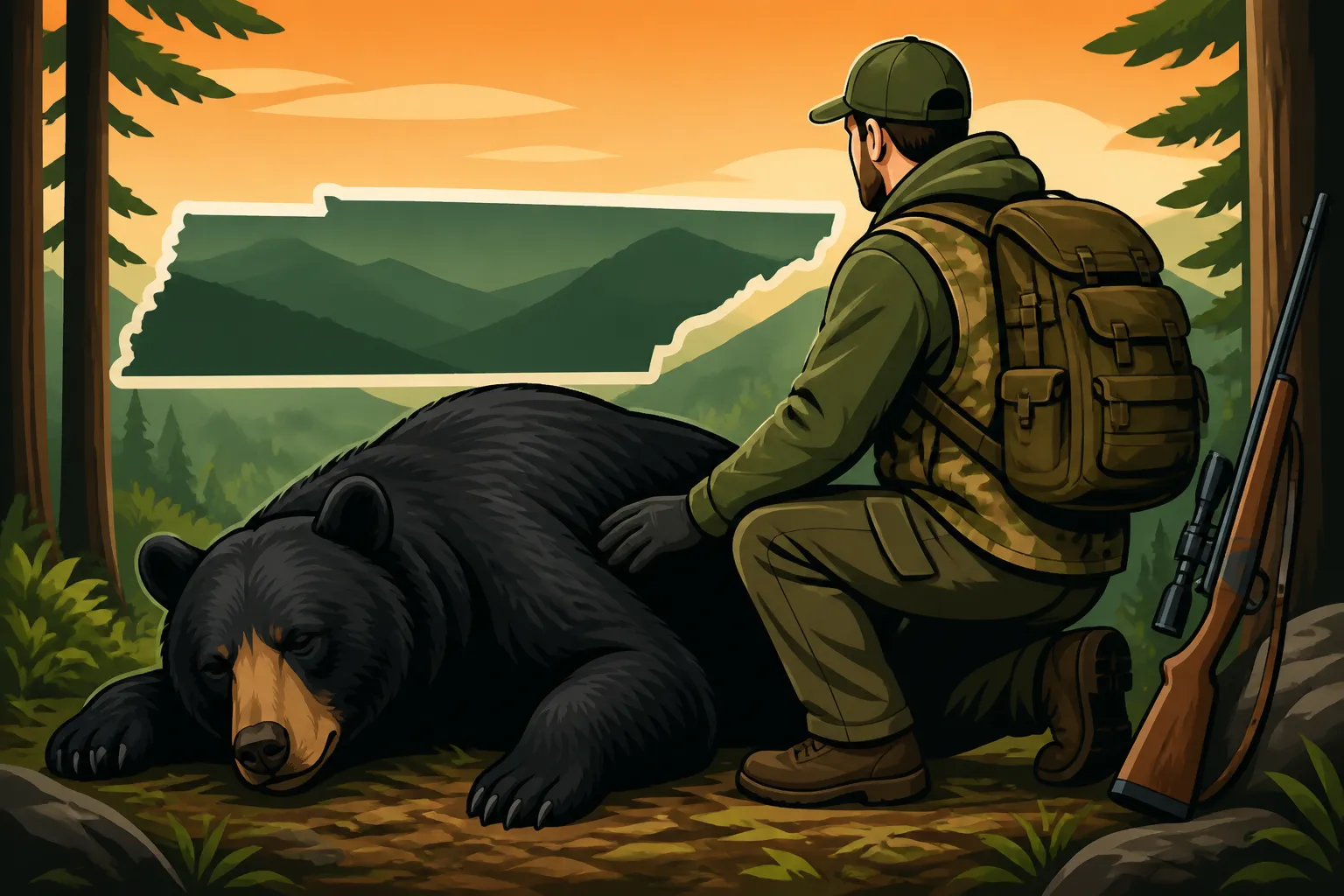
Even after a long track, approach the downed bear with extreme caution. A bear can appear lifeless but still be capable of a sudden, dangerous lunge. Circle wide and approach from behind, or from above if on a slope, always keeping an eye on its head. Poke it with a long stick or a gun barrel from a safe distance. Look for any movement, listening for breathing or growls. The eyes should be glazed over and unresponsive. Once you are absolutely certain the bear is deceased, you can approach more closely. Take a moment to appreciate the animal and the successful culmination of your hunt.
This is also the time to take any photos you wish to preserve the memory of your experience. Be mindful of ethical hunting practices and present the animal respectfully. If you plan to have a taxidermy mount, especially a rug or a full body mount, be extra careful not to damage the hide during the field dressing process.
Essential Field Dressing Techniques for Bear
Field dressing a bear is similar to other big game, but there are some important considerations due to their fat layer and internal organs. The primary goal is to cool the carcass down as quickly as possible to preserve the meat. Begin by making an incision from the sternum down to the pelvis, circling the anus. Carefully cut around the organs, removing the entrails. Pay close attention to the scent glands, especially if you plan to save the hide; many hunters try to avoid cutting into them or getting their contents on the meat. Bear fat can have a strong flavor, and removing as much as possible during field dressing and later butchering will result in better-tasting meat.
If you are a long distance from your vehicle, or if the terrain is extremely rugged, you may need to skin and quarter the bear in the field. This method, often employed during Spot-and-Stalk Tactics for Cherokee Forest Bears in remote areas, involves removing the hide and separating the bear into smaller, more manageable sections (typically the four quarters and backstraps). This significantly reduces the weight and makes packing out much easier. Make sure you have sturdy game bags, like those discussed for Coolers and Game Bags for Early Archery, to protect the meat from dirt and flies.
Transporting Your Harvest from the Woods
Getting a bear out of the woods is arguably the hardest part of the hunt. An adult black bear can weigh anywhere from 150 to over 400 pounds, and sometimes even more. Depending on the size of the bear and the difficulty of the terrain, you'll need a strategy. For smaller bears and relatively flat ground, a deer cart can work, but for anything substantial or steep, you'll need manpower. If you've quartered the bear, you can use sturdy frame packs, similar to those you'd use for Packs for a Cherokee Forest Day Hunt, to haul out the meat and hide. Each trip will be heavy, so be sure to distribute the weight evenly among your hunting party.
| Item | Purpose | Notes |
|---|---|---|
| Knife Set | Field dressing, skinning | Sharp, durable blades are essential. Pack a sharpener. |
| Game Bags | Protect meat from dirt, bugs, and debris | Breathable, synthetic bags are best. |
| Plastic Gloves | Hygiene, prevent contamination | Multiple pairs for field dressing and handling. |
| Saw (Folding) | Cutting bone for quartering (optional) | Useful for sternum, pelvis, or quartering in the field. |
| Rope/Drag Sled | Dragging smaller bears or quarters | Sleds minimize friction; rope for pulling assistance. |
| Flagging Tape | Marking blood trail, point of impact | Bright colors for visibility. |
| First Aid Kit | Addressing minor injuries | Essential for any backcountry activity. |
| Headlamp | Tracking/recovery in low light | Red light option for preserving night vision. |
| Water & Snacks | Stay hydrated and fueled | Recovery can be physically demanding. |
| Mapping App (e.g., GoHunt) | Marking locations, navigation | Essential for tracking and route planning, especially on public land. |
Remember, navigating difficult terrain with a heavy load is exhausting. Take frequent breaks, stay hydrated, and ensure everyone in the party is communicating effectively. If you're dealing with a particularly large bear or a very remote location, sometimes it's best to retrieve the quarters in multiple trips or even recruit additional help. Techniques used for Dragging a Deer Out of a Steep Hollow can be adapted, but always scale up for the sheer weight and bulk of a bear.
Legal Requirements and Meat Care: Staying Compliant and Preserving Your Harvest
Successfully recovering your bear is a huge accomplishment, but the job isn't over. There are legal requirements you must fulfill and critical steps to take to ensure the meat is properly cared for.
Checking and Reporting Your Bear in Tennessee
In Tennessee, once you've harvested a black bear, you are legally required to check it in with the Tennessee Wildlife Resources Agency (TWRA). This process is vital for wildlife management, allowing the agency to collect data on harvest numbers, locations, and other important statistics. Typically, you'll need to report your harvest online via the Go Outdoors Tennessee website or app, or through a licensed check station within a specific timeframe after the kill, usually by midnight on the day of harvest. When you check in, you'll receive a confirmation number. It's crucial to understand the specific rules for Tennessee Bear Checking Requirements, as these can vary slightly by species and zone.
You'll also need to be aware of any specific requirements for submitting biological samples, such as a tooth, which helps the TWRA determine the bear's age. This data is invaluable for managing Tennessee's bear population. If you've been hunting in a specific bear zone, like Hunting Bear Zone Three on South Cherokee, ensure you're compliant with any additional regulations pertinent to that area. Failing to properly check in your harvest can result in penalties, so always double-check the current TWRA regulations.
Proper Meat Care and Preservation
After all the effort of the hunt and recovery, the last thing you want is for the meat to spoil. Bear meat is excellent table fare, but it requires proper handling. Immediately after field dressing, focus on cooling the meat down as quickly as possible. If it's a warm early season hunt, getting the carcass or quarters on ice is paramount. For example, if you're hunting during an unseasonably warm spell in October, the principles outlined for Coolers and Game Bags for Early Archery apply even more rigorously to bear.
Cut the bear into manageable pieces, removing as much fat as possible, as bear fat can sometimes impart a strong flavor to the meat. Place the meat in clean game bags or coolers filled with ice. Ensure the meat is not sitting directly in melted ice water, which can leach flavor and potentially compromise freshness. Drain coolers regularly. If you plan to have the hide tanned or a mount created, ensure it is properly skinned, salted generously, and delivered to a taxidermist promptly. Freezing the meat in vacuum-sealed bags is the best way to preserve it long-term. Remember to mark and date everything clearly. Some hunters choose to render down certain bear fats for cooking oil, while others prefer to trim it all away. Whatever your preference, proper meat care ensures that your hard-earned harvest provides delicious meals for months to come.
Disclaimer
Please remember that hunting regulations and best practices can change. Always consult the most current Tennessee Wildlife Resources Agency (TWRA) regulations before heading into the field. This guide provides general information and should not replace official TWRA guidelines or hunter education.