Preparing for a North Cumberland Elk Hunt
Drawing a tag for a North Cumberland elk hunt in Tennessee is one of those once-in-a-lifetime opportunities that can feel both incredibly exciting and completely overwhelming. You've dreamt of this, you've applied countless times, and now that your name has been drawn, the real work begins. This isn't your typical whitetail hunt; elk demand a different level of preparation, both physically and strategically. This comprehensive guide is here to walk you through every critical step, from understanding the unique terrain to dialing in your gear and honing your hunting tactics, ensuring you're as ready as possible when that coveted season arrives.
Understanding the North Cumberland Elk Zone
The North Cumberland Wildlife Management Area (WMA) is truly a special place, a testament to Tennessee's successful elk reintroduction efforts. But it's not a uniform landscape, and understanding its nuances is the first step in preparing for your hunt. This isn't the wide-open West; this is Appalachian country, with its own set of challenges and opportunities.
Zone Boundaries and Terrain
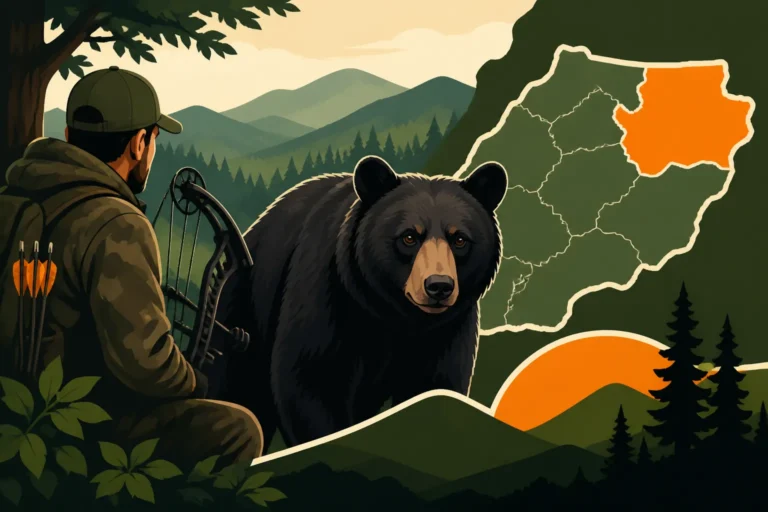
The North Cumberland Elk Restoration Zone covers over 700,000 acres across five counties: Campbell, Claiborne, Scott, Morgan, and Anderson. Within this vast area, the huntable zones are specific WMAs like Royal Blue, Sundquist, and portions of Catoosa. The terrain is a formidable mix of steep ridges, deep hollows, dense timber, and reclaimed strip mines that have been reseeded, creating open areas and varied cover. You’ll encounter elevations ranging from around 1,000 feet to over 3,000 feet, often with very abrupt changes. Expect grueling climbs and descents, often through thick brush or across rocky ground. It’s physically demanding, and the sheer scale of the landscape can be daunting if you're not used to hunting large, undeveloped public land. This isn't a place for the faint of heart or the unprepared.
Permit System and Hunt Types
Securing a North Cumberland elk permit is a rare feat, as Tennessee issues only a very limited number of tags each year – typically around 19 public land permits. These permits are allocated through a highly competitive quota hunt draw managed by the Tennessee Wildlife Resources Agency (TWRA). There are different hunt types, including archery-only and general firearms seasons, each with its own set of dates and specific regulations. Knowing the exact hunt type you drew is paramount, as it dictates your weapon choice and the overall strategy you'll employ. For example, an archery-only tag often means getting much closer, demanding even more precise stealth and calling skills, while a firearms tag might allow for longer shots across reclaimed clearings. Understanding the specific Tennessee Elk Quota Hunt Rules is absolutely crucial before you even start thinking about scouting.
Elk Behavior in the Appalachian Foothills
Tennessee's elk herd, while robust, behaves a bit differently than their counterparts in places like Colorado or Montana. They are accustomed to dense cover, and while they will utilize the reclaimed mine lands for feeding, they often retreat into the thick timber and steep draws when pressured. Their diet consists of grasses and forbs in open areas, but they also browse heavily on woody vegetation and acorns when available. Understanding when Tennessee elk bugle, their daily routines, and how they react to human presence is vital. They're not as habituated to hunters as some western herds might be, and can become quite spooky. This means your approach often needs to be more subtle, focusing on catching them during transitional periods or pinpointing their preferred bedding and feeding zones. Don't expect them to be out grazing in wide-open meadows all day, though early mornings and late evenings might offer glimpses in those areas.
Essential Gear for Your Elk Hunt
Having the right gear isn't just about comfort; it's about safety, efficiency, and increasing your odds of success in the rugged North Cumberland terrain. This isn't a backyard deer hunt where you can forget something and run back to the truck. You need to be self-sufficient and prepared for anything.
Rifle and Ammunition Choices
For a general firearms elk hunt, choosing a powerful and accurate rifle is non-negotiable. Elk are large, tough animals, and you want to ensure a clean, ethical kill. Popular calibers often include .30-06 Springfield, .300 Winchester Magnum, .308 Winchester, 7mm Remington Magnum, and even the increasingly popular 6.5 Creedmoor, though for elk, a heavier bullet in the 6.5 family is advisable. You'll want a bullet designed for large game, with good weight retention and controlled expansion. Practice, practice, practice at various distances, especially from shooting positions you might actually encounter in the mountains – off a trekking pole, sitting, or kneeling. Knowing your rifle intimately, including its limitations and capabilities, will build confidence when a shot opportunity finally presents itself. Make sure your Rifles Built for a North Cumberland Elk Hunt are sighted in perfectly and you're comfortable with the recoil and ballistics.
Optics for Long-Range Scouting
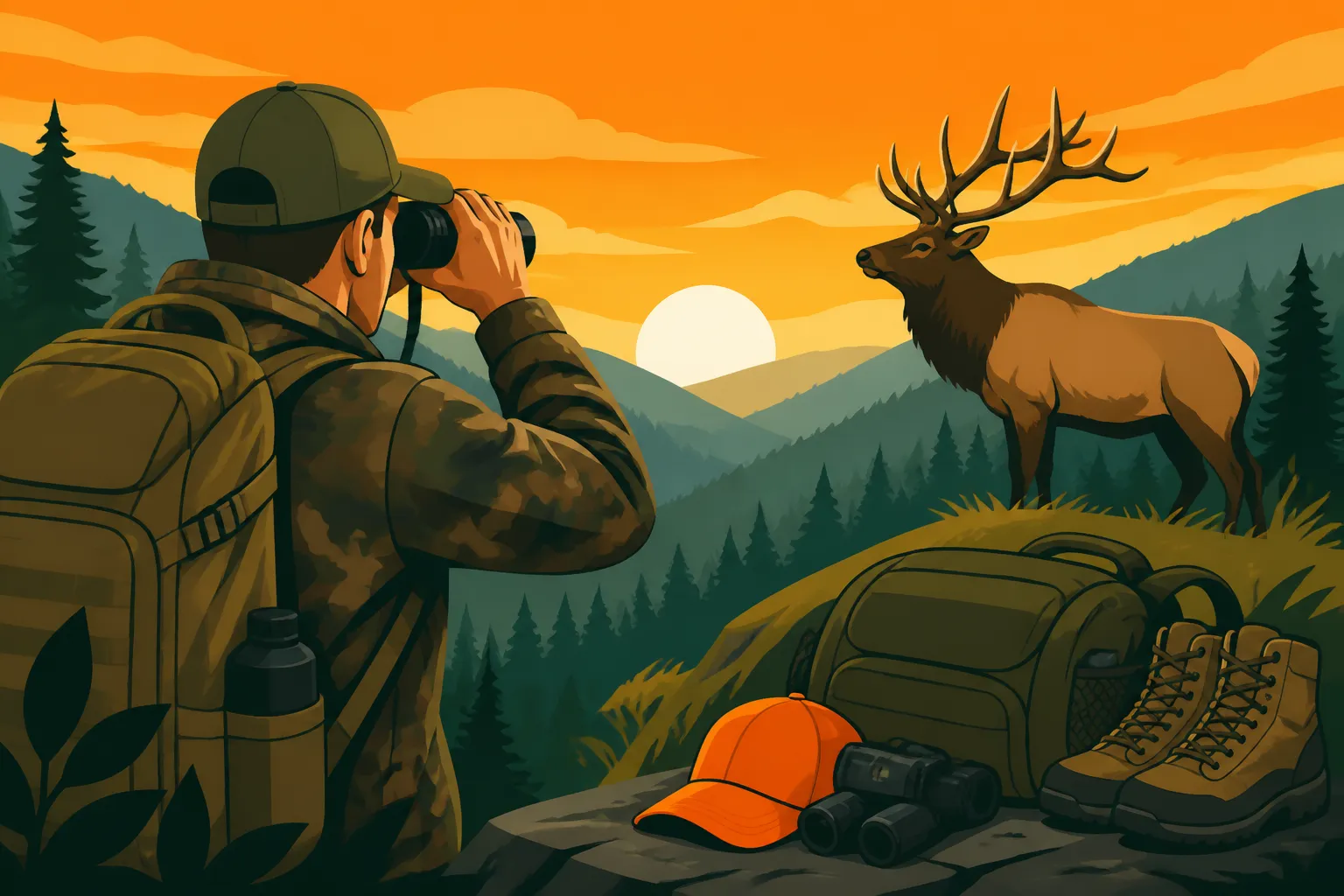
While much of the North Cumberland is timbered, there are still ample opportunities for long-range glassing, particularly over reclaimed mine lands, powerline cuts, and large clear-cuts. High-quality binoculars are essential – 10×42 or even 12×50 are good choices for spotting elk from a distance. A spotting scope (20-60x or similar) can be incredibly useful for confirming if that distant brown speck is indeed an elk, and whether it's a bull or a cow, saving you many wasted miles of walking. Don't forget a good rangefinder; judging distances in mountainous terrain can be incredibly deceptive. You'll be glad you invested in good Optics for Glassing Elk Meadows when you finally get to spend time actually looking for elk instead of wondering what's out there.
Clothing and Footwear for Mountain Terrain
The weather in the North Cumberland region can be highly unpredictable, especially during the fall elk seasons. You could start the day in a crisp frost and end it in a warm drizzle, or vice versa. Layering is key: start with a moisture-wicking base layer, add insulating layers (fleece or synthetic down), and finish with a waterproof and windproof outer shell. Avoid cotton at all costs; it holds moisture and loses its insulating properties when wet. Durability is also crucial, as you'll be busting through briars and climbing over fallen timber.
Perhaps the single most important piece of gear, however, is your footwear. Invest in high-quality, waterproof, and well-broken-in hiking boots with excellent ankle support. The terrain is unforgiving, and a twisted ankle could end your hunt prematurely. Many experienced hunters also swear by trekking poles, which can save your knees on steep descents and provide stability on uneven ground. Don't skimp on socks either; good wool or synthetic socks will help prevent blisters and keep your feet comfortable during long, arduous days afield.
Physical and Mental Preparation
This isn't just a hunt; it's an expedition into challenging terrain. Many hunters underestimate the physical demands of elk hunting in the Appalachian Mountains until they're miles deep in a hollow with a quartered elk on the ground. Don't let that be you.
Fitness Training Regimen
Think of your elk hunt as a multi-day backcountry trek with the added challenge of potentially carrying hundreds of pounds of meat out of the wilderness. Your fitness regimen should reflect this. Focus on cardiovascular endurance – running, hiking with a loaded pack, stair climbing, or incline walking on a treadmill are all excellent. Build strength, especially in your legs, core, and back. Squats, lunges, deadlifts, and farmer's carries will pay dividends. Practice hiking up and down steep hills with the pack you plan to use, progressively adding weight. Simulating the conditions you'll face is vital. If you can, spend time on trails that mimic the steepness and unevenness of the North Cumberland before your hunt. This kind of Physical and Mental Preparation isn't just about bagging an elk; it's about safely enjoying the experience and having the stamina to deal with the unexpected.
Mental Toughness and Persistence
Beyond physical strength, elk hunting demands immense mental fortitude. You will get tired. You will get discouraged. You might go days without seeing an elk, or worse, have a close encounter that doesn't pan out. The weather might turn foul, your feet might ache, and the thought of one more hill might seem unbearable. This is where persistence and a positive mindset become your most powerful tools. Be prepared for early mornings and late nights. Be willing to push through discomfort. Remind yourself why you're there. The ability to stay focused, adapt to changing conditions, and keep a clear head under pressure is just as important as your physical conditioning. Visualize success, but also mentally prepare for setbacks.
Scouting and Pre-Season Strategy
You can't just show up to North Cumberland WMA the morning of opening day and expect to find elk. Pre-season scouting, both virtually and on the ground, is critical to unraveling the puzzle of where these elusive animals might be.
Utilizing Mapping Tools and Aerial Photos
In today's hunting world, digital scouting is your secret weapon. Platforms like GoHunt, OnX Hunt, or BaseMap allow you to pore over satellite imagery, topo maps, and public land boundaries from the comfort of your home. Look for patterns: where do reclaimed mine lands meet dense timber? What are the access points for ridges and hollows? Identify potential pinch points, saddles, water sources, and areas with varied vegetation. Pay attention to contour lines for elevation changes and potential bedding areas on benches or sun-facing slopes. These tools can help you narrow down vast areas into more manageable "hunt zones" and identify potential travel corridors. You can mark waypoints for promising areas, plan your hiking routes, and even identify escape routes for elk once hunting pressure starts. Don't underestimate the power of knowing the terrain intimately before you ever set foot on it.
Identifying Key Areas and Access Points
Once you've done your digital homework, if possible, try to make a scouting trip or two before the season. Even just a couple of days on the ground can provide invaluable insights. Verify the access points you identified on maps – are roads gated? Are there signs of heavy foot traffic from other users (hikers, ATV riders, other hunters)? Look for fresh sign: tracks, rubs, wallows, and droppings. Identify key food sources that might be active during your hunt, whether it's lush new growth on reclaimed lands or acorn-producing oak stands. During these trips, focus on understanding how elk might move through the area, considering wind, thermals, and escape cover. Remember, finding where the elk were is good; understanding where they will be is better. This involves knowing How Many Elk Live in North Cumberland and their general movement patterns.
Understanding Elk Sign and Movement Patterns
Elk are creatures of habit, to a degree. Learning to interpret their sign is like reading a newspaper of their daily lives. Fresh tracks in mud, distinct rubs on saplings (much larger than deer rubs), areas where they've bedded down, and even their distinctive smell can tell you a lot. During the pre-rut or rut, you might find active wallows where bulls have rolled, creating muddy depressions in the ground. Pay close attention to transition areas – edges where timber meets open fields, or saddles between ridges. These are often high-traffic zones. Elk typically feed in the early morning and late evening, bedding down in dense cover during the day. However, pressured elk may move more during midday, staying in thicker cover. Understanding these patterns, combined with insights from Glassing a North Cumberland Elk Meadow, helps you formulate a solid hunting plan for your actual hunt dates.
Tactics for a Successful Hunt
You've done the prep, you've scouted, and now it's game time. Putting all that effort into a successful encounter means being smart about your hunting tactics on the ground.
Calling Strategies for North Cumberland Elk
Calling is often synonymous with elk hunting, and it can be incredibly effective, especially during the rut. Bugles, cow calls, and even calf calls can be used to locate elk, draw them in, or stop them for a shot. However, North Cumberland elk, like many public land animals, can be call-shy. Over-calling or unrealistic calling can send them running. Start softly, listen intently, and gauge their reaction. Sometimes, a subtle cow chirp is all it takes. Other times, a more aggressive bugle is needed to challenge a bull. Don't be afraid to experiment, but always be ready for an elk to respond silently and come in looking for the source of the sound. Remember, the goal is to sound like an elk, not a human pretending to be an elk. Getting good at Calling a North Cumberland Bull Elk takes practice and confidence.
Spot-and-Stalk vs. Ambush Hunting
The choice between spot-and-stalk and ambush hunting often depends on the terrain, the specific elk behavior you're observing, and the pressure in the area. Spot-and-stalk is a classic elk hunting method where you locate elk from a distance (often by glassing or listening for bugles), then carefully plan and execute an approach to get within shooting range. This works well in more open areas like reclaimed mine lands or large clearings. Ambush hunting, on the other hand, involves setting up in a known travel corridor, feeding area, or bedding transition zone and waiting for elk to move through. This strategy can be highly effective in dense timber or along pinch points that funnel elk movement. Often, a combination of both strategies is most successful, using spot-and-stalk to locate and then setting up an ambush if the stalk isn't ideal or the elk are moving slowly through thick cover.
Dealing with Hunting Pressure
North Cumberland WMAs, especially during the general firearms season, can see significant hunting pressure, even with the limited tags. Other hunters, ATV riders (on designated trails), and even hikers can impact elk movement. Don't let this discourage you. Instead, use it to your advantage. Pressured elk often move into the thickest, nastiest, steepest terrain that most hunters avoid. They also might become more active during midday when other hunters are taking a break. Being willing to go further, climb higher, and push into less accessible areas can pay off significantly. Early mornings and late evenings, right at legal shooting light, are often prime times to catch elk moving between bedding and feeding areas, before the main wave of activity from other hunters begins. Focus on finding ground others walk past, where the elk might feel a bit more secure.
Post-Harvest Considerations
Congratulations, you've harvested a North Cumberland elk! The excitement is immense, but the work isn't over. Proper post-harvest care is crucial to preserving your meat and fulfilling your legal obligations.
Field Dressing and Meat Care
Elk are massive animals, and getting the meat from the field to the freezer is a significant undertaking. Unless you're hunting very close to an accessible road, you'll likely need to quarter the animal in the field. This means bringing a sharp, sturdy knife, a bone saw (or being proficient in the gutless method), and plenty of game bags. Start cooling the meat as quickly as possible; remove the hide, separate the quarters, and get them elevated off the ground to allow air circulation. In Tennessee's warmer early fall, this is especially critical to prevent spoilage. Consider packing a lightweight frame pack to carry out the heavy quarters. Don't forget that if your hunt is in a CWD-positive county (check TWRA regulations), there might be specific Carcass Deboning Requirements before leaving the zone.
Reporting and CWD Testing
Once your elk is harvested, you are legally obligated to report it to the TWRA. This is typically done through the Go Outdoors Tennessee website or app. Be prepared to provide details about the harvest location and the animal itself. Additionally, due to the presence of Chronic Wasting Disease (CWD) in parts of Tennessee, you may be required or strongly encouraged to submit your elk for CWD testing, especially if harvested within the CWD management zone. The TWRA has designated CWD sampling stations, and participating in testing helps monitor the health of the herd. Familiarize yourself with the Tennessee Deer Harvest Reporting Rules and any specific elk reporting or testing protocols before your hunt, so you're not scrambling after the shot. It's a vital part of responsible hunting and conservation.
North Cumberland Elk Hunt Gear Checklist
| Category | Essential Items | Notes |
|---|---|---|
| Weapon System | Rifle (or Bow/Crossbow) & Ammunition | Caliber appropriate for elk (e.g., .30-06, .300 Win Mag); practice at varying ranges. Broadheads for archery. |
| Scope & Mounts | Reliable, low-light capable scope. | |
| Optics | Binoculars (10×42 or 12×50) | High-quality for spotting at distance. |
| Spotting Scope (optional but recommended) | For confirming animals at very long range. | |
| Rangefinder | Crucial for accurate shot placement in varied terrain. | |
| Navigation | GPS Unit or Phone App (OnX Hunt, GoHunt) | Pre-downloaded maps for offline use. |
| Compass & Physical Map (backup) | Don't rely solely on electronics. | |
| Clothing | Layering System (Base, Mid, Outer) | Moisture-wicking base, insulating mid-layers (fleece/synthetic), waterproof/windproof outer shell. |
| Insulated Hat & Gloves | For cold mornings/evenings. | |
| Blaze Orange/Pink (if required) | Check regulations for specific season requirements. | |
| Footwear | Sturdy, Waterproof Hiking Boots | Well-broken-in, good ankle support. |
| Quality Wool/Synthetic Socks (multiple pairs) | Crucial for preventing blisters and comfort. | |
| Backpack & Carry | Durable Backpack (30-60L day pack or larger) | Adequate for gear, water, food, and potentially meat if deboned. |
| Frame Pack (for meat extraction) | If quartering in the field, this is essential. | |
| Game Bags | Breathable, multiple sizes for quarters, backstraps, tenderloins. | |
| Field Care | Sharp Knife(s) & Sharpener | Heavy-duty, fixed blade recommended. |
| Bone Saw / Gutting Tool | For breaking down large animals. | |
| First Aid Kit | Essential for cuts, scrapes, blisters, and emergencies. | |
| Headlamp/Flashlight | With extra batteries. For early mornings and late-night pack-outs. | |
| Miscellaneous | Water Filtration/Purification | You'll need a lot of water. |
| High-Energy Snacks | Enough for several days. | |
| Elk Calls (Bugle, Cow, Calf) | Practice with them beforehand. | |
| Treestand/Ground Blind (optional) | If utilizing ambush tactics; check WMA rules for specific setups. | |
| Trekking Poles | Highly recommended for steep terrain and heavy loads. | |
| Whistle/Signaling Device | For emergencies. | |
| Hunter Education Card & Licenses | Proof of Tennessee Hunting Licenses and What They Cost and permits. |
Disclaimer
Hunting is an inherently dangerous activity. This guide is for informational purposes only and does not substitute for thorough personal preparation, adherence to all Tennessee Wildlife Resources Agency (TWRA) regulations, and professional safety training. Always prioritize safety, respect wildlife, and know your limits. Regulations can change, so always check the latest TWRA hunting guide before heading afield.