Best Shotgun Gauge for Tennessee Squirrel
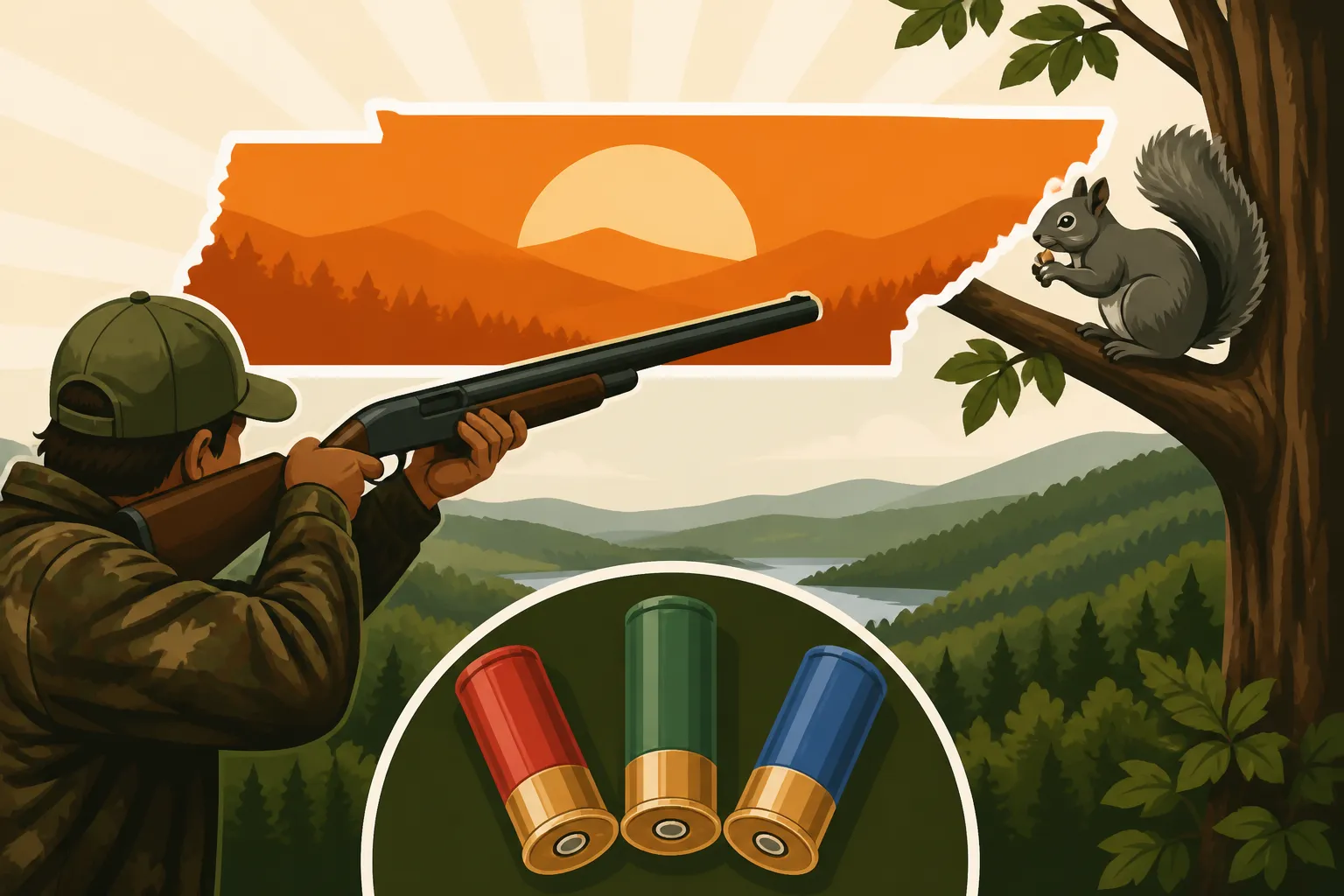
Oh, the age-old question that gets many a Tennessee squirrel hunter scratching their head! You're standing there in the sporting goods aisle, looking at all those shotgun shells, and you start wondering if you've got the right tool for chasing those bushy-tailed rascals through the hardwoods. It’s a genuine concern, because while squirrel hunting might seem simple on the surface, choosing the best gauge for your shotgun can truly make or break your day in the woods – impacting everything from your success rate to how much meat you actually take home. This guide is here to cut through the confusion and help you confidently pick the perfect shotgun gauge for your next Tennessee squirrel hunt.
Understanding the Squirrel Hunter's Dilemma
Before we dive into the nitty-gritty of gauges, let's talk about what makes squirrel hunting in Tennessee so uniquely challenging and rewarding. It’s not just about pointing and shooting; it’s about understanding the animal, the environment, and the tools at your disposal.
The Elusive Nature of Tennessee Squirrels
Tennessee is blessed with a healthy population of both gray squirrels and fox squirrels. Gray squirrels are typically smaller, more agile, and often found in dense timber, scampering up and down trees with incredible speed. Fox squirrels, on the other hand, are larger, often a bit more deliberate in their movements, and tend to frequent more open woods or field edges, sometimes even spending time on the ground.
These bushy-tailed acrobats live in a variety of habitats, from the sprawling oak and hickory ridges of the Cumberland Plateau to the dense bottomland hardwoods of West Tennessee. They're constantly on the move, especially during feeding times, presenting targets that range from a perfectly still, broadside shot against a tree trunk to a full-speed dash across a limb high above. Their small size and lightning-fast reflexes mean that your window for a clean, ethical shot can be incredibly brief. Missing by just a hair can mean a wounded animal or a clean miss entirely, leaving you frustrated and the squirrel unharmed. This elusiveness is precisely why your choice of shotgun, and especially its gauge, matters so much.
Balancing Power, Pellet Count, and Recoil
When you’re weighing shotgun gauges for squirrels, you’re really balancing a few key factors:
- Power: How much energy does each pellet carry? Enough to cleanly dispatch a squirrel, but not so much that it obliterates the meat.
- Pellet Count: How many pellets are in a typical shell of that gauge? More pellets mean a denser pattern, which can be more forgiving for quick, moving targets, increasing your chances of a hit.
- Recoil: How much kick does the shotgun deliver? Less recoil is easier on the shoulder, allows for quicker follow-up shots, and is generally more comfortable, especially for younger or less experienced hunters, or if you're planning on shooting a lot.
The trick is finding the sweet spot where you have enough power and pellet count to make clean kills without unnecessary recoil or excessive meat damage. It's a trade-off, and what works best for one hunter might not be ideal for another. You also need to consider your chosen shot size, as that dramatically impacts pellet count within any given gauge. We'll dive into that more later, but for now, just know that a bigger gauge typically means more powder, more shot, and therefore, more pellets and more recoil.
Breaking Down the Popular Shotgun Gauges for Squirrels
Let's get down to the brass tacks and look at the gauges most commonly used, and debated, by squirrel hunters in Tennessee. Each has its loyal followers and its specific advantages and disadvantages.
The Ubiquitous 12 Gauge: Power and Versatility
Ah, the 12 gauge. It's the king of versatility, found in almost every hunting camp and gun safe across Tennessee. For squirrel hunting, it brings a lot to the table, and for some, it's the only option they'd consider.
Pros:
- Widely Available Ammunition: This is a huge one. Walk into almost any hardware store or sporting goods shop in Tennessee, and you’ll find a wide array of 12-gauge shells. You can pick your shot size, your load, and your brand with ease. You won't be scrambling to find a box of shells before opening day.
- Ample Knockdown Power: With a 12 gauge, you're rarely going to question if you have enough power for a squirrel. The sheer kinetic energy of the pellets is usually more than sufficient for a clean kill, even on a larger fox squirrel.
- High Pellet Count: A standard 12-gauge shell, especially with smaller shot sizes like #6 or #7.5, carries a significant payload of pellets. This creates a very dense pattern, which can be incredibly forgiving when a squirrel is zipping through the branches or you're taking a shot at a slightly longer range. It increases your chances of connecting with enough pellets for a clean kill.
Cons:
- Heavier Recoil: There’s no sugarcoating it; a 12 gauge kicks. While it might not bother seasoned hunters, repeated shots can take a toll, especially during a long day in the woods. For new hunters or youth, it can quickly lead to developing a flinch, which is the last thing you want.
- Can Be Overkill/Damaging to Meat: This is the primary complaint from many squirrel hunters. The abundant power and pellet count can sometimes do too much damage to the small squirrel, especially at close range. If you’re not careful with your shot placement or choice of choke, you can end up with a lot of lead fragments and ruined meat, which defeats the purpose of harvesting game for the table.
Scenarios Where it Shines:
The 12 gauge is a solid choice for hunters who anticipate longer shots, perhaps in more open timber or where squirrels might be higher in the canopy. It's also great for running shots when a dense pattern can make the difference between a hit and a miss. If you're primarily a deer or turkey hunter and only own a 12 gauge, it'll certainly get the job done for squirrels.
The Nimble 20 Gauge: A Sweet Spot for Many
For a large contingent of dedicated squirrel hunters, the 20 gauge is the undeniable champion. It’s often considered the "just right" option, offering a fantastic balance of attributes.
Pros:
- Lighter and Less Recoil: This is where the 20 gauge truly shines. It’s noticeably lighter to carry through the woods all day, whether you're still-hunting up and down Cumberland Plateau Ridgelines or stalking through creek bottoms. The reduced recoil is a game-changer, making it much more pleasant to shoot, particularly for youth or smaller-framed hunters. This comfort often translates to better accuracy and more enjoyment in the field.
- Good Power and Pellet Count: Don't let the smaller size fool you; a 20 gauge still delivers plenty of punch for squirrels. A standard shell loaded with #6 shot provides an excellent balance of pellet count and energy for clean, ethical kills. You get a respectable pattern density without feeling like you're over-gunned.
- Ideal All-Arounder: Many hunters find the 20 gauge to be the perfect compromise. It's forgiving enough for reasonable ranges but doesn't feel like overkill for close-up shots. It’s a joy to carry, quick to shoulder, and a pleasure to shoot.
Cons:
- Slightly Less Forgiving on Marginal Shots: While still excellent, a 20 gauge pattern isn't quite as dense as a 12 gauge. This means that if you're prone to making longer shots or hurried running shots, you might have a slightly smaller margin for error compared to its bigger cousin. However, with good shot placement and practice, this is rarely an issue.
Scenarios Where it Shines:
The 20 gauge is fantastic for nearly all Tennessee squirrel hunting scenarios. It’s particularly well-suited for active hunters who cover a lot of ground, for youth hunters learning the ropes, or anyone looking for a more comfortable and enjoyable shooting experience. If you’re regularly Squirrel Hunting a Tennessee Oak Ridge or in relatively thick cover where shots are typically 35 yards and under, the 20 gauge is tough to beat.
The Classic .410 Bore: Lightweight and Challenging
The .410 is a bit of a niche choice for squirrel hunting, often revered by purists or those looking for an extra challenge. It’s undoubtedly lightweight and boasts minimal recoil.
Pros:
- Very Light and Minimal Recoil: If you're looking for the absolute lightest shotgun to carry or the least amount of kick, the .410 is it. It's often the go-to for very young hunters due to its manageable nature.
- Excellent for Teaching New Hunters (with caveats): The low recoil is great for introducing kids to shooting, but the extremely tight pattern and low pellet count mean they must be taught precise shooting and range estimation.
- Personal Challenge: For experienced hunters who want to hone their skills and truly test their marksmanship, the .410 provides an exhilarating challenge. Every clean kill feels earned.
Cons:
- Very Limited Pellet Count: This is the .410's Achilles' heel. A typical .410 shell has significantly fewer pellets than a 20 or 12 gauge. This translates to an extremely sparse pattern, meaning your window for a clean hit is tiny.
- Requires Extreme Precision: Because of the low pellet count, you essentially have to treat the .410 almost like a rifle when shooting at squirrels. You need dead-on aim, and even a slight misjudgment of range or lead can result in a clean miss or, worse, a wounded animal.
- Not Forgiving: If you're prone to hurried shots or less-than-perfect aim, the .410 will quickly expose those weaknesses. It’s not a gauge you can just "spray and pray" with; it demands discipline.
Scenarios Where it Shines:
The .410 is best reserved for close-range shots (under 25 yards), stationary targets, and experienced hunters who embrace the challenge of precise shooting. It's also a viable option for young hunters under close supervision, provided they understand its limitations and prioritize shot placement. It's a fantastic gauge if you're sitting patiently, waiting for that perfect broadside shot.
The Underestimated 16 Gauge: A Niche Favorite
The 16 gauge is often called the "gentleman's gauge," and it has a devoted following among those who appreciate its unique qualities. It’s not as common as the 12 or 20, but it offers a distinct set of advantages.
Pros:
- "The Shot String of a 12 and the Recoil of a 20": This old adage perfectly sums up the 16 gauge. It typically pushes a shot payload closer to that of a 12 gauge (often 1 1/8 oz in common loads) but does so with felt recoil closer to a 20 gauge. This means a denser pattern than a 20, but with a more comfortable shooting experience than a 12.
- Great Balance: Many hunters find it to be an incredibly well-balanced firearm, often built on a 20-gauge frame but with a larger bore, making it feel lively in the hands.
Cons:
- Ammunition Availability and Cost: This is the primary hurdle for 16-gauge enthusiasts. While shells are still produced, they are nowhere near as common or affordable as 12 or 20 gauge. You might have to special order ammo or search multiple stores, which can be a hassle.
- Fewer Gun Options: Modern shotguns are predominantly 12 or 20 gauge, so finding a new 16-gauge shotgun can be a challenge. Most 16 gauges you encounter will be classic or vintage firearms.
Scenarios Where it Shines:
If you already own a 16 gauge, or you're a purist who enjoys classic firearms and don't mind the extra effort to source ammunition, it's an excellent choice for squirrel hunting. It offers a superb compromise for those who appreciate its unique handling and performance.
Key Factors in Choosing Your Squirrel Shotgun
Beyond the gauge itself, several other personal and environmental factors play a huge role in what will truly be the "best" shotgun for you when chasing squirrels in Tennessee.
Your Hunting Style and Terrain
Think about how you typically hunt squirrels. Are you a still-hunter, slowly easing through the woods, stopping often to scan the trees? Or do you prefer to sit patiently by a den tree or a productive oak, waiting for the squirrels to come to you?
- Still-Hunting: If you’re constantly on the move, covering significant ground in areas like Finding Ground Others Walk Past or exploring the vastness of Cherokee National Forest Hunting, a lighter gun (like a 20 gauge) will be a blessing by the end of the day. You’ll be shouldering and swinging it more often, and less weight means less fatigue.
- Sitting: If your style is more sedentary, perhaps sitting quietly at the base of a mast-producing oak or near a cornfield edge in West Tennessee, a slightly heavier 12 gauge might not be as much of a burden. You have more time to set up your shot, and the extra power might be appealing for squirrels venturing out into open fields.
- Thick Cover vs. Open Hardwoods: In dense river bottom thickets or areas with heavy undergrowth, shots are typically closer. A 20 gauge with a more open choke might be perfect. In more open, mature hardwoods where squirrels can be seen at greater distances, a 12 gauge might offer a bit more reach, provided you pick your shots to avoid meat damage. When I’m scouting new public land for potential squirrel hotspots or checking property lines, an app like GoHunt can provide invaluable aerial imagery and topographical maps, helping me anticipate shot distances and terrain.
Hunter Experience and Physicality
This is often overlooked but is absolutely critical.
- New Hunters and Youth: For someone just starting out, especially a youngster, minimizing recoil is paramount. A bad experience with a heavy-recoiling gun can lead to a lifelong aversion to shooting. A 20 gauge or even a .410 (under careful supervision for precise shooting) is a much better choice to build confidence and good habits. The Tennessee Hunter Education Requirements emphasize safety, but comfort in shooting is also key to enjoyment.
- Recoil Sensitivity: Some adults are simply more sensitive to recoil. There's no shame in admitting it! If you find yourself flinching or dreading the shot with a 12 gauge, dropping down to a 20 gauge will significantly improve your accuracy and overall experience.
- Physicality: Consider how far you'll be walking and your strength. A heavy 12-gauge shotgun can feel like a lead pipe after a few miles of climbing ridges. A lighter 20 gauge can make a huge difference in your endurance and enjoyment.
Ammunition Availability and Cost
While not directly about the gauge's performance, practicality matters.
- Consistent Supply: As mentioned with the 16 gauge, if you can't consistently find your preferred ammunition, it's not a practical choice for regular hunting. The last thing you want is to be scrambling for shells the night before Tennessee Squirrel Season Dates opens.
- Cost: 12 and 20 gauge ammunition is generally the most affordable. While individual boxes might not seem like much, if you shoot a lot (and you should, for practice!), the costs can add up. Factor this into your decision.
Choke Selection for Optimal Patterns
Once you've settled on a gauge, your choke selection is the next most important factor. The choke constricts the end of your barrel, controlling how tightly your shot pattern holds together.
- Improved Cylinder (IC): Provides a wider, more open pattern. Excellent for close-range shots (under 25 yards) where squirrels might be moving quickly, minimizing meat damage at these distances.
- Modified (MOD): A good all-around choke, offering a balance between spread and density. This is a fantastic choice if you're unsure of your typical shot distances or expect a mix of close and medium-range opportunities. It’s often ideal for shots out to 35-40 yards.
- Full (FULL): Delivers the tightest pattern, ideal for longer shots. If you anticipate squirrels being high in tall trees or further out in open woods, a full choke can give you the reach you need. However, use it with caution at close ranges, as it can significantly damage meat.
Patterning Your Shotgun: This is perhaps the single most important thing you can do once you've chosen your gauge and choke. Take your shotgun and several different types of ammunition (various shot sizes and brands) to the range. Shoot at large paper targets at typical squirrel hunting distances (20, 30, 40 yards). See how dense and consistent your patterns are. You might be surprised at how different loads perform in your specific gun. This practice reveals what truly works best for your setup.
Making Your Final Decision: It's More Than Just Gauge
Ultimately, the "best" shotgun gauge for Tennessee squirrels isn't a one-size-fits-all answer. It's a highly personal decision influenced by your individual circumstances, preferences, and ethical considerations.
The Importance of Shot Size
Beyond the gauge, the actual size of the shot pellets in your shell is critical. For squirrels, the most common and effective shot sizes are #4, #5, #6, and #7.5.
- #4 Shot: Larger pellets, fewer per shell. Good penetration, but a very sparse pattern. Can be overkill for squirrels and cause significant meat damage. Rarely recommended.
- #5 Shot: A good compromise, offering decent penetration and a moderate pellet count. Some hunters swear by it for fox squirrels.
- #6 Shot: Widely considered the gold standard for squirrel hunting. Provides an excellent balance of pellet count and individual pellet energy for clean kills without excessive meat damage, especially with a proper choke. If you're Reading Cuttings Under an Oak and anticipating those medium-range shots, #6 is your friend.
- #7.5 Shot: Smaller pellets, many more per shell. Creates a very dense pattern, great for close-range shots and increasing the chance of a hit. However, individual pellets have less energy and penetration. Best used with a more open choke at closer ranges, or in a 12 gauge to maximize pellet count and spread.
The key is balancing penetration (to reach vital organs) with pellet count (to ensure multiple hits for a clean kill). Too large, and you have gaping holes and missed opportunities. Too small, and you might wound without cleanly dispatching. Shot Size for Squirrel and Rabbit delve deeper into this.
Practice, Practice, Practice
No matter which gauge you choose, it will be ineffective without practice. Familiarity with your firearm, understanding its point of impact, and developing a smooth swing are far more important than a slight difference in bore diameter. Spend time at the range, not just shooting at static targets, but practicing shouldering your gun quickly, swinging through imaginary targets, and even simulating shots at various angles. Clay pigeons are fantastic for this; they simulate moving targets and help you master lead and follow-through.
Respecting the Game and Ethical Harvesting
This is the bottom line for any hunter. Our responsibility is to make clean, ethical kills and utilize the game we harvest.
- Minimize Wasted Meat: Over-gunning a squirrel at close range with too much power or too tight a choke can turn it into a mangled mess. Choosing a gauge, choke, and shot size that delivers a clean kill without destroying the meat is part of being a responsible hunter. Remember, squirrels are delicious table fare! This aligns with the discussion around Best-Eating Game in Tennessee.
- Ensuring Clean Kills: Conversely, under-gunning (like trying to stretch the .410 past its effective range) or using too fine a shot can lead to wounded animals that escape, which is unethical and frustrating.
Take the time to consider your personal style, the terrain you hunt in, your experience level, and your commitment to ethical hunting. For many, the 20 gauge hits that sweet spot perfectly, offering a great balance. But a 12 gauge, used thoughtfully, is still a powerhouse, and the .410 offers a unique challenge. Whichever you choose, ensure you pattern your gun and practice diligently. Happy hunting in the Tennessee woods!
Disclaimer
This article is for general informational purposes only and does not constitute professional advice. Laws, prices and regulations vary by location and change over time. Consult a qualified professional for guidance on your specific situation.