Coolers and Game Bags for Early Archery
There's nothing quite like the excitement of Tennessee's early archery season, stepping into the woods as summer reluctantly gives way to fall. But let's be real, that early season heat can be a killer for your venison if you're not prepared. The last thing any ethical hunter wants is to see their hard-earned meat spoil. This guide is all about equipping you with the knowledge and gear—specifically coolers and game bags—to ensure every ounce of that delicious deer makes it from the field to your freezer, no matter how high the mercury climbs.
The Early Archery Heat Challenge in Tennessee
Tennessee's early archery season often kicks off when temperatures are still holding onto that late summer warmth. Think about those sweaty walks to the stand, the humid mornings, and the sun beating down by midday. These aren't just uncomfortable conditions for you; they're prime conditions for bacterial growth on freshly harvested venison, and that's a problem we absolutely need to address head-on.
Why Heat is the Enemy of Venison
Imagine a warm, moist environment – that's a petri dish for bacteria. When a deer is harvested, its internal body temperature is still elevated. If that carcass isn't cooled down rapidly, bacteria on the hide and in the gut cavity can quickly multiply, leading to spoilage. This isn't just about a bad taste; it's about making the meat inedible and wasting the animal. In the rolling hills of Middle Tennessee or the dense bottomlands of West Tennessee, where humidity can hang thick in the air, the cooling process becomes even more challenging. The heat means you're not just up against the clock, you're in a full-blown sprint.
The risks aren't just theoretical. I've heard too many heartbreaking stories from fellow hunters who thought they had enough time, only to discover a sour smell or green tinge when they finally got their deer processed. It's a gut punch, literally and figuratively, to lose meat this way. Understanding these risks is the first step in mitigating them. It forces us to be proactive, to plan ahead, and to treat that animal with the utmost respect by ensuring its meat is preserved.
The Race Against the Clock
From the moment an arrow finds its mark, the clock starts ticking. The goal is to get that deer field-dressed and cooling as quickly as humanly possible. For many hunters, especially those chasing big woods deer on public land like the Cherokee National Forest, this means a significant pack-out, often over uneven terrain. Every minute spent dragging a whole deer through the woods in 80-degree weather is a minute too long for the meat quality.
This urgency intensifies when you consider public land constraints or the sheer distance to your vehicle. If you're Dragging a Deer Out of a Steep Hollow, you're working against physics and the clock. Knowing your terrain, potential retrieval routes, and having a solid plan before you ever climb into your stand can make all the difference. This preparation isn't just about bagging a deer; it's about respecting the animal and ensuring the meat doesn't go to waste. You might need to adjust your hunting strategy, perhaps targeting areas closer to access points, just to facilitate a quicker extraction and better meat care.
Essential Gear: Coolers for Immediate Meat Care
Once your deer is down and field-dressed, your cooler is the frontline defense against spoilage. It's not just a box to toss ice in; it's a critical component of your meat care system. Investing in a good cooler and knowing how to properly use it can save your hunt, and your dinner plans.
Choosing the Right Cooler for Tennessee Hunts
When it comes to coolers, you generally get what you pay for. For early archery season, those cheap, thin-walled coolers might be okay for a few sodas, but they are absolutely insufficient for precious venison. You need something that can hold ice for days, even in warm temperatures.
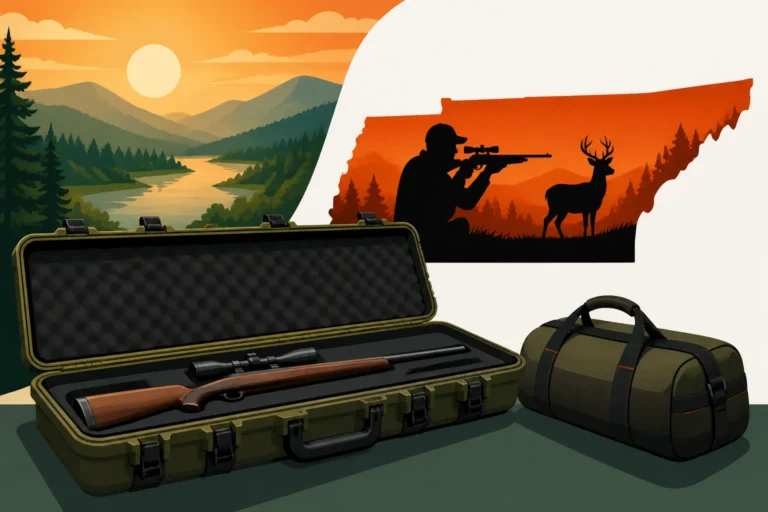
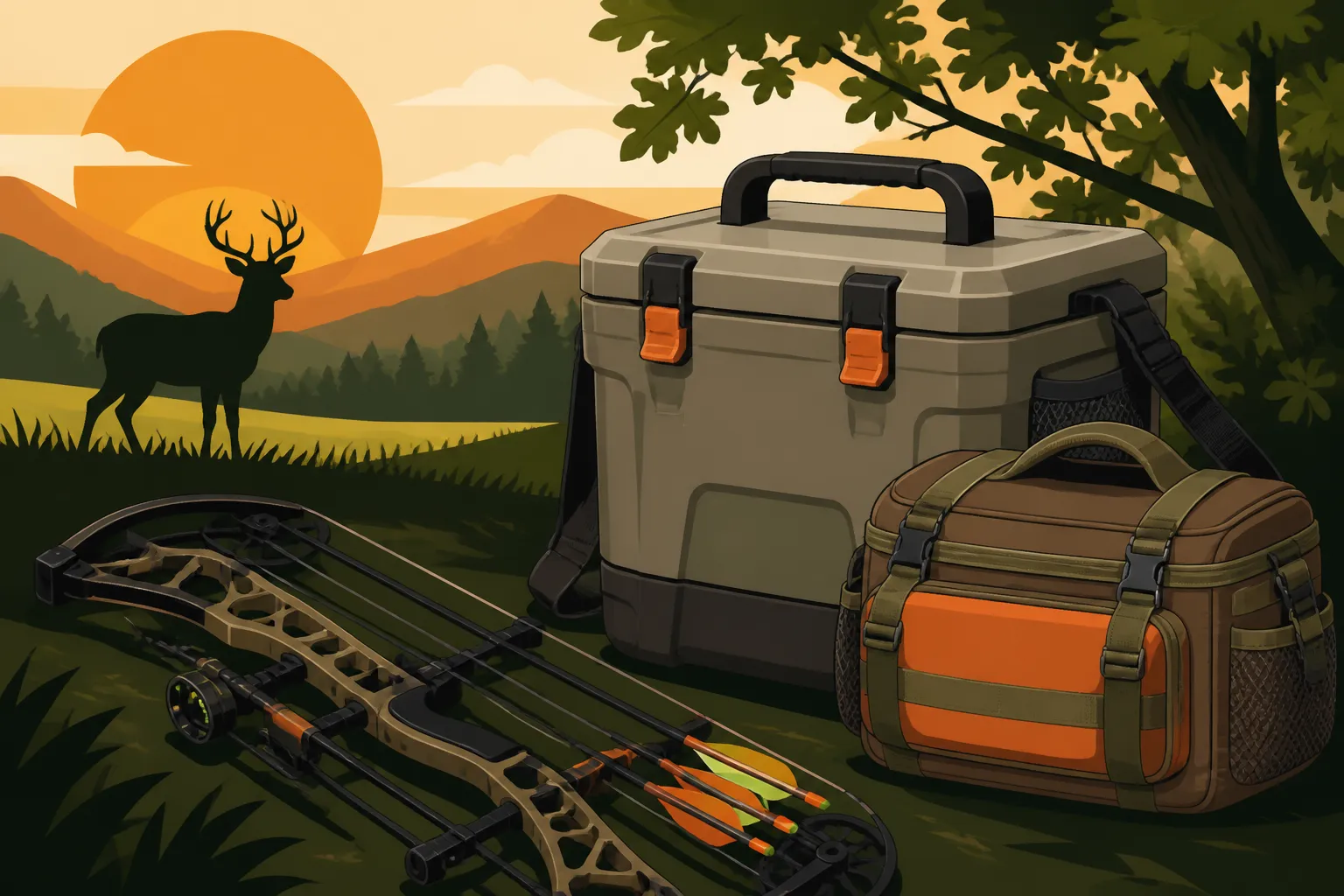
Rotomolded coolers, like those from brands you've likely seen, are the gold standard. They feature thick, insulated walls and gaskets that seal tight, minimizing air exchange. These can hold ice for a week or more under ideal conditions, which is exactly what you need when you're dealing with warm deer meat. If a full-size rotomolded cooler is beyond your budget, look for heavy-duty insulated models from other reputable brands. These often offer better insulation than basic coolers without the premium price tag of a rotomolded option. Consider the size based on the game you're after. For a smaller doe or yearling, a 50-quart might suffice if the meat is deboned. For a larger buck, or if you plan to keep quarters bone-in, you might need a 70-quart, 100-quart, or even two coolers. Features like sturdy latches, non-slip feet, and a good drain plug are also huge advantages.
Prepping Your Cooler for Success
A good cooler is only as good as its preparation. Don't just toss ice in it at the last minute. The key is to pre-chill the cooler. A day or two before your hunt, fill the cooler with sacrificial ice or frozen gallon jugs of water. This brings the internal temperature of the cooler and its insulation down to a cold state. When you add fresh ice and meat, the ice won't immediately melt just bringing the cooler itself down to temperature.
Once you have your deer quartered or deboned and ready for the cooler, make sure you have plenty of fresh, clean ice. Layer the meat with ice, ensuring no meat is touching the bottom or sides of the cooler directly without ice in between. Drain any meltwater regularly, especially during the first 12-24 hours. This keeps the meat out of cold water, which can actually promote bacterial growth on the surface, and ensures maximum cooling effectiveness from the ice. For longer hauls or multi-day hunts, bringing extra bags of ice is non-negotiable. Consider freezing several gallon jugs of water; they melt slower than cubed ice and can be refrozen or used as drinking water later.
Game Bags: Protecting Your Meat in the Field
Before your venison ever sees the inside of a cooler, it needs protection in the field. This is where game bags come into play, and they are absolutely crucial, especially if you're breaking down an animal on public land or anticipate a longer pack out.
The Purpose of Quality Game Bags
Game bags aren't just glorified pillowcases. Their primary purpose is to protect your meat from dirt, leaves, and most importantly, insects. Flies are drawn to fresh meat like a magnet, and they can lay eggs that quickly hatch into maggots, ruining your hard work. A good game bag acts as a barrier, while still allowing air to circulate around the meat. This airflow is vital for cooling the meat down and creating a dry surface, which further inhibits bacterial growth.
There are different materials for game bags. Traditional cotton game bags are breathable and affordable, but they can absorb blood and moisture, becoming heavy and potentially holding bacteria if not washed thoroughly. Synthetic game bags, often made from specialized breathable fabrics, are typically lighter, stronger, and easier to clean. Many modern synthetic bags are designed to be reusable and can withstand repeated washings. Some even incorporate reflective properties to help keep the meat cooler by bouncing off sunlight. Whether you're planning to take out whole quarters or debone Deboning Venison Before Leaving the CWD Zone, having a set of high-quality game bags that fit your anticipated harvest is paramount. They’re light, pack small in your Packs for a Day on Public Land, and offer enormous returns on investment.
| Feature | Cotton Game Bags | Synthetic Game Bags (e.g., specialized blends) |
|---|---|---|
| Material | Natural Cotton | Poly/Nylon blends, often treated |
| Breathability | High | High |
| Insect Barrier | Good, but can be thin | Excellent, tighter weave |
| Durability | Moderate, can tear | High, resistant to tears and punctures |
| Weight | Can be heavy when wet | Very lightweight |
| Cleanability | Absorbent, can stain | Easy to wash, less absorbent, quicker drying |
| Cost | Lower | Higher |
| Reusability | Yes, with careful cleaning | Yes, designed for multiple uses |
| Blood Absorption | High | Low |
Techniques for Using Game Bags Effectively
Once your deer is field-dressed, the next step is breaking it down. For early season, the less time the meat spends connected to the bone (which holds heat), the better. Many hunters opt for quartering or the gutless method right where the deer fell, especially if it's a long way to the truck. After you've separated a quarter or removed a backstrap, immediately place it into a game bag. Cinch the bag tightly to keep out flies, but don't pack it so tightly that air cannot circulate.
If you're in a situation where you can hang the bagged meat, do it! Even a few feet off the ground in a shady spot, allowing air to move around it, will help immensely with cooling. I've often seen hunters use a small tree limb or even a sturdy trekking pole wedged between two trees to hang quarters. If you're on public land, remember to keep your bags inconspicuous and out of the way. If you use a tool like GoHunt to scout your hunting area, you can even pre-identify suitable hanging spots with good airflow. Labeling your bags (e.g., "front left," "backstrap") can also save you headaches later, especially if you're taking multiple animals or sharing processing duties with a buddy. Always keep your Field Dressing Knives Worth Carrying clean and sharp for efficient work.
Field Processing and Meat Preservation Strategies
The moment you stand over your downed deer, the real work begins. How you handle that animal in the field can literally make or break the quality of your venison. For early archery season, quick, clean, and efficient field processing is paramount to combating the heat.
The Gutless Method: A Game Changer for Warm Weather
Traditional field dressing involves opening the chest and abdominal cavity, removing all the organs, and then often dragging the whole carcass out. While effective in cold weather, this method leaves the hide on, trapping heat, and can expose the gut cavity to dirt and flies during a long drag. For warm early season hunts, especially in Tennessee's more rugged terrain or on remote public lands, the gutless method is an absolute game-changer.
This technique involves skinning the deer and removing the quarters, backstraps, and tenderloins without opening the gut cavity. This minimizes contamination, makes the meat much lighter to pack out, and exposes the muscle to the air, allowing it to cool far more rapidly. You basically roll the deer onto its side, skin one side, remove the major muscle groups, then flip it and repeat. It sounds intimidating if you've never done it, but with a bit of practice, it's incredibly efficient. Not only does it get the valuable meat off the animal and into game bags quickly, but it also reduces your workload when you're already physically taxed from the hunt and retrieval. This method is particularly useful when you're hunting in difficult-to-access areas identified through tools like Reading Aerial Photos for Cumberland Plateau Deer or Scouting With the Tennessee TWRA App.
Cooling and Airflow in the Field
Once your meat is in game bags, your immediate priority is to maximize cooling. Leaving bagged meat piled on the ground, even in shade, is a recipe for disaster. The ground can act as an insulator, holding residual heat and preventing proper cooling. Instead, get that meat off the ground.
If you're hunting an area with trees, hang your game-bagged quarters individually from sturdy branches. Even hanging them over a log or placing them on elevated rocks can help, as long as air can circulate around each piece. Look for the densest shade you can find, and ideally, a spot with a slight breeze. Think about a north-facing slope or a deep ravine, where temperatures might be naturally a few degrees cooler. Spreading the meat out, rather than piling it up, increases its surface area exposure to the cooler air. Some hunters even carry a small, battery-operated fan to aid circulation in extremely still conditions. Remember, you're trying to dissipate the internal body heat as quickly as possible, and airflow is your best friend in this fight. This strategic thinking about natural cooling spots is another reason why Hunting a Ridge-Top Saddle for Rutting Bucks or understanding terrain via a tool like GoHunt can be so beneficial, allowing you to pre-plan your extraction and cooling strategy.
Ice and Transport Logistics
Getting the meat from the field to your vehicle, and then from your vehicle to a long-term cooling solution, requires careful planning and a generous supply of ice. Once the bagged meat is out of the woods, it goes straight into your pre-chilled cooler, layered generously with ice. Remember the rule: meat on ice, not in water. Use plenty of ice, and ensure that every surface of the meat is in contact with ice.
For the drive home, especially if it's a long one, make sure your cooler is not sitting in direct sunlight in the back of your truck. Covering it with a blanket, tarp, or even just parking in the shade during stops can make a big difference. Check the ice levels periodically and be prepared to drain meltwater and add fresh ice if the journey is extended. Having a separate smaller cooler with extra bags of ice in reserve is a smart move. Think about where you'll be able to buy more ice along your route home. If you're coming from a very remote area, those plans need to be made ahead of time. The success of your entire hunt hinges on this final leg of the journey, so don't cut corners on ice and insulation.
Post-Harvest Considerations and Best Practices
The work isn't quite over once the venison is packed in ice and you're back home. The final steps in getting your meat to the table are just as important as the initial field care. This is where good planning meets the promise of delicious meals.
Getting Your Meat to the Processor or Butcher
If you plan to use a professional meat processor, speed is crucial. Call them before you hunt to understand their hours, drop-off procedures, and any specific requirements for meat that has been field-dressed and quartered. Some processors prefer whole quarters, while others are fine with deboned meat. Make sure your meat arrives as cold as possible. If it's been in your cooler for a day or two, inform the processor about the field care steps you've taken and how long it's been on ice. Transparency helps them make the best decisions for handling your meat.
Many processors are accustomed to the challenges of early season Tennessee hunting and will have walk-in coolers specifically for chilling game. However, if your meat arrives lukewarm or shows signs of spoilage, they may refuse it, and for good reason. It protects their facility and other hunters' meat. So, communicating and ensuring optimal cold chain management is key to a smooth handover and ensuring your processor can do their best work turning your harvest into delicious cuts.
Home Processing and Aging
For those of us who enjoy Butchering a Deer at Camp or at home, you have more control over the process. If the meat has been well-chilled in the field and kept cold, you might consider aging it. Aging, or "hanging," venison for several days in a controlled, cool environment (ideally between 34-40 degrees Fahrenheit) can significantly improve tenderness and flavor.
However, aging only works if the meat is pristine and kept consistently cold. If there's any doubt about the cleanliness of the field dress or if the meat has warmed up, it's best to process it immediately without aging. A spare refrigerator, a dedicated meat locker, or even a walk-in cooler if you have access, can serve as an aging chamber. Keep the meat in clean game bags and ensure good air circulation. Aging is a topic often discussed in the context of Aging Venison in Cold Weather, but with meticulous care, it can be done in warmer climates by using highly controlled refrigeration. Just remember, consistency in temperature is the ultimate goal.
Common Mistakes to Avoid
Even seasoned hunters can make mistakes, especially when the excitement of a harvest takes over. Being aware of common pitfalls can help you avoid them:
- Not pre-chilling your cooler: This is arguably one of the biggest errors. A warm cooler will melt your ice much faster, drastically reducing its effectiveness.
- Leaving meat on the ground: Whether still on the carcass or quartered, ground contact prevents cooling and invites dirt and bacteria. Always get it up and in bags.
- Insufficient ice: When in doubt, bring more ice. You can never have too much ice in early season. It's cheap insurance.
- Failing to drain meltwater: Meat soaking in bloody water quickly loses quality and can spoil. Drain your cooler regularly and replace ice as needed.
- Delaying field dressing: The faster you get the internals out and open up the body cavity for air, the better. Don't take photos for an hour before field dressing, no matter how excited you are.
- Neglecting a plan: Don't just hope for the best. Plan your extraction route, identify potential cooling spots, and know where you're going with the meat before you ever head into the woods. Utilizing scouting apps or resources like GoHunt can provide crucial insights into terrain and access points, helping you develop a robust post-harvest strategy.
- Underestimating the heat: Tennessee can surprise you with warm days well into October. Always assume the worst when it comes to temperature and prepare accordingly.
By being mindful of these common mistakes, you'll be well on your way to enjoying delicious, well-preserved venison from your early archery season success. From the moment you release that arrow in Bowhunting Tennessee's Long Archery Season or during the Hunting the August Antlerless-Only Archery Hunt, proper meat care is part of the hunting experience.
Disclaimer
This article is for general informational purposes only and does not constitute professional advice. Laws, prices and regulations vary by location and change over time. Consult a qualified professional for guidance on your specific situation.