White County Cumberland Plateau Ground
There's a unique draw to hunting the Cumberland Plateau, isn't there? That rugged, beautiful stretch of Tennessee offers some fantastic opportunities, but it also presents a real challenge, especially when you're looking for prime ground in a specific area like White County. Many hunters, myself included, have spent countless hours poring over maps, driving gravel roads, and walking miles of challenging terrain, all to unlock the secrets of this majestic landscape. This guide is dedicated to helping you understand and effectively hunt the Cumberland Plateau ground found right here in White County, offering insights into its unique features, accessible public lands, effective hunting strategies, and ways to overcome the inevitable hurdles.
Understanding the Cumberland Plateau Landscape in White County
The Cumberland Plateau isn't just a geographical feature; it's a way of life for the deer, turkeys, and other wildlife that call it home, and it demands a particular approach from hunters. White County sits squarely on this impressive landform, offering a distinct blend of terrain that shapes everything from animal movement to your hunting tactics. If you've ever felt overwhelmed by the sheer scale and complexity of these woods, you're not alone. It’s a vast, intricate puzzle, and understanding its pieces is the first step to success.
Unique Topography and Habitat
When you think of White County's Cumberland Plateau ground, picture a mosaic of ecosystems. You've got those classic flat-top ridges, often dissected by incredibly steep, rugged hollows and drainages that plunge into the valleys below. It's a land of rock outcroppings, hidden caves, and sheer bluffs, all of which create natural funnels and bedding areas for game. The timber itself is diverse, dominated by various species of oak and hickory that provide vital mast crops in the fall. During a good acorn year, these ridge tops can be absolute magnets for deer and turkey, but after a poor acorn year, you'll find yourself searching for alternative food sources. Mixed in with the hardwoods, you'll also find stands of pine, especially in areas that have been logged or managed, adding another layer of cover and thermal protection for wildlife, especially during the colder months.
Water is also a critical factor. Numerous small creeks and spring-fed seeps trickle down the hollows, providing essential hydration for game. In dry spells, these isolated water sources can concentrate animals, making them key points to focus your scouting efforts. The thick understory in some of the hollows, often dense with mountain laurel and rhododendron, creates nearly impenetrable sanctuaries where deer can escape hunting pressure. Navigating these areas can be brutal on the legs, but they often hold undisturbed game.
Wildlife Found on the Plateau Ground
While the Cumberland Plateau supports a variety of wildlife, most hunters venturing into White County are focused on two primary species: white-tailed deer and wild turkeys. These animals thrive in the mixed habitat the plateau provides.
Deer populations can be excellent, especially where there’s a good mix of mature timber, regenerating clear-cuts, and agricultural fields in the surrounding valleys. Bucks use the ridge tops for travel and feeding, often bedding down in the thick cover along the steep slopes or in dense pine stands. Does and fawns will also utilize these areas, often staying closer to consistent food and water sources. Hunting deer here often means challenging yourself physically, but the rewards can be substantial. Hunting Cumberland Plateau Ridgelines is a great resource for understanding how these animals move through this specific landscape.
Wild turkeys are another major draw. Plateau gobblers are known for being tough to hunt, often roosting on high ridges and then pitching down into hollows or feeding areas at first light. Their keen eyesight and hearing make them formidable opponents, but the expansive, often secluded nature of the plateau provides ample habitat for them to thrive. You’ll find them utilizing both the mature hardwoods for roosting and foraging for insects and mast, as well as the more open areas along ridge lines and logging roads.
Beyond deer and turkey, you'll also find a good number of small game animals. Squirrels, particularly gray and fox squirrels, are abundant wherever there are mature oak and hickory trees, providing excellent opportunities for a quieter, more relaxed hunt. Rabbits can be found in the brushier edges and regenerating clear-cuts. Predators like coyotes are also well-established, constantly patrolling the landscape. While other species like ruffed grouse once thrived here, their populations have seen significant declines across much of their range in Tennessee, making them a much rarer find.
Identifying Public Hunting Opportunities in White County
One of the biggest frustrations for hunters is figuring out where they can actually set foot with a weapon. It's a common dilemma, especially with the patchwork of private and public lands. White County, like much of Tennessee, has a mix, and knowing your options is crucial. While large, contiguous blocks of public land might be less common than in some other states, there are definite opportunities if you know where to look and how to interpret the rules.
Key Wildlife Management Areas WMAs
While White County itself may not host a massive, flagship WMA, it is bordered by or in close proximity to significant pieces of public land that exemplify the Cumberland Plateau hunting experience. Understanding these nearby areas gives you a blueprint for the type of terrain and hunting you can expect.
For example, the Catoosa Wildlife Management Area, located just to the east and north in Cumberland, Morgan, and Fentress counties, is often considered the epitome of Cumberland Plateau hunting. It offers vast stretches of rugged, heavily forested ground. While not in White County, the habitat and hunting strategies employed there are directly applicable. Catoosa features extensive oak-hickory forests, steep hollows, and managed pine plantations. Hunters here learn quickly about the importance of physical fitness and detailed scouting. Regulations on WMAs often differ from statewide rules, so always check the specific WMA brochure before heading out. Catoosa is known for its quality deer and turkey hunting, though the density of hunters can sometimes be a challenge, especially on opening days. Familiarizing yourself with these types of areas, even if they're a short drive, helps you build skills applicable to any plateau ground you find. For a broader look at public hunting lands, check out Tennessee Wildlife Management Areas.
When considering WMAs closer to White County, it's essential to consult the most current TWRA hunting guide or use online mapping tools to confirm specific boundaries and regulations. Many smaller state forest or park properties might have quota hunts, but general hunting opportunities can be more limited. Your best bet for true "plateau ground" hunting in a WMA setting will likely involve looking at the larger WMAs that span counties within the plateau region.
National Forest and Other Public Lands
While the vast Cherokee National Forest primarily covers the easternmost part of Tennessee, far from White County, other forms of public land might offer opportunities. The key is knowing how to find them. This often involves detailed map scouting.
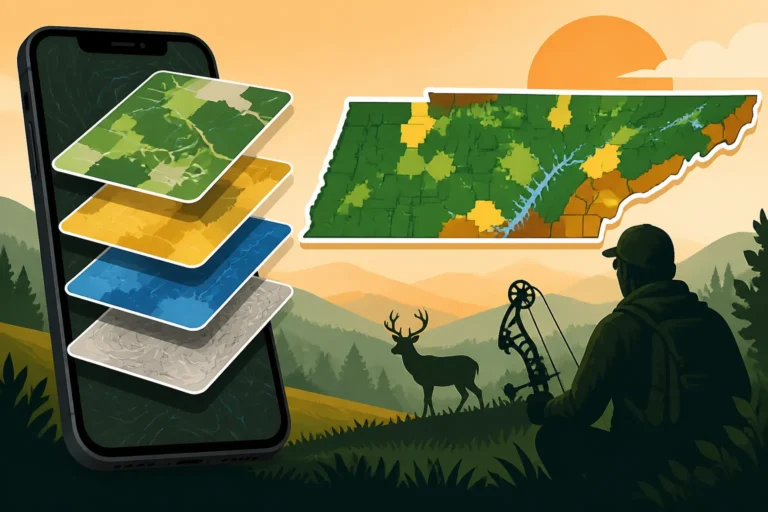
Mapping applications like onX Hunt are indispensable tools for identifying public land boundaries. You can layer property ownership data over satellite imagery, allowing you to clearly see where public land begins and private land ends, down to the parcel. This is invaluable when you’re looking at smaller, fragmented pieces of public land or trying to determine access points for larger tracts. Another excellent resource is GoHunt, which also provides detailed maps and information that can assist in identifying potential hunting grounds. These apps save you countless hours of guesswork and prevent accidental trespassing, a serious concern when hunting near mixed land ownership.
Beyond WMAs, sometimes state forests or even utility company lands may have public access for hunting, though these are often smaller and may have specific, stricter rules. It’s always worth investigating these possibilities using mapping tools and cross-referencing with TWRA regulations. Public land on the Cumberland Plateau in White County will often be characterized by its ruggedness and less developed access points compared to some other regions, which can mean fewer hunters willing to put in the effort, offering a rewarding experience for those who do.
Strategies for Hunting White County's Plateau Ground
Hunting the Cumberland Plateau in White County isn't just about showing up; it's about understanding the terrain and adapting your tactics. These aren't flat, open fields, and what works in the river bottoms won't necessarily work here. The key is to think like the animals, anticipate their movements in this unique environment, and be prepared to work for your opportunity.
Scouting and Pre-Season Prep
Scouting is paramount on the Cumberland Plateau, especially if you're hunting public land. It starts long before opening day. The first step, as mentioned, is utilizing mapping software. Tools like onX Hunt allow you to virtually scout from your couch, identifying potential bedding areas on steep slopes, connecting ridge lines that might serve as travel corridors, and pinpointing drainages that lead to water sources. Look for subtle changes in topography – a small saddle on a ridge, a bench halfway down a steep hill, or a confluence of several hollows – these are often natural pinch points or travel routes.
Once you have some spots identified, boots on the ground are essential. Walk those hollows, climb those ridges, and look for actual sign: rubs, scrapes, tracks, and droppings. During the early fall, pay close attention to mast crops. Oak and hickory trees will start dropping their nuts, and deer and turkeys will quickly key in on these food sources. A good mast crop can concentrate animals, while a poor one will send them searching for alternative foods like green browse or honeysuckle thickets.
Understanding wind and thermals is another critical piece of the puzzle on the plateau. Warm air rises and cool air falls, and this effect is amplified by the steep terrain. In the mornings, thermals will typically rise, carrying your scent uphill. In the evenings, they'll fall, pushing your scent downhill. This means planning your entry and exit routes, as well as your stand locations, with great care. Wind and Thermals on a Ridge System goes into more detail on how these air currents can make or break a hunt. You need to approach your stand from downwind and downhill in the mornings, and upwind and uphill in the evenings, whenever possible.
Deer Hunting Tactics for the Plateau
When it comes to chasing whitetails on White County's plateau ground, patience and persistence are key. Still-hunting, moving slowly and deliberately through the woods, can be incredibly effective here. Focus on the edges of thick cover, along the breaks of ridges, and especially near those natural funnels created by the topography. Deer on the plateau often travel along benches or just below the crests of ridges to stay out of sight.
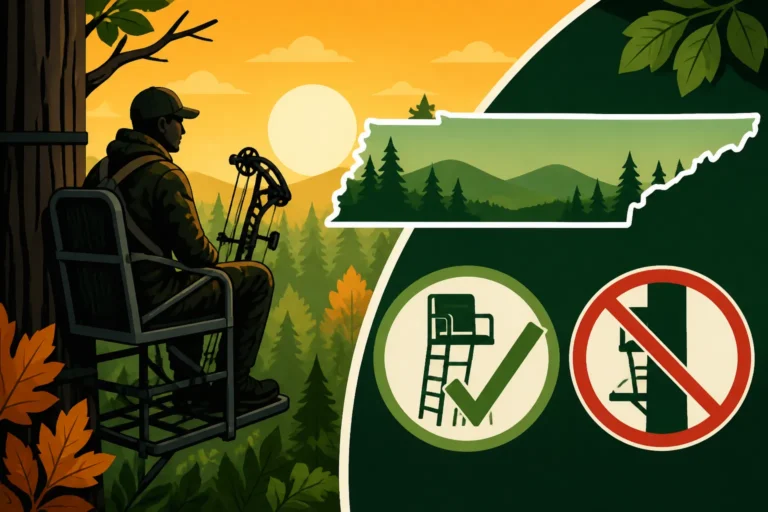
Stand placement is another critical consideration. Look for saddles, points that extend into hollows, or tight spots where two ridges come together. These are classic travel corridors. Finding a mature oak that's dropping acorns can also be a goldmine, especially in the early season. Since the terrain is so rugged, don't be afraid to utilize different types of stands. A lightweight climbing stand or a saddle hunting setup can be incredibly versatile, allowing you to adapt to changing conditions and specific trees. If you're wondering where plateau bucks prefer to bed, Where Cumberland Plateau Bucks Bed offers some great insights.
Remember, deer drives can also be a viable tactic on public land, especially in larger groups, but they require careful planning and communication to be safe and effective in this challenging terrain. For individual hunters, focus on covering ground quietly, stopping frequently to glass and listen, and being ready for a quick shot.
Turkey Hunting Tactics for the Plateau
Turkey hunting on the Cumberland Plateau offers some of the most exciting and challenging experiences you'll find. These birds are sharp, and the terrain often plays right into their evasive nature.
Your morning strategy often starts by trying to roost a bird the evening before or listening intently at first light from a high vantage point. Plateau gobblers love to roost high on the ridges. Once you've located a bird, the real work begins. Getting into position without being seen or heard can be incredibly difficult on these steep, crunchy slopes. Roost Hunting Tennessee Gobblers provides valuable advice on this specific challenge.
A "run-and-gun" approach can be highly effective once birds are on the ground and moving. This involves covering a lot of ground, stopping to call from different locations, and moving quickly if you get a response. Focus on ridge lines, benches, and the heads of hollows where birds might travel or feed. Be prepared to set up quickly if a gobbler answers your calls, utilizing the natural cover of large trees, rock formations, or dense thickets. Calling can be aggressive at times, but knowing when to back off and let the bird come to you is crucial. Often, getting slightly above a gobbler that's hung up can be the ticket to bringing him into range, as they naturally prefer to walk uphill to investigate.
Overcoming Challenges on Cumberland Plateau Ground
Hunting the Cumberland Plateau in White County is undeniably rewarding, but it's also not without its frustrations. The very elements that make it wild and beautiful – its ruggedness and expansive nature – also present significant hurdles for hunters. Preparing for these challenges mentally and physically will make your hunt far more enjoyable and increase your odds of success.
Dealing with Hunting Pressure
Public land, by its very nature, sees more hunters. On the Cumberland Plateau, especially during peak seasons like the opening of gun season, certain accessible areas can feel like a small army has descended. This pressure doesn't just make it harder to find a spot; it fundamentally changes how game animals behave. Deer become more nocturnal, seeking out the densest cover, and turkeys become notoriously quiet and wary. Hunting Pressure on Tennessee Public Land delves deeper into understanding and mitigating this common issue.
To combat this, you need to think differently. One of the best strategies is to walk further than most other hunters are willing to go. Often, just a half-mile more off the beaten path or away from a main logging road can put you in significantly less pressured territory. Look for areas on your map that are difficult to access, perhaps requiring a steep climb or a crossing of a creek without a bridge. These "hard-to-reach" spots are often sanctuaries for game. Hunting mid-week, if your schedule allows, can also dramatically reduce the number of fellow hunters you encounter. Another tactic is to hunt smaller, overlooked parcels of public land that might not appear on everyone's radar. While these might not be vast wildernesses, they can still hold deer and turkeys escaping pressure from larger adjacent properties.
Navigating Steep Terrain and Remote Areas
The Cumberland Plateau is physically demanding. You'll encounter steep ascents, jarring descents, and uneven footing covered in slick leaves or loose rock. This isn't the place for worn-out sneakers or a casual stroll.
| Aspect | Recommendation | Why It Matters |
|---|---|---|
| Footwear | Sturdy, waterproof hiking boots with excellent ankle support | Prevents twisted ankles on uneven ground, keeps feet dry in wet conditions. |
| Physical Prep | Regular cardio and leg strength exercises months before the season | Builds endurance for long climbs, prevents fatigue which leads to mistakes. |
| Navigation | Reliable GPS unit or phone app (e.g., onX Hunt) with downloaded offline maps | Cell service is spotty; prevents getting lost in remote, featureless woods. |
| Pack Weight | Carry only essentials, but be prepared for emergencies | Reduces fatigue; allows for carrying game out. |
| Communication | Two-way radio or satellite messenger if hunting truly remote areas, tell someone your plan | Cell service is often nonexistent; vital for emergencies. |
Beyond personal gear, consider how you'll handle a successful harvest. Dragging a mature deer out of a deep hollow on the Cumberland Plateau can be an absolutely brutal, multi-hour endeavor. If you're hunting solo, you might need a game cart (though these are only useful on relatively flat, clear trails) or you might need to bone out the animal in the field. Recovering a Deer From a Steep Hollow is a must-read for anyone contemplating hunting such challenging areas. Always plan your extraction route before the shot, if possible.
Understanding Local Regulations and DMUs
Navigating hunting regulations can be one of the most frustrating aspects of hunting anywhere, and White County is no exception. Tennessee uses a Deer Management Unit (DMU) system, and knowing which DMU White County falls into, along with its specific antlerless limits and season dates, is absolutely critical. White County is typically within DMU 2. This DMU generally has a two-deer antlerless limit, but these regulations can change, and WMAs often have their own specific rules. Always consult the current Tennessee Hunting and Trapping Guide provided by the TWRA before you head into the field.
Beyond the deer limits, pay attention to specific regulations for public lands you might be hunting. These can include requirements for WMA permits, blaze orange regulations, specific vehicle access rules, or restrictions on stand types. For a general overview of Tennessee's deer season structure, Tennessee Deer Season Structure Explained is an excellent starting point, but always double-check the local specifics for White County and any WMAs you plan to visit. Ignorance of the law is not an excuse, and a preventable citation is a sure way to ruin a hunting trip. Always carry your hunting license and any required permits, and be prepared to show them to a wildlife officer.
Disclaimer
This article is for general informational purposes only and does not constitute professional advice. Laws, prices and regulations vary by location and change over time. Consult a qualified professional for guidance on your specific situation.