Anderson County Public Land Access
Alright, let's talk about hunting public land in Anderson County, Tennessee. It can be a real head-scratcher trying to figure out where you can even go, let alone find good hunting spots, especially with so much private property mixed in. The thought of driving for hours only to find "No Trespassing" signs or realizing you've crossed a boundary you shouldn't have is enough to make anyone sigh and wonder if it's even worth the effort. But don't you worry, this guide is here to untangle the complexities of Anderson County's public hunting access, helping you confidently find and hunt the awesome opportunities this region offers.
Navigating Public Hunting Opportunities in Anderson County
Anderson County, nestled in East Tennessee, offers some fantastic hunting experiences, but unlike vast, unbroken tracts of national forest you might find out West, our public lands here are often a bit more fragmented and require a sharper eye to locate and understand. It's not always as simple as pulling off the highway and walking into the woods. Knowing where to look and what type of land you're on is half the battle.
The Dominance of North Cumberland WMA
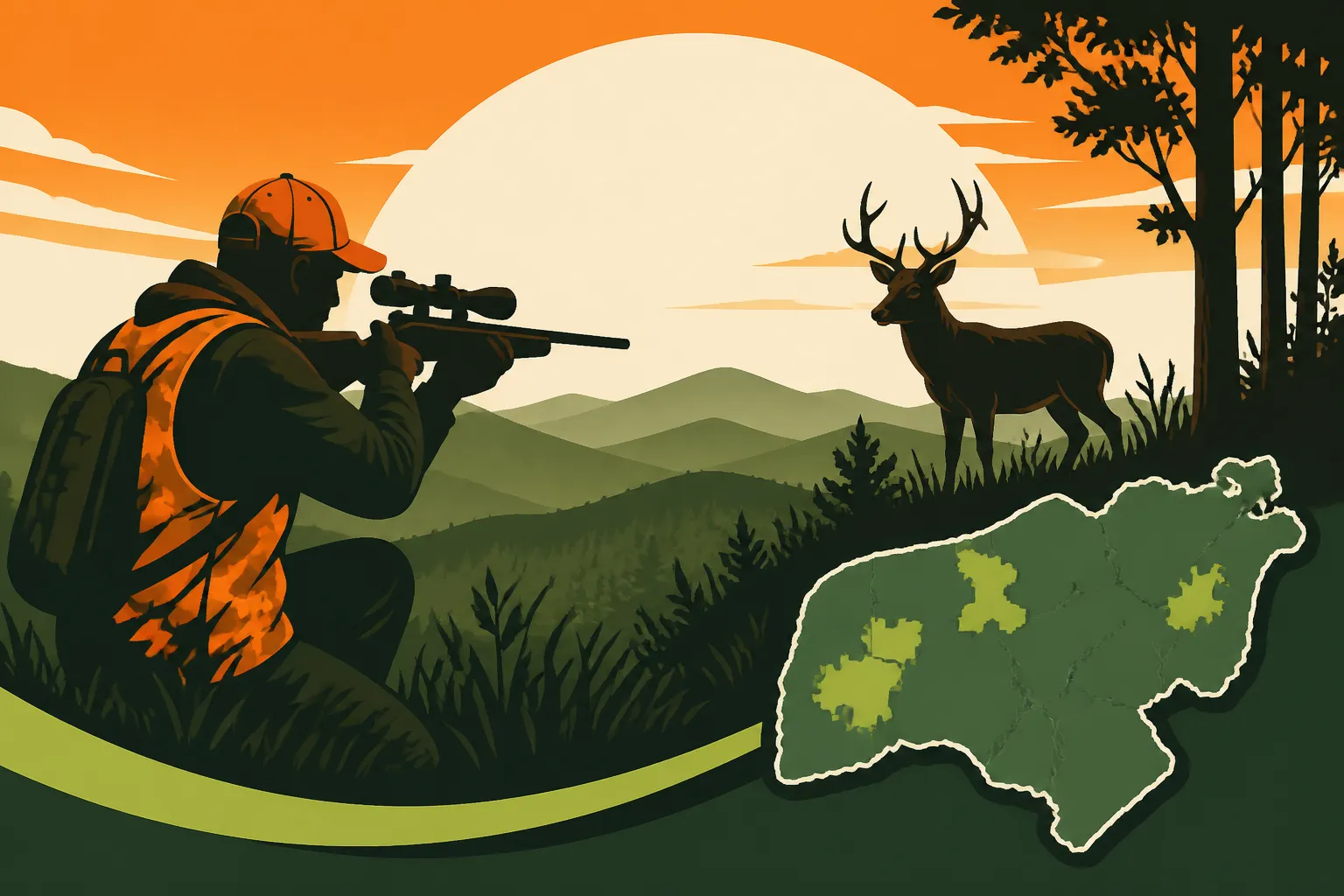
When you talk about public hunting land in Anderson County, the conversation quickly turns to the sprawling North Cumberland Wildlife Management Area (WMA). This massive tract of land, covering over 140,000 acres across several counties, is arguably the crown jewel for public land hunters in this part of the state, and a significant portion of it falls within Anderson County's borders. It's rugged, wild, and offers some of the most challenging yet rewarding hunting in Tennessee. Here, you'll find everything from deep hollows and steep ridges to mature hardwoods and reclaimed surface mines that create diverse habitat. It’s a true backcountry experience, demanding physical fitness and solid navigation skills.
Beyond just the acreage, North Cumberland is special because it's home to a diverse array of game. White-tailed deer are abundant, of course, and you'll find plenty of opportunities for wild turkey hunting in the spring. But what really sets North Cumberland apart, especially for hunters in Anderson County, is its role in Tennessee's elk restoration efforts. This WMA is the heart of the elk zone, offering a truly unique big game hunting experience for the lucky few who draw a tag. Understanding North Cumberland Wildlife Management Area is key to success here, as the sheer size and varied terrain mean that a "one-size-fits-all" approach simply won't work.
Smaller State-Managed Areas and River Access
While North Cumberland WMA dominates the landscape, Anderson County also features smaller, often overlooked, public hunting opportunities. These might include smaller WMAs, designated public river access points, or even segments of state forests. For example, some areas along the Clinch River and its tributaries might offer public access for waterfowl or small game hunting, particularly if you're using a boat. These areas are usually much smaller in scale, often consisting of narrow strips of land or islands, making them ideal for a day trip or for hunters looking to escape the crowds sometimes found on larger WMAs.
Access to these smaller areas can be trickier to pinpoint without good local knowledge or modern mapping tools. They might not have designated parking lots or clear signage, which can deter some hunters but also means less competition. Always verify the public status of any land you plan to hunt, especially when dealing with river corridors, as private property can extend right up to the water's edge in many places. These hidden gems are often fantastic for Squirrel Hunting Tennessee Bottomland Hardwoods or even jump-shooting ducks during the right conditions, offering a different kind of hunting challenge than the mountainous terrain of North Cumberland.
Local Considerations Beyond the Big Blocks
It's easy to focus solely on the big names like North Cumberland, but effective public land hunting in Anderson County also means being aware of the surrounding landscape. Anderson County has a significant human population and a mix of suburban and rural areas. This means public land often abuts private land, and respecting those boundaries is absolutely critical. There might be small, isolated woodlots or public access points that are fantastic for quick morning or evening hunts, but they require extra diligence in scouting and navigation.
Knowing your general surroundings and how public land fits into the larger picture is important. Using digital mapping apps like onX Hunt can be incredibly valuable here, allowing you to clearly see public and private land boundaries right on your phone, even if you don't have cell service once you're in the woods. This helps prevent accidental trespass and ensures you're hunting legally and ethically. Sometimes, success in areas like Anderson County isn't just about finding big timber, but about finding small, overlooked pockets of public access that hold deer or turkeys due to less pressure.
Understanding Access and Regulations for Anderson County's WMAs
Public land hunting in Tennessee, especially on Wildlife Management Areas, comes with its own set of rules and regulations that go beyond the statewide hunting guide. It's crucial to understand these specifics before you ever step foot in the woods, not just for legal compliance, but for a successful and safe hunt. The rules can vary significantly from one WMA to another, and even within different zones of the same WMA.
General WMA Rules and Required Permits
All Wildlife Management Areas in Tennessee operate under specific regulations designed to manage game populations and hunter use. Beyond your standard Tennessee Hunting Licenses and What They Cost, most WMAs, including North Cumberland, require an additional WMA permit. This permit helps fund the management and upkeep of these valuable public hunting grounds. You can usually purchase these online through the Go Outdoors Tennessee portal or from licensed vendors. Make sure you have the correct permits for the specific WMA you intend to hunt.
Regulations often cover things like hunting methods (archery-only, muzzleloader-only, or gun seasons that differ from statewide), bag limits, legal hunting hours, and even vehicle access. For instance, some WMA roads might be open to vehicles only during certain periods or closed entirely, requiring foot or ATV access. It's also common for WMAs to have specific rules regarding things like Treestand Rules on Tennessee Public Land or the use of ground blinds. Always consult the current Tennessee Hunting & Trapping Guide published by the Tennessee Wildlife Resources Agency (TWRA) and specifically look up the regulations for the particular WMA you plan to visit. The general WMA section will cover broad guidelines, but then each WMA will have its own detailed page of rules.
| Public Land Type | Primary Game Species | Typical Terrain | Access Considerations | Key Regulations |
|---|---|---|---|---|
| North Cumberland WMA | Deer, Turkey, Elk, Bear | Rugged mountains, ridges, hollows | ATV/foot travel, designated roads | Special Elk rules, WMA permit, specific season dates |
| State Forests (if present) | Deer, Turkey, Small Game | Mixed hardwoods, some pine | Foot access, forest roads | Statewide rules, WMA permit (often), logging activity |
| River/Creek Access | Waterfowl, Small Game, Deer | Floodplains, bottomland, timber | Boat launch, walk-in from roads | Statewide rules, private land boundaries critical |
| Smaller WMAs | Deer, Turkey, Small Game | Varied, often smaller timber blocks | Designated parking, foot access | WMA permit, specific season/method rules vary |
Specific North Cumberland WMA Regulations
North Cumberland WMA, due to its size and unique management objectives, has some particular regulations that hunters must be aware of. As mentioned, it's central to the state's elk restoration. This means there's a highly coveted quota hunt for elk, and special rules apply to elk hunters, including mandatory check-in procedures and designated hunt zones. Even if you're not elk hunting, simply being aware of the elk zones and the potential presence of elk is important. Preparing for a North Cumberland Elk Hunt is a rigorous process, and the rules reflect that.
Beyond elk, deer and turkey regulations within North Cumberland can differ from general statewide seasons. For instance, hunting might be restricted to archery-only or muzzleloader-only for certain periods, even during general gun season statewide, or antlerless deer limits might be different. Vehicle access is a big one here too; many roads are gated and only accessible by foot or ATV, and those open to vehicles might have specific opening and closing dates. It's not uncommon to hike several miles into prime hunting areas, so planning your access and egress is critical. Always check the TWRA's WMA-specific regulations for North Cumberland before you finalize your hunt plan, as they can be updated annually.
Using Digital Tools for Public Land Navigation
In today's hunting world, digital mapping applications are no longer a luxury, especially when trying to navigate the often-complex public land parcels of Anderson County. Tools like onX Hunt and GoHunt are invaluable resources for hunters. onX Hunt allows you to overlay public and private land boundaries directly onto detailed topographic maps and aerial imagery. This feature alone is worth its weight in gold, as it visually clarifies exactly where you can legally hunt and where you need to be careful of property lines. You can download maps for offline use, which is essential because cell service is often nonexistent in the more remote parts of North Cumberland.
These apps also allow you to mark waypoints for treestands, rubs, scrapes, or even your vehicle, track your movements, and measure distances. Imagine being deep in a hollow of North Cumberland, unsure if you've crossed onto private timber company land. A quick glance at your onX Hunt app can confirm your location, preventing a potentially embarrassing or illegal situation. For Scouting Tennessee Public Land Before Season, using these tools from home to identify promising funnels, ridge systems, or remote clear-cuts can save you countless hours in the field. They help you visualize the terrain, identify potential bedding and feeding areas, and plan your entry and exit routes more effectively.
Strategies for Hunting Anderson County's Public Lands
Hunting Anderson County's public land is often about adapting to the terrain and anticipating other hunters. The landscape dictates a lot of the strategy, especially in the mountainous regions of North Cumberland. Success here isn't usually about sitting over a food plot; it's about putting in the miles, understanding deer movement in rugged country, and being willing to go where others won't.
Deer and Turkey Tactics in Mountainous Terrain
For deer hunting in the mountainous parts of Anderson County, particularly within North Cumberland, understanding how deer use elevation is crucial. Deer often travel along ridge lines, use saddles as natural crossings between drainages, and bed on benches just below the ridge tops for security. Focus on identifying these topographical features. In the early season, deer might still be found near bottomland agricultural fields (if any public ones exist nearby), but as pressure mounts and acorns drop, they'll often retreat to the security of the deep timber. Look for fresh sign like rubs and scrapes along benches and creek bottoms, especially where a secondary ridge meets a main one. Reading a Ridge for East Tennessee Deer means paying attention to subtle contours, elevation changes, and how wind and thermals will affect deer movement.
When it comes to spring turkey hunting, Anderson County offers excellent opportunities, but these birds can be just as challenging as the terrain. Roosting birds the evening before, if possible, can give you a significant advantage. In the morning, be prepared to move and cover ground. Turkeys will often pitch down into hollows or work their way up ridges. Using a run-and-gun approach, moving and calling until you get a response, is often effective. Set up quickly, ideally with your back against a large tree, and be ready for a close encounter. Run-and-Gun Turkey Tactics on Public Land are essential when hunting birds that may move significantly.
Scouting and Finding Productive Areas
Effective scouting is paramount for public land success anywhere, but especially in rugged Anderson County. Don't just show up on opening day hoping for the best. Long before the season, use your digital mapping tools like onX Hunt to identify potential pinch points, saddles, benches, and remote clear-cuts. Look for areas with diverse habitat, such as the edge of a mature hardwood stand bordering younger growth or an old logging road. Pay attention to water sources, especially during drier periods.
Once you've identified potential spots on the map, get boots on the ground. Walk the terrain, even in the off-season. Look for old sign, active trails, and potential bedding areas. In areas with significant pressure, deer often move primarily at night or stick to the densest cover. Finding these hidden pockets where deer feel safe is key. Remember that Reading Aerial Photos for Cumberland Plateau Deer can reveal hidden features not obvious from the ground, such as subtle changes in timber type or old road beds that deer still use. The more you explore and understand the lay of the land, the better your chances of encountering game.
Adapting to Hunting Pressure
Public land in Tennessee, especially easily accessible portions, can see significant hunting pressure. This pressure dramatically impacts how and when deer move. During opening weekend, expect to see other hunters, particularly on main roads and trails. To combat this, be willing to walk further than most. The vastness of North Cumberland WMA means that if you're willing to put in the effort, you can often find areas that see far less human disturbance.
Consider hunting during weekdays or later in the season when many hunters have given up. Also, think about non-traditional access points or routes that require more effort to reach. Hunting Pressure on Tennessee Public Land often pushes deer into thicker cover or makes them more nocturnal. Plan your hunts around these patterns. If you're encountering too many hunters on a specific ridge, consider moving to an adjacent hollow or exploring a different part of the WMA entirely. Sometimes, just changing your entry route by a few hundred yards can put you in an entirely different hunting experience. Also, deer drives can be an effective strategy with a small group of hunters to push deer out of thick cover, especially later in the season. Learning how to conduct Deer Drives With Three or Four Hunters effectively can give you an edge.
Essential Tools and Responsible Practices for Anderson County Hunters
Hunting in Anderson County's public lands demands not only skill and knowledge but also the right gear and a strong commitment to ethical and responsible practices. The rugged terrain and variable weather mean you need to be prepared for anything.
Gear for Rugged East Tennessee Hunting
Given the often-steep and sometimes remote nature of Anderson County's public land, your gear choices are critical. Comfortable, durable hiking boots with good ankle support are non-negotiable. You'll be covering miles, often off-trail, so blisters or sprained ankles are a real concern. Layered clothing is also essential due to Tennessee's unpredictable weather, which can range from chilly mornings to warm afternoons, or sudden downpours. Investing in good rain gear, even if the forecast looks clear, is always a wise decision. For safety and compliance, remember Tennessee Blaze Orange Requirements during firearm seasons.
Beyond clothing, navigation tools are vital. While your phone with onX Hunt is excellent, a physical map and compass can be a life-saver if your phone battery dies or gets damaged. A good quality pack, capable of carrying water, snacks, a first-aid kit, and extra layers, is also essential for all-day hunts. For the big game hunter, a quality set of binoculars will aid in glassing open areas or distant ridges. Consider a lightweight Packs for a Cherokee Forest Day Hunt as the terrain and conditions are very similar in terms of demands on your gear.
Safety Considerations on Public Land
Safety should always be your top priority. When hunting in remote areas, tell someone where you're going and when you expect to return. This is especially true when hunting solo. Carry a first-aid kit and know how to use it for minor injuries. Be mindful of your surroundings and other hunters. With the varied terrain, knowing your shot lanes and being absolutely certain of your target and what's beyond it is paramount. Public land means shared use, so always treat every hunter you encounter with respect.
Hunting near private property lines requires extra vigilance. Even with onX Hunt, confirm your location frequently. Never shoot in the direction of known dwellings or structures, and retrieve game only after confirming it's on public land or with explicit permission from the landowner. If you're tracking a wounded animal onto private property, permission is legally required before you cross the boundary.
Leaving No Trace and Ethical Conduct
As responsible stewards of the land, leaving no trace is more than just a polite suggestion – it's an ethical imperative. Pack out everything you pack in, including spent shell casings, food wrappers, and anything else you brought with you. This preserves the natural beauty of the area for others and minimizes human impact. If you use a treestand or ground blind, make sure it's removed according to WMA regulations. Many WMAs have specific rules about leaving stands up overnight or for extended periods.
Ethical conduct also extends to how you interact with game and other hunters. Respect bag limits and season dates. Make every effort to recover any animal you shoot. Be courteous to other users of the public land, whether they are hikers, bird watchers, or fellow hunters. A positive attitude and respectful behavior contribute to a better experience for everyone and help ensure continued public access for hunting. Supporting organizations like the TWRA and participating in habitat improvement projects, when possible, further strengthens the future of hunting in places like Anderson County.
Disclaimer
This article is for general informational purposes only and does not constitute professional advice. Laws, prices and regulations vary by location and change over time. Consult a qualified professional for guidance on your specific situation.