Trail Camera Rules on Tennessee Public Land
Ah, the modern dilemma of the Tennessee hunter! You're out there, dreaming of that big buck, and you know a trail camera could be your secret weapon, a silent scout keeping tabs while you're at work or stuck at home. But then that nagging thought creeps in: "Can I even put a camera on public land? What are the rules? I don't want to get a ticket or, worse, cause an issue." It's a completely valid concern, and navigating the nuances of public land regulations can feel like deciphering an ancient scroll. This guide is here to untangle the confusion and lay out everything you need to know about using trail cameras responsibly and legally on Tennessee's public hunting grounds.
The Foundation: Understanding Tennessee's General Stance on Trail Cameras
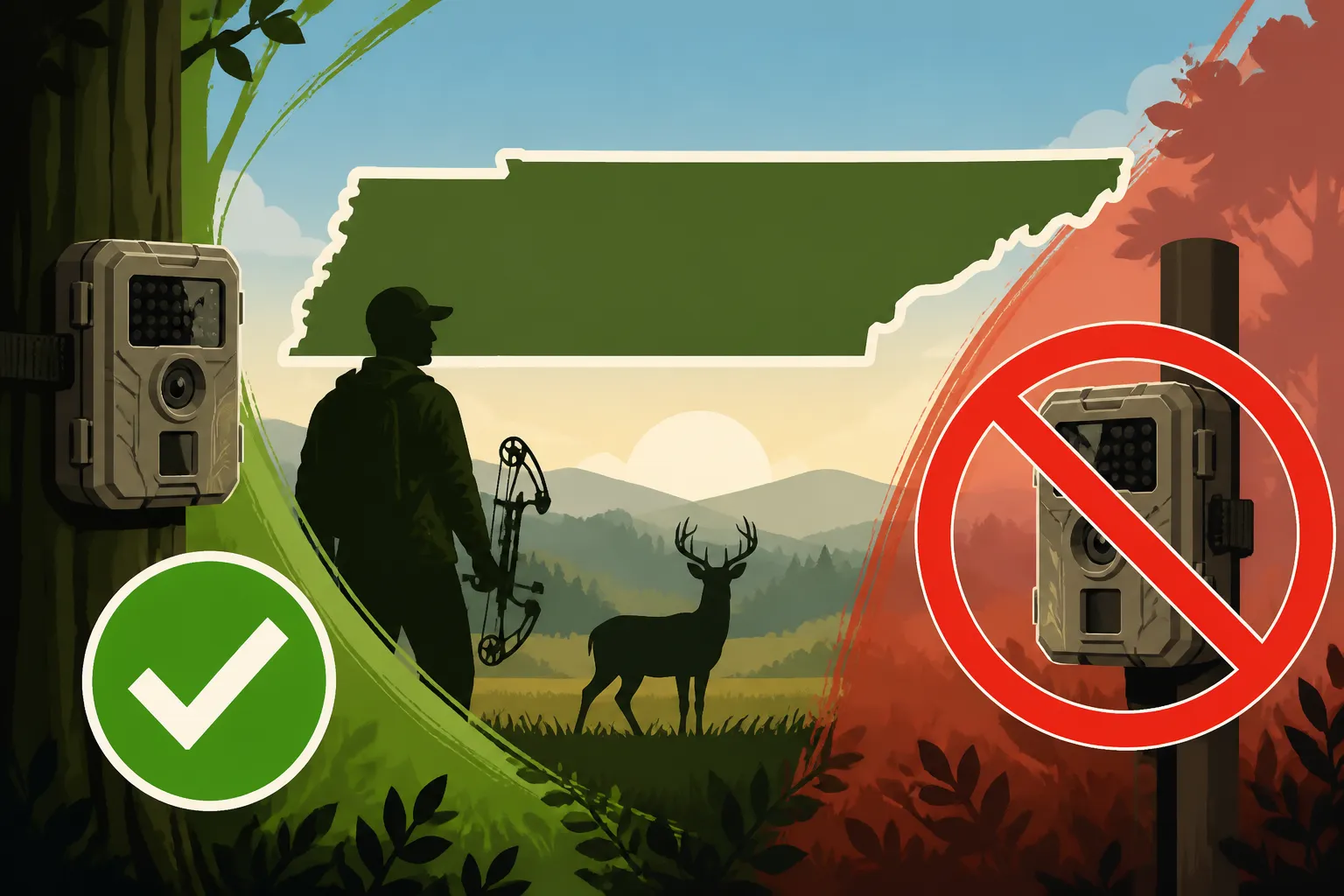
Let's start with the big picture. In Tennessee, generally speaking, the use of trail cameras on most public hunting lands is permitted, but it's crucial to understand that this isn't a blanket free-for-all. The Tennessee Wildlife Resources Agency (TWRA) oversees the vast majority of our state's public hunting areas, and their regulations are designed to balance hunter opportunity with resource protection and equitable access. The key here is always "non-invasive" and "temporary."
Think of it this way: a trail camera is considered a tool for scouting, much like your binoculars or a good map. It's not meant to be a permanent fixture, nor should it damage the natural environment. While some states have specific laws that outright ban trail cameras on public land or during certain seasons, Tennessee has, for the most part, allowed them, provided you adhere to common-sense principles and specific land management rules. This permission isn't a right to claim a spot or leave your gear indefinitely; it's a privilege to use technology to enhance your scouting efforts, much like when you're Scouting Tennessee Public Land Before Season. The rules exist to ensure that everyone has a fair shot and that our shared resources remain pristine.
When you're out there hanging a camera, consider the impression you're making. Is it obvious? Is it going to interfere with another hunter's experience? These aren't just ethical questions; they can sometimes lead back to unspoken rules or complaints that influence future regulations. So, while the broad answer is "yes, generally," the devil, as they say, is in the details of where and how you place it. Always aim to be a good steward of the land and a respectful member of the hunting community.
TWRA's Core Philosophy: Temporary and Non-Damaging
The TWRA's approach to trail cameras on public land boils down to a few core tenets that guide all other specific regulations. The first is temporary placement. Your camera is not a permanent structure. It should be placed with the intent of being removed in a reasonable timeframe, ideally after your scouting period or hunting season concludes, or even sooner if local regulations demand it. This prevents public land from becoming littered with abandoned equipment and ensures that prime spots don't become perpetually "claimed" by someone's gear.
Secondly, and this is a big one, your trail camera setup must be non-damaging to the resource. This means absolutely no nails, screws, or anything that pierces the bark or wood of a tree. Most modern trail cameras come with straps for mounting, which are generally acceptable as they don't cause lasting harm. If your camera requires a mounting system that involves drilling or screwing into a tree, it's a definite no-go on public land. Even seemingly minor damage can accumulate over time, harming the very trees that provide cover and food for the deer you're trying to locate. This philosophy extends beyond cameras, as you'd find similar rules if you were considering Treestand Rules on Tennessee Public Land.
Finally, the spirit of the rule implies non-interference. While not always explicitly stated for cameras, the idea is that your equipment shouldn't impede other users of public land, whether they are hunters, hikers, birdwatchers, or anything else. A camera left in an obvious, high-traffic area, or one that could be perceived as marking exclusive territory, can create friction. It's about shared access and ensuring that everyone can enjoy the land without feeling like someone else has staked a claim.
Differentiating Public and Private Land
It might seem obvious, but one of the most common mistakes hunters make with trail cameras isn't about public land rules at all, but about misidentifying public boundaries. The rules we're discussing only apply to public land. On private land where you have permission to hunt, the landowner's rules are supreme. You can generally use whatever mounting methods they allow and leave cameras out for as long as you like, within the bounds of any local ordinances, of course.
The problem arises when public and private land meet, especially in areas with a checkerboard pattern of ownership. It's incredibly easy to place a camera on what you think is public land, only to find out later it's on a private parcel. This isn't just a minor infraction; it's trespassing, which can lead to legal trouble and sour relationships with landowners. This is where tools like onX Hunt and GoHunt become absolutely invaluable. These apps layer property boundaries over satellite imagery, allowing you to clearly see where public land ends and private land begins, often even showing landowner names. Using such tools to meticulously check your location before setting up a camera can save you a huge headache. Understanding onX Layers for Tennessee Land Status can be a game-changer for avoiding these accidental trespasses. Always double-check those lines before you strap that camera to a tree!
Specific Regulations for Different Public Land Types
Tennessee is rich with diverse public hunting opportunities, from vast national forests to smaller, intensely managed wildlife management areas. The general rules about temporary and non-damaging camera use apply across the board, but each specific type of public land can, and often does, have additional regulations. It's absolutely crucial to check the specific rules for the area you plan to hunt, as assuming one area's rules apply to all can lead to problems.
Wildlife Management Areas (WMAs)
Wildlife Management Areas, or WMAs, are managed by the TWRA and often have the most detailed and sometimes restrictive regulations, simply because they are actively managed for specific wildlife objectives and often see high hunting pressure. While many WMAs allow trail cameras, some might have outright prohibitions or specific seasons during which cameras are not permitted.
For instance, a WMA might prohibit "any device that penetrates the bark of a tree," which directly impacts camera mounting. Another WMA might have rules about when cameras must be removed, perhaps at the end of a specific hunting season or even within a certain number of days after placement. It's not uncommon for WMAs to experience high traffic, meaning your camera might be exposed to more eyes and potential tampering or theft, so discreet placement is key. Always, always check the specific WMA's regulations on the TWRA website or by calling the local office before you head out. These details are often found in the specific rules sections for How Tennessee WMAs Are Managed and are usually updated annually. Don't rely on information from a few years ago!
| Public Land Type | General Camera Stance | Key Restrictions | Best Practice |
|---|---|---|---|
| TWRA WMAs | Generally Allowed | No tree damage (nails/screws). Check specific WMA for prohibitions/seasonal limits. Some require removal after season. | Verify WMA-specific rules. Use straps. Be discreet. Remove promptly. |
| Cherokee National Forest | Generally Allowed | No tree damage. No "abandoned property." Must be visible (no hiding in thickets). | Use straps. Don't leave for extended periods. Be aware of other forest users. |
| Land Between the Lakes | Highly Restricted | Often outright prohibited for scouting. Special permits may be required for research. | Assume NO. Check LBL-specific rules thoroughly; very strict. |
| Tennessee State Parks | Prohibited (usually) | Hunting often restricted/prohibited. Cameras generally not allowed. | Assume NO. Verify park rules; primarily recreational, not hunting. |
Cherokee National Forest
The Cherokee National Forest, managed by the U.S. Forest Service, offers vast tracts of public hunting land in East Tennessee. Here, the rules are generally a bit more lenient regarding trail cameras compared to some WMAs, but the core principle of "no damage" remains paramount. You can typically use trail cameras, but they must be attached in a non-damaging way, meaning straps only. Driving nails or screws into trees is strictly forbidden and can result in fines, as it constitutes damage to federal property.
Furthermore, the Forest Service has regulations against "abandoned property." This means you can't just leave your camera out indefinitely and forget about it. While there isn't usually a strict time limit (like "must be removed within 14 days"), the expectation is that your camera is actively being used for scouting and will be removed when its purpose is served. It shouldn't look like an abandoned piece of equipment. When you're spending time in Cherokee National Forest Hunting areas, remember that these lands are multi-use, shared by hikers, campers, and anglers. Your camera should be placed discreetly and respectfully, not in a way that creates an eyesore or a sense of private claim in a public space.
Land Between the Lakes (LBL)
Land Between the Lakes National Recreation Area, a federal property managed by the U.S. Forest Service and TVA, often has its own set of rules that can be quite different from other public lands in Tennessee, particularly on the Tennessee side. When it comes to trail cameras, LBL tends to be much more restrictive. In many cases, trail cameras for general scouting purposes are not permitted at all, or only under very specific research permits which are not generally available to the public hunter.
The reasoning often revolves around resource protection, preventing environmental impact, and managing the intense recreational use of the area. It’s a very unique area for Land Between the Lakes Hunting, and their rules often reflect that. Therefore, if you're planning a hunting trip to LBL and hoping to deploy trail cameras, your first step absolutely must be to thoroughly check the most current LBL hunting regulations directly from their official website or by calling their main office. Don't just assume or rely on old information; these rules can change, and penalties for violations can be significant, including confiscation of gear and hefty fines. This is one area where "when in doubt, don't" is the safest approach.
Ethical Considerations and Best Practices for Public Land Camera Use
Beyond the letter of the law, there's the spirit of ethical hunting and respect for both the land and your fellow hunters. Using trail cameras on public land comes with a responsibility to uphold these values. It's about being a good steward and ensuring that everyone can enjoy our shared resources.
Respecting Other Hunters and Minimizing Interference
One of the biggest ethical considerations with public land trail cameras is how your actions might impact other hunters. Public land is, by definition, for everyone. This means that prime hunting spots, pinch points, and food sources are open to all. While it's tempting to put a camera in that perfect bottleneck, imagine how you'd feel if you walked up to a promising location only to find someone else's camera staring back at you. It can feel like an unspoken claim, and it certainly changes the dynamics of the hunt.
While legal, placing a camera directly over an active scrape or funnel might deter another hunter from setting up in that spot, even if they had scouted it independently. Try to choose camera locations that are less intrusive or less likely to be perceived as "claiming" a spot. If you happen upon another hunter's camera, leave it alone. Don't mess with it, steal it, or move it. Treat it as you would their stand or blinds – with respect. This goes a long way in fostering a positive hunting community and reducing friction, especially in areas with high Hunting Pressure on Tennessee Public Land. Remember, we're all out there for the same reasons.
Minimizing Your Footprint and Impact on the Environment
Your trail camera, like any piece of gear you bring into the woods, should leave as little trace as possible. This ties back to the TWRA's "non-damaging" principle. Always use non-invasive mounting straps, not screws or nails that can wound trees and create entry points for disease. When you place your camera, consider how visible it is. Not just to other people (though that's a good theft deterrent), but also to the animals. While game cameras are designed to be stealthy, minimizing their visual impact on the natural surroundings is always a good idea.
Furthermore, don't leave your cameras out year-round. Beyond any specific regulation, it's just good practice to remove your gear once your hunting season or scouting period is over. This prevents wear and tear on your equipment, reduces the chance of theft or vandalism, and ensures public land isn't littered with forgotten devices. When you do remove your camera, take all components with you, including any old batteries or memory cards. Leave no trace behind. This practice is vital for maintaining the health and beauty of our public lands for future generations.
Avoiding Common Pitfalls and Legal Trouble
Even with the best intentions, it's easy to make a mistake when using trail cameras on public land. A few common scenarios can lead to frustration, loss of equipment, or even legal repercussions. Being aware of these pitfalls can help you avoid them and ensure your public land scouting remains productive and worry-free.
Theft and Vandalism: The Unfortunate Reality
It's a sad truth that theft and vandalism can occur on public land. A hunter might come across your camera and, out of malice, mischief, or even a misguided sense of claiming the spot, remove or destroy it. While most hunters are ethical and respectful, there are always exceptions. To minimize this risk, consider a few strategies:
- Discreet Placement: Don't place your camera right on a well-used hiking trail or directly visible from a forest road. Look for cover – behind a large tree, tucked into a thicket, or off the beaten path where deer trails are more subtle. When you're Finding Ground Others Walk Past, you're often finding ground where cameras are safer too.
- Security Boxes/Cables: For higher-value cameras, consider investing in a lockable security box or a cable lock that secures the camera to the tree. While not foolproof, these can deter opportunistic thieves who are looking for an easy grab.
- Lower Value Cameras: If you're particularly concerned, use a less expensive camera for public land scouting. Losing a budget model stings less than losing a top-of-the-line cellular camera.
- GPS Tracking: Some newer cellular cameras come with built-in GPS tracking. While this won't prevent theft, it might aid in recovery if your camera is stolen.
It’s an unfortunate aspect of public land hunting, but being proactive about securing and camouflaging your equipment can significantly reduce the chances of a negative experience.
Misinterpreting Regulations and the Consequences
As we've discussed, regulations for trail cameras can vary significantly between different types of public land and even specific WMAs. One of the biggest pitfalls is assuming the rules are the same everywhere. Just because you can use a camera a certain way in the Cherokee National Forest doesn't mean you can do the exact same thing at a TWRA WMA, and certainly not at LBL.
The consequences of misinterpreting or ignoring these rules can range from mild to severe:
- Confiscation of Equipment: Wildlife officers are within their rights to confiscate any equipment that is in violation of public land rules. This means your camera, and all the valuable intel it contains, could be gone forever.
- Fines: Depending on the severity of the violation, you could face monetary fines. These can easily exceed the cost of the camera itself.
- Loss of Hunting Privileges: Repeated or serious violations could lead to the suspension or revocation of your hunting license, which is a hunter's worst nightmare. Understanding Tennessee Wildlife Violation Penalties is a strong motivator to stay compliant.
To avoid these issues, always do your homework. Check the TWRA website for specific WMA regulations, the U.S. Forest Service site for National Forests, and the LBL official site for their unique rules. If in doubt, make a phone call to the local office or a TWRA representative. It's always better to ask than to find out the hard way. Utilizing mapping apps like onX Hunt or GoHunt with the public land layers can also help you quickly pull up relevant land manager information or links to their rules, especially useful when you're looking at Reading Aerial Photos for Cumberland Plateau Deer to find that perfect spot.
The Rise of Cellular Cameras and Privacy Concerns
Cellular trail cameras have revolutionized scouting, allowing hunters to receive real-time images and videos directly to their phones. This is incredibly powerful for understanding deer movement without constantly disturbing your hunting area. However, with this convenience comes new considerations, particularly on public land.
While generally legal where traditional trail cameras are allowed, cellular cameras raise discussions about privacy. While public land users have no expectation of privacy, it's still good etiquette to angle your camera in a way that focuses on game trails, food sources, or bedding areas, rather than directly at a heavily used hiking trail or public access point where it might capture images of people. This respect for others, even where not legally required, helps maintain a positive image of hunters.
Another point with cellular cameras is battery life and data plans. Ensure your camera is well-maintained to avoid leaving dead equipment in the woods. While not a legal issue, it can contribute to the "abandoned property" perception if a camera sits inoperable for long periods. Checking battery life before deployment and regular checks are good practice, particularly when you're using apps like Using Go Outdoors TN Without Cell Service to plan your trips in areas with spotty connectivity.
It’s clear that while trail cameras offer a fantastic advantage for scouting on Tennessee public lands, the responsibility lies squarely with the hunter to understand and adhere to the regulations. By doing so, you ensure continued access to these valuable tools and uphold the integrity of our hunting traditions.
Disclaimer
This article is for general informational purposes only and does not constitute professional advice. Laws, prices and regulations vary by location and change over time. Consult a qualified professional for guidance on your specific situation.