Prescribed Burns and Tennessee Hunting Closures
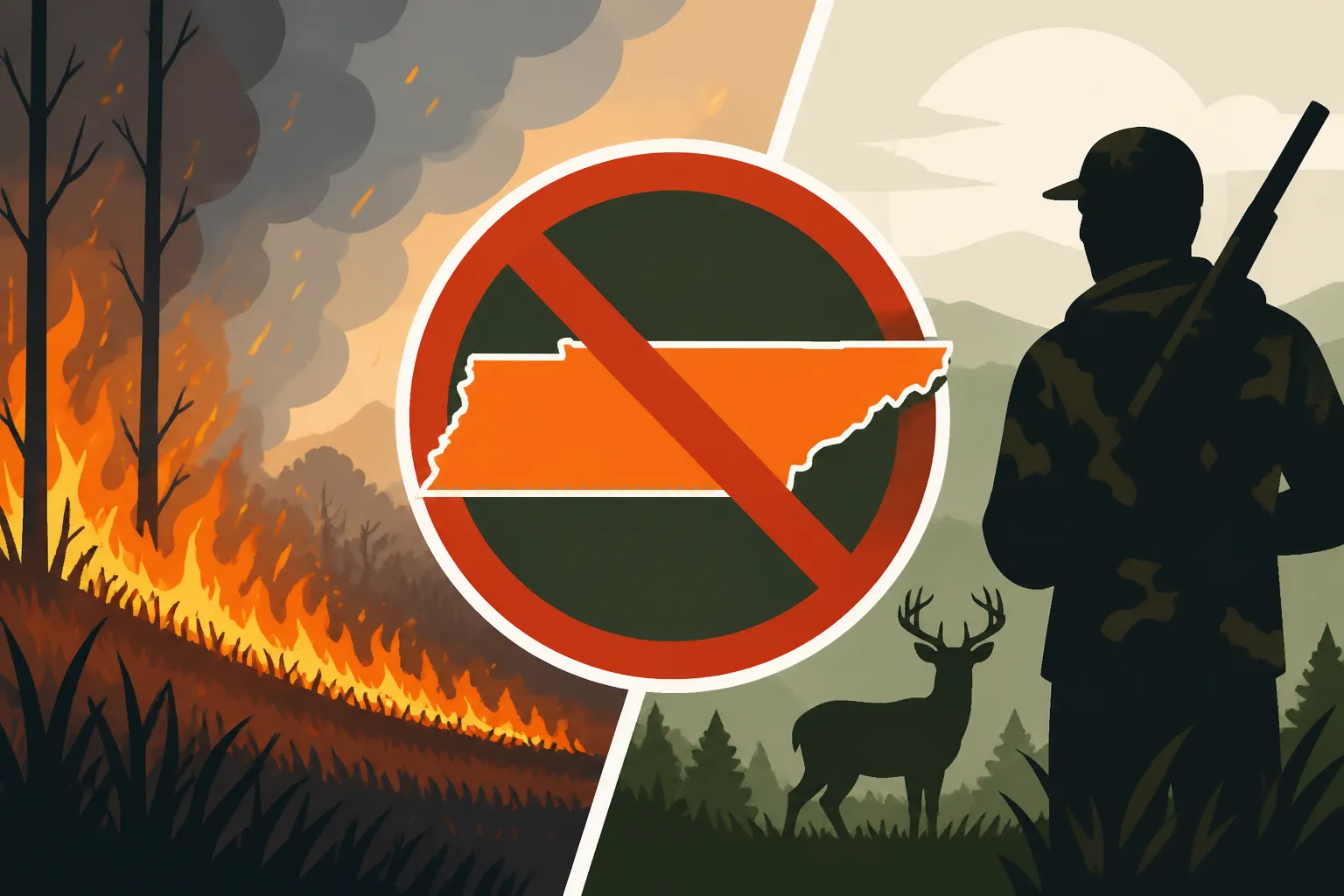
There's nothing quite as frustrating as meticulously planning a hunt, driving out to your favorite public land spot in Tennessee, only to be greeted by an unexpected "Area Closed" sign, sometimes due to a prescribed burn. It feels like a punch to the gut after all that scouting and anticipation. These intentional fires are a crucial part of managing our wild lands, but understanding their purpose and impact, especially on hunting access and strategy, can be a real game-changer. This guide will walk you through everything you need to know about prescribed burns and how they affect your Tennessee hunting plans.
Understanding Prescribed Burns in Tennessee's Ecosystem
Prescribed burns might sound alarming at first, bringing to mind uncontrolled wildfires. However, these are highly controlled, carefully planned events designed to benefit our state's ecosystems and, by extension, our wildlife and hunting opportunities. They're not haphazard; they're an essential tool in land management.
Why Tennessee Uses Prescribed Fire
The primary reason land managers in Tennessee, from the Tennessee Wildlife Resources Agency (TWRA) to the U.S. Forest Service, employ prescribed fire is for ecological health. Think of it as a natural reset button. Historically, much of Tennessee's landscape experienced regular, low-intensity fires, often started by lightning or Native American practices. These fires cleared out underbrush, recycled nutrients, and promoted the growth of specific plant communities that thrive on periodic disturbance.
Without fire, many of our forests become choked with dense undergrowth and shade-tolerant species, which can outcompete valuable food sources for wildlife. When a prescribed burn sweeps through, it removes this competing vegetation, allowing sunlight to reach the forest floor. This encourages a flush of new, nutritious growth – tender shoots, forbs, and grasses that are highly palatable to deer. It also reduces the fuel load, which is critical for preventing catastrophic wildfires that can devastate large tracts of timber and destroy wildlife habitat. Habitat Work on Tennessee WMAs often includes these types of management strategies.
For hunters, these benefits are direct. Deer, turkeys, and even small game like rabbits and quail thrive in these post-burn environments. The improved browse means healthier deer with better antler development and higher fawn survival rates. Turkeys find an abundance of insects exposed and easily accessible in the cleared understory. The open conditions also make it easier for birds to move and for hunters to spot game.
Who Conducts Prescribed Burns and When
Prescribed burns are typically carried out by trained professionals from various state and federal agencies. In Tennessee, you'll most often encounter burns conducted by the Tennessee Wildlife Resources Agency (TWRA) on our numerous Wildlife Management Areas (WMAs), the U.S. Forest Service within areas like the Cherokee National Forest Hunting, and sometimes Tennessee State Parks or private timber companies. These are not rogue operations; they are meticulously planned with specific objectives, carefully chosen weather windows, and a team of certified firefighters on standby.
The timing of these burns is crucial and often dictated by specific ecological goals and weather conditions. Generally, you'll see prescribed fires conducted in the late fall, winter, and early spring. These seasons offer cooler temperatures, higher humidity, and predictable winds, which are ideal for controlling fire spread. However, this timing can, and often does, overlap directly with many hunting seasons. Deer season, particularly the late archery and muzzleloader periods, and early spring turkey season are prime times for these essential land management practices.
Before a burn, conditions like wind direction, humidity, air temperature, and fuel moisture are all rigorously assessed. They need specific parameters to ensure the fire stays within its designated boundaries and achieves its objectives without becoming a wildfire. This is why a burn might be scheduled for weeks and then postponed multiple times until the perfect window emerges. This unpredictability can make planning hunting trips challenging, but it underscores the safety and effectiveness measures in place.
Navigating Hunting Closures Due to Prescribed Burns
Encountering a hunting closure due to a prescribed burn can be frustrating, especially if you've driven a long way. However, knowing how to anticipate and navigate these closures is key to a successful season on Tennessee's public lands. It's all about being informed and flexible.
Identifying Potential Burn Areas and Closures
The best defense against a surprise closure is proactive research. Land management agencies don't keep these plans a secret. The TWRA, U.S. Forest Service, and Tennessee State Parks all have dedicated sections on their websites where they announce upcoming prescribed burns and current closures. It's not always a single, easy-to-find list, but with a bit of digging, you can find the information. You can often check the specific WMA or National Forest district you plan to hunt. They might also post updates on their social media channels or have physical signs posted at access points to the affected areas.
Before any hunting trip, especially to public land, make it a habit to check the relevant agency's website for updates. Nothing stings more than spending hours scouting a spot only to find it's closed on opening morning. Mapping applications can be incredibly helpful here. Tools like onX Hunt offer detailed public land boundaries and often show designated management units, which can give you clues about where burns might occur. While onX Hunt might not show live burn data, understanding the land manager (e.g., TWRA or USFS) for a specific parcel will guide you to the correct agency website for burn information. Similarly, a platform like GoHunt might offer broader insights into habitat management trends in certain regions, helping you identify areas prone to such activities.
Temporary Closures Versus Post-Burn Access
It's important to differentiate between a temporary closure during an active burn and access after a burn. When a prescribed fire is actively being conducted, the area will be completely closed to public access. This is for your safety and the safety of the fire crews. These closures are typically short-term, often lasting only a day or two, sometimes a week, depending on the size of the burn and the need for mop-up and monitoring. Fire personnel will need time to ensure all hot spots are out and the area is truly safe for public entry.
However, once the immediate danger has passed and the area is deemed safe, it will reopen. And this is where the real opportunity for hunters can begin. While the immediate aftermath might look stark – blackened trees and scorched earth – it quickly gives way to new life. Deer, turkeys, and other game species will often move back into burned areas surprisingly fast, drawn by the new green-up and the sudden availability of previously inaccessible food sources. The increased visibility in a burned forest, at least initially, can also be a significant advantage for hunters, making it easier to spot game and track trails. Finding Ground Others Walk Past might mean looking at these recently burned areas.
Planning Around Known Burn Schedules
Being prepared means integrating burn schedules into your overall hunting plan. If you know a particular WMA or section of the Cherokee National Forest is scheduled for a burn, don't just write it off for the season. Instead, use that information to your advantage. First, have alternative hunting locations in mind. This is always a good strategy for public land hunters, as pressure, mast crop failures, or other closures can derail plans.
Second, consider hunting after the burn. While it might not be the pristine forest you envisioned, the ecological benefits will often create improved hunting conditions within weeks or months. New browse, exposed acorns, and better visibility can concentrate deer. For turkeys, the fresh ground makes bugs and seeds easier to find. Scouting Tennessee Public Land Before Season means looking for evidence of past burns and anticipating future ones. Use aerial maps in apps like onX Hunt to identify areas that might benefit from future burns or show signs of past fires that are now prime habitat. Look for transitions between burned and unburned areas, as these edges can be wildlife magnets.
The Impact of Fire on Game and Hunting Strategy
Prescribed fire isn't just about managing forests; it's about shaping the very environment that Tennessee's game animals call home. Understanding how these fires affect wildlife in both the short and long term can give you a significant edge in your hunting strategy.
Short-Term Effects on Wildlife Movement
During an active prescribed burn, most animals will, understandably, move out of the immediate vicinity. Deer, bears, turkeys, and small game have an innate sense of danger and will flee the smoke and flames. This temporary displacement is usually short-lived. Most animals simply move to an adjacent, unburned patch of timber, a nearby creek bottom, or a field edge. They don't typically travel miles away; they find the closest safe haven.
What's fascinating is how quickly they return. As soon as the flames subside and the smoke clears, animals are often seen re-entering the burned area. Why the rush? Because the fire has instantly created a buffet of new food. The fresh green shoots that emerge almost immediately after a burn are highly nutritious and attractive to deer. Turkeys will move in to gobble up insects that were previously hidden by leaf litter or vegetation. While the initial few days might see a scramble for new bedding and feeding patterns, wildlife tends to normalize its behavior in the burned landscape surprisingly fast.
Long-Term Habitat Benefits and Hunting Opportunities
The real magic of prescribed fire unfolds over the long term. Beyond the immediate flush of new growth, burns fundamentally alter the forest structure, creating a more diverse and healthier habitat. By reducing dense mid-story vegetation, sunlight can penetrate to the forest floor, promoting the growth of native grasses, forbs, and legumes. These are vital food sources for White-Tailed Deer Across Tennessee, offering superior nutrition compared to the woody browse often found in unmanaged forests.
For turkeys, the cleared understory makes foraging much easier, providing access to a wider variety of insects, seeds, and acorns. This translates to healthier birds and potentially higher brood survival rates, which contributes to Tennessee Turkey Population Trends. Small game like rabbits and quail also benefit from the diverse early successional habitat that prescribed burns create. The new cover and food sources help sustain robust populations. From a hunter's perspective, this means more game and often, healthier animals in the areas that have been regularly managed with fire. It's very similar to the benefits seen when Hunting a Clear-Cut Regrowth Edge, where new growth attracts deer.
The long-term benefits also include improved visibility. While a dense, mature hardwood forest might hold plenty of deer, actually seeing them can be a challenge. A controlled burn clears out the sight-obscuring brush, allowing for longer sightlines and better opportunities to spot game moving through the timber. It also makes tracking easier, as trails are often more apparent against a blackened forest floor.
Adjusting Your Hunting Tactics After a Burn
Hunting a recently burned area requires a slight shift in tactics, but it can be incredibly rewarding. First, focus your attention on the edges of the burned zones, especially where they meet unburned timber, agricultural fields, or water sources. Deer and other game will often gravitate to these transition areas, utilizing the new food in the burn and the security cover of the unburned sections. Look for freshly burned areas that are showing the first signs of green-up; these will be irresistible.
When you enter a burned area, pay close attention to the ground. Tracks and droppings can be much easier to spot in the fine ash, giving you clear indications of recent deer movement. This is where meticulous scouting, even after the season starts, can really pay off. Consider your scent control even more rigorously. While fire can remove some natural scents from the landscape, any residual smoke smell might be unusual to deer, and your human scent will stand out even more on a relatively "clean" forest floor.
Finally, think about how the burn affects wind and thermals. A more open understory can sometimes alter how air moves through a forest, particularly on ridgelines. If you're Reading a Ridge for East Tennessee Deer or Hunting West Tennessee Bottomland Deer in areas that have seen recent burns, take extra care to understand the new air currents. Using a mapping app like onX Hunt to mark potential stand locations based on prevailing winds and burn patterns can be extremely effective.
Tools and Resources for Staying Informed
Staying on top of prescribed burn schedules is crucial for avoiding frustration and maximizing your hunting success in Tennessee. Fortunately, there are several reliable sources and tools available to help you keep tabs on what's happening on our public lands.
Official Sources for Burn Information
The most accurate and up-to-date information on prescribed burns will always come directly from the land management agencies responsible for the burns. For state lands, including many of Tennessee's WMAs and State Parks, the Tennessee Wildlife Resources Agency (TWRA) website is your first stop. Look for sections related to wildlife management, public lands, or specific WMA pages. They often post news releases or dedicated sections detailing current and upcoming burn plans. Similarly, the U.S. Forest Service website, particularly for regions like the Cherokee National Forest, will have information on their burn schedules.
Don't hesitate to check local district offices' websites or even give them a call if you can't find specific information online. While phone calls should be a last resort for general inquiries, for critical information like closures impacting your hunt, it can be invaluable. Subscribing to email newsletters or following the social media accounts of these agencies can also provide timely alerts right to your inbox or feed, often warning you of closures that might affect Public Hunting Land in Tennessee.
Utilizing Mapping and Scouting Apps
Modern technology has revolutionized how we scout and plan our hunts, and that includes staying informed about prescribed burns. While most hunting apps won't show live burn boundaries, they are indispensable for understanding the context of potential burn areas and navigating public lands.
onX Hunt is an excellent example, offering incredibly detailed maps with public and private land boundaries, ownership information, and various topographic and satellite imagery layers. You can mark areas that have been recently burned (based on official reports or visual scouting) and plan your access routes accordingly. Knowing which agency manages a specific piece of public land via onX Hunt allows you to then go directly to that agency's website for specific burn schedules. Many users also find that post-burn, the clearer ground shows up well on satellite imagery in the months following, allowing you to identify these areas for future hunts.
Similarly, platforms like GoHunt offer advanced mapping and planning tools, although they often focus on Western states, their principles apply. The key is to use these tools for understanding the terrain, identifying access points, and marking potential hot spots after a burn has occurred. You can use these apps to cross-reference burn information with topographical features like ridges, saddles, and creek bottoms, predicting how deer might move in response to the altered habitat. Always cross-reference the information you get from apps with official agency reports to ensure you have the most current closure data. The best strategy is a combination of official reports and powerful digital mapping tools.
| Aspect | Pros of Prescribed Burns for Hunters | Cons/Challenges for Hunters |
|---|---|---|
| Habitat Quality | Improves browse for deer, increases insects for turkeys, enhances overall ecosystem health. | Temporary reduction in dense cover for bedding immediately after fire. |
| Hunting Access | Creates new hunting opportunities in rejuvenated areas; easier movement and visibility. | Leads to temporary hunting closures during active burn operations. |
| Wildlife Behavior | Attracts game to new growth and exposed food sources quickly after the burn. | Causes temporary displacement of game during the active burn. |
| Planning | Allows for strategic hunting in areas known for recent burns and new growth. | Requires proactive research to avoid unexpected closures. |
| Visibility | Clears underbrush, improving sightlines for spotting game and tracking. | Initial appearance can be stark; may lack aesthetic appeal. |
Disclaimer
This article is for general informational purposes only and does not constitute professional advice. Laws, prices and regulations vary by location and change over time. Consult a qualified professional for guidance on your specific situation.