Hunting Deer After a January Cold Front
January deer behavior changes after cold fronts in Tennessee, requiring hunters to target high energy food sources and thermal cover.
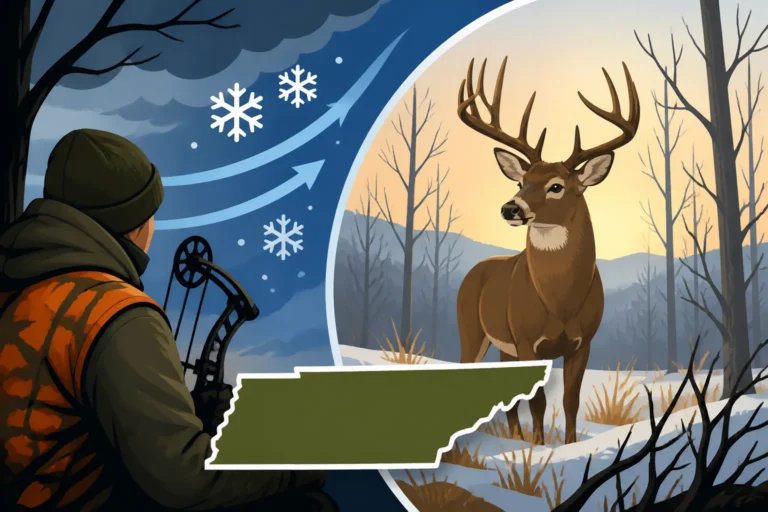
January deer behavior changes after cold fronts in Tennessee, requiring hunters to target high energy food sources and thermal cover.
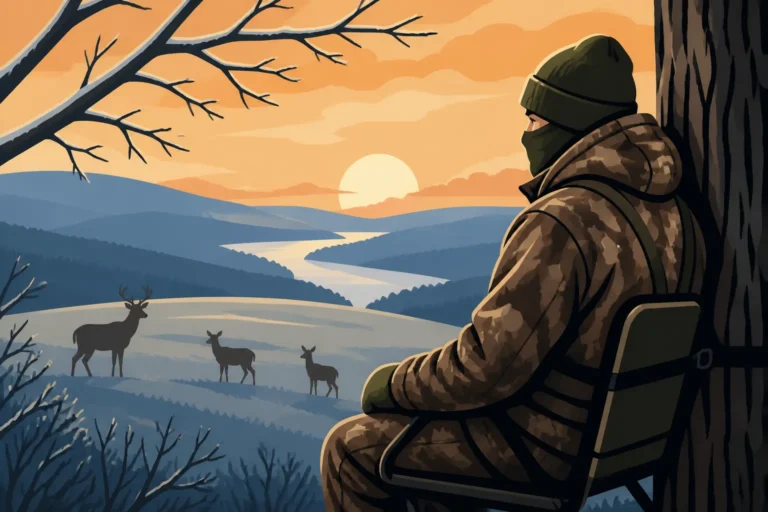
Cold-weather sitting strategies help deer hunters manage Tennessee winter humidity, wind, and sudden temperature drops during long sits.
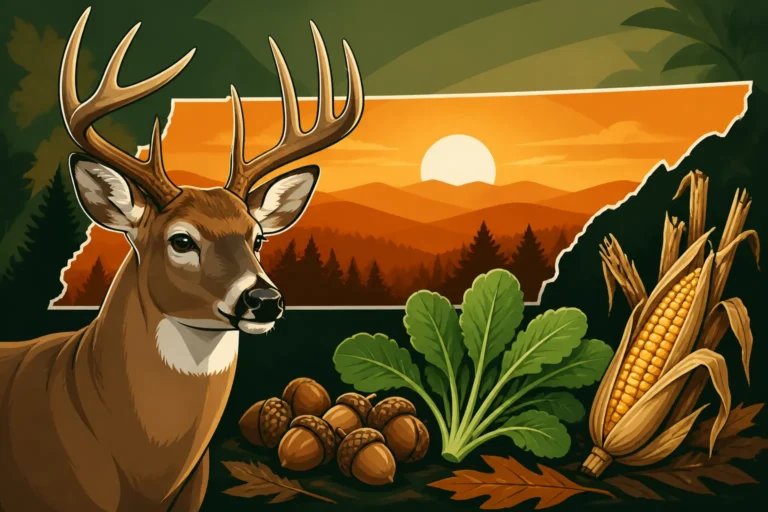
Late-season Tennessee whitetails shift feeding patterns to remaining red oak acorns and beech nuts along creek bottoms and north-facing slopes.
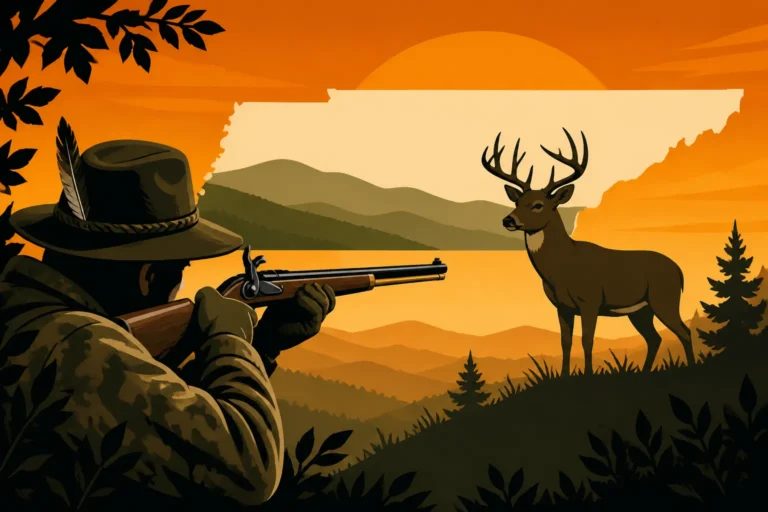
Tennessee muzzleloader season dates and Deer Management Unit antlerless harvest limits help hunters plan November hunts.
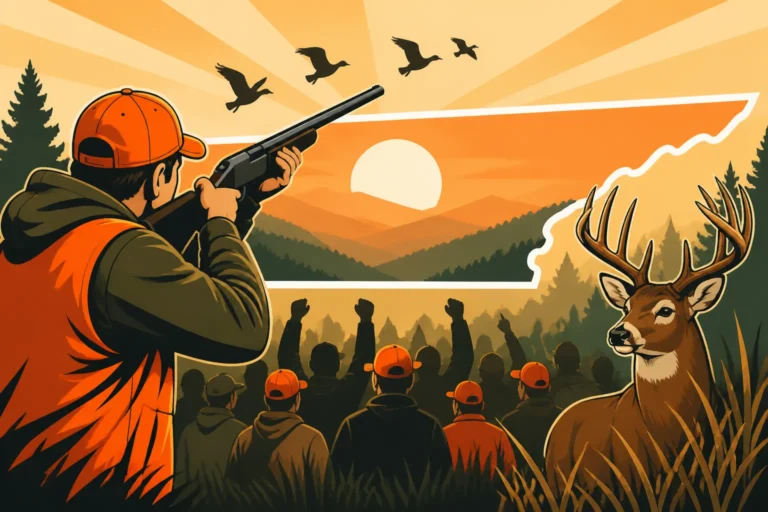
Tennessee deer hunting season draws massive crowds due to equipment accessibility, extended weapon range, and deep family traditions.
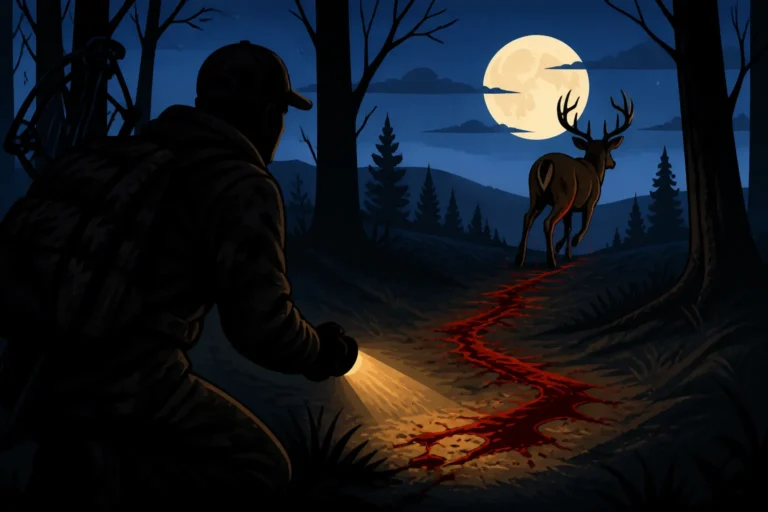
Tennessee deer hunting at night presents unique challenges, specific recovery strategies, and gear requirements for finding lost game.

Tracking wounded deer through Tennessee leaf litter requires waiting periods, marking impact sites, and analyzing blood clues.
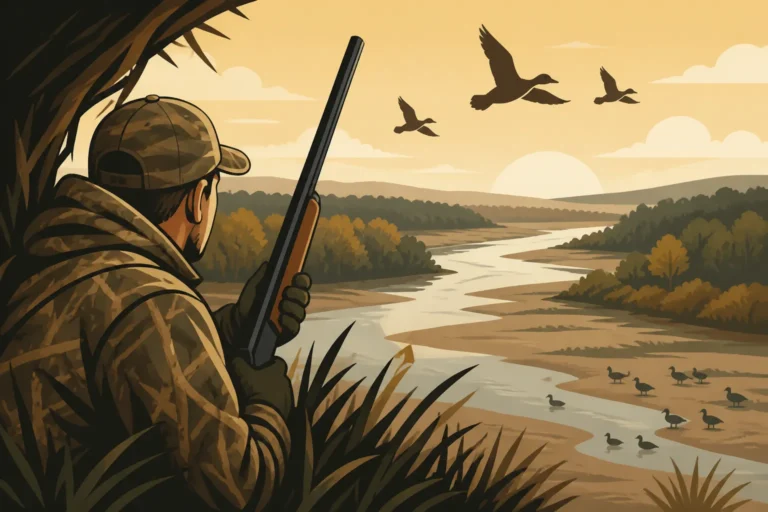
Strategic post placement in Tennessee river bottom deer drives helps hunters intercept elusive whitetails using natural escape routes.
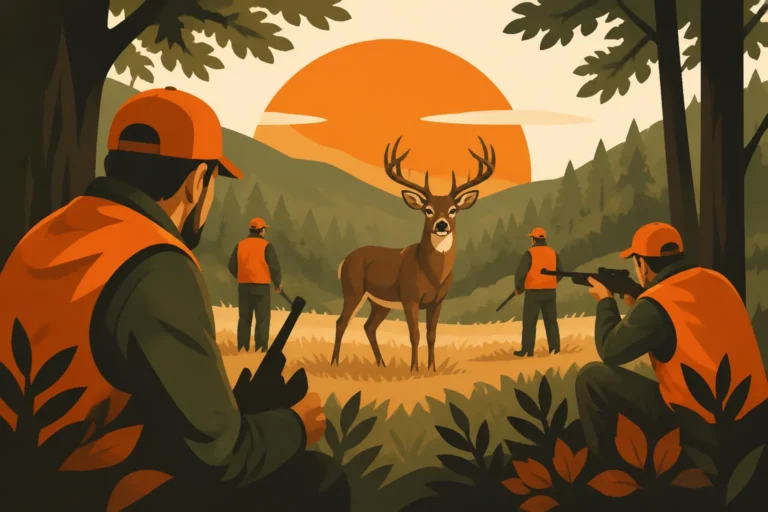
Small deer drives in Tennessee let three or four hunters guide whitetails through dense cover toward strategic shooting posts.
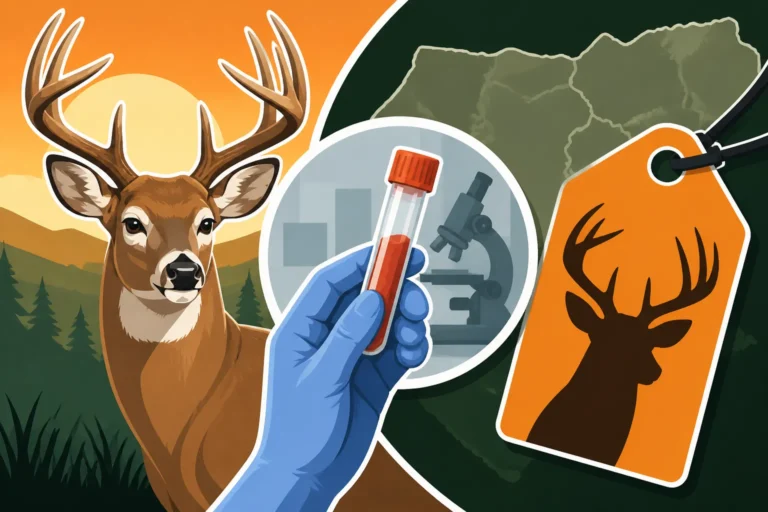
Tennessee Wildlife Resources Agency Earn-a-Buck program rules let hunters earn an additional buck tag through CWD testing.