Decoy Placement for Pressured Tennessee Birds
Decoy placement strategies help Tennessee hunters outsmart pressured turkeys and waterfowl in heavily hunted public areas.
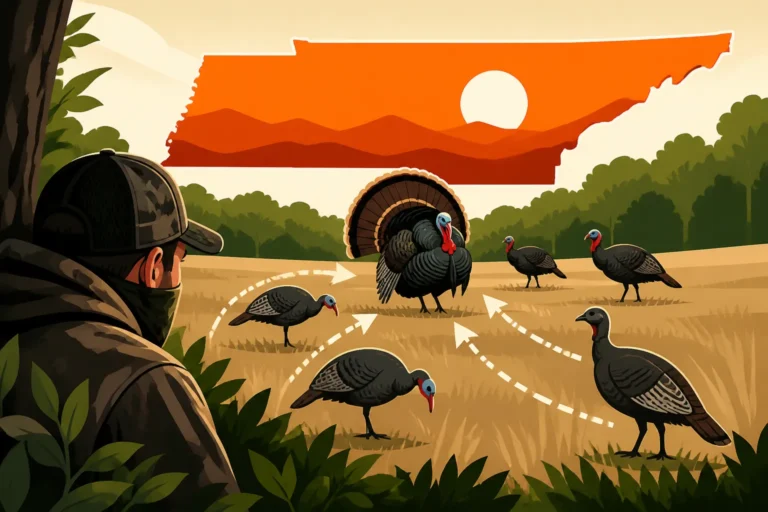
Decoy placement strategies help Tennessee hunters outsmart pressured turkeys and waterfowl in heavily hunted public areas.
Tennessee spring turkey hunting regulations limit hunters to two bearded birds, requiring strategic planning across public and private land.
Tennessee wild turkeys go silent in May during the spring season because of post-peak breeding behavior and heavy hunting pressure.
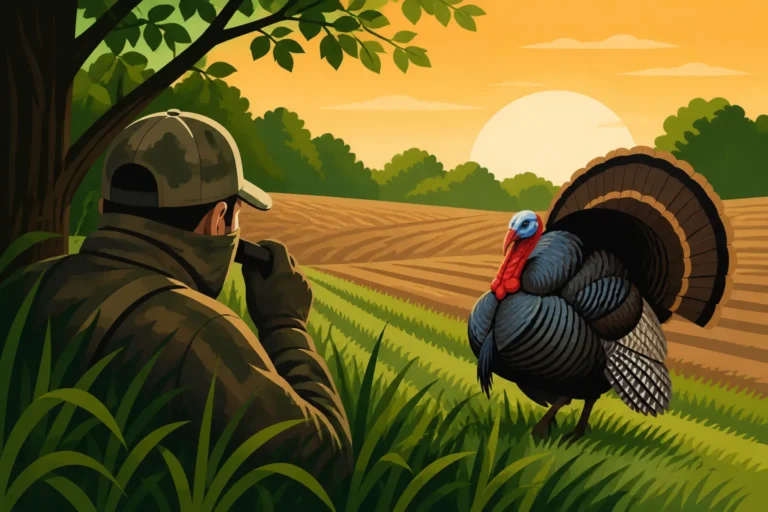
Farmland turkey behavior patterns and scouting methods help hunters master strategic setups and calling along crop field edges.
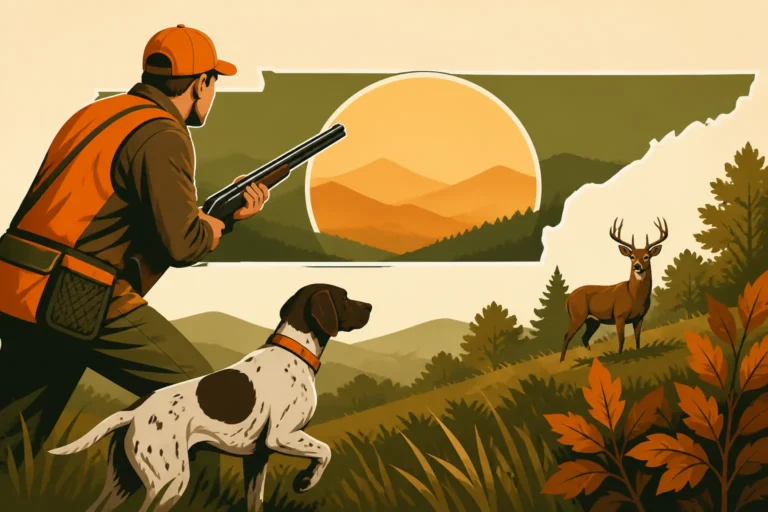
Tennessee public land deer hunting mobility tactics help hunters outsmart pressured whitetails and locate unpressured deer.
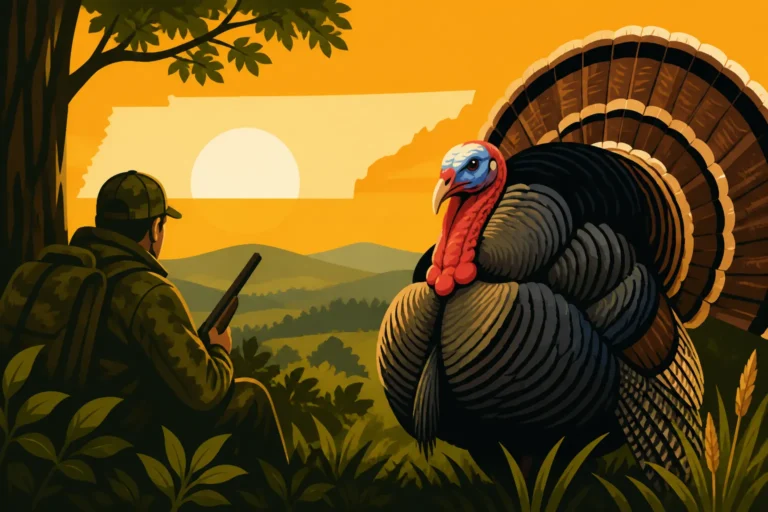
Tennessee turkey hunting strategies explain how to handle high hunting pressure and unpredictable April weather during the spring opener.
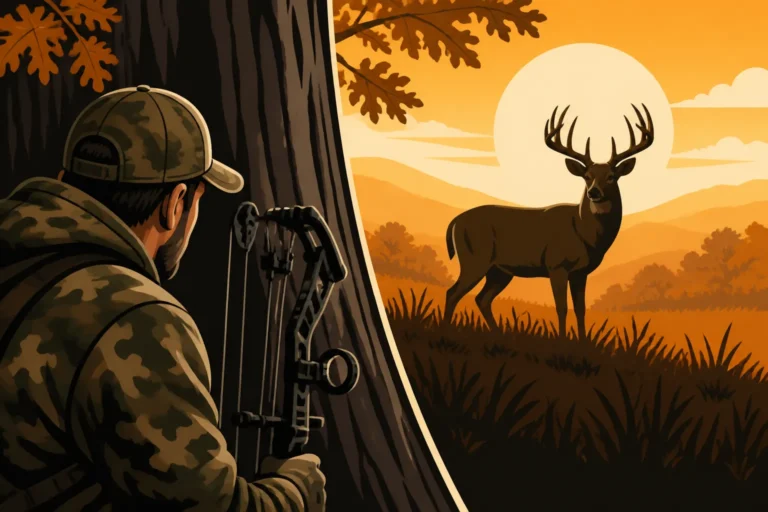
Hunting big oak trees in Tennessee requires tracking white oaks and red oaks, checking wind direction, and finding deer travel routes.
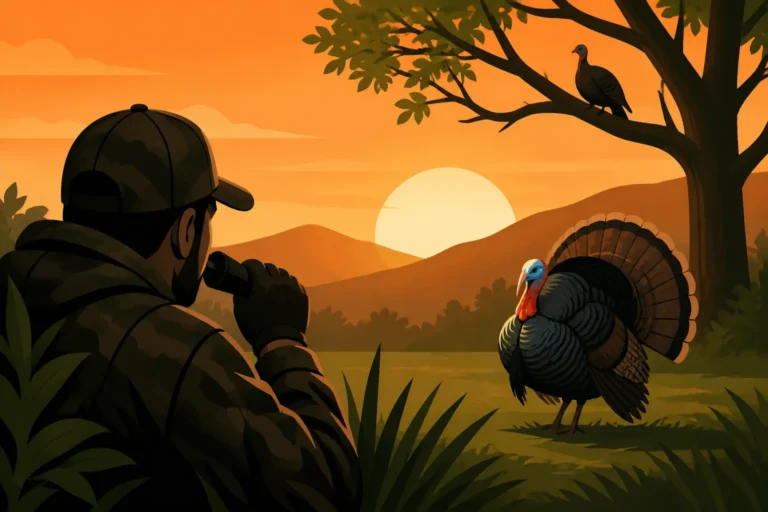
Tennessee turkey hunting tactics explain how to position within 100 to 150 yards, mimic morning routines, and coax gobblers down.
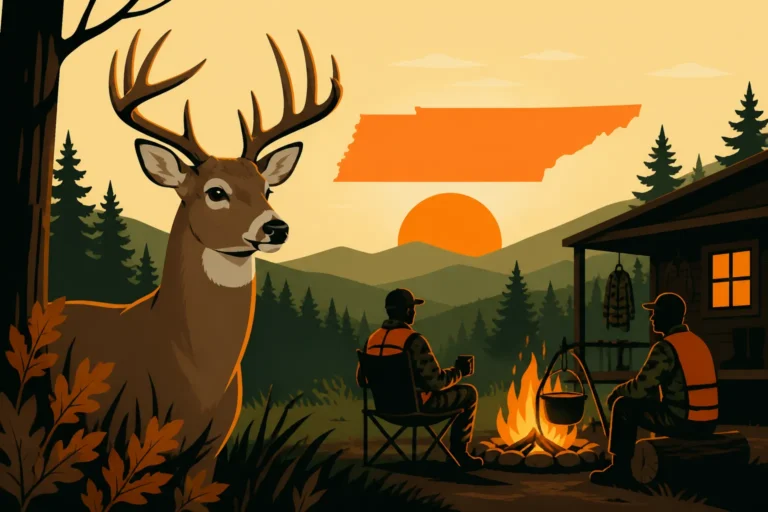
Tennessee deer camp traditions unite families across the Volunteer State through shared meals, storytelling, and generational whitetail hunting rituals.
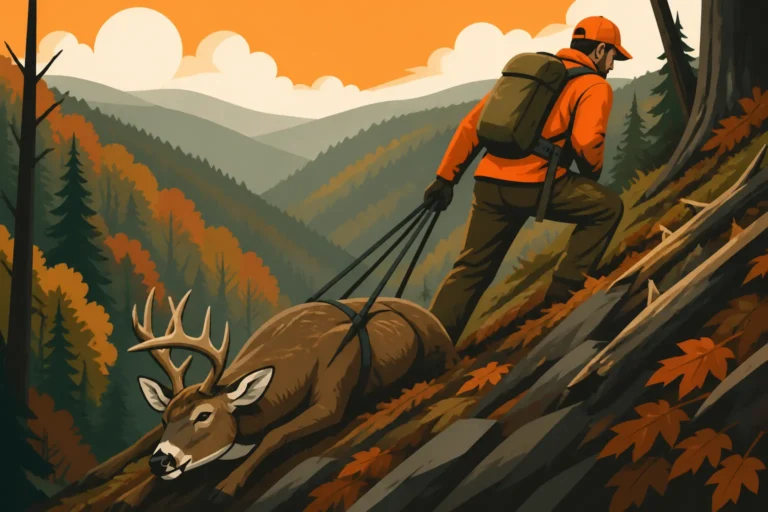
After the shot, a hunter should assess shot placement and wait before descending, since rushing can push a marginally hit deer deeper into a steep hollow.