Red Dots on a Turkey Shotgun
Red dot sights on turkey shotguns replace traditional bead sights to improve accuracy on a gobbler in the Cherokee National Forest.
See it before it sees you.
Binoculars, spotting scopes, and rangefinders, plus packs, boots, layering systems, blinds, and stands that earn their weight.
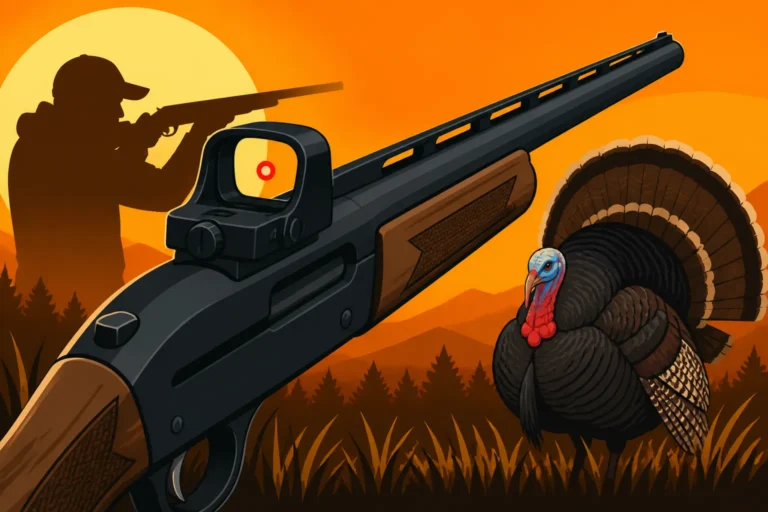
Red dot sights on turkey shotguns replace traditional bead sights to improve accuracy on a gobbler in the Cherokee National Forest.
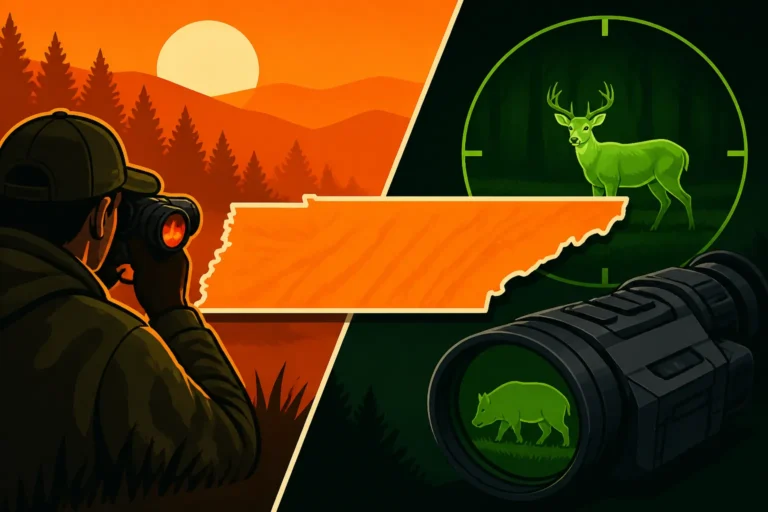
Tennessee hunting regulations for thermal and night vision optics, standard daylight hours, and legal low light usage limits.

Cold Tennessee air and breath moisture cause lens condensation, and hunters learn prevention strategies to keep views clear.
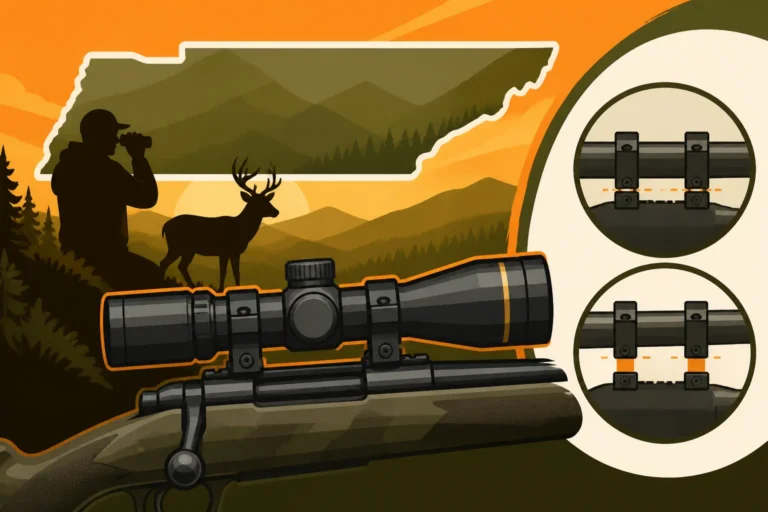
Scope mounting and ring height dictate eye relief, cheek weld, and parallax to ensure consistent rifle accuracy for hunters.
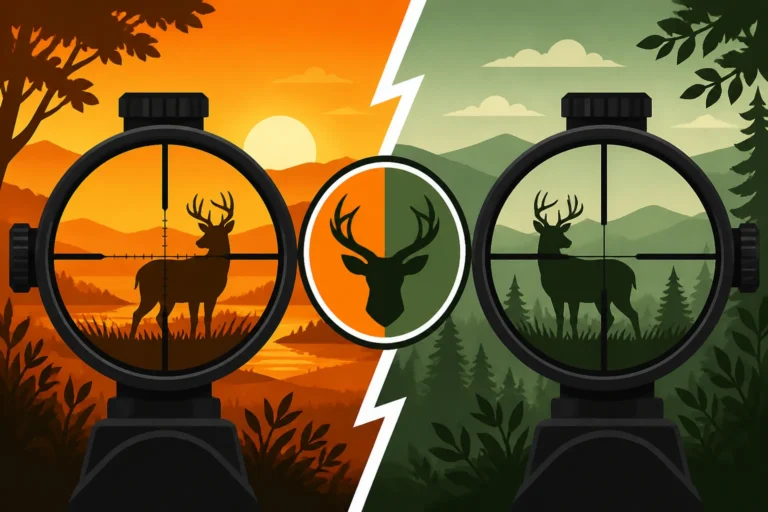
First focal plane and second focal plane rifle scopes differ in reticle scaling, magnification adjustments, and hunting applications.
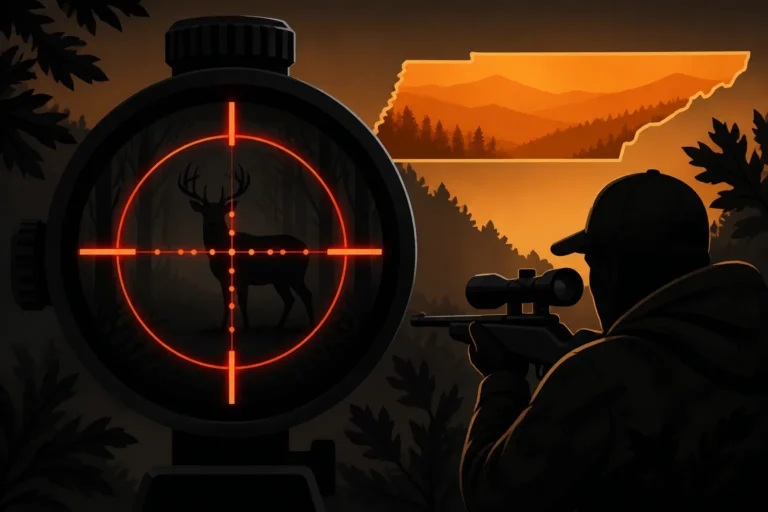
Illuminated reticles solve low visibility issues when hunting mature deer in Tennessee forests during dawn, dusk, or overcast days.

Low-light performance in a hunting scope explains how optical engineering and lens design help Tennessee hunters see targets clearly during dawn and dusk.

Rifle scope magnification for Tennessee deer hunting helps hunters choose optics for 75 yard timber shots or 400 yard fields.

Rangefinding binoculars combine optics and distance measurement to reduce pack weight and speed up target acquisition during hunts.
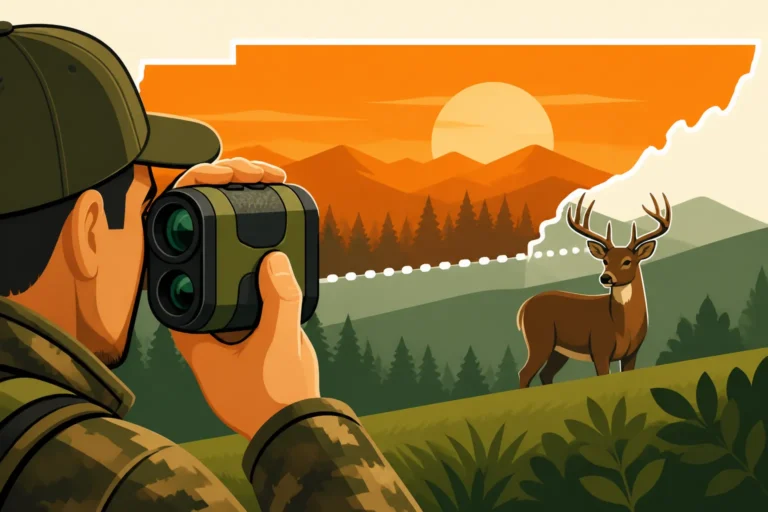
Budget rangefinders under one hundred yards provide reliable distance measurements for close range hunting in thick cover.