Tennessee Quail Decline Since the 1960s
Tennessee bobwhite quail population declines since the 1960s stem from agricultural changes and habitat loss across farms.
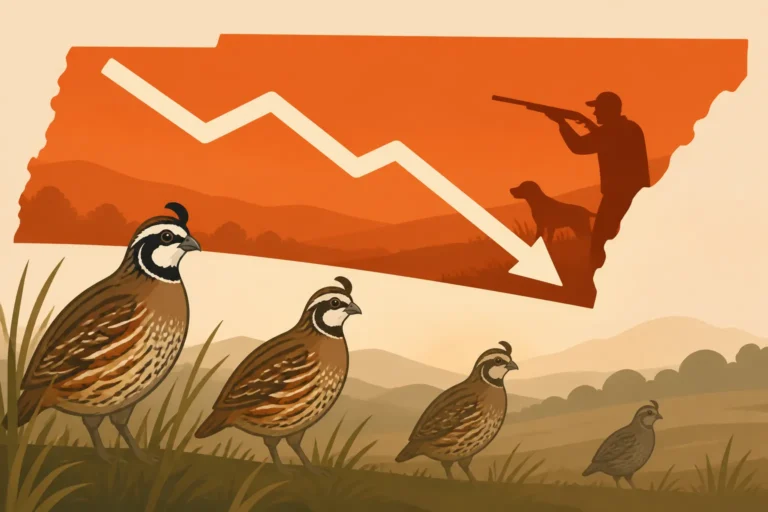
Tennessee bobwhite quail population declines since the 1960s stem from agricultural changes and habitat loss across farms.
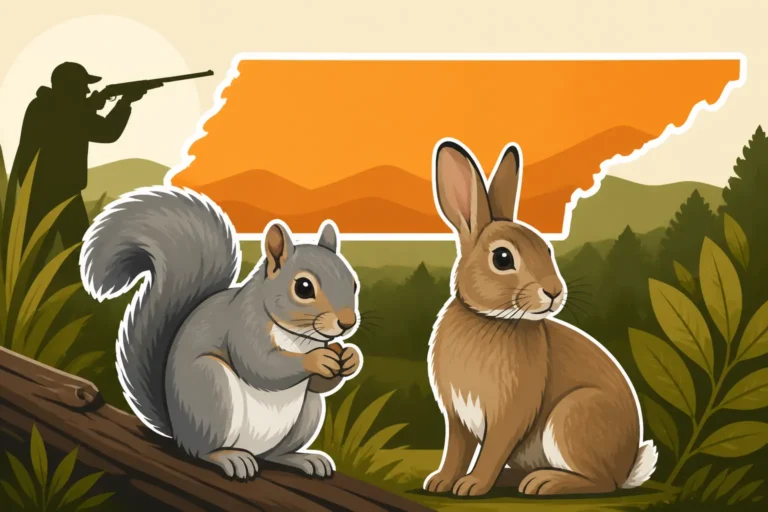
Tennessee squirrel and rabbit populations remain healthy and stable across the state, supported by abundant hardwood forests and diverse habitats.
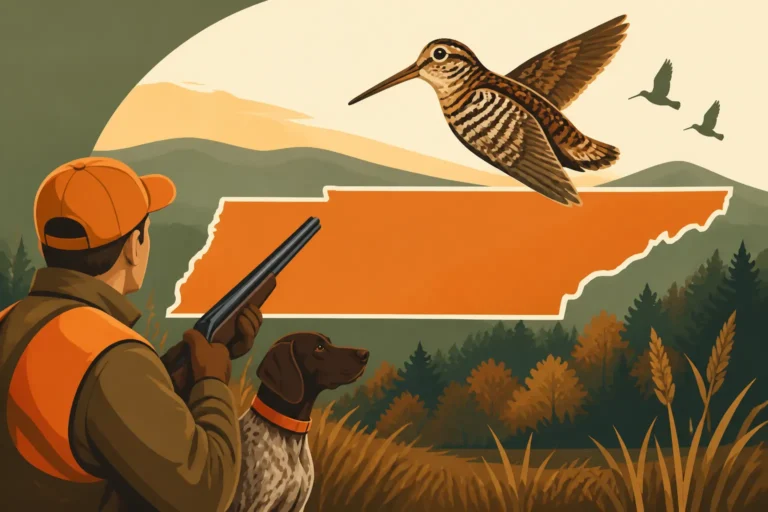
American woodcock migration patterns, preferred habitats, and hunting strategies across Tennessee are explained for regional hunters.
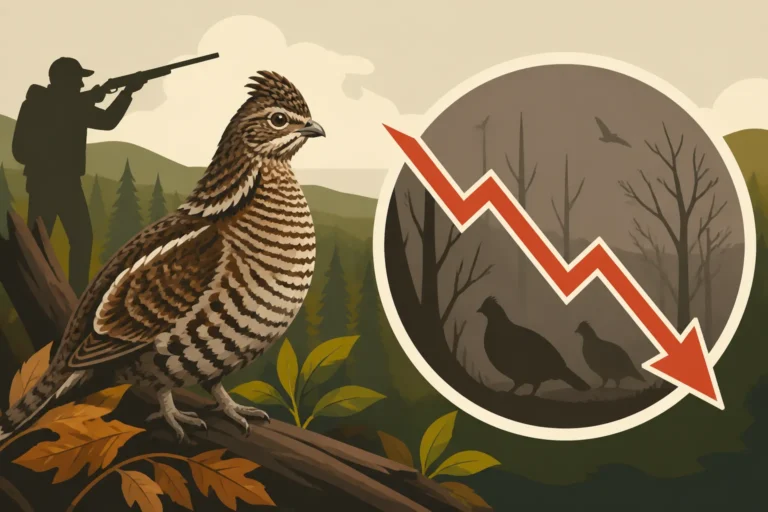
Tennessee ruffed grouse population decline explained through environmental shifts, changing forest dynamics, and conservation efforts.
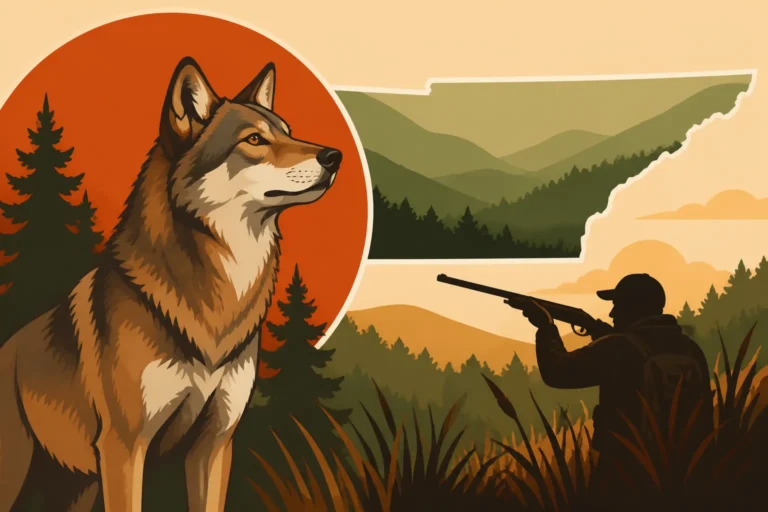
Red wolf history in Tennessee details the native apex predator, regional river habitats, and the tragic decline of Canis rufus.
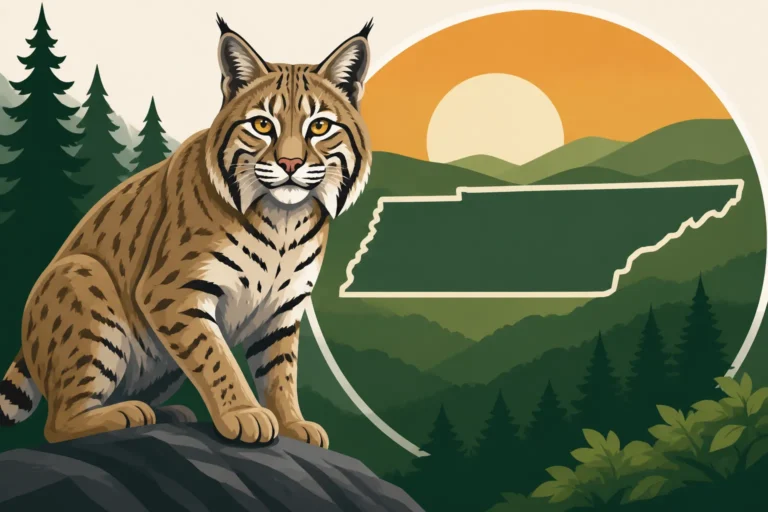
Tennessee bobcats recovered from historic declines through conservation efforts, habitat protection, and regulated wildlife management.
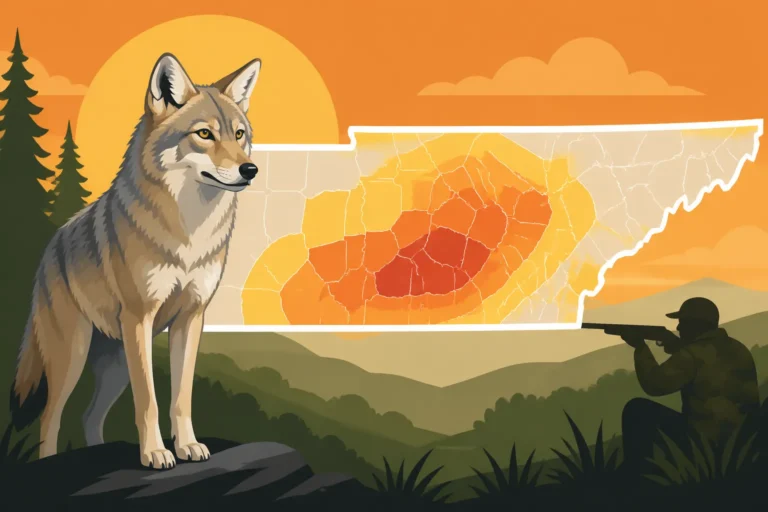
Tennessee coyote range and density details reveal where these adaptable predators live across forests and agricultural fields.
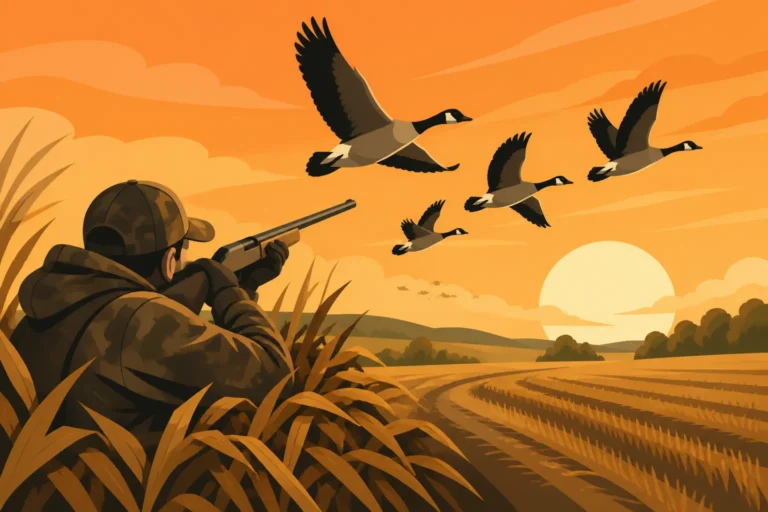
Tennessee resident Canada geese behavior, daily farmlands feeding patterns, and crucial landowner permission strategies for hunters.
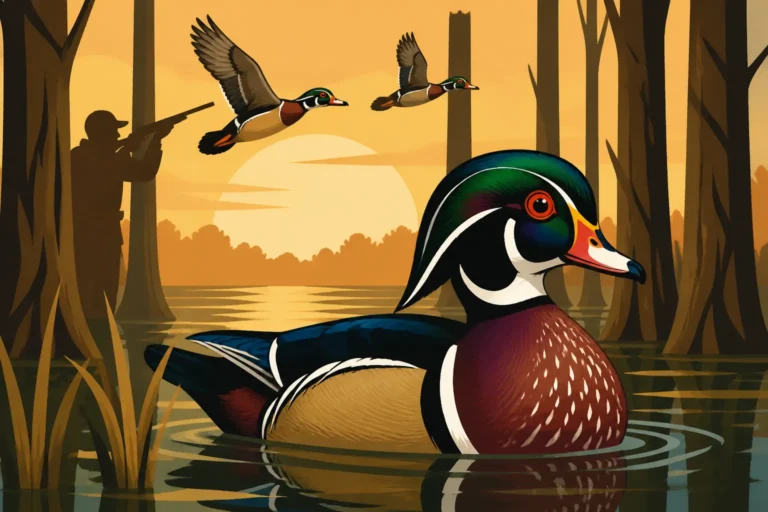
Wood duck hunting in Tennessee bottomlands requires specialized strategies for navigating flooded timber and dense cover.
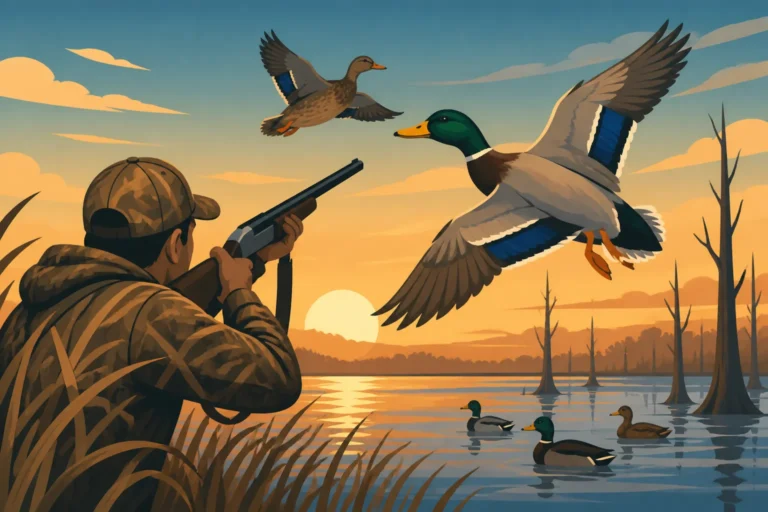
Mallard hunting at Reelfoot Lake involves navigating complex waters, unique regulations, and flooded cypress timber habitats in Tennessee.