Reporting a Sick Animal in Tennessee
Reporting sick wildlife to the Tennessee Wildlife Resources Agency protects game species, public health, and ecological balance.
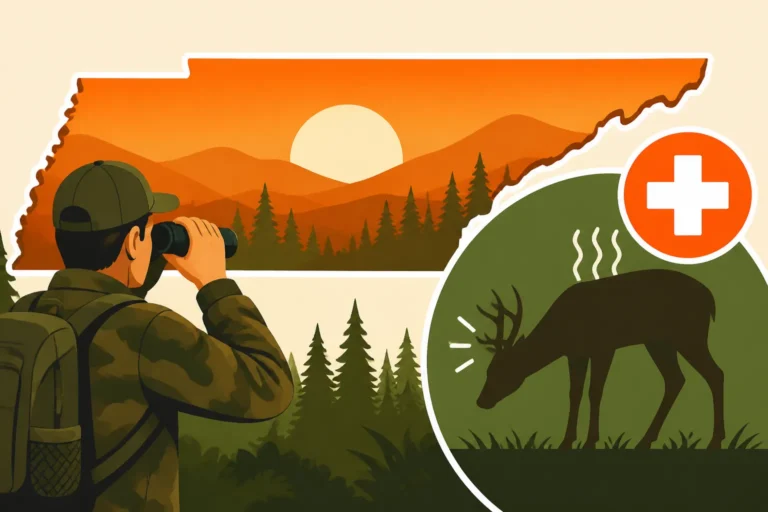
Reporting sick wildlife to the Tennessee Wildlife Resources Agency protects game species, public health, and ecological balance.
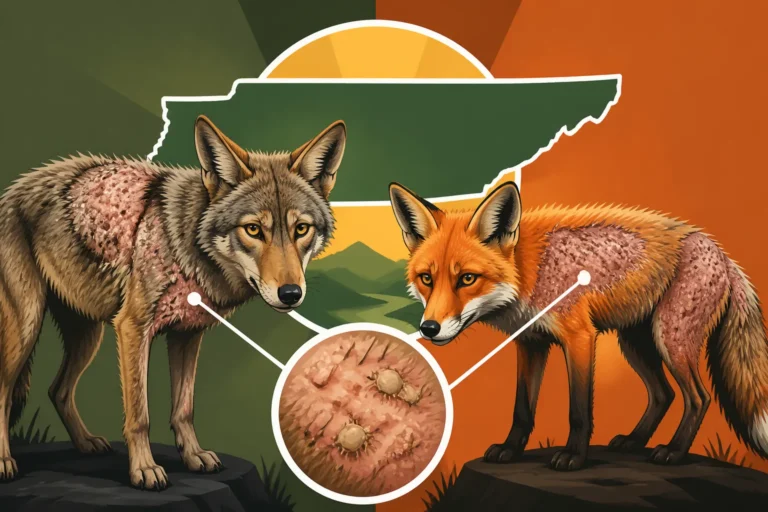
Sarcoptic mange in Tennessee coyotes and foxes is a parasitic skin infection caused by mites that burrow under skin layers.
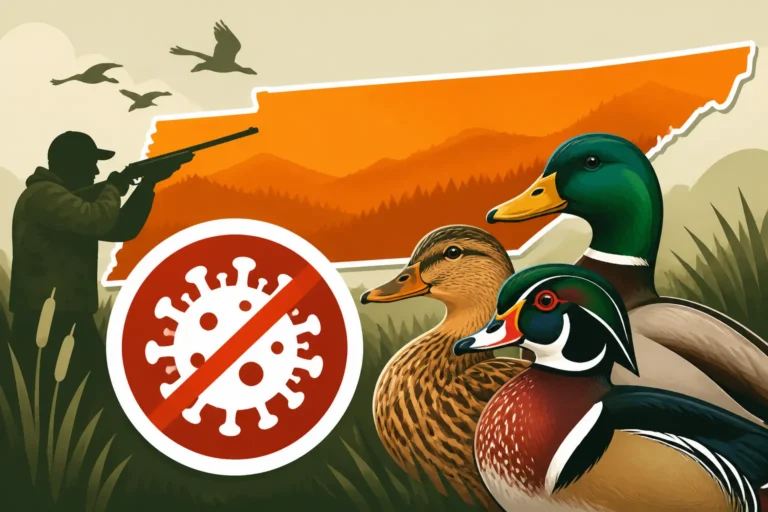
Avian influenza in Tennessee wild birds explains transmission risks, migratory waterfowl reservoirs, and safety precautions for hunters.
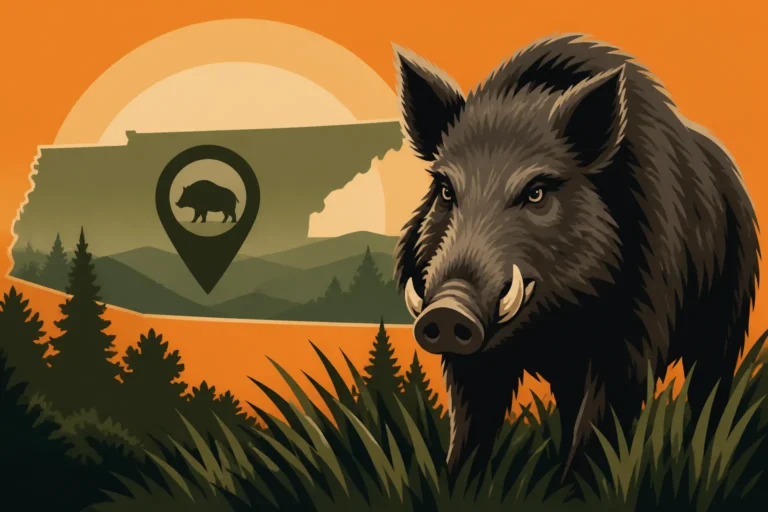
Feral swine sightings in Middle Tennessee reveal how wild hogs spread, damage ecosystems, and transmit diseases to livestock.
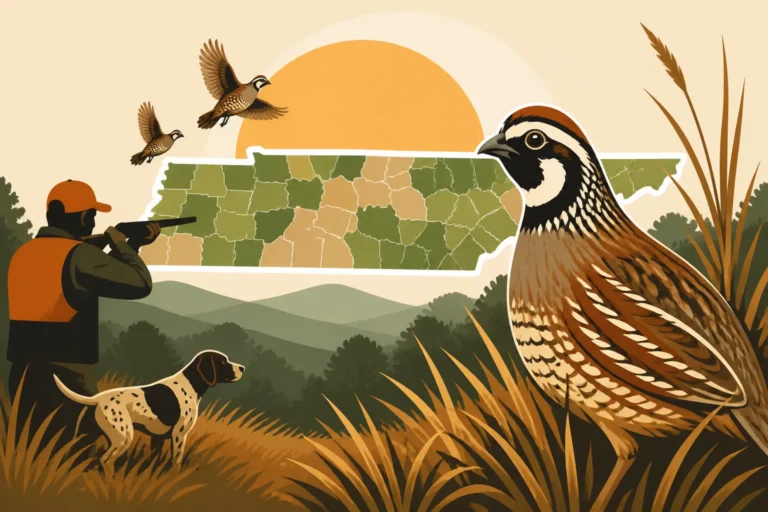
Wild Tennessee bobwhite quail populations, declining since the 1960s, require specific habitat management and scouting across local counties.
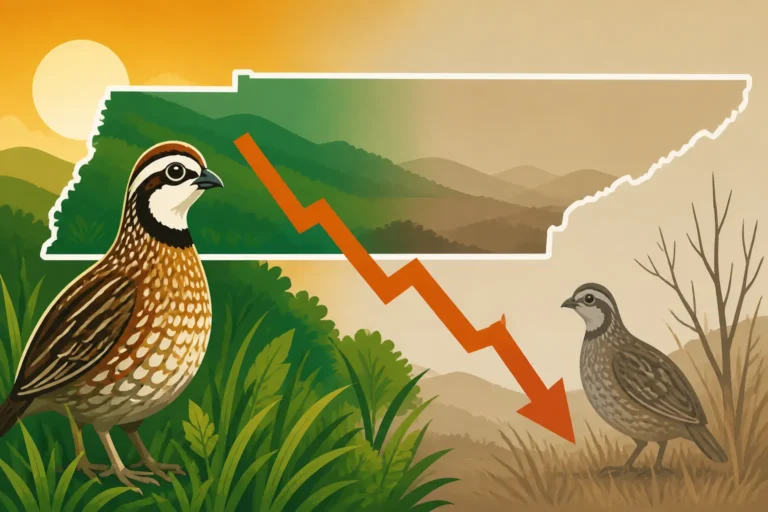
Tennessee bobwhite quail numbers and habitat fell drastically after the 1960s because small farms transformed into large agricultural operations.
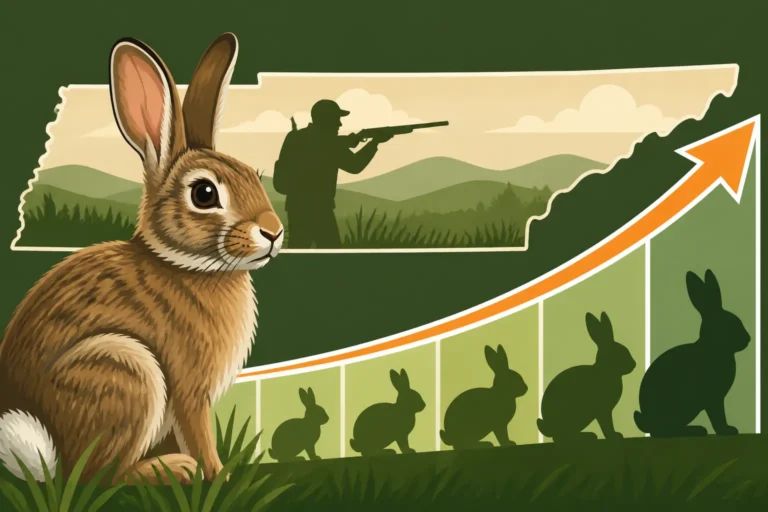
Tennessee cottontail rabbit population trends, historical abundance, and modern habitat challenges affecting hunters and conservation efforts.
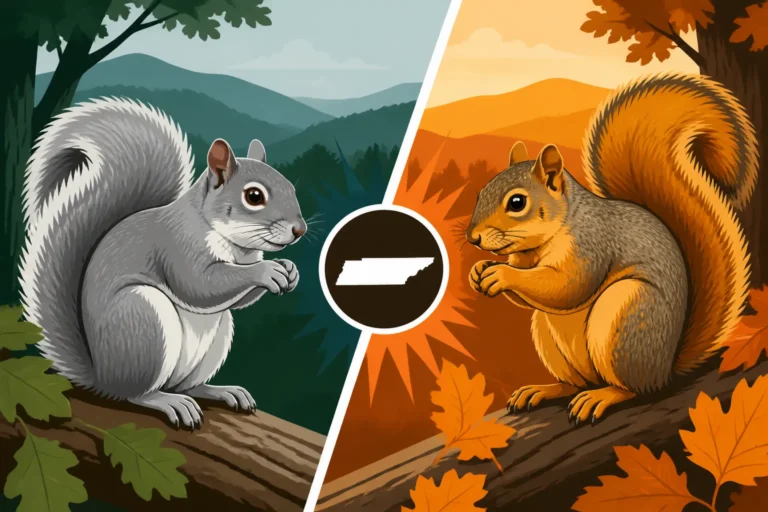
Tennessee gray squirrels and fox squirrels differ in size, weight, habitat preferences, and ground foraging behavior across woodlands.
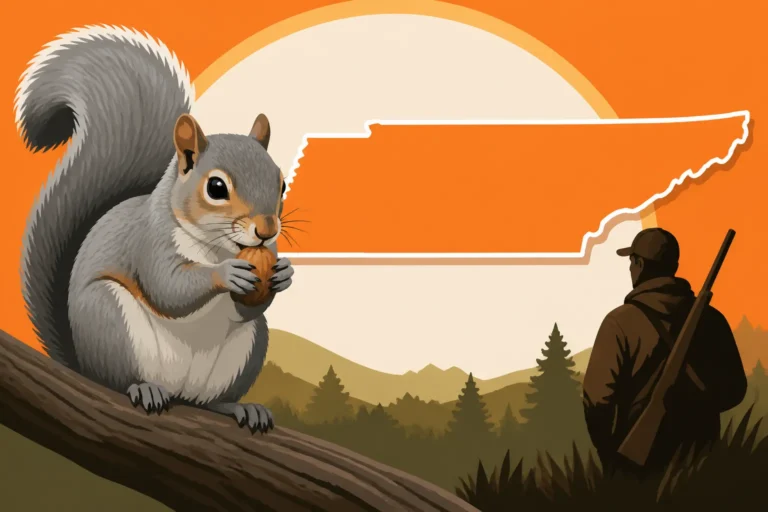
Tennessee squirrel harvest data helps hunters assess population health, track regional trends, and plan successful hunting trips.
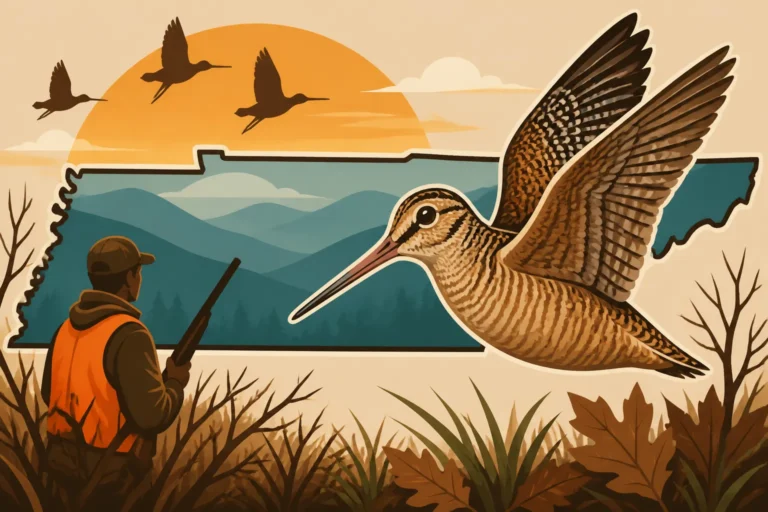
American woodcock migration through Tennessee, driven by northern weather and food availability, occurs in three distinct phases.