Tennessee Muskrat and Mink Trapping Trends
Tennessee muskrat and mink trapping trends, population dynamics, habitat details, and regulations for a successful season.
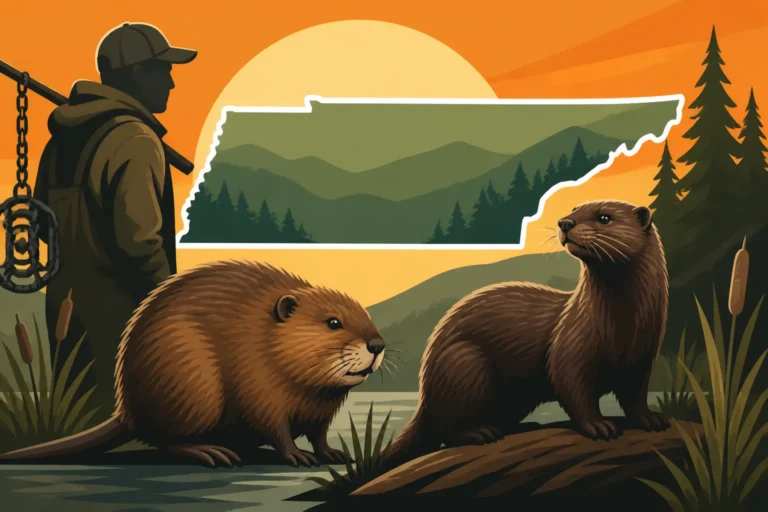
Tennessee muskrat and mink trapping trends, population dynamics, habitat details, and regulations for a successful season.
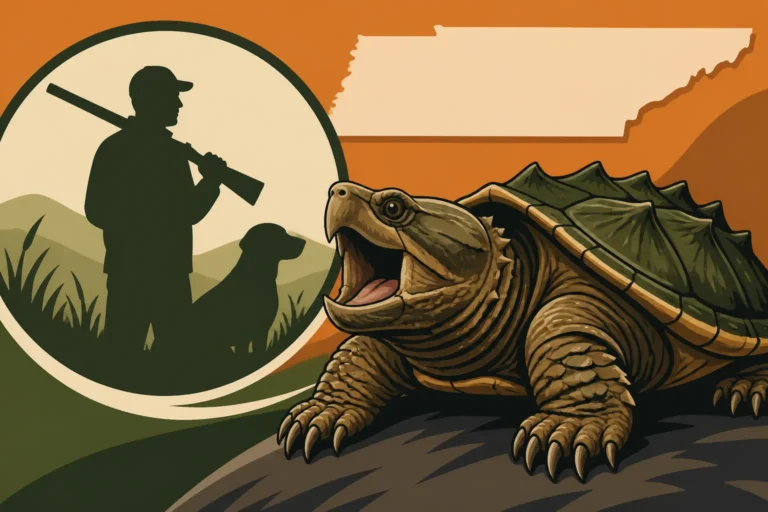
Tennessee snapping turtle harvest regulations explain how to legally take common snappers while protecting endangered alligator snappers.
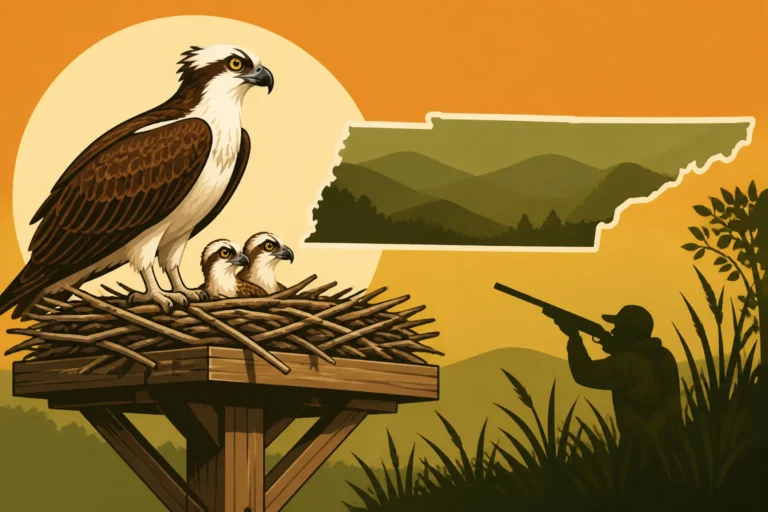
Tennessee osprey nesting platforms help restore thriving raptor populations by providing safe breeding sites above water systems.

Tennessee bald eagle recovery near rivers explains viewing spots, prime habitats, and ways to protect local wildlife populations.
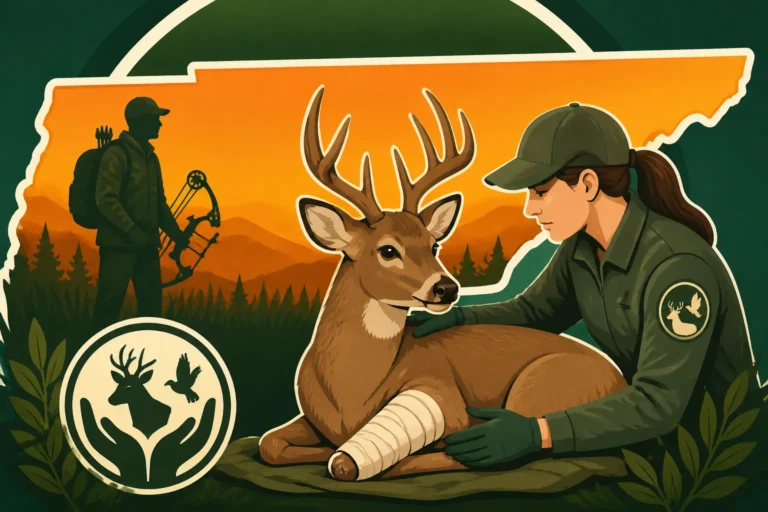
Tennessee wildlife rehabilitation steps explain how to safely assess injured animals and contact the Tennessee Wildlife Resources Agency.
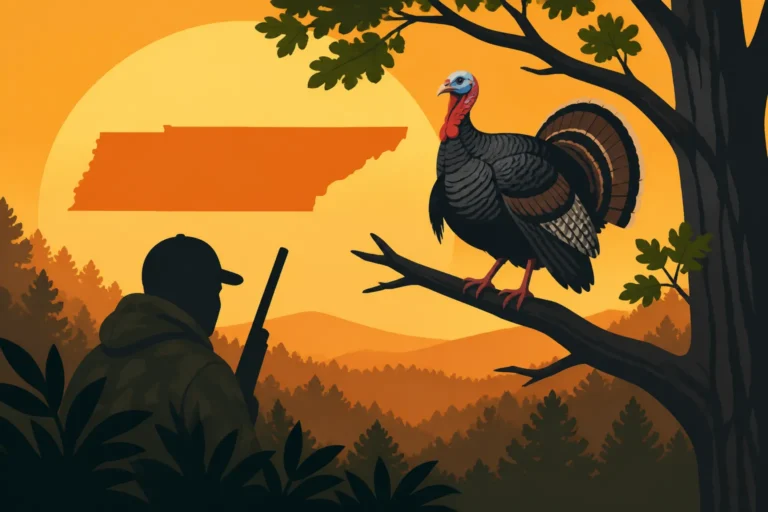
Turkeys roost high, such as 40 or 50 feet up in a mature oak, to avoid coyotes, bobcats and owls and to scan the landscape for danger at dawn.
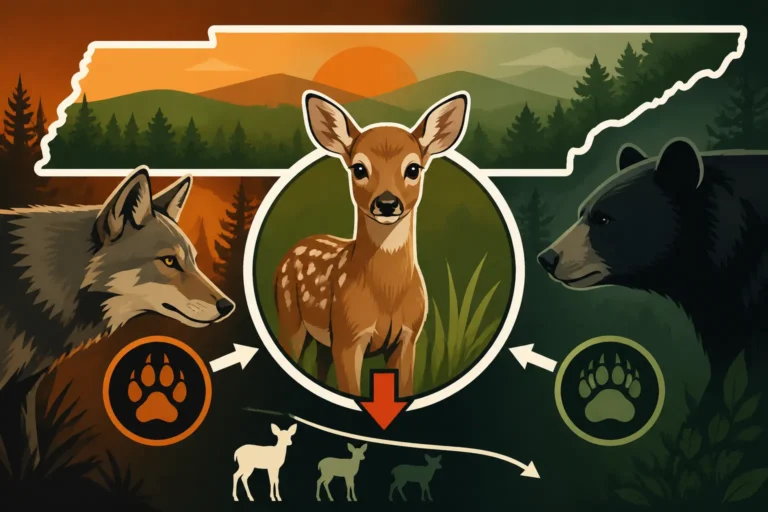
Tennessee predator impact on fawn recruitment explains how survival rates affect deer populations and future hunting seasons.
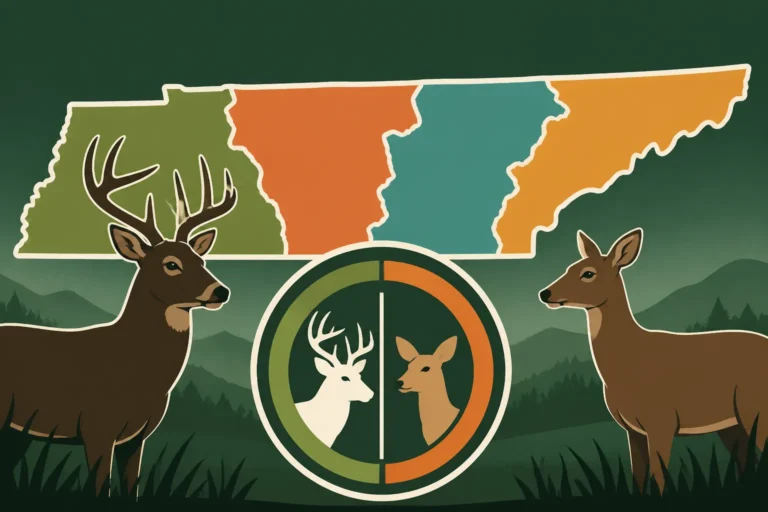
Tennessee buck-to-doe ratios by region explain deer herd health, rut timing, and hunting strategies based on local population balances.
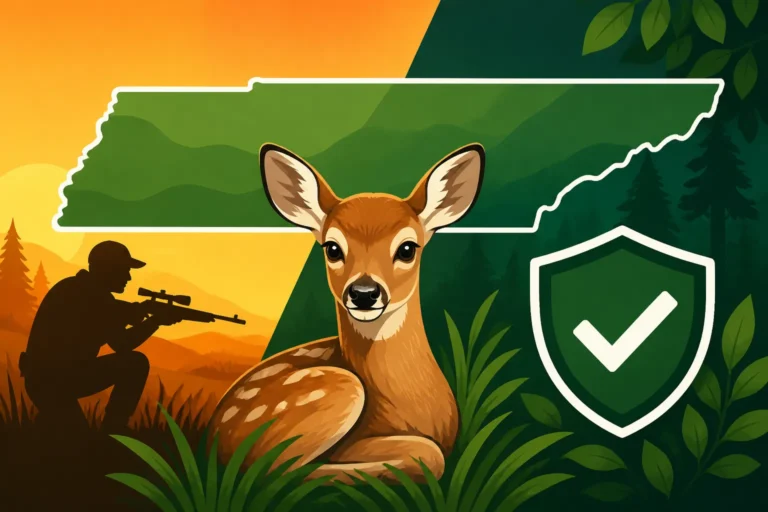
Tennessee fawn survival rates depend heavily on coyote predation, black bears, bobcats, and harsh spring weather conditions.
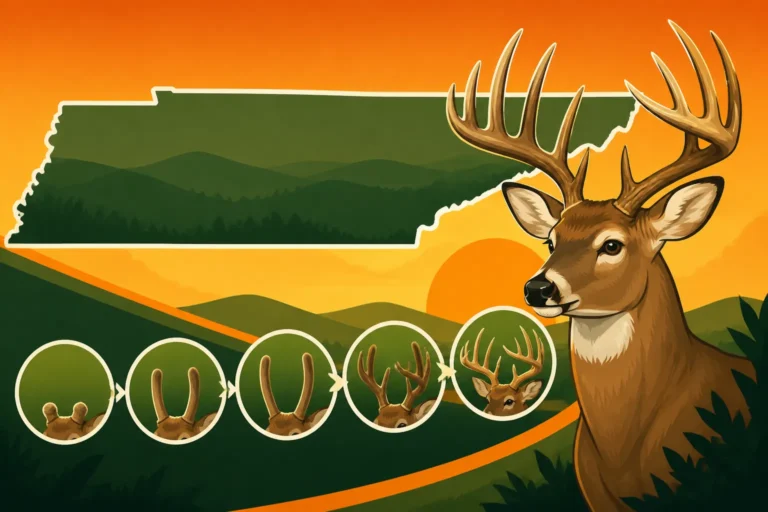
Tennessee whitetail buck antler growth timeline details shedding schedules from January to March and velvet stage development from April through August.