Tennessee Coyote Attacks on Livestock
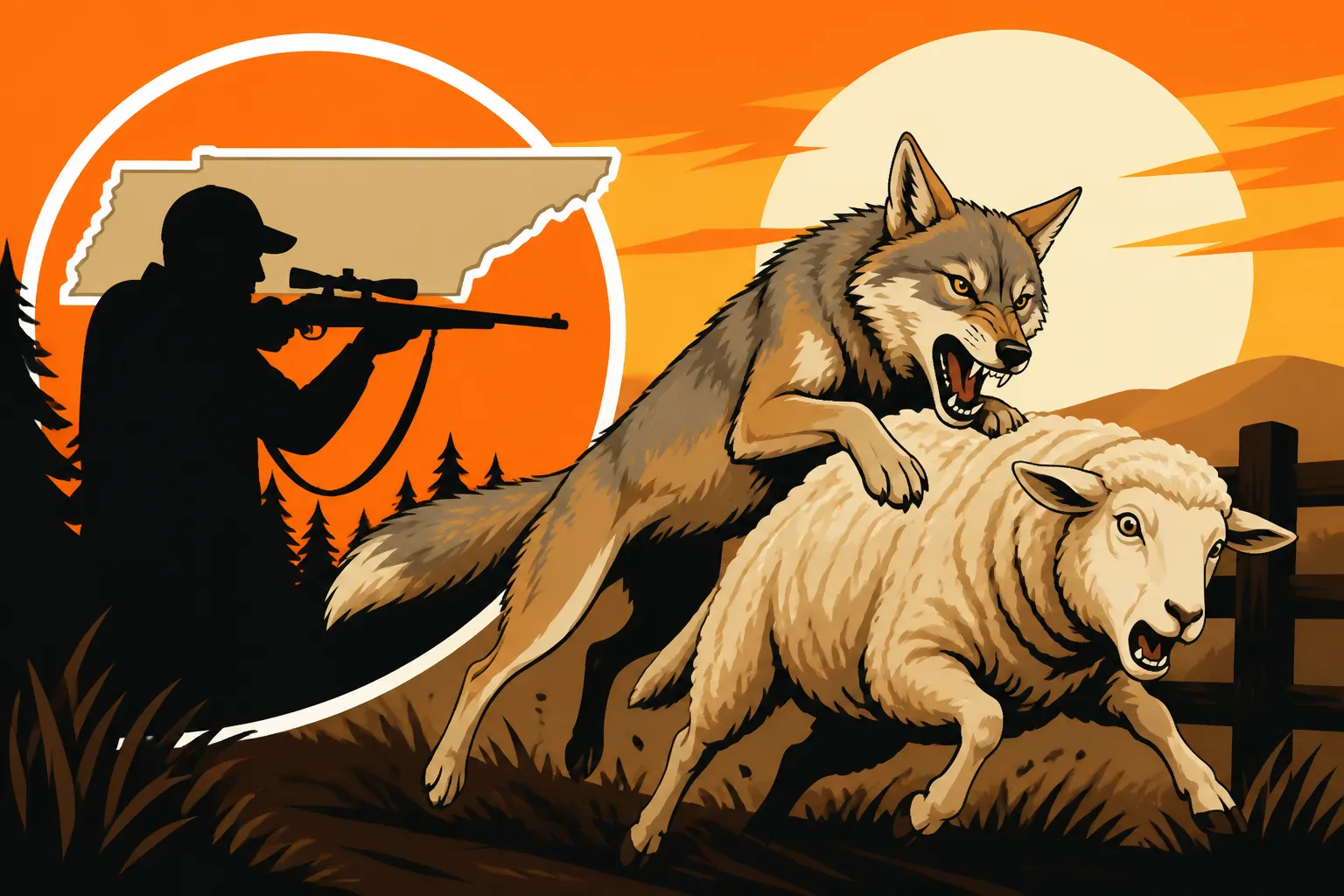
For many livestock producers across Tennessee, the sight or sound of a coyote isn't just a fleeting glimpse of wildlife; it's a genuine cause for concern. The reality of losing a calf, lamb, or poultry to a cunning predator can be devastating, both emotionally and financially. This comprehensive guide is here to shed light on the challenges of coyote predation on Tennessee livestock, offering practical strategies and detailed insights to help you protect your livelihood and peace of mind.
Understanding the Coyote Threat to Livestock in Tennessee
Coyotes are incredibly adaptable animals, thriving in a variety of habitats, from dense wilderness to suburban fringes and, of course, the rolling farmlands that define much of our state. While they primarily hunt small mammals like rodents and rabbits, and feast on deer, especially fawns, their opportunistic nature means that livestock can become a target, particularly when other food sources are scarce or an easy meal presents itself. Understanding the nuances of their behavior and the specific signs of their presence is the first step in effective management. You might be interested in learning more about the Tennessee Coyote Range and Density to understand their presence in your specific area.
Identifying Coyote Predation Signs
One of the most frustrating aspects of livestock loss is often the uncertainty: was it a coyote, a stray dog, or something else entirely? Differentiating between various predators is crucial for implementing the right mitigation strategies. Coyote attacks typically present distinct characteristics. For instance, a coyote will often attack the throat of a larger animal, like a calf, causing suffocation or severe blood loss. On smaller livestock, such as lambs or goats, they might attack the flanks or hindquarters. You'll often find signs of struggle, but generally, coyotes are efficient killers, and the kill site might not be overly messy.
Look closely at the bite marks. Coyote canine teeth are typically narrower and leave smaller puncture wounds than a domestic dog's. If the carcass is consumed, coyotes tend to start feeding on the viscera (internal organs), especially the liver, heart, and lungs, often before consuming muscle tissue. They might also pull the carcass a short distance from the kill site. In contrast, stray dogs often inflict multiple, indiscriminate bites over the body and may simply wound or harass without fully consuming the animal. Paying attention to these subtle but significant details can help you correctly identify the culprit and adjust your defenses.
When and Where Attacks are Most Likely
Coyote predation isn't a constant, uniform threat; it often follows seasonal patterns and specific environmental conditions. The most vulnerable times for livestock often align with the coyote's reproductive cycle. During pupping season, usually late spring through early summer, adult coyotes are actively seeking food for their young, making them more prone to taking easier targets like young calves or lambs. Similarly, late winter, when natural prey populations are at their lowest, can see an increase in coyote activity around livestock. Knowing these periods can help you heighten your vigilance.
Geographically, certain areas are inherently more susceptible. Farms bordering dense woods, overgrown fence rows, or large tracts of unmanaged land provide ideal cover for coyotes to approach and retreat unseen. Properties with minimal human presence or those that allow livestock to roam in large, unfenced pastures, especially overnight, also tend to experience higher rates of predation. Understanding these environmental factors, and using tools like GoHunt to examine aerial photos of your property and adjacent land for potential coyote travel corridors or den sites, can help you identify vulnerable spots and prioritize your efforts.
Mitigating Coyote Predation: Prevention and Deterrence Strategies
Proactive measures are almost always more effective than reactive ones when it comes to coyote predation. Think of it like building a fortress; the stronger your defenses, the less likely an attack will succeed. Implementing a combination of physical barriers, guard animals, and smart husbandry practices can significantly reduce your livestock losses and bring a greater sense of security to your farm.
Fencing and Physical Barriers
Fencing is often the first line of defense, but not all fences are created equal when facing a determined coyote. A simple three-strand barbed wire fence might keep cattle in, but it won't deter a coyote intent on a lamb. Woven wire, or "field fence," with mesh small enough to prevent coyotes from slipping through, can be a good start, but it often needs to be at least five feet high with a buried apron of 6-12 inches to prevent digging underneath. Coyotes are notorious diggers, so that buried apron is key.
Electric fencing, particularly multi-strand, high-tensile electric fencing, is highly effective. A five to seven-strand electric fence, with wires spaced appropriately (closer at the bottom, wider at the top), delivers a memorable shock that teaches coyotes to steer clear. Combining a woven wire fence with one or two hot wires, especially one low to the ground and one at the top, can create an almost impenetrable barrier. Remember, consistency is vital; a gap or a loose wire can be an invitation for a coyote to test its luck. Maintenance is ongoing, especially after storms or during dry periods when ground conductivity might be an issue.
Guard Animals
Bringing in a dedicated guard animal can be a game-changer for many livestock operations. Breeds like Great Pyrenees, Anatolian Shepherds, and other livestock guardian dogs (LGDs) are renowned for their protective instincts. These dogs bond with their flock or herd and will actively deter predators through barking, scent marking, and direct confrontation. A well-trained LGD, properly integrated into the herd from a young age, sees the sheep or goats as its family and is fiercely protective.
Llamas and donkeys can also serve as guard animals, especially against single coyotes or smaller packs. Donkeys, in particular, have a natural aggression towards canids and will chase, kick, and even stomp coyotes. However, their effectiveness can vary, and they may not be suitable for larger pastures or against larger, more organized packs. When considering guard animals, think about the size of your operation, the type of livestock, and your personal capacity for training and care. Using a tool like GoHunt might not directly help with guard animal selection, but it can help you map out your pastures and determine the range a guard animal would need to cover, giving you a better idea of the resources required.
Husbandry Practices and Habitat Modification
Sometimes, the simplest changes in how you manage your livestock and property can make a big difference. Night penning, for example, involves moving vulnerable livestock (like pregnant ewes, young calves, or poultry) into secure enclosures or barns overnight. Coyotes are often most active during dawn, dusk, and nighttime hours, so removing easy targets during these periods drastically reduces risk. Calving and lambing seasons are particularly sensitive times, and keeping mothers and newborns in closely monitored areas can be crucial.
Removing attractants and modifying habitat around your property also plays a significant role. This means promptly removing any dead livestock carcasses, as these act as a powerful draw for coyotes and other scavengers. Maintaining clear fence lines and reducing overgrown brush or tall grass around pastures eliminates hiding spots and ambush points for coyotes. A clean, open environment makes coyotes feel exposed, making them less likely to linger. Think about trimming back thickets that run along creek bottoms or ridgelines near your pastures. These seemingly small details can add up to a much more secure environment for your animals.
Legal Hunting and Trapping as a Management Tool
While prevention is key, sometimes direct intervention through hunting and trapping becomes necessary, especially if predation becomes chronic. In Tennessee, coyotes are generally classified as a nuisance species, and there are provisions that allow landowners to protect their livestock. However, understanding the specific regulations is paramount to ensure you're operating within the law.
Tennessee Coyote Hunting Regulations
Tennessee offers a great deal of flexibility for coyote management, recognizing the impact they can have. For instance, coyotes in Tennessee can be hunted year-round, day or night. This year-round season provides landowners with the ability to respond to immediate threats without seasonal restrictions. There are specific Tennessee Coyote Hunting Season Rules to be aware of, but generally, they are quite liberal. When it comes to night hunting, there are specific Night Hunting Rules for Tennessee Coyotes that permit the use of lights and night vision equipment under certain conditions, making it an effective method for reducing populations, especially when coyotes are actively preying on livestock after dark.
You can use various legal firearms, including rifles, shotguns, and handguns, as well as archery equipment. Calling coyotes, either with electronic or mouth calls, is a popular and effective method. If you're considering hunting coyotes to protect your livestock, learning about Coyote Calling in Tennessee Farm Country can significantly increase your success. It's always a good idea to check the latest regulations from the Tennessee Wildlife Resources Agency (TWRA) because rules can change. Using a mapping application like GoHunt can be incredibly useful here, not just for understanding your property lines and potential coyote travel routes, but also for identifying adjacent public lands where hunters might be willing to help with coyote control, provided they adhere to all public land hunting regulations.
Trapping Methods and Best Practices
Trapping is another highly effective tool for targeted coyote removal, particularly for individuals or specific coyotes that have become accustomed to preying on livestock. Tennessee has specific regulations governing trapping, including legal devices and placement. Foothold traps and snares are common tools used for coyotes. However, trapping requires knowledge, skill, and a deep understanding of animal behavior to be done effectively and humanely. If you're new to trapping, it's highly recommended to seek guidance from experienced, licensed trappers or attend a trapping education course. You can find more detailed information on Running a Trapline in Rural Tennessee to better understand the nuances.
Working with a licensed professional trapper can be a wise investment. They possess the expertise to strategically place traps, ensure the safety of non-target animals, and comply with all state regulations. Remember, while coyotes are an unprotected species in some contexts, there are still rules about how they can be harvested. Knowing the Tennessee Trapping License Requirements is crucial before setting any traps. Proper trap placement, using effective lures and baits, and checking traps frequently are all critical components of a successful and ethical trapping program aimed at reducing coyote threats to your livestock.
After an Attack: Response and Recovery
Even with the best preventative measures, coyote attacks can sometimes still happen. When they do, your response is important, not only for potential documentation and reporting but also for managing the emotional and financial aftermath. Understanding how to react appropriately can help you move forward and refine your strategies for the future.
Documenting and Reporting Incidents
The immediate aftermath of a livestock loss to a predator can be emotional, but it's important to document the incident thoroughly. Take clear photographs of the deceased animal, focusing on any wounds, bite marks, and the surrounding area. Note the location, date, and time of discovery. This documentation is vital not only for your own records but also if you need to report the incident to the TWRA or your local agricultural extension office. While they may not offer direct compensation in all cases, reporting helps wildlife agencies track predation trends and can sometimes lead to advice or assistance.
Having clear evidence of predation helps validate your claims and can be crucial for understanding the scope of the issue in your area. For instance, if you suspect a particularly bold or habituated coyote is responsible, this documentation can support a request for targeted removal efforts. It's also a learning opportunity to review your preventative measures and identify any potential weaknesses that the coyote exploited. Remember, every incident, though unfortunate, provides valuable data for strengthening your defenses. You might consider using a mapping application like GoHunt to mark the location of attacks, helping you identify patterns over time and pinpoint areas of vulnerability on your property.
Financial and Emotional Toll
Beyond the direct loss of an animal, coyote attacks carry a significant financial and emotional toll on livestock producers. The cost of a lost calf or lamb can be substantial, impacting a farm's bottom line directly. There's also the investment in time, feed, and care that goes into raising livestock, which is all lost in an instant. This financial burden can be particularly heavy for small family farms or those operating on thin margins.
The emotional impact, however, can be just as, if not more, profound. Farmers invest their heart and soul into their animals, and discovering a predatory kill can be disheartening, frustrating, and even angering. It’s a constant battle against forces of nature, and when those forces inflict damage, it can feel personal. It's important to acknowledge these feelings and not shoulder the burden alone. Reach out to fellow farmers, agricultural extension agents, or even local hunting groups who may be willing to help with coyote control. While there aren't specific federal or state compensation programs for coyote depredation on livestock in Tennessee, many farmers find solace and solutions in community support and collaborative efforts to manage coyote populations.
Disclaimer
This article is for general informational purposes only and does not constitute professional advice. Laws, prices and regulations vary by location and change over time. Consult a qualified professional for guidance on your specific situation.