Bears Near Great Smoky Mountains National Park
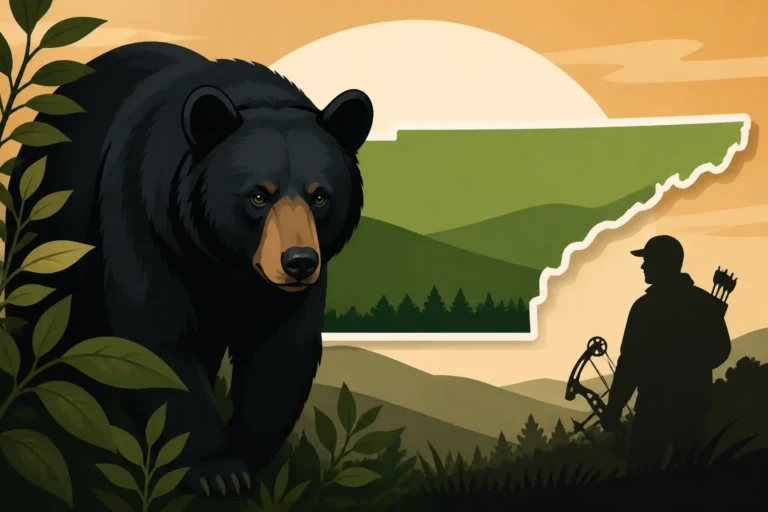
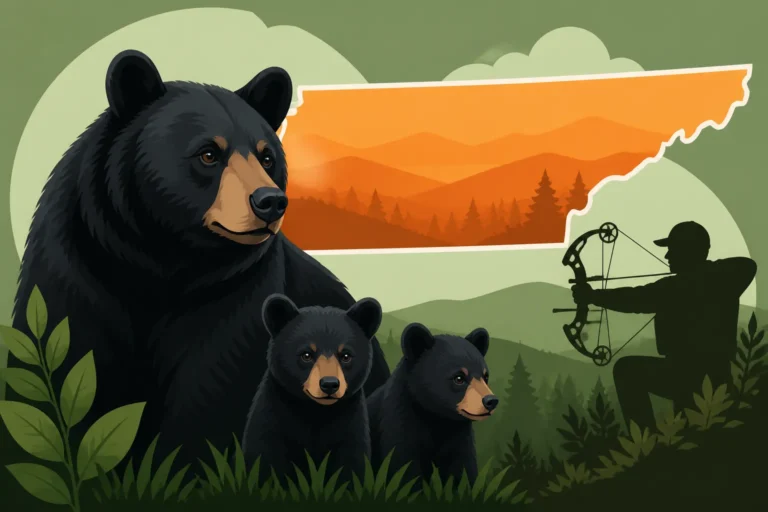
The presence of black bears in Tennessee, particularly around the stunning expanse of the Great Smoky Mountains National Park, can be a source of both awe and apprehension for anyone spending time outdoors. Hunters, hikers, and even folks living in the foothills often wonder how to navigate these areas safely, understand the nuances of bear behavior, and know what to do when an encounter occurs. This guide is here to shed light on how black bears interact with the landscape bordering the park, what that means for hunters in nearby public lands, and practical steps for safely sharing the wilderness with these magnificent animals.
Understanding the Black Bear Presence Around GSMNP
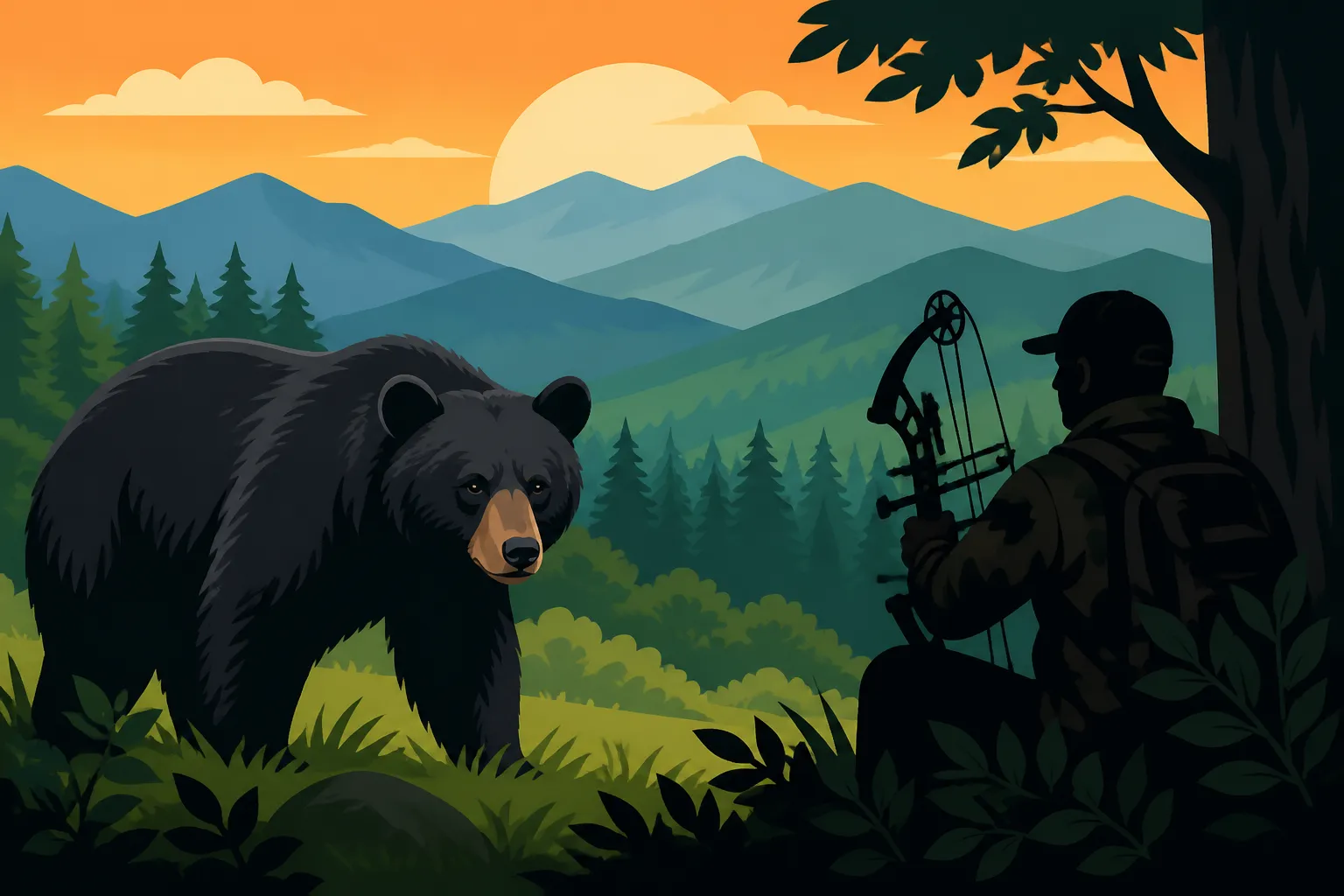
The forested mountains of East Tennessee, especially those immediately surrounding the Great Smoky Mountains National Park, are prime black bear country. Their presence is a testament to successful conservation efforts, but it also means anyone venturing into these areas needs to be bear-aware.
Historical Context and Population Growth
It wasn't always this way. Decades ago, black bear populations in the Southeast had dwindled significantly due, in large part, to habitat loss and unregulated hunting. The Great Smoky Mountains National Park, established in 1934, became a crucial sanctuary for the remaining bears, offering protection and a vast, wild landscape where they could recover without human interference. Over the years, with sound management and natural expansion, the bear population within the park boundaries flourished.
This success story meant bears eventually began to spill out of the park. They followed river corridors, explored new mountain ridges, and sought out new food sources in the surrounding national forests and even into more settled areas. Today, it’s not uncommon to hear of a bear sighting in a backyard in Townsend, near Gatlinburg, or even crossing a major road a good distance from the park itself. The bear population in Tennessee has seen an incredible rebound, with the eastern part of the state being the epicenter of this resurgence, largely thanks to the park acting as a core breeding ground. If you're interested in the broader picture, we have a detailed look at Tennessee's Black Bear Population and how it has grown.
Bear Movement Patterns Outside the Park
Black bears are incredibly adaptable and opportunistic creatures, and their movements are often dictated by the availability of food. While the GSMNP offers a rich bounty of acorns, berries, and other natural mast crops, a lean year within the park can send bears ranging far and wide in search of sustenance. This is particularly true during late summer and fall, a period known as hyperphagia, when bears are intensely feeding to pack on pounds for winter hibernation. They become highly motivated to find calories, whether it's a stand of oak trees heavy with acorns or an apple orchard on private land.
Hunters, in particular, should pay close attention to these seasonal patterns. If you're scouting for deer in the Cherokee National Forest, which directly borders large sections of the park, you might find heavily used bear trails along ridgelines or near creek bottoms. These aren't just transient animals; these are bears that have established travel routes from the protected areas into hunting grounds. Their acute sense of smell means they can detect food sources from remarkable distances. Understanding these natural movements is key to appreciating Hunting Near the Great Smoky Mountains and being prepared for what you might encounter.
Hunting Regulations and Challenges in the Proximity
Hunting near an active, protected bear population like the one in the Great Smoky Mountains National Park brings a unique set of considerations. You're not just hunting deer or turkey; you're sharing the woods with a healthy and expanding bear population.
Specific Bear Hunting Zones in East Tennessee
The Tennessee Wildlife Resources Agency (TWRA) recognizes the density of the bear population in East Tennessee and manages hunting seasons accordingly, breaking the state into different bear zones. The area immediately surrounding the Great Smoky Mountains National Park falls primarily within what's often referred to as Bear Zone Two. This zone typically has more liberal bag limits and longer seasons compared to other parts of the state where bears are less prevalent, specifically to help manage the population that often ventures out of the park's no-hunting boundaries.
The regulations for Zone Two are designed to allow hunters to help manage a robust and expanding bear population while still maintaining healthy numbers. It's crucial to consult the most current TWRA regulations for precise season dates, bag limits, and specific rules for taking a bear in this zone. You might find a detailed breakdown in our article on Tennessee's Three Bear Hunting Zones or specifically on Tennessee Bear Zone Two Rules. Utilizing resources like GoHunt's mapping features can be invaluable for identifying zone boundaries and understanding specific regulations for the area you plan to hunt. These tools often integrate official wildlife agency data, giving you a reliable source for critical information.
Navigating Public and Private Land Boundaries
Perhaps one of the most critical aspects of hunting in the shadow of the Great Smoky Mountains National Park is knowing exactly where you are. The park itself is a national park, which means no hunting is allowed within its boundaries. However, vast tracts of the Cherokee National Forest, which are open to hunting, directly abut the park. This creates a patchwork of legal hunting ground right next to protected territory.
Imagine you're tracking a deer on a public land ridge, and that ridge dips down into a valley that crosses into the park boundary. You cannot pursue game into the park. This is where precise navigation becomes non-negotiable. Modern GPS apps, often enhanced with land ownership layers, are essential. Tools like GoHunt can show property lines, national forest boundaries, and park borders in intricate detail, helping you avoid accidental trespass. This is especially important for Cherokee National Forest Hunting, where boundaries can be less obvious on the ground. Always double-check your location. Understanding Public Hunting Land in Tennessee means knowing not just where to hunt, but also where not to hunt. When in doubt about private land access that borders public areas, remember to consult Tennessee Trespass and Permission Law to ensure you're always on the right side of the rules.
Safety and Coexistence When Bears are Nearby
Hunting in bear country isn't just about understanding the regulations; it's also about proactive safety and knowing how to respond if you find yourself in close quarters with a bear. While black bears are generally shy, they are powerful wild animals, and caution is always warranted.
Preventing Bear Encounters While Hunting
The best encounter is one you avoid altogether. Here are some strategies to minimize your chances of a surprise meeting:
- Make Noise: Especially when moving through dense cover or in low-light conditions (dawn/dusk), periodically make noise. Talking, singing, or calling out can alert bears to your presence, giving them time to move away. This is particularly relevant when you're using Spot-and-Stalk Tactics for Cherokee Forest Bears, where quiet movement is usually preferred for game.
- Carry Bear Spray: This is not optional in bear country. Bear spray is a highly effective deterrent, far more reliable and often safer than a firearm in a close encounter with a charging bear. Ensure it's easily accessible and you know how to deploy it quickly.
- Be Bear-Aware: Pay attention to your surroundings. Look for fresh bear sign: tracks in mud, scat on trails, overturned rocks or logs (indicating foraging), or claw marks on trees. If you see recent sign, be extra vigilant.
- Manage Scents: Bears have an incredible sense of smell. Store any food, scented toiletries, or even game meat in odor-proof bags or containers. If you're camping, hang food from a tree limb at least 10 feet up and 4 feet from the trunk, or use a bear-resistant container. If you harvest a deer, immediately begin the process of field dressing and removal. The smell of gut piles or fresh blood can quickly attract bears from a surprising distance. Proper game care, as discussed in Handling a Bear After the Shot, is crucial.
- Consider a Partner: Hunting with a partner, especially in remote areas, offers an added layer of safety. Two people often make more noise, present a larger profile, and can assist in an emergency.
Hypothetically, imagine you're deep in a hollow, using a grunt call for a whitetail buck. Suddenly, instead of antlers, a black head pops up over a log 30 yards away. This is exactly why prevention and preparedness are so vital. Stay calm, speak to the bear in a firm voice, and back away slowly, keeping eye contact. Don't run.
What to Do in a Bear Encounter
Despite your best efforts, sometimes encounters happen. Knowing how to react can make all the difference.
| Encounter Type | Bear Behavior | Recommended Action |
|---|---|---|
| Distant Bear | Unaware of you, going about its business. | Remain calm. Identify yourself by talking in a normal voice. Give the bear plenty of space. Do not approach. Change your route to avoid it. |
| Close Bear (Non-Aggressive) | Aware of you, but not showing aggression. Stares, may stand on hind legs (curiosity). | Stand your ground. Speak to the bear in a low, calm voice to identify yourself as human. Make yourself look as large as possible (raise arms over head). Do NOT make eye contact directly; look at its chest. Slowly back away. Prepare bear spray. |
| Defensive Bear | Huffs, stomps, snaps jaws, charges, swatting ground. Often has cubs or food nearby. | This is a warning. Stand your ground. Speak firmly. Deploy bear spray if the bear is within 15-20 feet and charging. If physical contact occurs, protect your head and neck and lie face down. Fight back if the attack is predatory. |
| Predatory Bear | Quiet, stalks you, may approach intently without warning signs, especially if it returns after you tried to scare it away. Extremely rare for black bears. | This is a serious situation. Do NOT play dead. Fight back aggressively. Aim kicks, punches, and anything you can use at the bear's face (nose, eyes). Deploy bear spray if available. Your life is on the line. Knowing about Shot Placement on a Tennessee Black Bear might also be helpful, though bear spray is preferred. |
Remember, black bears are generally not aggressive towards humans. Most charges are bluffs, intended to scare you away. Running can trigger a chase response, so never run. If you're a hunter carrying a firearm, it's a personal decision whether to use it for bear defense, but bear spray is often more effective and safer in a surprise, close-quarters encounter, especially against a charging bear. It creates a deterrent cloud, buying you time and space.
Living and hunting in areas near the Great Smoky Mountains National Park means sharing the landscape with a thriving black bear population. By understanding their behavior, respecting the regulations, and prioritizing safety, you can continue to enjoy Tennessee's incredible outdoors while minimizing conflict with these amazing animals.
Disclaimer
This article is for general informational purposes only and does not constitute professional advice. Laws, prices and regulations vary by location and change over time. Consult a qualified professional for guidance on your specific situation.