Where to Watch Elk Without a Tag
The dream of seeing a wild elk, especially here in Tennessee, burns bright for many outdoor enthusiasts. While securing one of the highly coveted elk hunting tags is incredibly challenging, that doesn't mean you can't experience these magnificent animals in their natural habitat. This guide will walk you through the best locations and tactics for successfully observing Tennessee's restored elk herd, no hunting permit required.
The North Cumberland Plateau: Tennessee's Elk Sanctuary
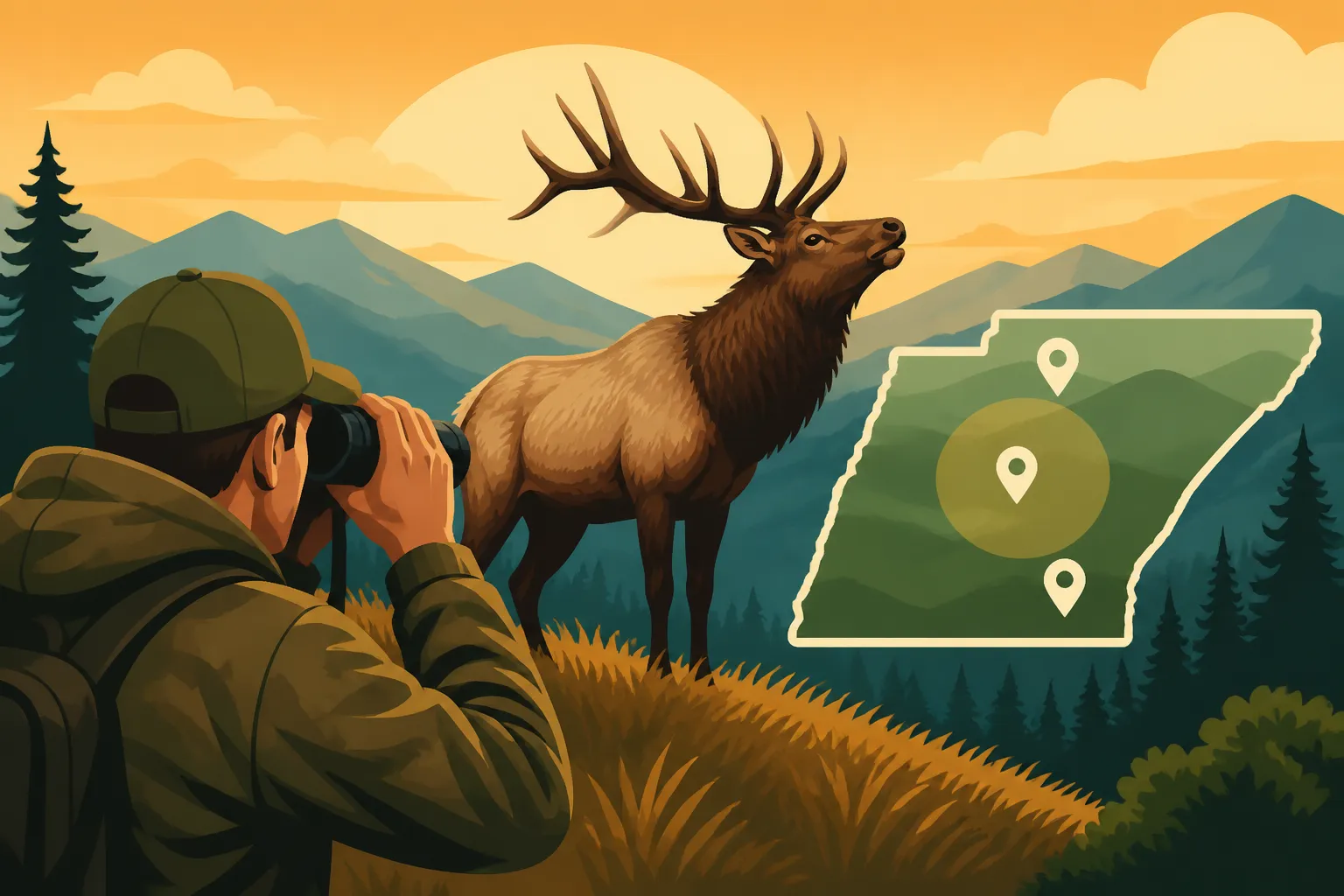
When you talk about wild elk in Tennessee, you're talking about the North Cumberland Wildlife Management Area (WMA). This vast expanse of public land in northeastern Tennessee is the heart of the state's elk restoration efforts, and it's truly a special place. The terrain here is rugged, with steep mountains, deep hollows, and dense forests interspersed with reclaimed mine lands and food plots managed for wildlife. This diverse landscape provides the perfect environment for elk to thrive, making it your prime destination for a viewing adventure.
Understanding the North Cumberland Landscape
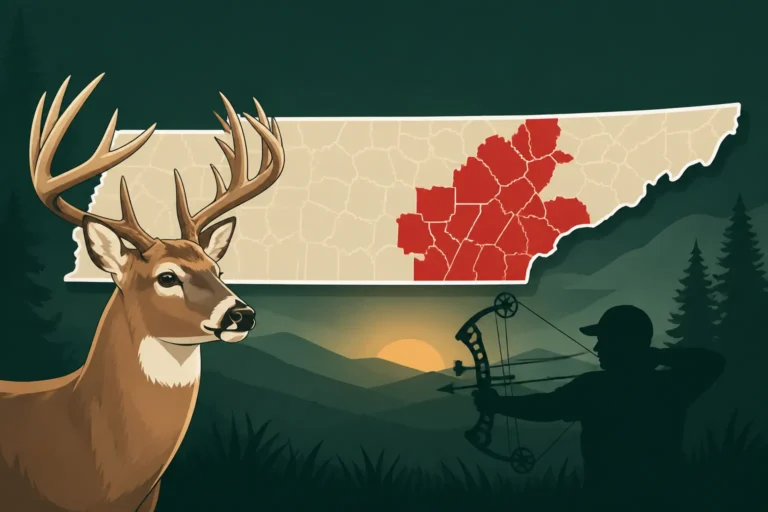
The North Cumberland WMA encompasses parts of Scott, Campbell, Claiborne, Morgan, and Anderson counties. It's a massive area, covering over 140,000 acres, so knowing where to focus your efforts is key. The elk tend to utilize the reclaimed strip mine lands, which often feature large open clearings that are ideal for grazing. These areas are frequently bordered by thick timber, providing bedding and security cover. You'll also find wildlife openings and food plots maintained by the Tennessee Wildlife Resources Agency (TWRA) specifically for elk and other wildlife, which can act as magnets, particularly during early morning and late evening hours.
Don't expect to just drive up and see elk grazing by the roadside, though it can happen in certain spots. A successful viewing trip often requires a bit of driving on gravel roads, some walking, and a lot of patience. Even if you're not hunting, tools like GoHunt can be invaluable for studying the topography and identifying potential travel corridors or feeding areas that might attract elk. You can use its satellite imagery and public land overlays to get a lay of the land before you even leave home. Remember that while you can access much of this area, certain zones might have specific Tennessee Public Land Hunting Hours or vehicle restrictions, so always check local regulations.
Key Viewing Areas Within North Cumberland
Within the sprawling North Cumberland WMA, certain areas are more well-known for elk activity due to habitat, food sources, and historical presence. These include specific sections of the Royal Blue WMA and Catoosa WMA, which are part of the larger North Cumberland complex. The key is to find areas with a good mix of open fields for grazing and dense cover nearby, often near water sources. Some of the reclaimed mine lands have established viewing blinds or designated pull-offs, which are great starting points.
For instance, the Sundquist Wildlife Management Area, a part of the North Cumberland, is often mentioned in discussions about Elk Viewing in the North Cumberland Zone. This area, like others in the zone, benefits from active habitat management. Look for signs of recent elk activity, such as tracks, scat, and rubbed trees, especially near the edges of fields and clearings. These indicators tell you that elk are in the vicinity, even if they're not immediately visible. Consider going with a friend or family member who also enjoys wildlife, as two sets of eyes are always better than one for spotting these elusive creatures.
Timing is Everything: Best Seasons to Spot Tennessee Elk
Just like deer and other big game, elk behavior varies significantly throughout the year, influenced by breeding cycles, food availability, and weather. Understanding these patterns will dramatically increase your chances of a successful viewing experience.
Autumn: The Bugling Spectacle (Late September – Mid-October)
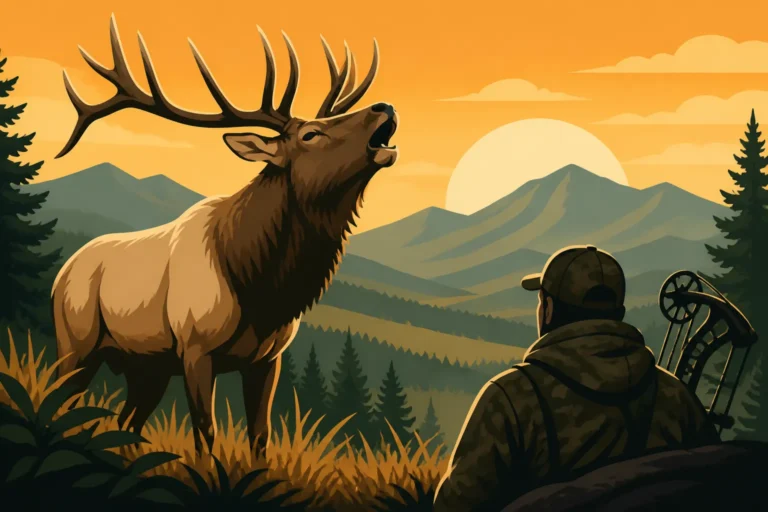
If you want to witness one of nature's most impressive spectacles, plan your trip for early to mid-autumn. This is when the elk rut, or breeding season, is in full swing, and the bulls are incredibly vocal. The piercing, high-pitched bugle of a bull elk echoing through the Tennessee mountains is an unforgettable sound. During this time, bulls are actively challenging rivals, herding cows, and showing off their dominance, making them more visible and audible.
While this is also when the Tennessee Elk Quota Hunt Rules come into play, your focus is purely on observation. The period from late September through the second week of October is generally considered prime bugling season. You'll want to be out in the early mornings, just before and after sunrise, and in the evenings, from late afternoon until dark. Bulls will often move into more open areas to display or round up cows. This is also when you're most likely to see multiple elk together, as bulls gather their harems. Learning When Tennessee Elk Bugle can give you a significant advantage in timing your visit.
Winter: Larger Herds in Openings (December – February)
As the autumn hunting seasons conclude and winter sets in, food becomes scarcer, often driving elk into larger herds to forage more efficiently. During these colder months, elk are more likely to be found in agricultural fields, managed food plots, or lower elevation areas where browse is more accessible. Snow cover can also make elk easier to spot against the white backdrop and can highlight their tracks, helping you pinpoint their movement patterns.
The downside to winter viewing is the cold, but with the right clothing layers, it can be a very rewarding time. Elk will often concentrate in open areas during daylight hours to feed, especially after a cold night, making midday viewing more plausible than in warmer months. The Tennessee Elk Herd Size Today is still relatively small compared to western states, so every sighting is a special one, and seeing them bunched up in winter offers a fantastic opportunity to see several at once.
Spring and Summer: Calves and Solitude (April – August)
Spring brings new life to the elk herd, with calves typically born in late May and early June. While it's incredibly special to witness a young calf, cows are extremely protective during this time and often keep their calves hidden deep in cover. This makes spring and early summer a more challenging time for consistent viewing, as elk tend to be more dispersed and secretive.
However, if you're patient and enjoy the solitude of the woods, you might catch glimpses of cows and calves browsing. Bulls during this time are often solitary or in small bachelor groups, growing their new antlers in velvet. They're usually less vocal and spend more time in dense cover. While not the peak season for dramatic sightings, it offers a different kind of quiet beauty, watching the forest come alive around these magnificent animals. Understanding Tennessee Elk Calf Survival Rates highlights the importance of keeping a respectful distance, especially from cows with young.
Tips for a Successful Elk Viewing Trip
Seeing elk in the wild takes preparation, patience, and a deep respect for wildlife and their habitat. It's not like going to a zoo; these are wild animals on their terms.
Gear Up for Success
You don't need expensive hunting gear, but some key items will vastly improve your experience.
- Optics: This is arguably the most important piece of gear. A good pair of binoculars (8×42 or 10×42) is essential for scanning distant hillsides and identifying elk. A spotting scope on a tripod will allow you to get incredibly detailed views from a safe distance, making it much easier to observe behavior without disturbing the animals.
- Layered Clothing: The weather on the North Cumberland Plateau can change rapidly. Dress in layers to adapt to temperature swings, rain, or wind. Early mornings can be chilly even in fall.
- Comfortable Footwear: You'll likely be doing some walking, potentially over uneven terrain. Sturdy, comfortable hiking boots are a must.
- Maps and Navigation: Even with cell service, having a physical map of the North Cumberland WMA or a reliable GPS app (like GoHunt, which works offline if you download maps) is crucial. Roads can be confusing, and getting turned around is easy. Knowing the North Cumberland's Five-County Footprint can help you visualize the vastness.
- Camera: If photography is your passion, bring your camera with a good telephoto lens. Remember to practice shooting from a distance before you go.
Viewing Etiquette and Safety
Respect is paramount when viewing wildlife. Here are some guidelines:
- Keep Your Distance: Use your optics to get close, not your feet. Elk are large, powerful animals, and a cow protecting a calf or a bull during the rut can be dangerous if provoked or surprised. A good rule of thumb is to stay at least 100 yards away, and further if the animals show any signs of agitation (stomping, head tossing, staring intently at you).
- Be Quiet: Sudden loud noises will send elk scrambling for cover. Move slowly and speak in low tones, if at all.
- Stay Downwind: Elk have an incredible sense of smell. Always try to approach or view from downwind so your scent doesn't carry to them.
- Early Morning and Late Evening: These are typically the most active times for elk. Plan to be in your viewing location before sunrise and stay until after sunset.
- Leave No Trace: Pack out everything you pack in. Do not disturb vegetation or harass wildlife. This ensures the habitat remains pristine for the elk and future visitors.
- Inform Others: If you're on public land where hunting is permitted, consider wearing some blaze orange or pink, especially during open seasons, even if you're just viewing. While Tennessee Blaze Orange Requirements generally apply to hunters, it’s a good safety practice.
Understanding Elk Behavior for Better Sightings
Observing elk isn't just about finding them; it's about understanding what they're doing and why. A little knowledge about their daily routines and social structures can make your viewing experience much richer and more informative.
Daily and Seasonal Movements
Elk are creatures of habit, though those habits can shift with pressure, weather, and food availability. Typically, they feed most heavily during the dawn and dusk hours. During the day, especially when disturbed or on warmer days, they will often retreat to thick cover to bed down and chew their cud. In the North Cumberland, this often means moving from open clearings or reclaimed mine lands into the dense forests of the surrounding mountains and hollows.
Their seasonal movements are driven by breeding and food. In the rut, bulls become more territorial and vocal, seeking out cows. After the rut, herds often consolidate. Winter pushes them to find reliable food sources, sometimes concentrating them in specific valleys or fields. Understanding these patterns, like how the Tennessee Elk Herd Size Today influences their foraging needs, can help you predict where they might be.
Interpreting Elk Sign and Sounds
Even if you don't immediately see an elk, looking for "sign" can tell you they're nearby. Fresh tracks in mud or soft earth, piles of scat (droppings), and rubs on trees where bulls have polished their antlers are all indicators. During the rut, you might also find "wallows" – muddy depressions where bulls have rolled, coating themselves in mud and urine to enhance their scent and appearance for cows.
Beyond the majestic bugle of the bull in autumn, elk communicate through various vocalizations. Cows will often let out a sharp "mew" or "chirp" to keep track of their calves or other herd members. A loud "bark" or "scream" can signal alarm or aggression. Learning to distinguish these sounds can alert you to their presence even when they're hidden from view. Being attuned to these subtle clues adds another layer of enjoyment to your outing. You can learn a lot about the Tennessee's Restored Elk Herd just by observing and listening.
| Season | Typical Elk Activity | Best Viewing Times | Special Considerations |
|---|---|---|---|
| Autumn (Rut) | Bugling bulls, active breeding, herd interactions | Early morning, late evening | Very vocal, more active, but also peak hunting season. |
| Winter | Larger herds foraging in open areas, less vocal | Midday to late afternoon | Food scarcity drives them to accessible browse; snow helps spotting. |
| Spring | Calving season, cows secluded, bulls solitary | Very early morning | Difficult to spot, cows very protective; look for fresh sign. |
| Summer | Bulls growing antlers, smaller groups, dispersed | Late evening | Dense vegetation makes spotting harder; less vocal. |
Remember, every trip to the North Cumberland is an adventure, and seeing elk is often a bonus. Enjoy the stunning scenery, the quiet of the woods, and the chance to connect with Tennessee's wild heritage. Even if the elk remain elusive, the experience of being in their territory is truly something special.
Disclaimer
This article is for general informational purposes only and does not constitute professional advice. Laws, prices and regulations vary by location and change over time. Consult a qualified professional for guidance on your specific situation.