Tennessee CWD Prevalence in West Tennessee
It’s a tough pill to swallow when you hear about Chronic Wasting Disease (CWD) impacting the deer herds in your favorite hunting grounds, and for many of us in West Tennessee, that reality hit hard. The anxiety over what this means for our deer, our hunting seasons, and even the venison we put on our tables is completely valid. This guide is here to shed some light on CWD prevalence specifically in West Tennessee, offering a clear, realistic look at the situation, how it got here, and what we, as hunters, can do about it.
Understanding CWD and Its Arrival in West Tennessee
Chronic Wasting Disease, or CWD, is a neurological disease that affects deer, elk, and moose. It's caused by abnormal proteins called prions, which slowly damage the animal's brain and nervous system, leading to a host of symptoms like drastic weight loss, stumbling, listlessness, and behavioral changes, ultimately resulting in death. Unlike a bacterial or viral infection, these prions are incredibly resilient and can persist in the environment for years, making CWD a particularly challenging disease to manage.
The initial discovery of CWD in Tennessee sent shockwaves through the hunting community. For years, we'd watched as neighboring states grappled with it, always hoping it wouldn't cross into our beloved Volunteer State. When the first positive cases were confirmed in West Tennessee, it was a moment of profound concern for every hunter, landowner, and wildlife enthusiast. It fundamentally changed how many of us approached deer season, introducing new layers of responsibility and vigilance. We went from focusing solely on the hunt to also being on the front lines of disease surveillance.
The Silent Spread: How CWD Progresses
One of the most insidious aspects of CWD is its method of spread and its long incubation period. The prions can be shed by infected animals through saliva, urine, and feces, contaminating the soil and vegetation. Other deer can then pick up these prions, either directly from an infected animal or indirectly from the environment, leading to new infections. Because these prions are so persistent, once an area is contaminated, it’s incredibly difficult to eradicate them. This environmental persistence means that even if all infected deer were removed, the threat could still linger.
What makes CWD so challenging for hunters is that an infected deer can appear perfectly healthy for a year or even two years before showing any outward signs of the disease. This "silent phase" means that an animal could be spreading prions within the herd and the environment long before anyone suspects it's sick. By the time symptoms like emaciation and neurological issues become apparent, the disease is in its advanced stages, and the animal is already severely impacted. It’s this hidden nature of CWD that underscores the importance of widespread testing and monitoring, especially in zones where the disease has been detected.
West Tennessee's Unique Landscape and CWD Risk
West Tennessee, with its distinct geographical and ecological characteristics, presents both opportunities and challenges in the context of CWD management. The region is largely defined by its fertile agricultural lands, vast river bottoms, and a mosaic of smaller woodlots interspersed with fields of corn, soybeans, and cotton. This landscape often leads to concentrated deer populations, especially in areas with abundant food sources and limited contiguous timber. Such conditions can inadvertently facilitate the spread of CWD.
Deer movement patterns in these areas play a significant role. Bucks, especially during the rut, might travel considerable distances, potentially moving infected prions into new territories. Additionally, the close proximity of deer in fragmented habitats or around desirable food plots can increase direct animal-to-animal contact, raising the risk of transmission. Understanding these local dynamics is crucial for wildlife agencies and hunters alike. It's not just about what we harvest, but about being keenly aware of deer behavior and habitat use in CWD-affected counties. The discovery of Which County Found Tennessee's First CWD Case was a stark reminder of how quickly a disease can establish itself, prompting a rigorous effort to understand How CWD Spread East From West Tennessee and other areas.
Current Prevalence and Monitoring Efforts in West Tennessee
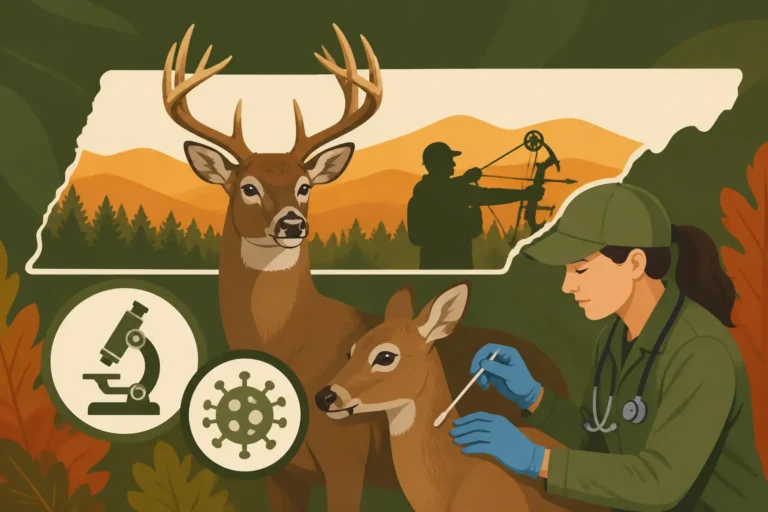
The Tennessee Wildlife Resources Agency (TWRA) has been tirelessly monitoring and testing for CWD since its detection. Their efforts involve strategic sampling during hunting seasons, targeting specific areas where the disease is known to exist or where there's a higher risk of its presence. When a deer is harvested in a CWD-positive county, hunters are often asked or sometimes required to submit samples for testing, usually involving tissue from the lymph nodes or brain stem. This ongoing surveillance is vital for tracking the disease's progression and understanding its prevalence.
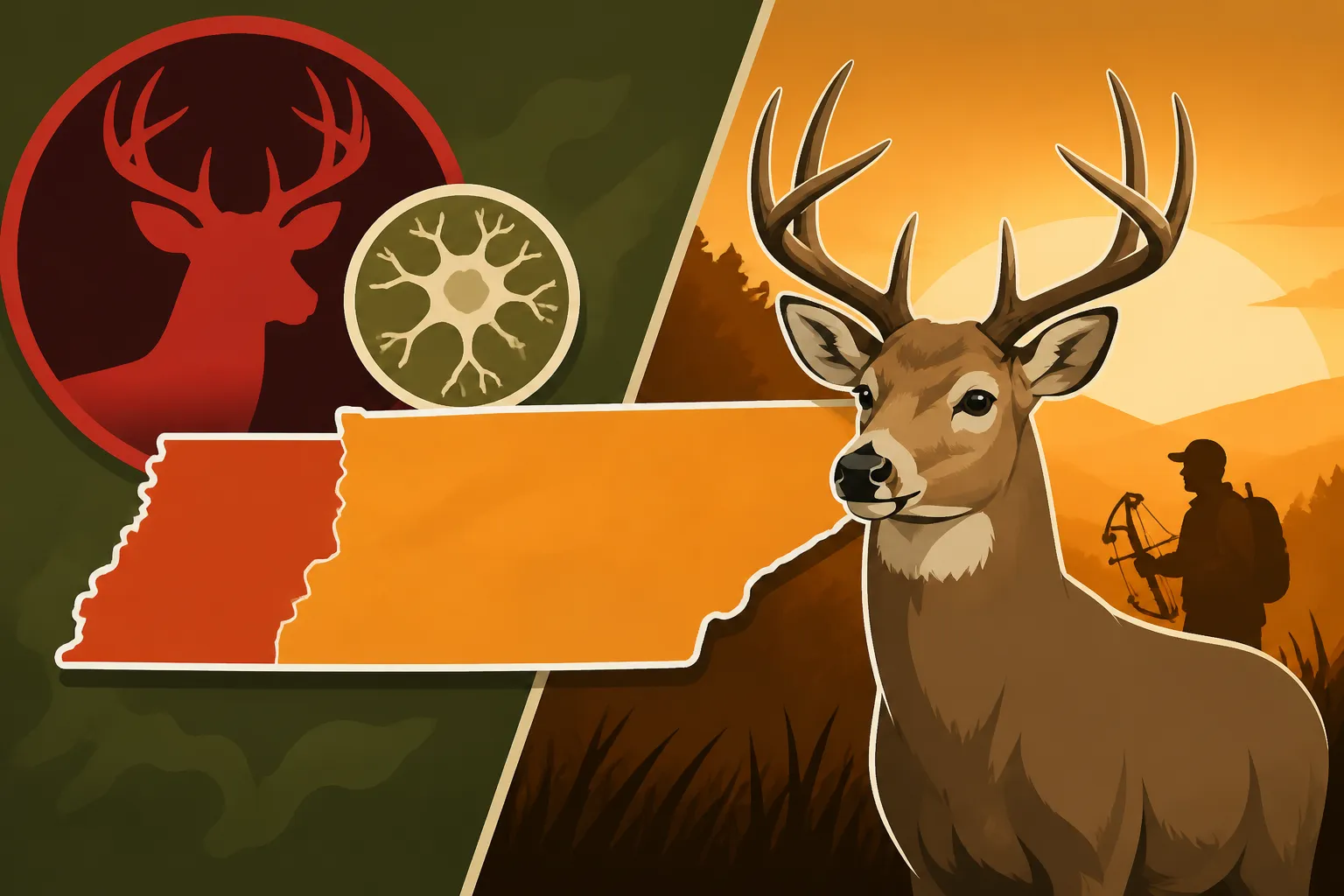
While CWD is unfortunately present in several West Tennessee counties, it's important to remember that prevalence can vary significantly. Even within a designated CWD management zone, some areas might have a higher percentage of infected deer than others. The TWRA regularly updates its maps and data, outlining the Tennessee's Chronic Wasting Disease Management Zone and providing specific information for hunters. Staying informed about these zones and the rules that apply to them is one of the most important things you can do as a responsible hunter. Every sample submitted for Tennessee CWD Testing for Hunters contributes to a clearer picture of the disease's footprint.
Interpreting Prevalence Rates: What the Numbers Mean for Hunters
When you see prevalence rates, say "1-2% of deer tested positive in County X," it's easy to dismiss it as a small number. However, for a hunter, even a low prevalence rate is a significant concern. It doesn't mean no CWD; it means it's present, and it's something we all need to take seriously. A 1% rate implies that out of every 100 deer harvested, one could be positive. While the odds might still feel low, the implications for that one deer, and potentially for the wider herd, are substantial. It validates the uneasy feeling many hunters have when a disease like this becomes part of their hunting reality.
The TWRA provides detailed information on CWD, often broken down by county and even by specific zones within counties. You can typically find this data on their website. It's worth spending some time reviewing these resources. Understanding the prevalence in your specific hunting unit can help you make informed decisions about testing and carcass handling. Additionally, staying up-to-date with comprehensive hunting apps and platforms like GoHunt can offer quick access to regulatory changes and CWD updates specific to your intended hunting areas, allowing you to interpret prevalence data in real-time context.
Mandatory vs. Voluntary Testing and Sampling Stations
In CWD-positive counties, or those adjacent to them, the TWRA often implements mandatory testing requirements during specific periods, particularly opening weekends of gun season when hunter turnout is high. This ensures a large sample size and helps quickly assess any changes in disease distribution. Beyond these mandatory periods, a robust network of voluntary sampling stations is maintained across the state. These stations are usually freezers or staffed check stations where hunters can voluntarily submit lymph node or brainstem samples from their harvested deer for testing.
Hunter participation in both mandatory and voluntary testing is absolutely critical. Every sample submitted provides valuable data points that help wildlife biologists understand the disease's spread, its density, and how best to manage it. Think of it as your direct contribution to herd health and the future of hunting in Tennessee. Taking the time to locate and utilize a Finding a Tennessee CWD Sampling Station after a successful hunt is a small effort with a huge impact on the collective effort to manage CWD.
| Action | Do | Don't |
|---|---|---|
| Testing | Submit samples for CWD testing, especially from deer harvested in CWD-positive counties. Utilize voluntary sampling stations. | Assume a deer is CWD-free just because it looks healthy. Skip mandatory testing if in a CWD zone. |
| Carcass Movement | Debone harvested deer before transporting meat out of a CWD-positive county. Bring only deboned meat, clean skull plates, and antlers without brain tissue. | Transport whole deer carcasses, heads, spinal columns, or other high-risk parts out of a CWD-positive county. |
| Handling | Wear gloves when field dressing and butchering. Sanitize tools thoroughly. Avoid contact with brain, spinal cord, spleen, and lymph nodes. | Handle deer meat without gloves. Cut into the brain or spinal cord. Let pets consume raw parts from a harvested deer. |
| Consumption | Wait for CWD test results before consuming meat from deer harvested in a CWD-positive area. Follow guidelines regarding positive test results. | Consume meat from a CWD-positive deer. Share untested meat from CWD-positive counties without knowing the results. |
| Reporting | Report any deer observed displaying CWD-like symptoms (e.g., emaciation, neurological signs) to the TWRA. | Ignore sick-looking deer. Spread misinformation or panic about CWD. |
| Stay Informed | Regularly check TWRA updates, maps, and regulations regarding CWD zones and guidelines. Use resources like GoHunt for current information on specific units. | Rely on outdated information or rumors. Fail to understand the specific rules for your hunting county. |
Hunting in a CWD-Affected West Tennessee
Hunting in West Tennessee now means navigating the realities of CWD, but it doesn't mean giving up on the hunt. Instead, it means adapting our practices to ensure we're part of the solution. The TWRA has implemented specific rules regarding carcass movement, and there are important guidelines for safe handling and consumption of venison from CWD zones. These measures are designed to limit the spread of the disease and protect both the deer herd and public health. It’s an adjustment, no doubt, but one that is essential for the longevity of our hunting heritage.
Navigating Carcass Movement Restrictions
One of the biggest changes for hunters in CWD-positive counties has been the strict rules around carcass movement. The intent is clear: prevent the physical transport of CWD prions from affected areas to unaffected ones. This means if you harvest a deer in a CWD-positive county, you generally cannot transport the whole carcass out of that county. Instead, you'll need to process the deer within the CWD zone. This typically involves deboning the meat, removing the skull cap with antlers (cleaned of all brain tissue), and ensuring no spinal column or other high-risk materials leave the zone.
This can be a real hassle, especially if you hunt far from home or don't have immediate access to processing facilities. Many hunters now plan their trips differently, bringing coolers specifically for deboned meat and learning to field process more thoroughly. It’s an inconvenience, but a necessary one to protect the deer herds in other parts of the state. Knowing the Tennessee Carcass Deboning Requirements and perhaps practicing the Deboning Venison Before Leaving the CWD Zone technique can save you a lot of headache. Platforms like GoHunt are invaluable for checking the latest county-specific regulations, ensuring you’re always in compliance, no matter where you punch your tag.
Safe Handling and Consumption Practices
When field dressing and butchering a deer harvested in a CWD zone, exercising caution is paramount. Always wear disposable gloves and, if possible, eye protection. The key is to minimize contact with high-risk tissues such as the brain, spinal cord, spleen, and lymph nodes. Using dedicated tools that can be thoroughly cleaned and disinfected afterwards is also a smart practice. While CWD has not been shown to transmit to humans, health organizations still advise against consuming meat from CWD-positive animals as a precautionary measure.
This is why testing is so important. Knowing the CWD status of your harvested deer provides peace of mind. If your deer tests positive, the recommendation is to not consume the meat. It's a hard decision, especially after a successful hunt, but it's crucial for safety. For those deer that test negative, you can enjoy your venison with confidence. Learning proper field dressing techniques is also essential, not just for CWD but for overall meat care.
The Role of Hunters and Future Outlook
As hunters, we are often the first line of defense and observation when it comes to wildlife health. Our participation in CWD management is not just encouraged; it's absolutely vital. We are the eyes and ears in the woods, the ones most likely to observe sick animals or to contribute to the data needed for effective management. This collective responsibility is a cornerstone of our hunting tradition, and facing CWD is another chapter in that ongoing commitment. Our actions today will shape the future of deer hunting in West Tennessee.
The Earn-a-Buck Program and Population Management
One of the strategies the TWRA has employed in CWD management zones, including parts of West Tennessee, is the Earn-a-Buck program. This program is designed to encourage increased harvest of antlerless deer, with the goal of reducing overall deer density. The theory is that lower deer densities can help slow the transmission of CWD by reducing nose-to-nose contact between animals. In essence, in certain CWD-positive areas, hunters must harvest and submit an antlerless deer for testing before they can tag an antlered buck.
This shifts traditional hunting strategies for many, moving the focus from solely trophy hunting to more active population management. It can be a contentious topic, but the scientific basis behind it is sound: reducing herd numbers can significantly impact disease spread. Understanding How the Earn-a-Buck Program Works is crucial if you plan to hunt in a zone where it's active. It ties directly into your annual harvest strategy, influencing which deer you target and when, and connects to the broader rules like the Tennessee Deer Harvest Reporting Rules that every hunter must follow.
Sustaining Hunting Traditions Amidst CWD Concerns
It's completely normal for CWD to cast a shadow over our hunting traditions. The thought of a diseased herd, the restrictions, and the unknown future can be disheartening. However, it's critical to remember that hunting remains one of the most effective tools we have for wildlife management, especially in the face of diseases like CWD. By actively participating in testing, adhering to regulations, and harvesting deer responsibly, we contribute directly to the health of the herd. This isn't just about complying with rules; it's about being true stewards of the land and its wildlife.
The future of deer hunting in West Tennessee amidst CWD will depend heavily on our collective adaptability and dedication. It means staying informed, asking questions, and continuing to advocate for sound wildlife management practices. Resources like the TWRA website, local wildlife officers, and comprehensive hunting tools such as GoHunt are invaluable for staying current. Our passion for the sport, coupled with responsible action, will ensure that hunting traditions continue for generations to come, even as we learn to live and hunt with CWD. Reviewing official data through channels like Reading a Tennessee Harvest Report can also offer insights into the state of the herd.
Disclaimer
This article is for general informational purposes only and does not constitute professional advice. Laws, prices and regulations vary by location and change over time. Consult a qualified professional for guidance on your specific situation.