Tennessee Waterfowl Migration Timing
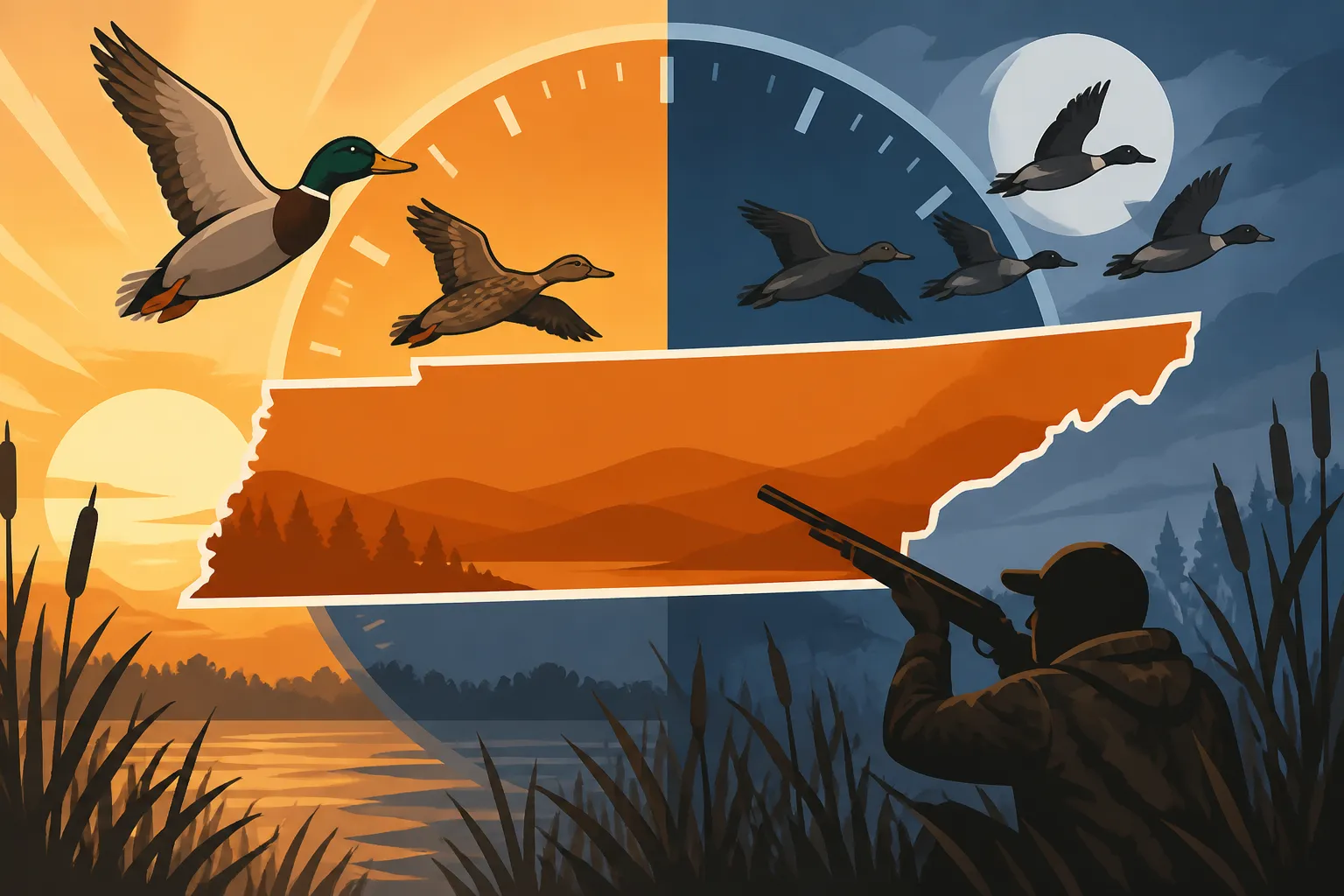
For waterfowl hunters in Tennessee, there's a unique blend of excitement and frustration each year as we watch the skies and monitor weather patterns, eagerly awaiting the arrival of migratory birds. It can feel like a guessing game, trying to predict when the ducks and geese will finally push south, often leaving us wondering if we've missed the peak or if the best is yet to come. This guide aims to pull back the curtain on the complex dance of Tennessee waterfowl migration timing, offering insights into the factors at play and what you can generally expect throughout the season.
Understanding the Basics of Waterfowl Migration
Waterfowl migration isn't a simple, unified event; it's a complex, staggered movement driven by instinct, weather, and food availability. For us here in Tennessee, our geographical location places us in a prime spot along one of the continent's most critical migration corridors. Knowing the general patterns and the forces behind them can significantly improve your chances of being in the right place at the right time.
The Mississippi Flyway: Tennessee's Superhighway for Birds
Tennessee sits squarely within the Mississippi Flyway, a vast aerial highway stretching from the Arctic tundra all the way down to the Gulf of Mexico. This flyway is absolutely vital for countless species of migratory birds, including nearly 40% of all North American waterfowl. Think of it as a massive, invisible interstate in the sky, funneling ducks, geese, and other avian travelers right over our state.
Our rivers, lakes, and extensive agricultural lands provide crucial resting and feeding grounds for these weary travelers. From the massive expanse of Reelfoot Lake to the sprawling river bottoms of West Tennessee, these wetlands and fields offer the fuel and refuge birds need to complete their arduous journeys. Understanding that we are part of this grand system is the first step to truly appreciating and anticipating the migration. It's why one cold front up north can transform our quiet sloughs into bustling duck marshes overnight.
Factors Influencing Migration Timing
Predicting the exact moment a major push of birds will hit can feel like trying to catch smoke, but several key factors consistently influence waterfowl migration timing. Temperature is a huge one; as northern states freeze up and traditional food sources become inaccessible, ducks and geese are forced to move south. This is often tied directly to those strong arctic cold fronts that bring icy winds and plummeting temperatures down through the Midwest.
Another significant factor is food availability. If an area still holds abundant natural forage like acorns, smartweed, or waste grain, birds might linger longer, even through some colder snaps. Conversely, an early winter or widespread crop harvest further north can push birds south faster. Water levels in our local wetlands also play a role; optimal water depths mean more accessible food and better resting spots, encouraging birds to stop and stay awhile. Ultimately, it’s a delicate balance of these environmental cues that dictates when the skies will fill with new arrivals.
Early Season Arrivals: Teal and Wood Ducks
Before the main cold fronts of late fall sweep down, Tennessee often gets a sneak peek at the migration with the arrival of some of our faster, earlier travelers. These birds offer unique hunting opportunities and set the stage for the larger migrations to come. Don't underestimate these early birds; they can provide some incredibly exciting hunts.
September Teal Season: A Quick Dash
For many Tennessee waterfowl enthusiasts, the brief September teal season is the first chance to hit the blind. Blue-winged teal, in particular, are early migrators, often making their way south even before autumn officially begins. They are spurred by the shortening days and cooler nights of late summer, long before severe cold affects their northern breeding grounds.
This special early season is a high-octane affair, often over as quickly as it begins. The birds are fast, agile, and can be gone as quickly as they appear. You'll find them concentrating in shallow, vegetated wetlands and flooded fields, often in large flocks. Their migration patterns are so distinct that the season is specifically tailored to their early passage, providing a thrilling, albeit short, window to chase these dynamic little ducks. Understanding these birds helps explain why Tennessee has an August Antlerless-Only Archery Hunt – the seasonality of hunting in our state is complex and tailored to individual species.
Wood Duck Habits and Early Season Opportunities
While some wood ducks are year-round residents in Tennessee, our population swells significantly with migratory birds starting in early fall. These stunning ducks, with their vibrant plumage, are highly sought after by hunters. They prefer wooded swamps, flooded timber, and shaded creek bottoms—habitats that are abundant across our state, especially in areas like the West Tennessee River Bottoms.
Unlike the open-water divers or field-feeding mallards, wood ducks are creatures of the timber. Their migration is less about frigid temperatures forcing them south and more about finding optimal habitat with accessible acorns and insects. Early season provides excellent opportunities to jump-shoot smaller pockets of water or set up in quiet backwaters. As the season progresses, their numbers tend to remain strong until truly harsh winter weather locks up their preferred shallow, wooded haunts.
The Main Event: Peak Duck and Goose Migration
As autumn deepens and winter looms, the heart of the waterfowl migration truly begins. This is when the skies are often filled with the most diverse and numerous birds, offering hunters the classic experiences we often dream about. Being prepared for these waves of birds is what Tennessee duck and goose hunting is all about.
Mallards and Divers Descend on Tennessee
The arrival of the main push of mallards, along with various diver ducks like canvasbacks, redheads, and scaup, typically coincides with significant cold fronts hitting the northern states and the Upper Midwest. This often means late October through December are prime times for the bulk of these birds to make their way to Tennessee. When those big cold fronts blast through, you can almost feel the shift in the air, knowing new birds are on the way.
Mallards, often called the "king of ducks," are drawn to our flooded timber, agricultural fields, and large bodies of water. They're looking for abundant food sources like waste grain and acorns. Divers, on the other hand, are primarily found on larger, deeper bodies of water like Kentucky Lake, Barkley Lake, and Reelfoot Lake, feeding on submerged vegetation and invertebrates. Learning to read these migration patterns, and understanding where you might find Mallards at Reelfoot Lake, or other divers, is key to success. Tennessee's unique blend of habitats caters to both types of birds, making it a diverse hunting destination.
Canada Geese: Resident and Migratory Populations
Canada geese present a slightly different migration dynamic in Tennessee due to the presence of both migratory and growing resident populations. The resident geese are often a year-round fixture, nesting and living in our agricultural areas, urban parks, and golf courses. However, our numbers swell considerably when the vast flocks of migratory Canada geese descend from their northern breeding grounds.
These migratory geese typically arrive later in the fall and early winter, often pushed south by severe cold in the states north of us. They are primarily field feeders, so you'll often find them in large numbers in agricultural areas, especially cut cornfields and winter wheat fields. Successful goose hunting often involves scouting these fields diligently and understanding their daily patterns, sometimes requiring Layout Blind Hunting a Cut Cornfield. While resident geese can offer opportunities, the true excitement often comes with the arrival of those magnificent migratory flocks.
Late Season Stays: Cold Weather Hunting
As the calendar turns to late December and January, the migration often shifts from a steady flow of new birds to managing the populations that have chosen Tennessee as their wintering grounds. This late season can be incredibly productive, but it requires different tactics and a resilience to colder, often harsher, weather conditions.
Wintering Grounds in West Tennessee
West Tennessee, with its extensive river bottoms, flooded agricultural lands, and the iconic Reelfoot Lake, serves as a critical wintering ground for vast numbers of waterfowl. After the initial waves of migration pass, many birds settle into these areas, finding consistent food and sanctuary. This is where birds like mallards, gadwalls, and various dabblers will spend the coldest months, riding out the winter until the urge to return north strikes in spring.
Hunting in these wintering grounds in December and January often means dealing with established birds that have seen plenty of pressure. They're smart, wary, and will quickly key in on anything that seems out of place. This is where attention to detail in blind concealment, decoy spreads, and calling becomes absolutely paramount. It’s a rewarding challenge, but one that requires dedication. For those focused on Waterfowl Hunting Reelfoot Lake and Beyond, the late season can be phenomenal as long as the birds have stuck around.
Adjusting Tactics for Late Season Birds
Successfully hunting late-season waterfowl in Tennessee demands adaptability. The birds are educated, and the weather is often at its most challenging. One major shift is the importance of understanding food sources. As natural foods are depleted, birds often become more reliant on waste grain in agricultural fields. Scouting these fields becomes non-negotiable, often best done using mapping apps that integrate public and private land boundaries to identify potential access points. Apps like GoHunt are invaluable for identifying likely travel corridors and pinpointing key feeding areas, helping you understand where birds are concentrating after weeks of hunting pressure.
Decoy spreads might need to become more natural or less crowded, or you might switch to a "less is more" approach with ultra-realistic full-body decoys. Calling also needs to be refined; aggressive calling that worked on young, uneducated birds early in the season might spook wary late-season ducks. Soft, subtle quacks and feed calls are often more effective. This is also the time when hunters need to be prepared for truly cold weather, investing in good layering systems and waterproof gear to stay comfortable during long waits in the blind.
Key Waterfowl Hotspots and Their Migration Dynamics
Tennessee is blessed with a variety of habitats that attract waterfowl, each with its own unique characteristics and draw for migratory birds. Understanding these specific areas can help you refine your hunting plans and target the types of birds you're after.
Reelfoot Lake: A Magnet for Migrators
Reelfoot Lake in West Tennessee is arguably the state's most famous waterfowl destination, and for good reason. Its unique genesis from earthquakes created a vast, shallow, cypress-filled lake that acts as an unparalleled magnet for migratory waterfowl, especially mallards, gadwalls, and various diving ducks. The lake's abundant submerged vegetation and shallow, open waters provide ideal feeding and resting grounds.
The migration to Reelfoot starts in earnest in late October and builds through November, often peaking in December and January as severe cold further north pushes birds down the Mississippi Flyway. Hunters often secure Hunting the Reelfoot Lake Duck Blinds, setting up in the cypress trees or in permanent blinds along the lake's edges. The sheer number of birds that can congregate here is staggering, offering incredible spectacles and challenging hunting opportunities. This area is so vital that special permits, like the Reelfoot Preservation Permit, are often required to manage access and preserve the resource.
Smaller Rivers, Lakes, and Flooded Timber
While Reelfoot commands attention, countless smaller rivers, lakes, and tracts of flooded timber across Tennessee offer equally productive—and often less pressured—waterfowl hunting. Areas along the Tennessee River and Cumberland River, as well as numerous wildlife management areas (WMAs) with managed wetlands, can hold significant numbers of birds. These locations often attract Wood Ducks in Tennessee Bottomland and mallards, particularly when local food sources are good.
Flooded timber hunting, especially in the river bottoms of West and Middle Tennessee, offers an iconic experience. When the rivers rise and flood the oak flats, ducks will pour into these areas to feed on acorns. Knowing how to read a river bottom for prime timber hunting, and understanding where the water meets the woods, can be incredibly rewarding. These smaller, more intimate locations often mean less competition but require more dedicated scouting to find where the birds are currently working.
Scouting and Predicting Migratory Movements
Successful waterfowl hunting is rarely about luck; it's almost always about diligent scouting and a keen understanding of migratory patterns. Being able to predict when and where birds will show up is the biggest advantage a hunter can have.
Reading Weather Patterns and Cold Fronts
The number one predictor of waterfowl migration is the weather, specifically cold fronts. When those strong arctic air masses push south, bringing freezing temperatures and snow to the northern states, you can almost guarantee a fresh push of birds will be heading our way. Keep a close eye on weather forecasts not just for Tennessee, but for states like Arkansas, Missouri, Illinois, and even as far north as the Dakotas and Canada.
A sharp drop in temperature over a few days, coupled with northerly winds, is the ideal recipe for new arrivals. Ducks and geese conserve energy by riding these winds south. Conversely, periods of mild, stable weather can cause birds to linger further north or spread out more, making them harder to concentrate. Understanding these large-scale weather systems is crucial for knowing when to hit the blind. This goes hand-in-hand with understanding broader patterns like Hunting the Mississippi Flyway Backwaters, where new birds are constantly flowing through.
Using Technology for Waterfowl Intel
In today's hunting world, technology can be a game-changer for predicting and reacting to waterfowl movements. Satellite imagery and weather apps provide real-time data on everything from temperature swings to ice formation in northern states, giving you advanced warning of incoming migrations. Online forums and local scouting reports (from trusted sources, of course) can also provide invaluable on-the-ground intelligence about bird numbers and concentrations.
Mapping applications like GoHunt offer incredible advantages, allowing you to identify potential hunting spots, analyze topography, and even locate water sources and agricultural fields from your phone. You can mark potential roosting ponds, identify likely flight paths, and scout public land boundaries all before ever stepping foot in the field. This digital scouting, combined with traditional boots-on-the-ground effort, creates a powerful strategy for staying ahead of the birds and making the most of Tennessee Waterfowl Migration Timing. Always ensure you have your Tennessee HIP Certification for Bird Hunters and other required licenses, as even with technology, legal compliance is paramount.
Tennessee Waterfowl Species and Their Typical Migration Peaks
Understanding which birds arrive when can help you tailor your hunting strategies throughout the season. While these are general trends, local conditions can always cause variations.
| Waterfowl Species | Primary Migration Period (Peak) | Key Behaviors/Habitats |
|---|---|---|
| Blue-winged Teal | September (Early) | Fast, agile. Shallow, vegetated wetlands, flooded fields. |
| Wood Duck | September – Early November | Timbered swamps, flooded woods, creek bottoms. |
| Gadwall | October – December | Diverse diet, shallow marshes, open water margins. |
| Wigeon | October – December | Grazers, often in fields near water, shallow marshes. |
| Green-winged Teal | October – January | Quick fliers, shallow water, smartweed, waste grain. |
| Mallard | Late October – January | Most common. Flooded timber, fields, large lakes. |
| Pintail | November – December | Long necks, shallow water, fields, often wary. |
| Canvasback | November – January | Deep divers, large open lakes, eat tubers. |
| Redhead | November – January | Divers, large open lakes, coastal marshes. |
| Scaup (Bluebill) | November – January | Divers, large open lakes, eat mussels/invertebrates. |
| Canada Goose | November – February | Field feeders, large flocks, agricultural land, lakes. |
This table provides a general overview, but remember that a major cold front can bring a mixed bag of all these species down at once! It’s all part of the excitement of Tennessee Duck Harvest Numbers.
Disclaimer
This article is for general informational purposes only and does not constitute professional advice. Laws, prices and regulations vary by location and change over time. Consult a qualified professional for guidance on your specific situation.