How Close a Tennessee Mentor Must Stay
It's no secret that getting started in hunting, or even bringing a new hunter along, can feel like navigating a maze of rules and regulations. One question that trips up a lot of folks, especially when it comes to youth or new adult hunters under an apprentice license, is just how close that mentor actually needs to stay. It's not just about compliance; it's about safety, learning, and making sure everyone has a positive experience afield. This guide is here to untangle those specifics and offer practical advice to ensure you're squared away for your next Tennessee hunt.
Understanding Tennessee's Mentor Hunting Rule
For anyone using an apprentice hunting license in Tennessee, whether it's a young hunter taking their first steps into the woods or an adult newcomer, the role of a mentor is absolutely critical. It's designed to be a protective measure, ensuring new hunters get the guidance they need without being left vulnerable or making dangerous mistakes. This isn't just a suggestion; it's a foundational rule for getting started in the Tennessee hunting community.
The Specific Proximity Requirement
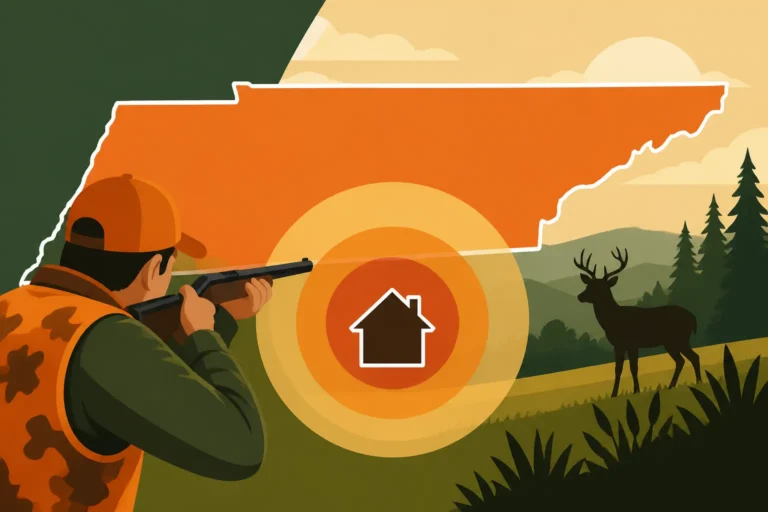
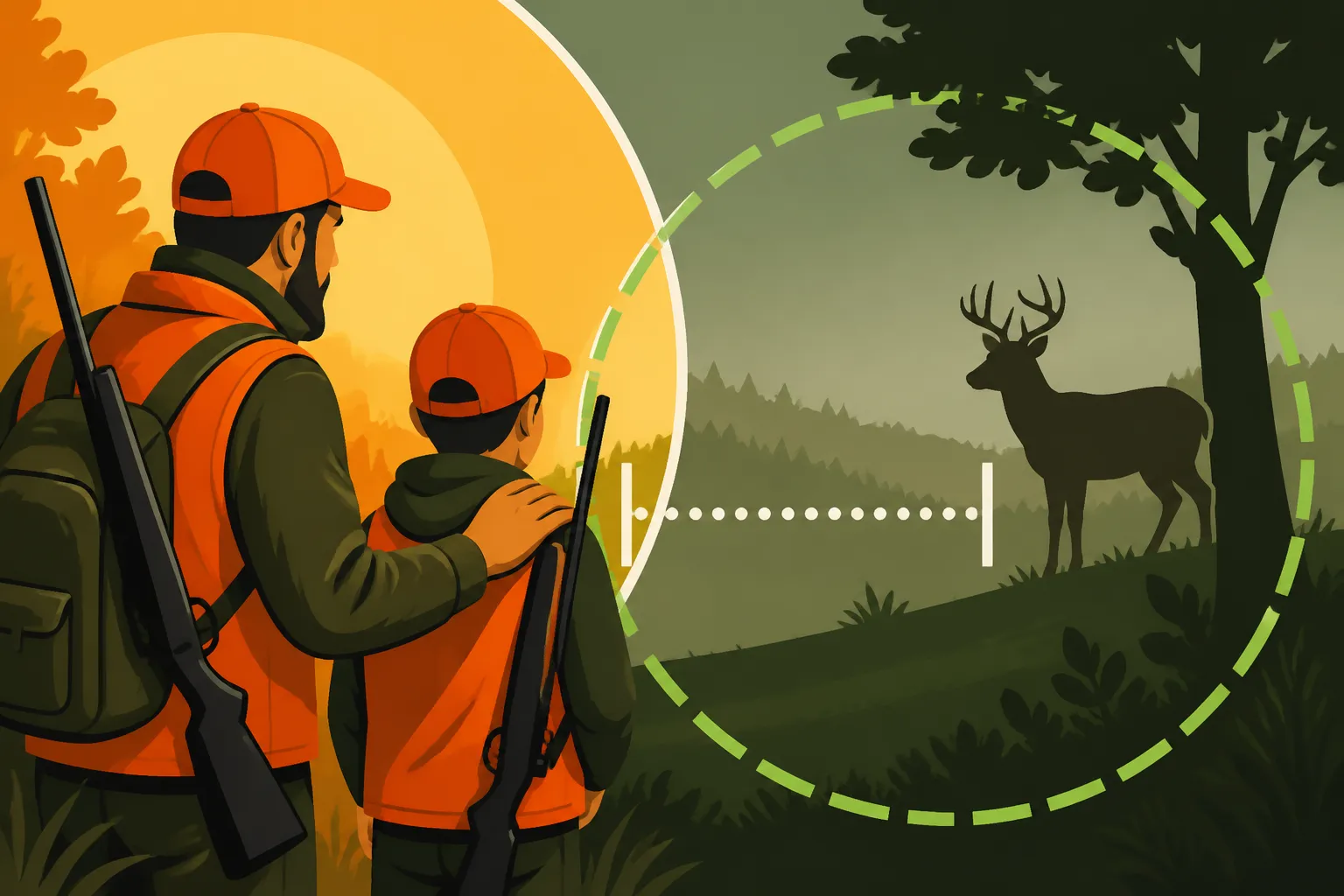
So, how close is "close enough"? The Tennessee Wildlife Resources Agency (TWRA) is pretty clear on this: the mentor must remain in a position to take immediate control of the hunting device and to provide instruction and supervision. This isn't a hard-and-fast distance like "within 10 yards" or "within sight," because, let's be honest, hunting conditions vary wildly. What's "immediate control" in an open field is very different from a thick bottomland swamp or a steep, rocky ridge in the Cherokee National Forest.
Think of it this way: if your apprentice spots a legal deer and raises their rifle or bow, could you, the mentor, physically intervene if they were about to make an unsafe shot, misidentify the animal, or needed immediate coaching on shot placement? Could you quickly step in if the apprentice slipped and fell, potentially pointing a loaded firearm in an unsafe direction? If the answer is no, you're too far. This means you should be within earshot for verbal communication, and within a quick sprint or a few careful steps, depending on the terrain. It really boils down to having a line of sight, or at least a very clear path, to your apprentice at all times while they are actively hunting. Losing sight of each other for even a moment in dense cover could put you on the wrong side of this rule and, more importantly, compromise safety.
Why the Mentor System Exists
The apprentice hunting license and the mentor requirement aren't there to make things harder; they're designed with safety and education at their core. Hunting is a tradition, but it's also an activity with inherent risks, especially when firearms or archery equipment are involved. The mentor system provides a structured way for experienced hunters to pass on their knowledge safely, mitigating risks for both the apprentice and anyone else in the field.
Imagine a young hunter, excited and perhaps a bit nervous, encountering their first deer. Without an experienced mentor nearby, they might rush a shot, make a poor judgment call on animal identification, or forget crucial safety steps like identifying their target and what lies beyond it. The mentor is there to prevent these scenarios, to calmly guide them through the decision-making process, and to ensure ethical and responsible hunting practices. This hands-on guidance is invaluable, covering everything from proper firearm handling and muzzle control to understanding Tennessee Legal Firearms for Deer Hunting, wildlife identification, and even basic field dressing. It's about instilling good habits from the start, fostering a deep respect for wildlife and the land, and ultimately, ensuring that new hunters become safe, lifelong participants in the sport. It's also a fantastic way to bond and share experiences, creating lasting memories afield.
Who Qualifies as a Mentor
It's not just "any adult" who can serve as a mentor. The TWRA has specific qualifications to ensure that the person guiding the apprentice is capable and responsible. Generally, a mentor must be at least 18 years old and possess a valid Tennessee hunting license (excluding the apprentice license itself). They also cannot have any hunting license revocations in their history. The idea is that the mentor should be someone who genuinely understands the rules, demonstrates good judgment, and has the experience to teach effectively.
This means a responsible parent, an older sibling, an uncle or aunt, or even a close family friend can fill this role, as long as they meet the age and licensing requirements. It's not about being a professional guide; it's about being a knowledgeable and trustworthy individual committed to the safety and education of the apprentice. It's highly recommended that mentors themselves are very familiar with Tennessee Hunter Education Requirements even if they're exempt due to age, as knowing what the apprentice is learning helps bridge any knowledge gaps. The mentor essentially acts as the fully licensed hunter in the eyes of the law, taking full responsibility for the apprentice's actions and adherence to regulations during the hunt.
Practical Scenarios and Common Challenges for Mentored Hunts
Hunting in Tennessee offers such diverse landscapes, from the rolling hills of the Cumberland Plateau to the dense bottomlands of West Tennessee. Each of these environments presents its own unique challenges for maintaining proper mentor-apprentice proximity. It's not always as simple as walking side-by-side down a well-worn trail.
Staying Connected in Thick Cover
One of the biggest hurdles for mentors is keeping close in dense Tennessee cover. Imagine you're Hunting West Tennessee Bottomland Deer where thick briars, cypress swamps, and tangled cane can swallow you whole. Or perhaps you're Reading a Ridge for East Tennessee Deer in the thick laurel and rhododendron of the mountains. In these situations, even a few yards can put a visual barrier between you and your apprentice.
This is where planning and communication become paramount. Before you even leave the truck, discuss how you'll move through thickets. Will the mentor always take the lead, or will you stay abreast? How will you signal each other if one gets momentarily hung up? Silent hand signals or pre-arranged whistles can be invaluable. Sometimes, it means moving slower than you might on a solo hunt, constantly checking over your shoulder, or pausing frequently to ensure you're still within that "immediate control" zone. Using subtle verbal cues, like "I'm right behind you," or "Wait up, let's stick together," can prevent separation before it happens. Remember, the goal isn't just to be in the same general area, but to be able to actively supervise and intervene.
Group Hunts with Mentored Hunters
Many families enjoy Tennessee Deer Camp Traditions that involve multiple generations, and it's common to have a few apprentice hunters in the mix. This can add another layer of complexity. If you have two young hunters under the care of one mentor, for example, the mentor's responsibility is doubled, and their proximity requirement still applies to both apprentices. This often means very tight groupings, or in some cases, requiring multiple mentors for a larger group of new hunters.
Consider a deer drive, which is a popular tactic on some Tennessee Public Land. If you have an apprentice acting as a "stander," the mentor must be right there with them, not just nearby. If the apprentice is part of the "pushing" group, the mentor needs to be right by their side, guiding them and ensuring their safety and adherence to the drive's plan. It’s crucial to clarify who is mentoring whom, especially if several experienced hunters are present. Don't assume someone else is watching your apprentice; the designated mentor must remain diligent. Before a group hunt, clearly outline the mentor-apprentice pairings and discuss how everyone will stay safe and compliant, especially if covering varied terrain or using different hunting methods.
Technology to Aid Communication
While traditional methods like verbal cues and hand signals are essential, modern technology can also play a supportive role in maintaining connection on mentored hunts. Two-way radios are an excellent, simple tool for short-range communication in the woods. They allow for discreet updates without shouting, which can spook game, and are particularly useful in slightly thicker cover where visual contact might be intermittent but still within a safe zone. Brands like Midland or Motorola offer reliable, license-free options that are perfect for these scenarios.
Mapping applications like GoHunt, or other similar platforms, can help both mentor and apprentice track their positions relative to each other and planned routes, especially on unfamiliar public land. While these tools don't replace physical proximity, they can aid in situational awareness and help prevent accidental separation. For example, if you and your apprentice are working a ridge, and one of you pauses, a quick glance at the GoHunt app can confirm the other is still close behind. However, always remember the core rule: no app can physically take immediate control of a hunting device. These are aids, not substitutes, for direct supervision. Just make sure you understand Using Go Outdoors TN Without Cell Service if you're venturing into remote areas.
Ensuring Safety and Responsibility on a Mentored Hunt
Beyond the legal requirement of proximity, the essence of the mentor system is to foster a culture of safety and responsibility. A mentored hunt is an invaluable learning opportunity, and good preparation ensures it’s not only compliant but also genuinely educational and secure.
Pre-Hunt Briefings and Communication Plans
Before any apprentice hunt, a thorough pre-hunt briefing is non-negotiable. This isn't just a quick chat; it's a detailed discussion that covers every aspect of the outing. Start with safety fundamentals: firearm safety rules, muzzle control, trigger discipline, and target identification. Discuss Tennessee's Chronic Wasting Disease Management Zone if hunting in affected areas, and any specific harvest reporting rules. Review the hunting plan: where you'll go, how you'll get there, and what the expectations are. This is also the time to establish clear communication signals.
For example, agree on a specific phrase for "stop and wait," or a hand signal for "danger, hold still." Talk about how you'll communicate during the actual hunting process – if the apprentice spots game, how will they alert the mentor without making excessive noise? What if they need to move to get a better shot? The mentor should articulate their role clearly: "I will be right behind you, watching your every move. If I say 'stop,' you stop immediately. If I tap you, I need your attention." This kind of upfront planning removes ambiguity and builds confidence in the apprentice, knowing they have clear guidelines and a watchful eye. It’s also important to discuss realistic ranges, especially for new hunters. If you're Hunting the Rut in Early November, adrenaline can run high, so reinforcing conservative shot distances is crucial.
When to End a Hunt or Call for Help
Mentors also need to be prepared to make tough calls for the safety of their apprentice. If an apprentice becomes overly fatigued, cold, upset, or overwhelmed, it's the mentor's responsibility to recognize those signs and consider ending or pausing the hunt. A bad experience can sour a new hunter on the sport indefinitely. Pushing too hard, especially in adverse weather conditions like a sudden cold front during Hunting Deer After a January Cold Front, isn't worth it.
Furthermore, accidents, though rare with proper precautions, can happen. Mentors should always carry a well-stocked First Aid Kits for Remote Cherokee Forest Ground and know basic wilderness first aid. Before the hunt, establish a plan for emergencies: who to call (TWRA dispatch, local emergency services), where the nearest access points are, and how to communicate if cell service is spotty. Having a reliable satellite messenger, like a Garmin inReach, is an excellent safety net for truly remote areas where traditional cell service is non-existent. Make sure your apprentice knows these protocols as well, so they understand the seriousness of safety and the importance of preparedness.
Legal Ramifications of Non-Compliance
It's vital to remember that failing to adhere to the mentor proximity rule isn't just a guideline; it's a potential legal violation. If a wildlife officer encounters an apprentice hunter who is not under the immediate control and supervision of their mentor, both the mentor and potentially the apprentice could face citations or fines. These Tennessee Wildlife Violation Penalties can range from monetary penalties to, in severe cases, hunting privilege revocations.
The TWRA takes these rules seriously because they are directly tied to safety and the ethical pursuit of game. An unsupervised apprentice is a liability, not just to themselves but to the public and the reputation of hunters. Beyond the legal consequences, there's the moral responsibility. As a mentor, you are entrusted with teaching safe, ethical hunting practices. Failing to stay close enough not only puts your apprentice at risk but also undermines the very purpose of the apprentice hunting program. It’s a privilege, not a right, to mentor a new hunter, and upholding these rules is a critical part of maintaining that privilege. Always double-check Tennessee Apprentice Hunter License Rules to stay current on any updates.
To sum it all up, let's look at a quick table outlining key aspects of the mentor-apprentice relationship:
| Aspect | Mentor's Responsibility | Apprentice's Understanding | Proximity Application |
|---|---|---|---|
| Supervision | Maintain immediate visual and auditory contact. | Stay aware of mentor's presence and instructions. | Close enough to physically intervene or coach instantly. |
| Instruction | Provide real-time guidance on safety, ethics, and technique. | Listen, ask questions, and learn from mentor's advice. | Direct verbal communication and demonstration are possible without disruption. |
| Equipment Control | Be able to take control of hunting device immediately. | Handle equipment safely, but be ready for mentor intervention. | Mentor within arm's reach or a quick, unhindered step. |
| Emergency Plan | Carry first-aid, know emergency contacts, communicate plan. | Know who to call and what to do if mentor is incapacitated. | Maintain communication even if separated (e.g., agreed-upon signals, radios). |
| Legal Compliance | Ensure adherence to all hunting regulations. | Understand mentor is responsible for adherence. | Strictly adhere to "immediate control" to avoid Tennessee Wildlife Violation Penalties. |
Ultimately, a mentored hunt in Tennessee should be an incredibly rewarding experience for both mentor and apprentice. By understanding and diligently applying the proximity rule, you’re not just following regulations; you’re building a solid foundation for a safe, ethical, and enjoyable hunting future for the next generation. It’s about more than just filling a tag; it’s about passing on a legacy, one careful step at a time.
Disclaimer
The information provided in this guide is for general informational purposes only and is not intended as legal advice. Hunting regulations can change, and interpretations may vary. Always consult the official Tennessee Wildlife Resources Agency (TWRA) regulations handbook or website, or contact a TWRA officer directly, for the most current and accurate information before engaging in any hunting activities.