Tennessee Northeast Bear Zone County List
Trying to make sense of Tennessee's bear hunting regulations can feel like navigating a dense thicket, especially when you're trying to pin down exactly which counties fall into each specific bear zone. It’s easy to get turned around, thinking one area might be open for a particular season when it's actually under different rules. This guide will clarify the specific counties that comprise the Tennessee Northeast Bear Zone, known as Zone 1, and help you understand what that means for your bear hunting plans.
Understanding Tennessee's Bear Management Zones
Tennessee's black bear population has seen a remarkable resurgence over the past few decades, thanks to diligent conservation efforts. What was once confined to the remote mountains of East Tennessee has now expanded, with bears making appearances in areas where they haven't been seen in generations. This expansion is wonderful news for wildlife enthusiasts, but it also means the Tennessee Wildlife Resources Agency (TWRA) has to be strategic in how it manages hunting opportunities to ensure healthy populations while minimizing human-wildlife conflicts.
The Rationale Behind Bear Management Zones
The simple truth is, a bear in the deep woods of the Cherokee National Forest faces different population pressures and has different habitat needs than a bear venturing closer to suburban developments. That's why the TWRA doesn't just have one blanket set of rules for the entire state. Instead, they’ve established distinct bear management zones. These zones allow for tailored regulations regarding season dates, bag limits, and even allowable hunting methods, all based on localized population densities, habitat availability, and the specific conservation goals for that region. It's a dynamic approach that aims to provide sustainable hunting experiences while also addressing the unique challenges each area presents. Hunters need to pay close attention to these zones because ignorance of the boundaries isn't an excuse for violating regulations.
Overview of Tennessee's Three Bear Zones
Tennessee currently has three primary bear hunting zones, each with its own set of rules designed to manage the local bear populations effectively. The Northeast Bear Zone, or Zone 1, is the focus of our discussion today and generally encompasses the most traditional and robust bear habitat in the Appalachian Mountains. This zone typically features the earliest opening dates and the longest seasons, reflecting a healthier and more established bear population that can sustain a more liberal harvest.
Then there's the Smoky Mountains Bear Zone, or Zone 2, which borders the Great Smoky Mountains National Park. This zone often has slightly different season structures, sometimes shorter, to account for unique management needs around the park and its high volume of visitors. Finally, the South Cherokee Bear Zone, or Zone 3, covers areas further south within the Cherokee National Forest Hunting, also with specific seasons. Each of these zones is distinct, and understanding where you are geographically is the first step to a legal and ethical hunt. This zonal approach is crucial for managing the state's expanding bear population sustainably, as highlighted in our comprehensive guide on Tennessee's Three Bear Hunting Zones.
Counties in the Northeast Bear Zone (Zone 1)
Now, let's get down to brass tacks: which counties, exactly, fall into this Northeast Bear Zone? This is where many hunters get confused, because sometimes it's not the entire county, but rather a specific portion. Knowing these boundaries is paramount for planning your hunt and ensuring you stay within the legal framework.
Breaking Down the Geographic Footprint
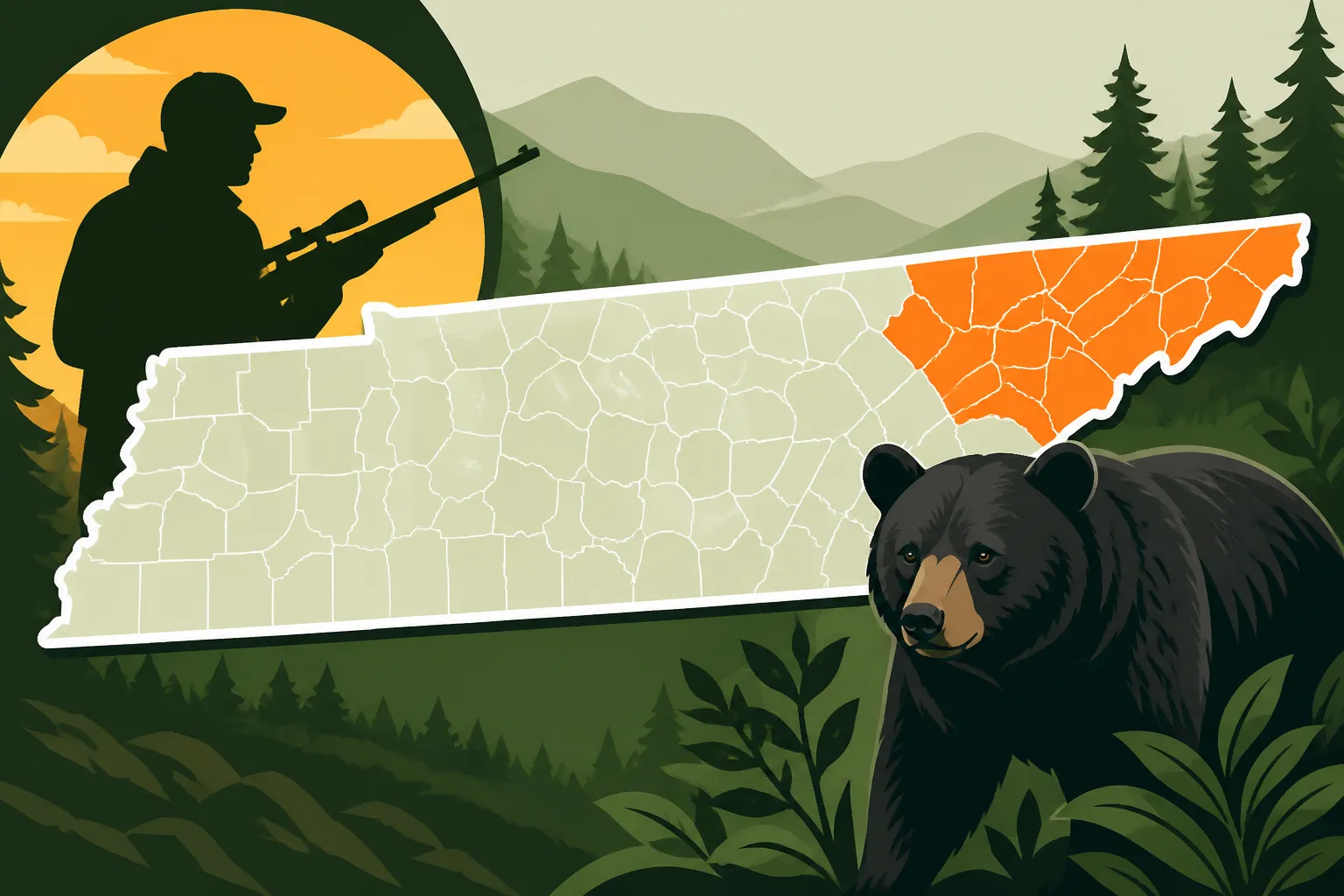
The Tennessee Wildlife Resources Agency (TWRA) designates specific counties, or portions thereof, as part of the Northeast Bear Zone, officially known as Zone 1. This area represents some of Tennessee's most established black bear habitat, primarily within the rugged terrain of the Appalachian Mountains. For clarity, the counties that make up this important zone are:
- Carter County: The entirety of Carter County falls within Zone 1. This mountainous county, with its expansive public lands, is a staple for bear hunters.
- Cocke County: Only the portion of Cocke County east of U.S. Highway 25/70 is included. This means hunters need to be acutely aware of the highway as a physical boundary. If you're west of that highway, you're not in Zone 1 for bear hunting purposes.
- Greene County: Similar to Cocke, only the area east of U.S. Highway 11E in Greene County is part of Zone 1. Again, map knowledge is key here to avoid any jurisdictional confusion.
- Johnson County: The entirety of Johnson County is designated as Zone 1. Located in the extreme northeast corner of the state, it's known for its wild lands.
- Monroe County: This county has a more complex boundary. It's the area east of U.S. Highway 411 and north of the Tellico River. This requires careful study of topographical maps or a robust hunting app like GoHunt to ensure you're within the correct area.
- Polk County: Another county with a defined internal boundary. It's the region east of U.S. Highway 411 and north of the Hiwassee River. The Hiwassee River forms a natural, yet critical, boundary line for hunters in this region.
- Sullivan County: The portion of Sullivan County east of U.S. Highway 11W is in Zone 1. Don't assume the entire county is open; that highway is a significant demarcation.
- Unicoi County: The entire county of Unicoi is within Zone 1. Nestled in the mountains, it offers fantastic bear hunting opportunities.
- Washington County: Like Greene and Sullivan, it's the area east of U.S. Highway 11E in Washington County. Always double-check your location relative to these major roadways.
Knowing these specific boundaries is crucial. The difference between being in Zone 1 and outside it could be the difference between a legal harvest and a significant violation. Always consult the most current TWRA hunting guide for any last-minute changes or clarifications.
Unique Characteristics of Bear Hunting in Zone 1
Bear hunting in Tennessee's Northeast Zone is a truly immersive mountain experience. This region is defined by its rugged, steep terrain, dense hardwood forests, and thick rhododendron and mountain laurel thickets that provide excellent cover for bears. Hunters here will find vast expanses of public land, particularly within the Cherokee National Forest Hunting, which makes up a significant portion of this zone. This means long walks, challenging climbs, and the need for solid navigation skills, especially if you plan on using Spot-and-Stalk Tactics for Cherokee Forest Bears.
The bear population in Zone 1 is generally robust, offering some of Tennessee's best opportunities for a successful hunt. These bears thrive on natural mast crops like acorns, hickory nuts, and berries, making scouting for food sources a primary tactic, as discussed in our guide on Hunting Bears Over Natural Mast in the Mountains. Dog hunting is also a significant and traditional method allowed in certain periods within this zone, contributing to the rich hunting culture of the region. Hunters often rely on GPS systems and tools like GoHunt to track their hounds across the vast, unbroken timber. Unlike some other states, Tennessee does not permit baiting for bear hunting, so successful strategies focus on tracking, still-hunting, or pursuing with well-trained hounds.
Navigating Regulations and Access in Northeast Tennessee
Once you know you're in Zone 1, the next step is understanding the specific regulations that apply and how to gain legal access to hunting grounds. This involves checking annual TWRA guides, understanding public land rules, and navigating private land permissions.
Specific Season Dates and Bag Limits for Zone 1
While the Northeast Bear Zone typically offers more generous season lengths compared to other zones, the exact dates can shift slightly year to year. Generally, Zone 1 will feature early archery seasons, followed by muzzleloader and then modern firearms seasons, often extending through November or even into December, depending on the year's regulations. The bag limit for black bears across all of Tennessee is generally one bear per license year, regardless of the zone. This means once you've harvested a bear, your bear hunting for that license year is complete, no matter where you took it.
It is absolutely imperative to consult the current year's Tennessee Hunting & Trapping Guide published by the TWRA. This guide will provide the most up-to-date season dates, legal hunting hours, and any other specific rules or restrictions for Zone 1. These guides are usually available online via the TWRA website or at local license retailers. Don't rely on information from previous years, as regulations can and do change. This annual check is just as important as ensuring you meet all Tennessee Hunter Education Requirements before hitting the woods.
Public and Private Land Access Considerations
The vast expanses of the Cherokee National Forest Hunting are a cornerstone of bear hunting opportunities within Northeast Tennessee's Zone 1. This federal land offers incredible rugged terrain, but it also means navigating specific rules for ATVs, camping, and even treestand placement. Beyond the national forest, numerous state Wildlife Management Areas (WMAs) like Chuck Swan WMA provide additional public access. Always check WMA-specific regulations, as they can sometimes differ from general statewide rules. For example, some WMAs might have different access points or special permit requirements.
Many hunters utilize mapping tools such as GoHunt or the TWRA's official app to discern public and private land boundaries, which is absolutely critical in these mixed-ownership landscapes. Private land access is another avenue, but it requires diligent effort and respect. You must obtain explicit permission from landowners before hunting on their property. This often means knocking on doors well in advance of the season, building relationships, and being a responsible guest. Always know exactly where you are, whether you're using detailed maps or advanced GPS features, to avoid trespassing. Knowing the boundaries and being respectful of both private property and federal land rules, including those for Trail Camera Rules on Tennessee Public Land, is essential for a successful and ethical hunt in Northeast Tennessee.
Disclaimer
The information provided in this guide is intended for general informational purposes only and may not reflect the most current hunting regulations. Hunting laws and regulations in Tennessee are subject to change annually and can vary by specific zone, county, and wildlife management area. Always consult the official Tennessee Wildlife Resources Agency (TWRA) hunting and trapping guide for the most up-to-date and accurate information before planning any hunting trip. It is the hunter's responsibility to know and follow all applicable laws and regulations.