Which Counties Fall Inside the Elk Restoration Zone
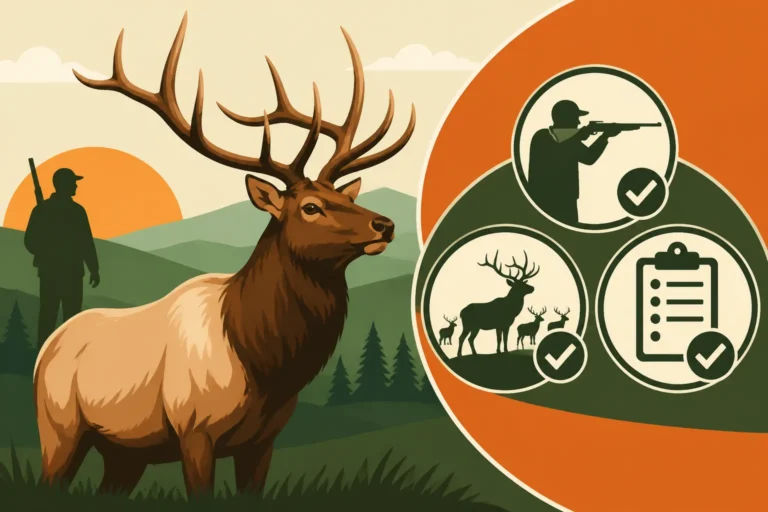
It can be incredibly frustrating trying to figure out exactly where Tennessee’s majestic elk roam, especially when you're dreaming of a hunt or just hoping for a glimpse of these incredible animals. The regulations around the Elk Restoration Zone can feel a bit like a tangled mess if you don't know where to look. This guide is here to untangle that, walking you through the specific counties that make up Tennessee's official elk country, explaining why they're so special, and giving you the lowdown on what that means for your outdoor adventures.
Navigating Tennessee's Elk Country: Understanding the Restoration Zone
For years, the idea of elk thriving in Tennessee felt like a distant dream, a whisper of a time long past. Native elk were extirpated from the state by the mid-1800s due to overhunting and habitat loss, leaving a significant void in our wild places. Imagine walking through the dense forests of the Cumberland Plateau, knowing these magnificent creatures once called it home, and feeling that loss. But thanks to dedicated conservation efforts and the foresight of the Tennessee Wildlife Resources Agency (TWRA), that dream became a reality. The establishment of the Elk Restoration Zone was a monumental step in bringing them back, creating a specific area where the herd could flourish, protected and managed for future generations.
The Genesis of Elk Restoration in Tennessee
The journey to bring elk back to Tennessee wasn't a quick fix; it was a carefully planned, multi-decade endeavor that truly showcases what conservation can achieve. Starting in 2000, elk from Canada were carefully translocated to the North Cumberland Wildlife Management Area (WMA), marking the official beginning of Tennessee's new herd. Picture the excitement, the anticipation, as those first animals stepped onto Tennessee soil after nearly 150 years of absence. It wasn't just about releasing animals; it was about ensuring they had the best possible chance to survive and reproduce. The selection of the release site was critical, requiring thousands of acres of suitable habitat, a blend of timber, open fields, and reliable water sources, all away from major human development. This initial commitment laid the groundwork for what we now celebrate as Tennessee's Restored Elk Herd.
The challenges were immense, from acclimating the elk to a new environment to managing potential conflicts with local landowners, but the dedication of wildlife biologists and volunteers was unwavering. They monitored the herd closely, tracking movements, health, and reproduction rates. It was a learning process, understanding how these animals would adapt to Tennessee's unique landscape. This foundational work is why we now have a thriving, huntable elk population in the state, a testament to the power of restorative conservation.
Why Specific Counties Were Chosen
The selection of the counties within the Elk Restoration Zone wasn't arbitrary; it was a strategic decision rooted in ecological science and management goals. The primary goal was to provide an expansive, contiguous habitat that could support a growing elk population without excessive human-wildlife conflict. The North Cumberland Plateau, with its rugged mountains, vast expanses of public land, and relatively low human population density, emerged as the ideal candidate. Think of the sprawling, timbered ridges and deep hollows — perfect cover and forage for a large ungulate like an elk.
These specific counties offered a unique combination of factors:
- Abundant Public Land: A significant portion of the land within these counties is managed by the TWRA as part of the North Cumberland WMA, as well as portions of the Cumberland Mountains, which ensures long-term habitat protection and management for elk. This means less worry about habitat fragmentation or development pressures, a common challenge in wildlife restoration elsewhere.
- Suitable Habitat: The topography and vegetation found here are incredibly similar to areas where elk naturally thrive. Large tracts of hardwood forests, interspersed with reclaimed surface mines that have been converted into grasslands and food plots, provide a diverse and nutritious diet for elk year-round. These reclaimed mine lands are actually a boon, offering extensive open areas for grazing that mature timber simply can't provide.
- Low Human Population Density: While not entirely uninhabited, these counties generally have fewer towns and less intensive agricultural development compared to other regions of Tennessee. This reduces the likelihood of elk encroaching on suburban areas or causing widespread crop damage, issues that can quickly derail a restoration project. It also provides more remote areas for elk to feel secure, which is vital for their breeding and calving success.
The careful consideration of these factors was paramount. It wasn't just about finding a spot to drop elk; it was about establishing a long-term home where they could truly re-establish themselves as a native species, creating a unique hunting and viewing opportunity for Tennesseans and visitors alike.
The Five Pillars of Tennessee Elk Habitat: A County-by-County Breakdown
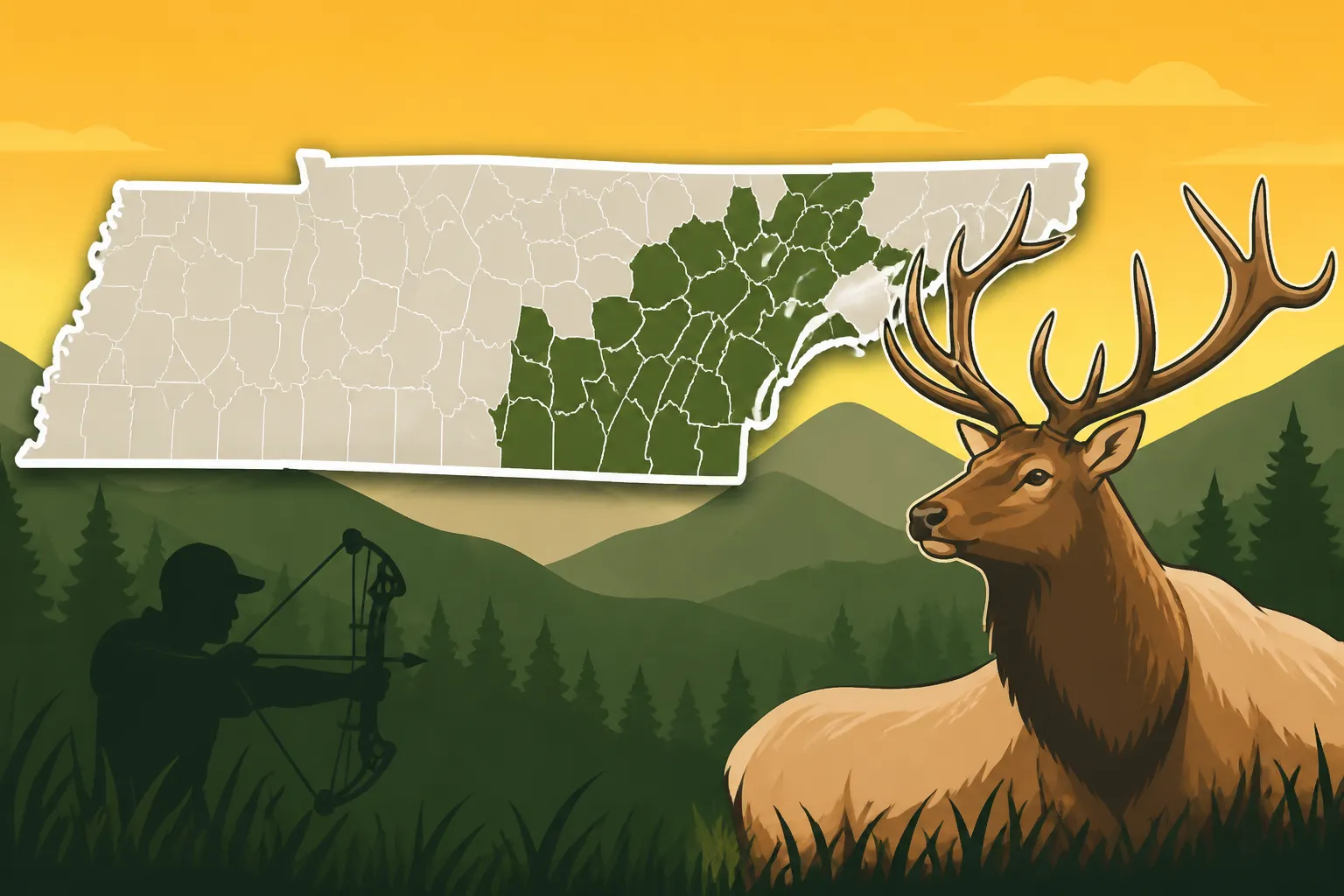
When we talk about the Tennessee Elk Restoration Zone, we're really talking about North Cumberland's Five-County Footprint. These five counties collectively form the heart of elk country in Tennessee, each contributing unique characteristics to the herd's success. Understanding the nuances of each area can be incredibly helpful whether you're hoping to draw an elk tag or simply want to try Elk Viewing in the North Cumberland Zone.
Campbell County: Gateway to the Plateau
Campbell County is often considered the western gateway to the North Cumberland Elk Restoration Zone, offering some of the most accessible yet rugged terrain for elk. This county is a mosaic of steep, forested ridges, deep valleys, and significant portions of the North Cumberland WMA. Hunters and outdoor enthusiasts here will find an incredible amount of public ground, including popular access points like the Royal Blue Unit. The landscape transitions from agricultural valleys in the east to the imposing mountains of the Cumberland Plateau further west.
The elk in Campbell County often utilize a mix of mature timber and the open, reclaimed mine lands that provide crucial forage. You'll find a lot of varied cover, from dense thickets perfect for bedding to more open hardwood stands where elk might feed on acorns during the fall. While the primary draw for many is the elk, the sheer wildness of the area also supports healthy populations of deer and bear, making it a truly diverse hunting experience. Campbell County Public Hunting Ground offers extensive opportunities, but be prepared for elevation changes and challenging navigation. Using a robust mapping app like GoHunt can be invaluable for understanding the topography and property lines in this rugged area.
Claiborne County: Foothills and Remote Wilderness
Moving eastward, Claiborne County encompasses the northeastern portion of the Elk Restoration Zone, bordering Kentucky. This area is characterized by rolling foothills that gradually ascend into the more mountainous terrain of the Cumberland Mountains. While it might seem less immediately rugged than some of its neighbors, Claiborne County holds significant blocks of remote, untamed wilderness, especially in areas like the Sundquist Unit of the North Cumberland WMA.
Elk here benefit from vast tracts of undeveloped land and a mix of hardwood forests and grasslands. The terrain can be quite challenging in places, with steep hollows and dense cover, which provides excellent refuge for the elk. Claiborne County's more eastern, lower-elevation sections might see elk occasionally disperse, but the core population remains centered in the higher, wilder parts of the county. These remote areas are where you might truly feel like you're stepping back in time, experiencing Tennessee as it was before settlement. Accessing some of these deeper sections might require serious legwork, making detailed topographic maps a must-have.
Scott County: Rugged Terrain and Timber
Scott County forms the northern backbone of the Elk Restoration Zone, boasting some of the most rugged and heavily timbered landscapes. This county is truly wild, dominated by the Cumberland Plateau's dramatic cliffs, deep gorges, and dense forest canopy. It holds a substantial portion of the North Cumberland WMA, providing extensive habitat for elk, bear, and deer. For hunters seeking a true backcountry experience, Scott County Elk Zone Public Land offers exactly that.
The elk in Scott County thrive in this environment, using the steep terrain for bedding and finding abundant browse and mast in the extensive hardwood and pine forests. Reclaimed surface mines are also prevalent, offering those critical open feeding areas that supplement the forest's offerings. Due to the challenging topography, elk here can often find sanctuaries away from human disturbance, allowing them to grow large and establish strong breeding patterns. If you're planning to hunt or explore in Scott County, be prepared for physically demanding treks and consider investing in quality gear to handle the varied terrain and weather.
Anderson County: Eastern Edge and Hidden Pockets
Anderson County sits on the southeastern edge of the Elk Restoration Zone, and while it's perhaps less "elk-centric" in popular perception compared to its northern neighbors, it still plays a vital role. Portions of the North Cumberland WMA extend into Anderson County, offering pockets of prime elk habitat, particularly in the northern reaches of the county. Here, the landscape begins to transition from the rugged plateau to more developed areas, meaning elk in Anderson County often utilize the interface between wilderness and human presence.
Elk sightings and movements in Anderson County might be more localized, concentrated in the wilder sections away from towns and major roads. These animals are typically part of the larger North Cumberland herd, dispersing into favorable areas for feeding or seeking new territory. Hunters exploring Anderson County Public Land Access within the elk zone should focus on these northern WMA sections, where the habitat is managed specifically for large game. While maybe not the first county that comes to mind for elk, don't underestimate its potential for those willing to scout and delve into its less-traveled corners.
Morgan County: Central Plateau Stronghold
Morgan County rounds out the five counties, holding a significant central position within the Elk Restoration Zone. Like its neighbors, Morgan County is characterized by rugged, forested terrain typical of the Cumberland Plateau, including large sections of the North Cumberland WMA. It's a true stronghold for elk, offering a blend of dense cover, varied topography, and reclaimed lands that create ideal conditions for the herd. Morgan County Elk Zone Public Land is a cornerstone of the restoration effort.
Elk in Morgan County benefit from extensive, undisturbed habitat that allows for natural movement and herd expansion. The mixture of mature forests, younger regrowth, and open grasslands provides a year-round food source and ample bedding areas. For those pursuing an elk hunt, understanding the nuances of how elk use these different habitat types across Morgan County can be crucial for success. This county, like Campbell and Scott, demands diligent scouting and preparation due to its challenging and expansive nature. The elk here are truly wild, reflecting the success of the restoration efforts.
| County | Primary Characteristics | Key Features for Elk | Access & Terrain |
|---|---|---|---|
| Campbell | Western gateway, steep ridges, agricultural fringes, extensive WMA | Mix of dense timber & reclaimed mine lands for forage, good cover. | Rugged, elevation changes, good public access points (e.g., Royal Blue Unit). |
| Claiborne | Northeastern foothills, remote wilderness, borders Kentucky | Vast undeveloped land, hardwood forests, thick cover, good refuge. | Challenging, steep hollows, deeper sections require significant effort, includes Sundquist Unit. |
| Scott | Northern backbone, highly rugged, heavily timbered, deep gorges | Cumberland Plateau's dramatic features, dense forest canopy, abundant browse/mast, reclaimed lands. | Demanding, physically challenging, extensive backcountry, excellent for true wilderness seekers. |
| Anderson | Southeastern edge, transition zone, hidden pockets, proximity to development | Localized elk habitat, focus on northern WMA sections, interface between wild/developed areas. | Varied, some easier access, but core elk areas still require effort; careful scouting crucial. |
| Morgan | Central stronghold, typical Cumberland Plateau features, robust WMA presence | Extensive undisturbed habitat, blend of mature forests, regrowth, and open grasslands. | Rugged and expansive, requires diligent scouting; central to herd movement and expansion. |
Beyond the Boundaries: Implications for Hunters and Wildlife Enthusiasts
Understanding which counties comprise the Elk Restoration Zone is just the first step. For hunters, it dictates where you can even dream of drawing a tag, and for wildlife enthusiasts, it points you toward the best places for viewing. This isn't just a map exercise; it has real-world consequences for how you interact with Tennessee's growing elk population. The specific boundaries mean that while an elk might occasionally wander into an adjacent county, the core management, protection, and hunting opportunities are concentrated within these five designated areas.
Hunting Regulations and Permits Within the Zone
The Tennessee elk hunt is one of the most coveted big game opportunities in the state, and for good reason—it's incredibly limited. Because the herd is still in its restoration phase, the TWRA carefully manages harvest numbers to ensure sustainable growth. This means you can't just head out with a general big game license and expect to hunt elk. Instead, Tennessee utilizes a strict quota hunt system. You'll need to apply for a permit, and the draw odds can be incredibly slim, reflecting the rarity and value of the experience. Information on Tennessee Elk Quota Hunt Rules and Applying for a North Cumberland Elk Permit is critical, usually available through the TWRA's official Go Outdoors Tennessee platform.
The elk hunts are divided into different seasons, including Hunting the Archery-Only Elk Season and the Hunting the General Firearms Elk Season, each with specific dates and rules. Hunters lucky enough to draw a tag must adhere to strict regulations, including checking in their animal at designated stations. The focus is always on ethical hunting practices and contributing to the scientific understanding of the herd. This isn't a hunt for the faint of heart; it's a demanding experience in challenging terrain, often requiring extensive physical preparation and knowledge of the area. Remember, even with a permit, success is far from guaranteed, making the preparation and the experience itself the real trophy.
Scouting and Accessing These Unique Areas
Whether you've drawn a tag or are simply looking to observe, effective scouting is paramount in the vastness of the Elk Restoration Zone. This isn't like deer hunting in a small woodlot; these are massive tracts of public land. The North Cumberland WMA, encompassing significant portions of these five counties, offers incredible access but also presents formidable challenges. You'll be dealing with steep inclines, dense timber, and a complex network of forest roads and trails, some of which are only accessible seasonally or with specific permits.
Successful scouting means getting out on the ground long before the season, or at least before your planned viewing trip. Look for signs of elk activity: tracks, droppings, rubs on trees, and well-worn trails. Elk, being large animals, leave distinct signs. Focus on areas where food sources (like reclaimed mine lands planted with clover or corn, or oak flats for acorns) meet thick cover. Water sources are also key. Digital mapping tools, such as those offered by GoHunt, can be a game-changer for navigating these complex areas, allowing you to mark waypoints, scout from afar, and understand elevation changes. When Scouting Tennessee Public Land Before Season, pay attention to remote ridges and secluded hollows where elk might feel secure, especially during daylight hours. Access roads can get crowded, so often the best strategy involves walking farther than others are willing to go.
Elk Viewing Opportunities and Conservation Efforts
Beyond hunting, the Elk Restoration Zone provides truly special opportunities for wildlife viewing. Seeing a wild elk in Tennessee is a breathtaking experience, a testament to successful conservation. The best times for viewing are typically dawn and dusk, when elk are most active, often moving into open areas to feed. The fall bugling season is particularly spectacular, as bull elk engage in their vocal displays to attract cows and challenge rivals. Designated viewing areas, such as those found within the North Cumberland WMA, sometimes offer easier access for observers.
The existence of the Elk Restoration Zone also highlights the ongoing conservation efforts. The TWRA continually monitors the Tennessee Elk Herd Size Today, studies their movements, and manages their habitat. This includes prescribed burns to promote new growth, planting food plots, and collaborating with landowners to minimize conflict. Every hunter who purchases a license and every visitor who enjoys these public lands contributes directly to these vital programs, ensuring that Tennessee's elk thrive for generations to come. It’s a shared responsibility, and these counties are at the forefront of that commitment.
Planning Your Adventure: Resources and Next Steps
Embarking on any outdoor adventure in Tennessee's elk country, whether it's for hunting or viewing, requires careful planning. The sheer scale of the Elk Restoration Zone, coupled with its rugged terrain and specific regulations, means you can't just wing it. Thinking ahead, gathering your resources, and staying informed are your best allies for a successful and safe trip.
Utilizing Digital Tools for Zone Navigation
In today's age, technology is an indispensable tool for navigating large tracts of public land. Gone are the days of relying solely on paper maps, though a physical map and compass are always wise backups. Apps like GoHunt, onX Hunt, or the TWRA's own "Go Outdoors Tennessee" app provide detailed topographic maps, satellite imagery, and crucial land ownership data directly to your phone or tablet. This is particularly vital in the Elk Restoration Zone, where knowing precise boundaries of public and private land, as well as specific WMA units like Royal Blue or Sundquist, can prevent accidental trespassing or help you find hidden access points.
These digital tools allow you to:
- Identify Public vs. Private Land: Crucial for staying legal, especially when tracking an animal or simply exploring.
- Understand Topography: Visualize elevation changes, locate ridgelines, hollows, and potential bedding areas.
- Mark Waypoints: Save locations of fresh sign, water sources, or good vantage points for future reference.
- Track Your Movement: Ensure you know where you are at all times, especially in dense timber or unfamiliar terrain.
Before heading into the field, always download offline maps, as cell service can be spotty or non-existent in the more remote parts of these counties. A fully charged power bank is also a must-have to keep your devices running. Being technologically prepared significantly enhances both your safety and your chances of success in these wild areas.
Staying Informed on TWRA Regulations
Wildlife regulations are dynamic and can change from year to year based on herd health, population studies, and management goals. For elk in particular, given the ongoing restoration efforts, it's absolutely critical to stay up-to-date with the latest information from the Tennessee Wildlife Resources Agency (TWRA). Their website is the official source for all hunting and fishing regulations, season dates, permit application periods, and specific rules for WMAs within the Elk Restoration Zone.
Before planning any trip, always check the current year's hunting guide and any special announcements related to elk. This includes understanding the specific requirements for Tennessee Big Game License Requirements and the nuances of the elk quota hunt. Even if you've been before, a small rule change could impact your plans. Subscribing to TWRA newsletters or following their social media channels can also help you stay informed about application deadlines, changes to hunting zones, or important conservation updates. Being proactive with your knowledge ensures you're always operating within legal guidelines and contributing positively to the responsible management of Tennessee's incredible elk resource.
Disclaimer
This guide is intended for informational purposes only and is not a substitute for official Tennessee Wildlife Resources Agency (TWRA) regulations. All hunters and outdoor enthusiasts should consult the most current TWRA hunting guide and relevant legal statutes before engaging in any hunting or wildlife viewing activities. Regulations, season dates, and permit requirements are subject to change. Always prioritize safety, ethical practices, and adherence to all applicable laws.