Tennessee Archery Season Opening Day
The crisp morning air on the last Saturday of September – for many of us, that's what we dream about all year. The first day of Tennessee archery season holds a special kind of magic, but it also brings its own set of challenges. From fluctuating early-season deer patterns to navigating the latest regulations, opening day can be both exhilarating and a bit daunting. This comprehensive guide is designed to equip you with the knowledge and strategies you need to make the most of that anticipated moment when Tennessee Archery Season Opening Day finally arrives.
The Unique Thrill and Challenges of Opening Day
There's nothing quite like the feeling of stepping into the woods on opening morning, bow in hand, knowing you have a fresh slate. But it's also a time when many hunters, myself included, can make costly mistakes if they're not prepared for the specific nuances of the early season.
Why Opening Day is Different
Early season in Tennessee operates under a distinct set of rules, not just regulatory, but behavioral, for the deer themselves. Unlike the peak of the rut or the cold, quiet late season, these initial weeks see deer largely still adhering to their summer routines. This means they are primarily focused on abundant food sources and readily available water, especially when temperatures remain stubbornly high. The vegetation is still dense, providing ample cover for deer and making visibility a challenge for hunters.
The deer haven't experienced significant hunting pressure yet, which can be both a blessing and a curse. They might be less wary in general, but they're also less likely to respond to the aggressive calling or rattling tactics that become effective later in the fall. For many, it's the first real chance to get back into the stand after months of waiting, and that eagerness, while understandable, requires a measured approach. We're all shaking off the off-season rust, so being meticulously attentive to details like wind direction and scent control is more crucial than ever. Success during this period hinges on stealth, patience, and a deep understanding of what's drawing deer in your immediate hunting area.
Common Opening Day Missteps to Avoid
One of the most frequent errors hunters commit on opening day, even the most experienced among us, is to immediately burn out their absolute best, most promising spots. You've spent weeks scouting, located a pristine white oak dropping acorns, or found a hidden honey-hole on a Hunting West Tennessee Bottomland Deer property, and the urge to sit it from dawn till dusk, day after day, is incredibly strong. However, early season deer are extremely sensitive to pressure. Repeated intrusions, even if you're trying to be quiet, can quickly turn a prime location into a ghost town long before the best part of the season rolls around.
Another significant pitfall is underestimating the impact of human scent. With those often-warmer early season temperatures, your scent cone spreads further and lingers longer. A sweaty walk-in to your stand, forgetting to spray down your boots, or even casually handling your gear with ungloved hands can easily alert a mature whitetail to your presence. The deer you're pursuing have sophisticated noses, and any whiff of danger will send them packing. Lastly, many hunters fail to adapt to the prevailing conditions. If the thermometer is still climbing into the 80s, you can expect midday deer movement to be minimal. An all-day sit in these conditions might lead to more frustration and exhaustion than actual hunting opportunities. Flexibility in your schedule and a willingness to adjust your tactics based on real-time weather and deer activity are far more productive.
Navigating Tennessee's Archery Season Specifics
Before you even think about climbing into a stand, it's absolutely vital to be intimately familiar with Tennessee's specific regulations for archery season. These rules are designed to manage the herd effectively and ensure a fair chase for all hunters.
Understanding the Key Dates and Zones
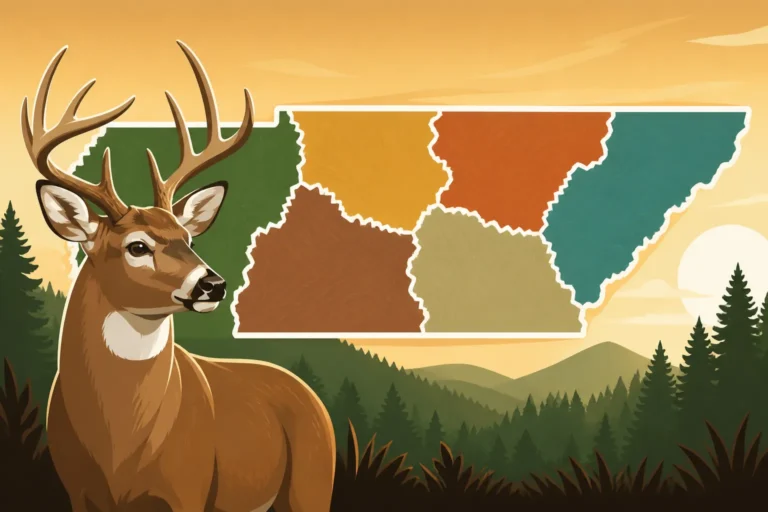
For most Tennessee hunters, the anticipation builds towards that statewide archery season opener, which typically falls on the last Saturday in September. This marks the glorious official start of our deer hunting endeavors for the fall. However, as any seasoned hunter in the state knows, Tennessee's deer hunting landscape is not uniform. The state is divided into Tennessee's Six Deer Management Units, each with its own set of antlerless bag limits and, sometimes, slightly different season frameworks.
For example, a hunter pursuing deer in DMU 1 might have a daily bag limit of three antlerless deer, while someone hunting in DMU 6 might find antlerless harvest is either prohibited or severely restricted in the early weeks. These differences are designed to manage regional deer populations effectively. It's imperative that you consult the most current TWRA regulations for the specific county or counties you plan to hunt. A quick check of the updated Tennessee Archery Season Dates on the TWRA website or through your GoHunt app will prevent any unwanted surprises and ensure you're hunting legally and ethically.
The Impact of Chronic Wasting Disease on Early Season
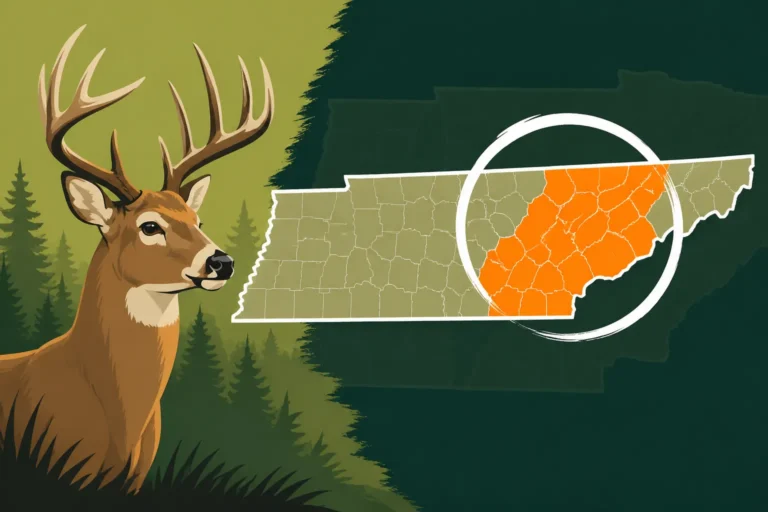
The presence of Chronic Wasting Disease (CWD) continues to be a serious concern for Tennessee’s deer herd, particularly in counties designated within Tennessee's Chronic Wasting Disease Management Zone. If your hunting plans take you into or near these areas, you will encounter additional regulations that are crucial to follow. These often include strict rules on the transportation of deer carcasses out of the CWD zone and mandatory submission of samples for Tennessee CWD Testing for Hunters at designated drop-off points.
While these extra steps might feel like an inconvenience, they are vital for monitoring the spread of CWD and protecting the health of our deer population for future generations. The TWRA has worked hard to make the reporting and testing process as streamlined as possible, with online harvest reporting and convenient sampling stations. Familiarize yourself with the exact boundaries of these zones and the specific requirements for each, as they can be updated. Staying informed through the TWRA's official channels and tools like GoHunt is your best defense against inadvertently breaking a rule.
License and Permit Requirements
Let's be honest, nothing will ruin an opening day faster than realizing your license isn't valid. Before you even think about setting foot in the woods, make absolutely sure your Tennessee Hunting Licenses and What They Cost are up to date. For most residents, this will involve a basic hunting license and a big game permit. Many seasoned hunters opt for the comprehensive Tennessee Sportsman License, which covers a wide array of hunting and fishing activities throughout the year and often proves to be the most cost-effective solution.
Non-residents have various options, including shorter-duration permits tailored for visiting hunters. You can typically purchase your licenses online through the TWRA's Go Outdoors Tennessee portal, or at licensed vendors such as sporting goods stores. Remember, if you're a new hunter, you must complete the Tennessee Hunter Education Requirements unless you're hunting under an apprentice license with a qualified mentor. Always carry proof of your license, whether it's a physical copy or easily accessible on your mobile device, as wildlife officers conduct routine checks throughout the season.
Mastering Early Season Archery Tactics
With the rules understood and your gear ready, the next step is to refine your tactics to match the early season behavior of Tennessee whitetails.
Scouting for Early Season Success
Effective Scouting Tennessee Public Land Before Season is not just helpful; it's absolutely non-negotiable for consistent success in the early archery season. Unlike the later phases when bucks are cruising for does, early season deer are often creatures of routine, moving predictably between secure bedding areas and abundant food sources. Your scouting efforts should zero in on identifying these crucial patterns. Look for the freshest rubs and scrapes along distinct transition lines—these could be the edges of agricultural fields, prominent ridge points, or the winding bends of creek bottoms.
The early season can be heavily influenced by acorn crops. Locating a dropping white oak, which deer absolutely relish, is like finding gold. Similarly, during warmer periods, even small, seemingly insignificant water sources like seeps, puddles, or low-lying creek beds become critical attractions, offering both hydration and cooler microclimates. Pay meticulous attention to the trails leading to and from these areas, noting the direction and frequency of use. Tools like the GoHunt app, with its detailed mapping capabilities, can be invaluable for marking potential stand locations, confirmed bedding areas, and essential water sources. Remember, deer will predominantly hit these food sources during the low-light hours of dawn and dusk, so understanding their ingress and egress routes from bedding is paramount.
Strategic Stand Placement and Entry/Exit Routes
Once you've identified potential hot spots through diligent scouting, the art of strategic stand placement comes into play. This phase can often dictate the success or failure of your hunt. For early season archery, the goal is to position yourself as close to the primary food source as possible without alerting the deer to your presence. Critically, you must consider the prevailing winds for your chosen setup. Deer are incredibly reliant on their sense of smell, so your stand must be positioned where your scent will be carried away from where you anticipate deer approaching or bedding. This might mean Hanging a Stand on a Cumberland Ridge to take advantage of thermals or deep within a river bottom where swirling winds are less predictable but cover is abundant.
Equally important are your entry and exit routes. Can you get to and from your stand without spooking deer out of their beds or alerting them at their feeding locations? This often requires careful planning, utilizing natural terrain features, dense cover, or even making a significantly longer detour to avoid detection. Low-light conditions make discreet entry and exit even more critical. If you're hunting on public land, always double-check the specific regulations regarding Treestand Setups in Cherokee National Forest or your local Wildlife Management Area, as rules about stand types and attachment methods can vary.
Optimal Timing and Weather Considerations
The weather in Tennessee during the early archery season is notoriously unpredictable. One day you might be sweating in 80-degree humidity, and the next could see a refreshing dip into the 60s. Hot, stagnant days generally mean reduced deer movement, with most activity occurring under the cloak of darkness. However, a sudden cold front, even a modest drop of 10-15 degrees Fahrenheit, can dramatically increase deer activity, especially in the late afternoon. It's wise to closely monitor the weather forecast for these temperature shifts and prioritize your hunts during cooler periods. Overcast days, even when warm, can also sometimes encourage longer daylight movement compared to bright, sunny conditions.
As a general rule, the golden hours of dawn and dusk remain your most productive times. The first hour of daylight and the last hour before dark are when deer are most likely to be on their feet, moving between bedding and feeding areas. While the allure of an all-day sit is strong, especially on opening day, it's often more effective in the early season to focus your efforts on these peak movement windows. This targeted approach helps minimize your disturbance in the woods and conserves your energy, especially when temperatures are still elevated.
Essential Gear for Early Season Archery
Having the right gear, and ensuring it's in top working order, is a non-negotiable part of a successful and safe archery season.
Bows, Arrows, and Broadheads
Your archery setup is deeply personal, but certain principles hold true for Tennessee's early season. Whether you're a devotee of the traditional vertical bow or prefer the mechanical advantage of a crossbow, understanding Crossbow Versus Vertical Bow in Tennessee regulations is paramount. While crossbows are generally legal during archery season, it's always wise to confirm if there are any specific local restrictions or WMA rules that might apply.
For vertical bow hunters, ensure your draw weight allows for comfortable, repeatable, and accurate shots under hunting conditions. Your arrows should be properly spined and matched to your bow, and fletching should be in perfect condition. The age-old debate between Fixed Versus Mechanical Broadheads continues, and both have proven their effectiveness. Fixed-blade broadheads are known for their robust design and reliable penetration, while mechanical broadheads offer a wider cutting diameter upon impact, potentially creating larger wound channels. Regardless of your choice, ensure your broadheads are surgically sharp, and critically, practice shooting them with your hunting arrows to confirm flawless flight and accuracy. An ethical harvest begins with a precise, well-placed shot from a finely tuned setup.
Scent Control and Field Care
In the often-warm and humid conditions of Tennessee’s early archery season, scent control isn't merely an option—it's an absolute necessity. Deer possess an olfactory sense far superior to humans, and even a faint whiff of human odor can send them into high alert. Your scent control routine should begin long before you reach your hunting spot: wash all hunting clothing in scent-free detergent, store them in airtight containers, and shower with scent-eliminating soaps before heading out. Once at your vehicle, apply scent-eliminating sprays to your outer layers, boots, and all your gear. Pay particular attention to your boots, as every step you take leaves an odor trail. A good pair of rubber boots can drastically reduce the amount of human scent deposited on the forest floor.
After a successful harvest, especially on those warm early season days, proper field care is paramount to preserving the quality of your venison. Having coolers and game bags readily accessible is not just a convenience, it's essential. Get the deer field-dressed and cooling as rapidly as possible. If you’re deep in the woods or far from your vehicle, be prepared to quarter the animal in the field to facilitate extraction and initiate cooling. This diligence ensures your hard-earned venison remains in pristine condition, ready for the dinner table.
Table: Tennessee Archery Season Quick Reference (Statewide & General DMU Rules)
| Feature | Detail | Notes |
|---|---|---|
| Opening Day | Last Saturday in September (Statewide) | Always confirm exact date on TWRA regulations, subject to change. |
| Season Length | Extends into November, overlapping Muzzleloader & Gun seasons (check specific DMU) | Exact dates vary by DMU. |
| Legal Equipment | Vertical Bows (longbow, recurve, compound) & Crossbows | Crossbow Versus Vertical Bow in Tennessee rules apply. |
| Antlered Buck Limit | Varies by DMU and specific hunt type (e.g., Earn-a-Buck in CWD zones) | Generally 2 antlered bucks statewide, with restrictions. Check your specific DMU. |
| Antlerless Deer | Varies significantly by DMU (1-3 per day common in early season) | Critically important to know your DMU's daily limit; some DMUs have no antlerless harvest in early season. |
| CWD Zone Rules | Carcass transportation restrictions, mandatory testing in some areas | Refer to Tennessee's Chronic Wasting Disease Management Zone for up-to-date info and maps. |
| Hunter Orange | Not required during archery-only season | Required when gun/muzzleloader seasons overlap, or on designated WMAs. Always check WMA rules. |
Ethical Considerations and Post-Harvest Duties
The hunt doesn't end when the arrow flies. Responsible hunting includes ensuring an ethical harvest and fulfilling your obligations after the shot.
Making an Ethical Shot
As archers, our commitment to making a clean, ethical kill is paramount. This responsibility demands that you know your personal effective shooting range and, crucially, stick to it, regardless of the adrenaline or the temptation of a longer shot. Regular practice, not just at static targets but under simulated hunting conditions—shooting from your Hanging a Stand on a Cumberland Ridge stand, from various angles, and in different lighting scenarios—is vital. A deep understanding of deer anatomy is also essential so you can precisely visualize the kill zone and aim for a double-lung or heart shot.
If you ever find yourself questioning a shot opportunity—perhaps due to distance, the deer's angle, or an obstruction—it is always, always better to wait for a better chance or let the deer walk away unharmed. There is no shame in passing on a marginal shot; on the contrary, it reflects the highest respect for the animal. Even with a perfectly placed shot, deer often don't drop immediately. After the shot, give the animal ample time (at least 30 minutes for a suspected lung shot, and longer if you suspect a gut shot) before cautiously beginning your tracking effort.
Reporting Your Harvest and CWD Testing
Once you've successfully harvested a deer, your duties as a responsible hunter are far from over. In Tennessee, it is a legal requirement to report your deer harvest. This can be conveniently done online through the Go Outdoors Tennessee website or, as many find easiest, directly through the GoHunt app on your smartphone. Ensure you fully understand the Tennessee Deer Harvest Reporting Rules and complete this process promptly, ideally before moving the animal from your possession.
If you've hunted in a county located within the CWD Management Zone, your reporting responsibilities will likely extend to include submitting a sample for Tennessee CWD Testing for Hunters. This is a critical step in the ongoing effort to monitor and manage the spread of this disease and protect the long-term health of our deer herd. The TWRA has established numerous sampling stations and drop-off locations to make this process as convenient as possible. By meticulously following these regulations, you contribute directly to wildlife management efforts and help secure the future of deer hunting in our state.
Recovering and Processing Your Game
The moment of truth often comes after the shot: locating your deer. Even a perfectly placed arrow can sometimes necessitate a significant tracking job, especially in the dense cover prevalent during early season in Tennessee. Take your time, search diligently for blood trails, disturbed vegetation, broken branches, and tracks. If the trail is sparse or difficult to follow, having a hunting partner can be invaluable for grid searching. Don't hesitate to back out and return a few hours later, or even the next morning, particularly if it's a marginal hit or if daylight is fading.
Once you've recovered your deer, the real work begins. Field dressing quickly is essential, especially when temperatures are warm, to cool the meat rapidly and prevent spoilage. If you’re deep in the woods or far from your vehicle, consider learning the gutless method or quartering the deer in the field to make extraction easier and begin the cooling process immediately. For those who process their own game, the experience of Butchering a Deer at Camp can be a memorable part of the tradition. If you plan to take it to a professional processor, ensure they are aware of any CWD zone regulations regarding carcass handling and disposal.
Disclaimer
Please remember that hunting regulations in Tennessee can change. While this guide provides comprehensive information, it is always your responsibility to consult the most current Tennessee Wildlife Resources Agency (TWRA) regulations before heading afield. Stay safe, hunt ethically, and enjoy your time in the Tennessee outdoors.