Hunting Small Woodlots Near Suburban Nashville
Finding quality hunting land near a bustling city like Nashville can feel like an impossible dream, especially when you're strapped for time or don't have access to sprawling private acreage. Many of us get frustrated, thinking we have to drive hours to find a decent spot. But the truth is, overlooked opportunities often exist right under our noses in small, fragmented woodlots nestled within the suburban fringes. This guide is all about uncovering those hidden gems and making the most of these challenging but rewarding hunting spots.
The Reality of Hunting Near Nashville's Suburbs
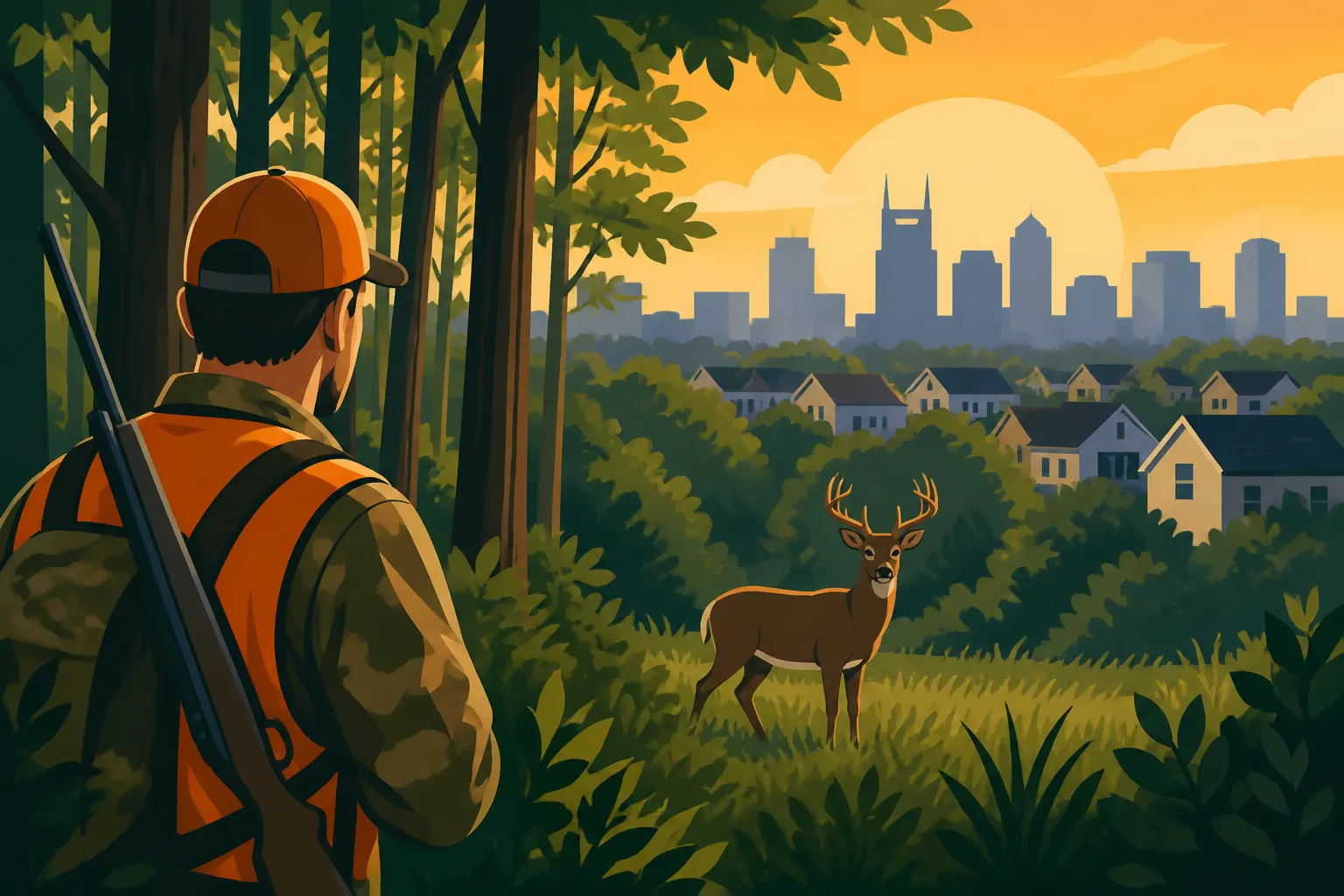
Let's be real: hunting in suburban areas, particularly around a booming metropolitan area like Nashville, isn't your grandfather's deer camp experience. You're not going to find vast expanses of uninterrupted timber teeming with trophy bucks everywhere you look. Instead, you're dealing with patchwork parcels, often bordered by houses, busy roads, and subdivisions. The deer here are different; they're accustomed to human activity, highly pressured, and often move mostly at night. This isn't about grand expeditions; it's about micro-management, quick sits, and hyper-local knowledge. The biggest challenge isn't just finding deer, but finding land where you can legally and ethically pursue them without disturbing homeowners or breaking local ordinances. It requires a whole different mindset and a lot of legwork upfront.
Understanding the Landscape of Suburban Woodlots
These small woodlots often serve as critical travel corridors and bedding areas for deer that live their entire lives within suburban confines. They might be five acres behind a strip mall, a ten-acre sliver between two housing developments, or a twenty-acre mature hardwood patch that a developer hasn't quite gotten to yet. These aren't pristine wilderness; they're often disturbed, full of invasive plants, and might have a creek running through them, acting as a natural funnel. What they lack in size, they often make up for in strategic importance for the local deer population. They are pinch points where deer feel relatively safe moving between larger blocks of cover or feeding areas like agricultural fields or even suburban gardens. Identifying these small pockets and understanding how deer use them in a fragmented landscape is the first step toward success.
Why Smaller Parcels Can Be Highly Productive
It might seem counterintuitive, but these smaller, often ignored parcels can be incredibly productive. Think about it: most hunters are looking for big tracts, which means these little pockets often go untouched. Deer, being masters of survival, quickly learn where they aren't pressured. A small woodlot that’s too small for most hunters to consider "worth it" can become a daytime sanctuary, a place where deer bed down tight and feel secure during hunting hours. Moreover, these areas often border properties with excellent food sources—whether it's an agricultural field just outside city limits, lush residential landscaping, or even public parks that prohibit hunting. These factors can draw and hold deer, creating concentrated opportunities for the savvy hunter willing to put in the effort.
Gaining Permission on Private Land
The biggest hurdle for hunting small woodlots near Nashville is almost always gaining permission. Unlike hunting on extensive public lands like those found in the Cherokee National Forest, these small parcels are privately owned, and approaching landowners can be intimidating. But it’s a skill that can open up a world of close-to-home hunting opportunities. You need to present yourself as responsible, respectful, and prepared, showing them you're not just another hunter looking to harvest a deer but a potential partner in managing their property. Remember, a good first impression goes a long way.
The Art of Asking a Tennessee Farmer for Permission
While many small woodlots aren't "farms" in the traditional sense, the same principles apply when seeking permission from any private landowner in Tennessee. Start by identifying the landowner – county GIS maps or property tax records are your best friends here. Once you know who owns the land, a polite, in-person visit is usually best, but be prepared to leave a note or follow up with a call if they're not home. Dress neatly, be articulate, and be utterly transparent about your intentions. Explain why you're interested in their specific parcel – perhaps you've noticed deer crossing it regularly, or you know it connects two larger areas of cover. Many landowners, especially those who aren't hunters themselves, might be receptive if deer are causing issues like eating their landscaping or creating a traffic hazard. Frame your request as a solution to their potential problem. Offer to share meat, help with chores, or maintain the property in some way. Always carry your hunting license and proof of insurance, demonstrating your seriousness and responsibility. This is a great skill to develop, and you can learn more about how to approach landowners in our guide on Asking a Tennessee Farmer for Permission.
Understanding Tennessee Posted Land Rules and Legalities
Even if you get verbal permission, it's wise to understand Tennessee's laws regarding posted land and trespass. While written permission isn't always legally required, it's a strongly recommended best practice, especially for small, highly visible parcels. This protects both you and the landowner. Tennessee law generally states that hunting on private land without permission is trespassing. If the land is clearly "posted" with signs or purple paint, it’s a clear indication that permission is required. Even if it's not posted, you still need permission. Always clarify the exact boundaries you're allowed to hunt, specific access points, and any off-limit areas (like near homes or barns). Discuss safety concerns, such as where vehicles might be parked or where children or pets might be present. Being meticulous about these details builds trust and ensures everyone is on the same page. You can dive deeper into the legal aspects in our article on Tennessee Posted Land Rules.
Strategic Scouting and Stand Placement
Once you've secured permission, the real work begins: diligent scouting. Small woodlots require even more precise scouting than larger tracts, as every inch of cover and every deer trail can be critical. You're looking for the subtle nuances that dictate deer movement in these confined spaces. Forget grand plans; think tactical, almost surgical, in your approach.
Reading Aerial Photos for Cumberland Plateau Deer and Suburban Deer
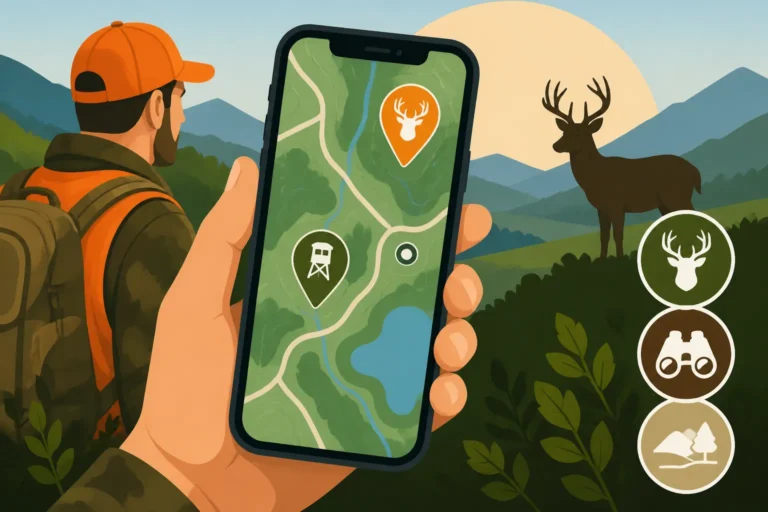
Just like you'd read aerial photos for deer on the Cumberland Plateau, the same applies to suburban woodlots, albeit with different features. Tools like GoHunt's mapping features or other online mapping platforms become invaluable here. Look for changes in vegetation density, subtle elevation changes, drainage ditches, and fences—anything that funnels deer movement. Pay close attention to how the woodlot connects to other green spaces, creeks, or even suburban yards. Are there dense thickets that could serve as bedding areas? Are there discernible trails leading from cover to nearby food sources (like oak trees dropping acorns, honeysuckle patches, or even backyard gardens)? Identify potential entry and exit routes that minimize disturbance, keeping in mind surrounding houses and roads. Overlays showing property lines, contour lines, and even historical satellite imagery can reveal subtle shifts in habitat and predictable travel routes.
Identifying Key Deer Sign in Confined Areas
In small woodlots, deer sign might not be as abundant as in prime wilderness, but it will be highly concentrated. Look for well-worn trails, especially those connecting bedding cover to food sources. Scrapes and rubs might appear along the edges or within thicker cover, often where bucks feel secure enough to leave their calling cards. Droppings can indicate recent activity and preferred feeding areas. Don't overlook subtle signs like clipped browse lines on bushes or tracks in muddy areas near a creek. The more distinct and fresh the sign, the more confidence you can have in setting up a stand. Because of the limited space, deer often use the same trails repeatedly, making these choke points excellent ambush sites. Pay extra attention to funnels caused by fences, changes in terrain, or natural barriers.
Entry and Exit Routes Through Standing Beans and Other Crops
Even if the woodlot itself isn't adjacent to a farm field, it might be near residential gardens or overgrown lots. The concept of quiet entry and exit, similar to using routes through standing beans, is paramount. You absolutely cannot alert deer to your presence, especially in areas where they are already hyper-aware of human activity. Plan your approach and departure meticulously, using existing drainage ditches, creek beds, fencerows, or dense cover to conceal your movement. If possible, enter and exit from the downwind side, and always consider wind direction, thermals, and sun angle. In these small, pressured areas, one blown entrance can ruin a spot for days or even weeks. Using routes that appear less "human" can make a significant difference.
Effective Hunting Tactics for Small Woodlots
Hunting small woodlots isn't about sitting all day and waiting for a deer to wander by. It's about precision, timing, and minimizing your impact. These deer are typically educated and sensitive to pressure, meaning your approach needs to be calculated and efficient.
Quick, Strategic Sits in High-Traffic Areas
With limited space and potentially high pressure, your best bet is often short, strategic sits. Instead of planning an all-day hunt, focus on prime times: the first two hours of daylight and the last two hours before dark. These are the windows when deer are most likely to be moving in these confined spaces, especially if they're bedding nearby and venturing out to feed, or returning from nocturnal foraging. Identify specific pinch points – a bottleneck between two thickets, a crossing over a small stream, or a well-used trail leading to a known food source. Set up quickly, quietly, and with minimal disturbance. A portable treestand or even a ground blind brushed into natural cover can be effective. Consider a mobile setup, allowing you to quickly move if the wind shifts or you identify fresh sign in a new location. These quick, impactful hunts reduce overall pressure and maximize your chances during peak movement.
Using a Ground Blind on Tennessee Public Land and Private Parcels
While our article on Using a Ground Blind on Tennessee Public Land details public land strategies, the utility of a ground blind translates exceptionally well to small private woodlots. They offer excellent concealment, can be set up quickly, and are less intrusive than a permanent treestand, which might bother a landowner or stand out too much. Crucially, a ground blind allows for minimal movement while providing a full visual screen, which is paramount when deer might pop up unexpectedly in tight quarters. You can brush it in with natural vegetation for even better camouflage. Placing a ground blind near a thicket edge, a natural funnel, or an area with heavy sign can be deadly effective. The key is to get it out there a few days or even a week before you plan to hunt, if possible, to allow deer to get accustomed to its presence.
Rattling Volume in Thick Cover and Subtle Grunt Calls
Because you're in a smaller, often thicker environment, your calling strategy needs to be adjusted. Forget the aggressive, loud rattling sequences you might use in wide-open country. In these suburban woodlots, a more subtle approach is often far more effective. Soft rattling, gentle tickling of antlers, or light grunts can be enough to pique a curious buck's interest without alarming him. A low-volume grunt call, particularly during the rut, can entice a buck that might be cruising a nearby trail or checking a scrape line. The deer are closer, so your sound doesn't need to carry far. Focus on making calls that mimic natural deer sounds in a quiet environment. If you do use calls, be ready; a response can be immediate, and the buck might appear quickly from heavy cover. Check out our in-depth article on Rattling Volume in Thick Cover for more nuanced advice.
Here's a quick comparison of stand options for small woodlots:
| Stand Type | Pros | Cons | Ideal Use Case |
|---|---|---|---|
| Hang-On Stand | Highly mobile, good concealment, elevated | Requires climbing sticks, more setup time per hunt | Scouting reveals specific, consistent travel routes |
| Climbing Stand | Self-contained, portable, elevated | Limited to straight, limbless trees, noisy setup | Mature timber with suitable trees, less pressured spots |
| Ground Blind | Excellent concealment, quick setup | Limited sight lines, scent control crucial | Thickets, field edges, near houses, high-pressure areas |
| Saddle Hunting | Ultra-mobile, lightweight, stealthy | Learning curve, less comfortable for long sits | Fast-paced scouting, quick changes, tight cover |
Overcoming Challenges and Maximizing Success
Hunting small woodlots near Nashville comes with its unique set of challenges beyond just finding deer. Navigating human presence, safety concerns, and the need for absolute discretion are paramount. Addressing these head-on will not only increase your success but also ensure you maintain positive relationships with landowners and the local community.
Dealing with Hunting Pressure on Tennessee Public Land and Suburban Deer
The concept of "hunting pressure" takes on a whole new meaning in suburban woodlots. While our article on Hunting Pressure on Tennessee Public Land talks about other hunters, here it's more about human activity in general. Dogs barking, cars driving by, kids playing – these are all normal occurrences for suburban deer. They become conditioned to it. Your goal isn't necessarily to find undisturbed deer, but rather to understand how they move around human disturbance and exploit their patterns. This often means focusing on odd times (like mid-morning when activity might briefly lull) or using those ultra-quiet entry/exit routes. The key is to become just another "background noise" in their world, or better yet, to be completely undetectable.
Safety and Ethical Considerations Near Residential Areas
Safety is non-negotiable. Always be acutely aware of your surroundings: houses, roads, fences, and potential non-hunters (walkers, dog owners) who might be nearby. Know your backdrop before you even think about taking a shot. Always use a climbing stand safety harness, no matter how short the hunt. Consider using a crossbow or a straight-wall cartridge firearm with appropriate ammunition that minimizes travel distance and over-penetration for shots, if legal and permitted by the landowner. Ethical considerations extend to shot selection – only take high-percentage shots at deer that are broadside and within your effective range. A wounded deer running onto a neighbor's yard is a nightmare scenario and could jeopardize your hunting privileges. Furthermore, always ensure you are meeting Tennessee Hunter Education Requirements and abiding by all local ordinances, which can sometimes be stricter than statewide regulations regarding firearm discharge within city limits.
Managing Your Harvest and Meat Care After the Shot
Once you’ve successfully harvested a deer from a small woodlot, the job isn’t over. Recovering the animal quickly and discreetly is critical. Have a plan for efficient field dressing and removal. If it's early archery season, or just a warm fall day, quick action is needed to prevent spoilage. Consider carrying game bags to protect the meat immediately. If allowed by the landowner, you might need a small deer cart or a sled for silent extraction, rather than dragging a deer past suburban homes. Depending on local regulations and the presence of Chronic Wasting Disease (CWD) in the area, you might need to take specific steps like Deboning Venison Before Leaving the CWD Zone. Always have a cooler with ice ready for transport. The sooner you get the meat cooled, the better the quality. And don't forget to fulfill your legal obligation to Reporting a Tennessee Deer Harvest Online with the TWRA. This complete picture, from shot to table, requires careful planning, especially in a suburban setting.
Disclaimer
Hunting involves inherent risks, including but not limited to injuries from falls, equipment malfunctions, and wildlife encounters. Always prioritize safety, adhere to all local, state, and federal hunting regulations, and obtain appropriate licenses and permits. The information provided in this guide is for informational purposes only and should not replace professional instruction or local wildlife agency guidelines. Always check the latest Tennessee Wildlife Resources Agency (TWRA) regulations before heading afield.