Hanging a Stand on a Cumberland Ridge
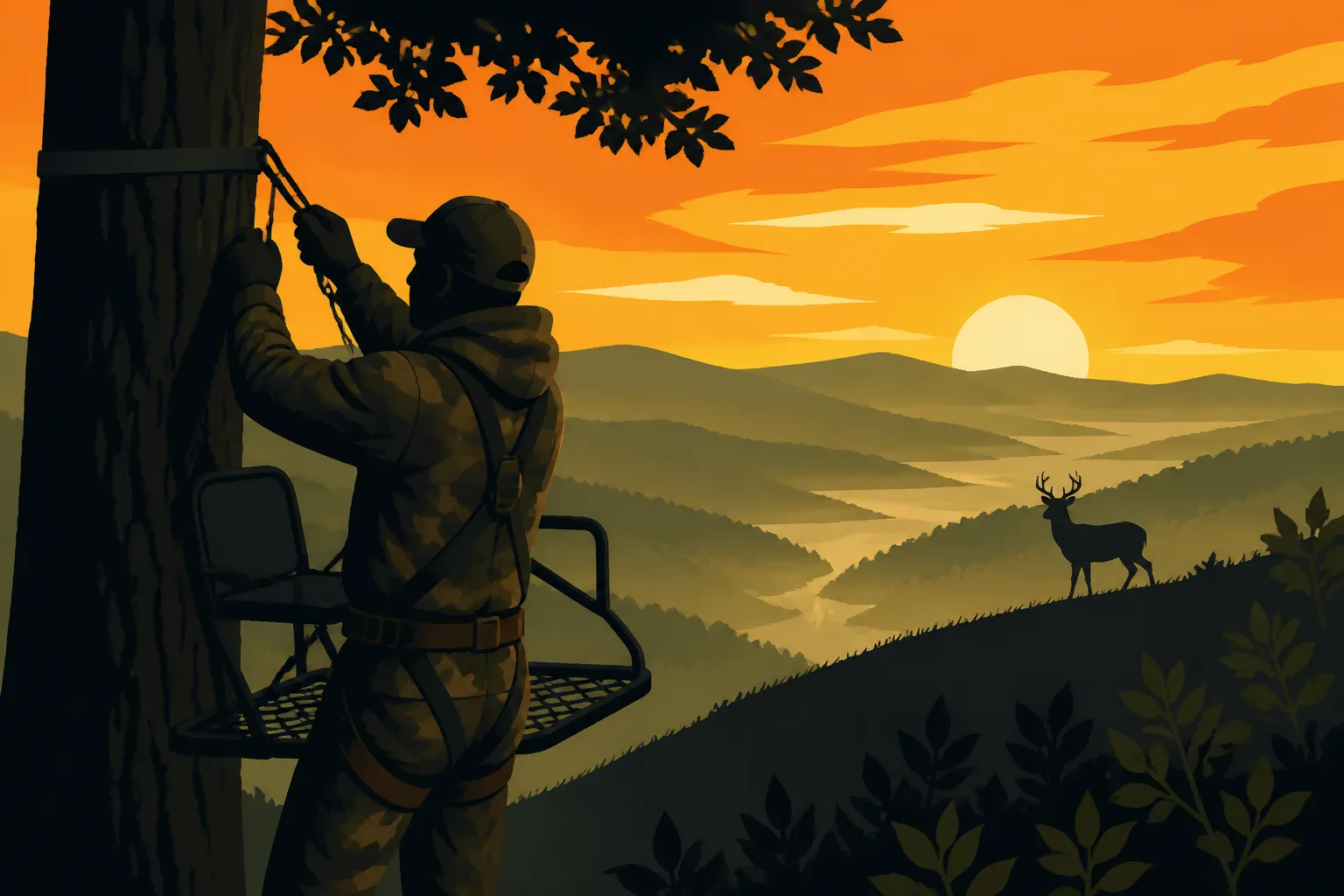
The steep, rugged terrain of the Cumberland Plateau can feel like a labyrinth when you’re trying to pinpoint that perfect deer stand location. It’s a challenge many of us face: finding a tree that offers a clear shot, strategic advantage, and a safe setup, all while battling elevation changes and dense undergrowth. This guide will walk you through the entire process, from meticulous scouting to securely hanging your stand, ensuring you’re ready for a successful hunt on those iconic Tennessee ridges.
Scouting the Ridge for Optimal Stand Placement
Before you even think about hauling a stand up a hill, serious scouting is the cornerstone of success on the Cumberland Plateau. You can't just blindly pick a tree; you need to understand how deer interact with the topography, where they feed, bed, and travel. This pre-work is what separates consistent hunters from those who get lucky once in a while.
Identifying Key Deer Sign and Travel Routes
The first step when hitting a new section of ridge is to look for the obvious. Are there fresh rubs and scrapes? These aren't just random acts; they're signposts indicating active buck travel. Look for them along benches, near natural funnels where two draws pinch together, or on subtle crests of secondary ridges. Fresh tracks in soft dirt, worn-down trails, and droppings are equally important. Pay close attention to trails that traverse the contour of the ridge (benches) rather than just going straight up and down. Deer, like us, prefer the path of least resistance. These benches often serve as highways, especially during the rut when bucks are cruising. If you can find a well-used bench that connects a known bedding area higher up with a food source in a valley, you're on the right track. Remember, a single track might be a random passerby, but a worn trail or multiple tracks in a small area indicate consistent movement.
Understanding Cumberland Ridge Topography
The Cumberland Plateau isn't just one giant hill; it's a complex system of main ridges, secondary ridges, deep hollows, and subtle benches. Deer use these features to their advantage, and you need to learn to think like them. Main ridges often serve as large travel corridors, but deer will often drop down onto secondary ridges or benches to avoid prevailing winds or escape hunting pressure. Saddles—the low points between two higher ridge sections—are classic pinch points where deer are funneled naturally. Creeks and drainages in the hollows provide water and often serve as cover. When you're Reading a Ridge for East Tennessee Deer, consider how these elements combine. A bench crossing a saddle, with a thick cedar thicket for bedding above and a white oak flat for feeding below, is a goldmine. Don't overlook subtle changes in elevation that might not look like much on a map but can dictate how deer move on the ground.
Utilizing Digital Scouting Tools and Aerial Imagery
In today's hunting world, digital scouting tools are invaluable, especially on expansive public land. Apps like GoHunt allow you to dissect the terrain from your couch, identifying potential saddles, benches, and thickets before you ever step foot on the property. I spend hours poring over satellite imagery, marking potential bedding areas (often dense, overlooked cover), food sources (like oak flats or creek bottoms with persimmon trees), and likely travel corridors. The topographic map overlays are crucial for understanding elevation changes and identifying those subtle benches or steep drop-offs that funnel deer. You can even use the app to mark potential stand trees or access routes, saving precious daylight hours during hunting season. This remote reconnaissance allows you to narrow down your options significantly, making your on-the-ground Scouting Tennessee Public Land Before Season much more efficient and focused.
Choosing the Right Stand for Cumberland Terrain
Once you've identified a promising spot, the next big decision is what kind of stand you'll use. The challenging terrain of the Cumberland Plateau means not every stand type is suitable, and your personal hunting style will also play a role.
Evaluating Different Treestand Types
- Climbing Stands: While popular, climbers can be a real struggle on the Cumberland Plateau. Many of the mature hardwoods have limbs low to the ground, or their trunks are too gnarled, crooked, or tapered for a safe and easy climb. If you're lucky enough to find a straight, limbless tree, a climber offers excellent mobility and comfort. However, don't count on them being your go-to for every ridge.
- Hang-on Stands: These are often the workhorse of serious public land hunters on the Cumberland. They're incredibly versatile because you can hang them in almost any tree, regardless of its straightness or lower limbs, as long as it's sturdy. You'll need climbing sticks or a tree-ladder system to get up to your desired height. They require more setup time initially but offer unmatched flexibility.
- Ladder Stands: While comfortable and stable, ladder stands are generally too cumbersome and noisy for most Cumberland Plateau public land scenarios. They're heavy, difficult to transport through rough terrain, and leave a significant footprint. Best reserved for private land with easy access and a long-term commitment to a single spot.
- Saddle Hunting Systems: Gaining immense popularity, saddle hunting systems offer unparalleled mobility, stealth, and comfort for many hunters, especially on rugged public land. They are extremely lightweight and allow you to hunt a wide variety of trees that traditional stands might not accommodate. They do have a learning curve, but once mastered, they can be incredibly effective for navigating the diverse timber of the Cumberland.
Here's a quick comparison to help you weigh your options:
| Stand Type | Mobility | Setup Ease (Initial) | Stealth | Comfort (Hunt Day) | Ideal Terrain/Trees |
|---|---|---|---|---|---|
| Climbing Stand | High | Moderate | Moderate | High | Straight, limbless trees; relatively flat ground. |
| Hang-on Stand | Moderate | Moderate-Difficult | High | Moderate | Versatile; any sturdy tree, requires climbing sticks. |
| Ladder Stand | Low | Difficult | Low-Moderate | High | Easy access, long-term setups; private land, open woods. |
| Saddle System | Very High | Moderate (learning) | Very High | Moderate-High | Highly versatile; any sturdy tree, promotes mobile hunting. |
Portability Versus Comfort and Stealth
When you're hiking into the backcountry of the Cumberland, every ounce matters. A heavy stand means more sweat, more noise, and less desire to move if your spot isn't producing. For this reason, many hunters prioritize lightweight, portable hang-on stands or saddle systems. However, extreme lightweight often comes at the expense of comfort. You need to find a balance that suits your hunting style. If you're doing all-day sits Hunting the Rut in Early November, comfort becomes a higher priority than if you're only planning a quick morning or evening hunt. Stealth is another critical factor. A rattling, squeaking stand will blow your cover every time you shift your weight. Choose stands with quiet connections and solid construction.
Considering Quietness and Visibility
Imagine perfectly executing your approach to your stand, only to have a loud clank or squeak scare off a mature buck. This frustration is real, and it happens more often than we'd like to admit. When selecting a stand, scrutinize its construction for potential noise points. Metal-on-metal contact is a common culprit. Many stands come with plastic washers or rubber coatings to mitigate this, but sometimes you need to add your own felt tape or rubber shims. Furthermore, consider how visible your stand will be once it's in the tree. Even if you're wearing your Blaze Orange Requirements, you don't want your stand to stick out like a sore thumb. Look for stands with dull, matte finishes, and avoid anything shiny. Choose a tree with some natural cover around it, even if it's just a few smaller saplings or vines that can help break up your silhouette.
Safety First: Hanging Your Stand Securely
I can't stress this enough: safety is paramount when hanging treestands, especially on the uneven and sometimes unstable terrain of the Cumberland Plateau. One wrong move can lead to serious injury or worse. Never take shortcuts when it comes to your safety equipment or installation process.
Essential Safety Gear for Treestand Installation
Before you even leave the truck, ensure you have all your safety gear. This isn't optional; it's mandatory.
- Full-Body Safety Harness: This is your lifeline. Wear it from the moment your feet leave the ground until you're back down. The harness should fit snugly, and you should be comfortable wearing it.
- Lifeline or Descent Rope: A lifeline that stays connected to the tree from the base all the way up to your stand provides continuous fall protection. This is especially critical when ascending or descending, or while setting up your climbing sticks. Many systems, like those offered by Hunter Safety System, integrate well with various stand types.
- Lineman's Belt: This belt wraps around the tree and attaches to your harness, freeing both your hands for hanging sticks and the stand itself. It's an absolute game-changer for safety and efficiency.
- Gloves: Protect your hands from splinters, sharp edges, and rope burn.
- Headlamp: Even if you plan to be back before dark, a headlamp is essential. Things can take longer than expected, and you don't want to be fumbling around in the dark while installing a stand.
These items, along with a reliable set of Treestand Safety Gear for Steep Ground, are non-negotiable. Don't let the excitement of a new spot overshadow common sense.
Proper Installation Techniques for Steep Ground
Hanging a stand on a steep Cumberland ridge presents unique challenges compared to flat ground.
- Tree Selection: Choose a healthy, live tree with sturdy bark. Avoid dead trees, leaning trees, or those with large cavities. Pay attention to the surrounding area – ensure there are no deadfall or widowmakers that could fall on you. For hang-on stands, you'll need a tree that's relatively straight to accommodate climbing sticks.
- Clearing the Base: Clear any brush or debris around the base of your chosen tree. This provides a clean workspace and helps ensure your ladder or sticks start on stable ground.
- Using Climbing Sticks: Attach your climbing sticks (like those from Hawk or Lone Wolf) securely, starting from the bottom. Each stick should be firmly seated and tested before you put your full weight on it. Space them evenly to make your climb consistent. Using a lineman's belt here is critical, allowing you to have both hands free to attach the sticks. Consider if the tree's diameter changes significantly as you ascend, as this can affect the fit of some sticks. Remember, Climbing Sticks for Tennessee Hardwoods need to be robust and designed for varied tree shapes.
- Hanging the Stand: Once you've reached your desired height (typically 15-25 feet, depending on cover and desired shot angle), use your lineman's belt to secure yourself to the tree. Hoist your hang-on stand slowly and carefully using a rope. Secure it tightly to the tree, ensuring it's level and stable. Double-check all straps, bolts, and connections. Give the stand a good shake before you sit in it.
- Setting Up Your Lifeline: Once the stand is secure, install your lifeline from the ground up to the stand platform. This ensures you're always connected, even when stepping onto the stand for the first time or leaving it.
Practicing Before the Hunt
Don't wait until opening day to practice hanging your stand. Set it up in your backyard or a nearby woodlot. Get familiar with your equipment, understand how your harness works, and practice connecting your lineman's belt and lifeline. This rehearsal will build confidence, identify any issues with your gear, and make the actual installation in the field smoother and safer. It also helps you determine the most efficient way to carry your stand and sticks, especially if you're venturing deep into the Cumberland Plateau.
Post-Setup Considerations and Long-Term Strategy
Hanging the stand is just one piece of the puzzle. To maximize your chances of success and ensure your efforts aren't wasted, you need to think about what happens after the stand is up.
Managing Scent and Planning Access Routes
Deer have an incredible sense of smell, and on the Cumberland Plateau, those rising and falling thermals can carry your scent for long distances. A poorly planned entry or exit route can educate deer for weeks. Always approach your stand using routes that keep your scent out of known bedding areas or major travel corridors. This often means using ridge tops for entry in the morning (as thermals are typically rising) and dropping into valleys or saddles for exit in the evening (as thermals are falling). Check the wind direction before every hunt, and if it's not favorable for your stand, don't hunt it. Consider a "dead access" route, like walking through a creek bottom if the water levels allow, or using a logging road if it doesn't cross key deer movement zones. Apps like GoHunt are great for mapping out these routes in advance, helping you avoid walking through a bedding area you didn't even know existed.
Blending into the Environment
Your stand might be in the perfect spot, but if you're silhouetted against the skyline, you're busted. Always choose a tree that offers some natural cover. This might mean having some smaller branches in front of or behind you to break up your outline, or picking a tree with dense foliage, especially if you're hunting early season. If natural cover is sparse, consider using some local vegetation (like cedar branches or pine boughs) to "brush in" your stand. This isn't about building a full-blown blind, but rather subtly blending your stand into its surroundings. Ensure your stand has a non-reflective finish, and wear camouflage that matches the fall or winter foliage of Tennessee's hardwoods. Every little bit helps to disappear into the woods.
Long-Term Maintenance and Ethical Considerations
A stand isn't a "set it and forget it" piece of equipment, especially on public land. Regularly inspect your stand and climbing sticks for wear and tear, loose bolts, or damaged straps. Exposure to weather, especially the relentless sun and seasonal rains of Tennessee, can degrade materials over time. If you leave a stand up for an entire season or multiple seasons, these checks become even more critical. Remember to adhere to all Tennessee WMA Permit Requirement and public land regulations regarding treestand placement and removal. Many public lands require stands to be removed within a certain timeframe after the season closes. Being a responsible hunter means respecting the land and leaving it as you found it. After all, the goal is to enjoy the tradition of Bowhunting Tennessee's Long Archery Season or any other season for years to come.
Navigating the Challenges of Cumberland Plateau Hunting
Hunting the Cumberland Plateau is a unique experience, offering some of the most challenging yet rewarding deer hunting in Tennessee. The terrain itself, with its steep ridges and hollows, can make every aspect of the hunt more demanding. From the physical exertion of packing in your gear to the mental fortitude required to stay focused during long sits, it's not for the faint of heart. Yet, it's precisely these challenges that make success here so satisfying.
The Impact of Wind and Thermals
We've touched on this, but it bears repeating: wind and thermals are your biggest allies or worst enemies on the Cumberland Plateau. Because of the dramatic elevation changes, thermals (air currents driven by temperature differences) are constantly in motion. In the morning, as the sun warms the earth, air tends to rise, carrying your scent uphill. In the evening, as the air cools, it sinks, carrying your scent downhill. This means a stand that's perfect in the morning might be a disaster in the evening, and vice-versa. Understanding Wind and Thermals on a Ridge System is crucial. You might need to have two stand locations in a single area – one for morning hunts where you approach from below and your scent rises, and another for evening hunts where you approach from above and your scent falls. Always consider your entry and exit routes in conjunction with the predicted thermals and prevailing winds. Neglecting this aspect is almost a guaranteed way to spook deer.
Dealing with Hunting Pressure
Public land on the Cumberland Plateau, while vast, can still experience significant hunting pressure, especially during the opening weekends of archery and gun seasons. This pressure forces deer into thicker cover and often makes them more nocturnal. When you’re Hunting Pressure on Tennessee Public Land, you need to be willing to go where others won't. Look for those overlooked pockets: the steepest hollows, the nastiest thickets, or areas that require a long, arduous walk. This often means leaving the easily accessible logging roads and trailheads behind. Don't be afraid to hike an extra mile or two to find ground that sees fewer human boots. Deer that are constantly pressured will quickly learn to avoid areas with human scent and sound, making careful entry and exit even more critical.
Recovering Game in Difficult Terrain
One of the less glamorous but equally important aspects of hunting the Cumberland Plateau is game recovery. If you're fortunate enough to harvest a deer, getting it out of a steep hollow or off a rugged ridge can be an monumental task. It's not uncommon for a "short drag" to turn into a multi-hour ordeal. Before you even climb into your stand, take a moment to consider your recovery plan. If you shoot a deer, which direction would it likely run? What's the easiest way to get it back to your vehicle? Having a good quality deer cart (if the terrain allows) or a sturdy game sled can make a world of difference. Even more vital is a plan for Blood Trailing After Dark in Tennessee if necessary. Always let a broadside shot deer lay for at least 30 minutes (or longer for marginal shots) to ensure it expires before you begin tracking. A solid recovery plan is an essential part of responsible hunting on challenging terrain.
Disclaimer
Please note: Hunting regulations, license requirements, and safety guidelines can change. Always consult the most current Tennessee Wildlife Resources Agency (TWRA) regulations before heading into the field. This guide provides general advice and should not replace official sources or professional safety training.