Hunting the Archery-Only Elk Season
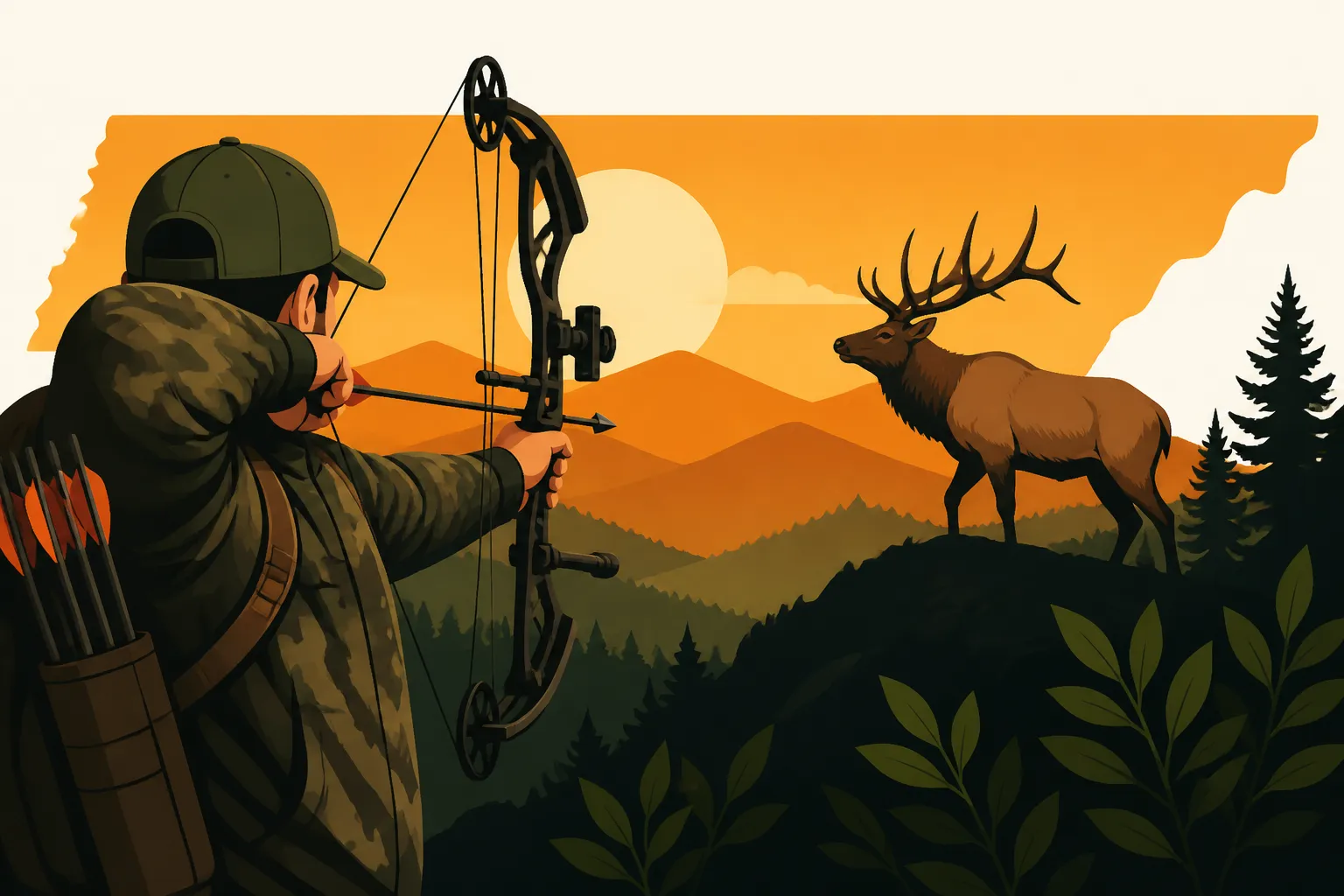
Securing an archery-only elk tag in Tennessee’s North Cumberland Wildlife Management Area is a dream come true for many hunters, but it comes with a unique set of challenges. This isn't just another deer hunt; it demands meticulous preparation, specialized gear, and a profound understanding of elk behavior in some of the state's most rugged terrain. This guide will meticulously break down the strategies, gear, and mindset you need to successfully navigate Tennessee's archery-only elk season.
Understanding the Archery-Only Elk Season
Drawing one of Tennessee's highly coveted elk tags is an incredible achievement, but the archery-only season places an even greater premium on skill and preparation. It's a testament to the North Cumberland's successful restoration efforts, offering a limited number of hunters the chance to pursue these magnificent animals with a bow.
The Unique Challenge of the Archery Tag
Unlike the general firearms season, which allows for longer-range shots and potentially quicker harvests, the archery-only season demands an intimate encounter with the elk. You're not just looking for an animal; you're looking for an animal within bow range, often 40 yards or less, in thick timber or rugged mountain hollers. This requires extreme patience, stealth, and the ability to close the distance without detection. The margin for error is razor-thin, and the mental fortitude required is immense.
Many hunters who have been lucky enough to draw a tag will tell you that the pressure of having that once-in-a-lifetime opportunity can be overwhelming. The weight of expectations, the sheer physical demand of the terrain, and the cunning nature of elk all combine to create a truly formidable challenge. It’s not uncommon for hunters to spend years honing their archery skills specifically for a chance like this, only to find the actual hunt even more demanding than imagined.
The archery tag truly tests a hunter's capabilities, pushing them to their limits both physically and mentally. It forces you to think like an elk, predicting their movements and understanding their preferred bedding, feeding, and travel corridors. This deep dive into the animal's world is what makes the archery-only hunt so uniquely rewarding, win or lose.
Season Dates and Regulations
The archery-only elk season typically precedes the general firearms season, often falling in late September or early October. This timing often aligns with the tail end of the elk rut, meaning you might still encounter some bugling activity, though it tends to be less intense than earlier in the month. Being able to capitalize on this residual rutting behavior can be a game-changer, but it requires understanding how elk respond to calls post-peak.
It’s absolutely crucial to stay up-to-date with the official Tennessee Wildlife Resources Agency (TWRA) regulations each year, as dates and specific rules can shift. You'll need to know the specific boundaries of the hunting zones within the North Cumberland where your tag is valid. Remember, ignorance of the law is no excuse, and elk regulations are some of the most stringent in the state. Familiarize yourself with the overall Tennessee Elk Quota Hunt Rules and how to effectively navigate Tennessee's Ten Elk Hunt Zones.
Beyond season dates, pay close attention to legal shooting hours, antler point restrictions (if any for your specific tag type, although bull tags are generally for any antlered bull), and any specific WMA rules that might apply to vehicle access or camping. The North Cumberland is a massive area, and different sections might have slightly different nuances you need to be aware of before setting foot on the ground.
Why Archery-Only?
The choice to designate an archery-only season is a deliberate management decision designed to offer a unique hunting experience and to distribute hunting pressure across different methods. Archery hunting inherently has a lower success rate compared to firearms hunting, which helps manage the limited elk population and ensures a sustainable harvest. It aligns with the challenge of traditional bowhunting, elevating the experience beyond simply harvesting an animal.
This season also provides an opportunity for hunters to engage with elk in a more primitive, immersive way. The closer proximity required for a shot means that the hunter must truly understand the elk's senses – their keen eyesight, incredible hearing, and sharp sense of smell. It’s a game of wits and woodcraft that rewards those who put in the effort to become true students of the wild.
Furthermore, by having an archery-only window, it allows for a distinct period where the elk are not pressured by rifle hunters, potentially making them slightly more callable or approachable during that specific time. This separation provides a more dedicated experience for archers, allowing them to employ specific tactics without interference from different hunting styles.
Essential Gear for Archery Elk Hunting
Tackling the North Cumberland with a bow demands more than just your typical deer hunting setup. The terrain, the size of the animal, and the variable weather require robust, reliable gear chosen for performance under extreme conditions.
Bow and Arrow Setup Considerations
For elk, you need a bow setup that delivers ample kinetic energy and penetrates deep. While most modern compound bows are capable, ensuring your setup is optimized for elk is paramount. This means selecting a heavier arrow, typically between 450-550 grains, to maximize penetration. A heavy arrow, combined with a sharp, sturdy broadhead, will deliver the energy needed to ethically harvest an animal as large and tough as an elk.
When it comes to broadheads, the debate between fixed-blade and mechanical rages, but for elk, many experienced hunters lean towards a strong fixed-blade design. Blades that are solidly affixed to the ferrule tend to be more reliable in breaking through tough hide, muscle, and bone, especially on quartering shots. Practice extensively with your chosen broadhead to ensure precise flight and optimal penetration at all realistic hunting distances.
| Component | Recommendation for Elk Hunting | Why it Matters |
|---|---|---|
| Bow Draw Weight | 60-70 lbs (or as high as you can shoot accurately and comfortably) | Maximizes kinetic energy for deep penetration on a large animal. |
| Arrow Weight | 450-550 grains (total weight, including broadhead) | Heavier arrows retain more energy, improving penetration and momentum. |
| Broadhead Type | Fixed-blade, 3-4 blade, sturdy construction (e.g., QAD Exodus, Iron Will) | Reliable penetration through tough hide and bone; less prone to failure. |
| Fletching | Large profile (e.g., 4-fletch), helical or offset | Enhances arrow stability and accuracy, especially with broadheads in wind. |
| Peep Sight | Large aperture or adjustable | Critical for low-light conditions common at dawn/dusk and in thick timber. |
| Rest | Drop-away style | Provides full fletching clearance for maximum accuracy. |
Your bow needs to be perfectly tuned, capable of delivering consistent, accurate shots. Spend countless hours practicing from various positions – kneeling, sitting, and even awkward angles you might encounter in the mountains. Simulate real hunting scenarios, including shooting after a strenuous hike. This isn't about bragging rights; it's about being prepared to make the shot count when your adrenaline is pumping.
Optics and Rangefinding for Elk
Good optics are indispensable in the expansive and rugged terrain of the North Cumberland. While you might not be glassing vast open plains like out West, quality binoculars (10×42 or 10×50 are excellent choices) are vital for picking apart distant ridges, identifying subtle elk movement, or confirming legal antlers at a distance. Look for optics with excellent low-light performance, as prime elk activity often occurs at dawn and dusk. For specific advice on choosing appropriate glass, check out Optics for Glassing Elk Meadows.
A reliable rangefinder is non-negotiable for archery elk hunting. Understanding the exact distance to your target is critical for making an ethical shot, especially when shooting at steep uphill or downhill angles common in mountain country. Look for a model with angle compensation technology, which adjusts the ballistic range for inclined shots, preventing common misses over or under the animal.
Considering the unpredictable nature of elk and the rapid pace at which a calling sequence can unfold, a rangefinder that is quick to acquire a target and easy to operate with one hand is a significant advantage. Brands like Leupold, Vortex, and Sig Sauer offer excellent options with varying price points and features. Having a mapping application like GoHunt on your phone, integrated with a rangefinder and quality binoculars, creates a powerful scouting and hunting toolkit.
Clothing and Footwear for Mountain Terrain
The North Cumberland is known for its steep, unforgiving terrain and rapidly changing weather conditions. Your clothing system needs to be versatile, durable, and capable of keeping you comfortable in everything from warm September sun to biting October winds and sudden rain showers. Layering is key: start with a moisture-wicking base layer, add insulating mid-layers (fleece or synthetic puffy), and top it off with a waterproof and windproof outer shell.
Choose quiet fabrics that won't rustle as you move through thick brush, as elk have incredibly sensitive hearing. Camouflage patterns should blend with the mixed hardwoods and evergreens of the region. Most importantly, ensure your clothing fits well and allows for full range of motion, crucial for both hiking and drawing your bow.
Your footwear will make or break your hunt. Invest in high-quality, waterproof hunting boots with excellent ankle support and aggressive tread. You'll be covering miles over uneven ground, loose rock, and steep inclines. Break in your boots thoroughly before the hunt to prevent blisters. Many experienced mountain hunters also wear gaiters to keep debris out of their boots and to add an extra layer of protection against wet brush. Don't forget several pairs of good quality wool or synthetic socks to keep your feet dry and comfortable.
Scouting and Pre-Season Preparation
Success in the archery-only elk season is rarely a matter of luck; it’s the culmination of months of meticulous planning and physical conditioning. The work you put in before the season even opens can often determine the outcome of your hunt.
E-Scouting and Map Study
Before you ever set foot in the woods, spend significant time e-scouting your designated hunt zone within the North Cumberland. Utilize online mapping tools and satellite imagery, like those found on the GoHunt platform, to identify key terrain features that might hold elk. Look for north-facing slopes (cooler bedding areas), saddles (travel corridors), benches (feeding or resting spots), water sources (especially in dry periods), and areas of varied timber (old growth mixed with younger clear-cuts). Studying historical burn areas or recent timber operations can also reveal fresh growth that attracts elk.
Pay close attention to access points and potential routes for packing out an animal. The North Cumberland is vast, and you don’t want to be caught off guard by a long, arduous pack out over impassable terrain. Mark potential staging areas, probable elk crossings, and potential glassing knobs on your maps. Understanding Tennessee's Ten Elk Hunt Zones is critical here, as boundaries dictate where you can legally hunt.
Identifying potential pinch points, natural funnels, and areas of high security cover where elk might retreat under pressure is also crucial. While satellite imagery provides an excellent overhead view, remember that it doesn’t always show ground cover or recent changes. This is where combining e-scouting with boots-on-the-ground reconnaissance becomes invaluable.
Boots-on-the-Ground Reconnaissance
Once you've narrowed down potential areas through e-scouting, it’s time to hit the woods. Pre-season scouting, well before the elk season opens, allows you to verify your e-scouting observations and discover fresh sign. Look for elk tracks, droppings, rubs (where bulls have scraped velvet from their antlers), and wallows (muddy areas where elk roll to cool off and deter insects). These signs tell you not only that elk are in the area but also how recently they’ve been there and what their movement patterns might be.
Early season scouting also lets you assess the current year’s mast crop (acorns, beech nuts), which can heavily influence elk feeding patterns. If natural food sources are abundant on certain ridges, elk might spend more time there. Conversely, if mast is scarce, they might be concentrated around specific water sources or areas of lush browse. Remember, elk are constantly adapting to food availability and pressure, so scouting as close to the season as possible, without disturbing the animals, is ideal.
The North Cumberland's terrain is notoriously rugged. Scouting trips are excellent opportunities to test your physical conditioning and gear. Take mental notes of dense thickets you might need to navigate, steep climbs, and potential ambush locations. This hands-on experience is irreplaceable for truly understanding the landscape and confirming where the elk actually are. This kind of preparation directly correlates with effective Preparing for a North Cumberland Elk Hunt.
Physical Conditioning for the Hunt
Elk hunting in the mountains is arguably one of the most physically demanding forms of hunting you can undertake. The North Cumberland is not flatland; you’ll be climbing steep grades, descending into deep hollers, and potentially packing out hundreds of pounds of meat over challenging terrain. Neglecting your physical fitness is a surefire way to shorten your hunt and decrease your chances of success.
Start an intense fitness regimen months before your hunt. Focus on cardiovascular endurance through running, hiking, or cycling, and incorporate strength training for your legs, back, and core. Simulate hunting conditions by hiking with a loaded pack, ascending and descending steep hills, and even practicing drawing your bow after a strenuous climb. Remember to include flexibility and stretching to prevent injuries.
Don't underestimate the importance of proper nutrition and hydration leading up to and during the hunt. Pack calorie-dense, easy-to-eat snacks for the field, and carry enough water or have a reliable filtration system. Being physically prepared not only increases your chances of success but also enhances your overall enjoyment and safety in the backcountry.
Archery Elk Hunting Tactics and Strategies
Once you’re in the field with your archery tag, having a solid tactical plan is crucial. Elk are intelligent and resilient, requiring a blend of aggression, patience, and finesse to close the distance for an archery shot.
Calling Strategies: Bugles and Cow Calls
During the archery-only season, which often coincides with the tail end of the rut, calling can still be a highly effective tactic. Bulls, especially satellite bulls or those seeking remaining cows, can still be responsive to a well-executed calling sequence. The key is to gauge their mood. An aggressive, challenging bugle might draw a bull in if he’s feeling dominant, but it could also send him packing if he’s wary or has already been pressured. Learning how to properly use Elk Calls and Cow Decoys is an art form.
Often, cow calls are more effective, especially later in the rut. A series of soft mews, chirps, and estrus whines can pique a bull’s curiosity without immediately putting him on high alert. Positioning your caller (if you’re hunting with a partner) 50-75 yards behind and to the side of the shooter can be incredibly effective. The bull often circles downwind to scent-check the "cow" he hears, bringing him directly into the shooter’s lane. This tactic can be particularly devastating when attempting Calling a North Cumberland Bull Elk.
Be prepared to adapt. If bulls are bugling fiercely, you might need to match their intensity. If they’re silent, a subtler approach with cow calls might be more productive. Don't overcall; let the elk dictate the pace of the conversation. And always, always be ready for a shot, because elk can appear silently and quickly, especially in thick cover. Understanding When Tennessee Elk Bugle can also help inform your calling strategy throughout the season.
Spot-and-Stalk Techniques
While calling can be exciting, the vast, rugged terrain of the North Cumberland often lends itself to spot-and-stalk hunting, particularly outside of peak rut activity. This strategy involves slowly and meticulously traversing the landscape, using binoculars to spot elk from a distance, and then planning an approach to get within bow range. This requires immense patience, stealth, and a keen understanding of wind direction.
Focus on glassing bedding areas during mid-day when elk are typically bedded down, or feeding areas at dawn and dusk. Once an elk is spotted, the real challenge begins. Evaluate the wind, terrain, and escape routes. A successful stalk relies on moving slowly, staying in the shadows, using natural cover, and frequently checking the wind. Elk have an incredible sense of smell, and one whiff of human scent will send them scattering.
For a successful spot-and-stalk, you must be physically capable of navigating difficult terrain quietly. This means soft-soled boots, quiet clothing, and the mental discipline to move at a snail’s pace for extended periods. Sometimes, a stalk can take hours, only to be foiled by a shift in wind or an unseen elk. It’s a test of endurance and resolve.
Ambush Points and Water Sources
Elk, like most big game, follow predictable patterns related to their daily needs. Identifying their travel corridors between bedding and feeding areas, or their routes to water sources, can create excellent ambush opportunities for archery hunters. Look for well-used game trails that funnel through saddles, creek bottoms, or along ridge lines. These pinch points force elk into a smaller area, making them more vulnerable to a close-range shot.
Water sources are goldmines, especially during drier periods or in the warmer parts of the archery season. Elk need to drink daily, and often multiple times a day. Setting up a ground blind or treestand (where permitted) near a natural spring, creek, or isolated water hole can be a highly effective tactic, particularly in the afternoons. Always approach these spots quietly and consider the prevailing wind.
When choosing an ambush point, consider your shooting lanes, backdrop, and exit strategy. You want clear shots within your effective bow range, with no branches or brush to deflect your arrow. A dark, quiet backdrop will help conceal your silhouette, and a planned escape route will help you retrieve your arrow or begin tracking without disturbing other animals. This strategic placement is key, much like setting up a stand for deer in challenging areas such as when Hanging a Stand on a Cumberland Ridge.
After the Shot: Recovery and Processing
The moment your arrow finds its mark, a new phase of the hunt begins – one that requires calm decision-making, meticulous tracking, and hard work to ensure the animal is recovered and its meat preserved.
Tracking and Blood Trailing
After taking a shot, resist the immediate urge to pursue the animal. Give the elk time to lie down and expire. Depending on the shot placement, this could be anywhere from 30 minutes to several hours, or even overnight if the shot was marginal and conditions allow for a cold trail. Marking your last known point of the elk, and the spot where the shot occurred, is absolutely critical. Use flagging tape, GPS waypoints, or distinctive landmarks.
Once you begin tracking, move slowly and deliberately. Look for blood, broken branches, disturbed leaves, and tracks. Elk typically leave a significant blood trail, but dense undergrowth or wet leaves can make it challenging. If you lose the trail, spread out and grid-search the area in the direction the elk was last seen. Remember, elk often try to head downhill to water or seek the thickest cover when wounded.
It is heartbreaking to lose an animal, and every effort must be made to recover it. If you're struggling, consider calling in experienced tracking dogs if legal and available, or knowledgeable friends. Knowing how to effectively track is a skill developed over time, but understanding the basics of Blood Trailing After Dark in Tennessee or during daylight hours can be a lifesaver.
Field Dressing and Meat Care
Once you locate your elk, the work truly begins. Elk are massive animals, and quickly field dressing them is essential, especially in warmer archery season temperatures, to prevent meat spoilage. Remove the entrails as quickly as possible to allow the carcass to cool. If permitted, rolling the elk over on its back and gutting it will allow the entrails to fall to the side, making it easier.
Many experienced elk hunters prefer to use the "gutless method," especially when hunting solo or in remote areas. This technique involves quartering the animal in the field without gutting it, removing the large muscle groups and backstraps, and placing them directly into game bags. This method significantly reduces weight and mess, making the pack out more manageable. Having proper Coolers and Game Bags for Early Archery season hunts is critical for preserving meat quality.
Once the meat is deboned and in game bags, get it cooled as rapidly as possible. If temperatures are warm, hang the bags in the shade, ideally in a cool creek, or on the shady side of a mountain, to maximize airflow. For more detailed instructions on how to handle meat in the field, drawing parallels to smaller game, check out resources like Field Dressing a Deer in Cold Weather and adapting the techniques to a larger animal.
Packing Out Your Elk
This is where all your physical conditioning will be put to the ultimate test. A mature bull elk can weigh upwards of 700-800 pounds live, meaning you could be packing out 200-300 pounds of deboned meat, plus the hide and antlers. Even a cow elk is a formidable packing challenge. You'll need a sturdy frame pack, ideally one designed for heavy loads and capable of distributing weight efficiently.
Plan your pack-out strategy before you ever leave camp. How many trips will it take? Who will carry what? If you're hunting with a partner or a team, coordinate your efforts. Each person might take a quarter on the first trip, then return for more meat, the head, and the hide. If hunting solo, you’ll have to make multiple trips, which means covering the same rugged ground several times.
Consider using a game cart or sled for easier terrain, but recognize that in the steep, rocky North Cumberland, these are often impractical. Be prepared for a long, grueling process. The satisfaction of packing out your own elk, knowing the effort and determination it took, is an unparalleled reward and a true testament to the hunt. Think of it as an extreme version of Packs for a Cherokee Forest Day Hunt but with a much heavier load and higher stakes.
Challenges and Rewards of Archery Elk
Hunting the archery-only elk season in Tennessee is an experience that transcends a simple harvest. It's a journey filled with profound challenges and equally profound rewards.
Navigating Public Land Pressure
The North Cumberland is a vast tract of public land, but it is not without pressure. While elk tags are limited, other hunters might be pursuing other game or simply enjoying the outdoors. During the archery-only season, you might encounter other elk hunters, small game hunters, hikers, or even ATV riders on designated trails. This means elk can be wary and might move into thicker, more remote areas when pressured.
Developing a strategy to find ground that others walk past is key. This often means going further, deeper, and higher than most hunters are willing to go. Utilizing detailed maps, like those on GoHunt, to identify remote drainages or hard-to-access pockets can give you an edge. Be respectful of other users, and always prioritize safety. Elk are wild animals, and their behavior can change rapidly in response to human presence.
Understanding the movements of other hunters can sometimes be leveraged to your advantage. If hunters are pushing certain areas, elk might be displaced into adjacent, quieter zones where you've strategically positioned yourself. It requires constant awareness and adaptability to the dynamics of shared public land.
The Mental Game of Elk Hunting
Beyond the physical demands, archery elk hunting is a significant mental challenge. The solitude of the mountains, the high stakes of a limited tag, and the sheer difficulty of getting an elk within bow range can take a toll. You’ll experience incredible highs when you hear a bull bugle nearby, and crushing lows when a perfect stalk goes sideways.
Maintaining a positive mindset, staying persistent, and learning from every encounter (or lack thereof) are crucial. It's easy to get discouraged after days of hard hunting without seeing an animal, but those who succeed are often the ones who push through the mental fatigue. Trust your scouting, trust your gear, and trust your instincts. The hunt is as much about your internal fortitude as it is about your external skills.
Embrace the journey. The incredible sunrises over mist-filled hollers, the spine-tingling sound of an elk bugle echoing through the timber, and the quiet camaraderie with hunting partners create memories that last a lifetime, regardless of whether you punch your tag.
The Ultimate Fulfillment
Ultimately, the reward of successfully hunting an elk with a bow in Tennessee is immeasurable. It's a testament to months, or even years, of preparation, physical exertion, and honed hunting skills. It’s a full-circle experience that connects you deeply to the land, the animal, and your own capabilities. The meat will fill your freezer, and the memories will last forever.
Beyond the harvest, there's immense satisfaction in knowing you were part of the story of Tennessee's elk restoration. Each successful hunt contributes to the management data that helps ensure these magnificent animals continue to thrive in the North Cumberland. It's a privilege to pursue such an iconic species, and an archery-only tag elevates that privilege to an art form.
Whether you return with meat or just incredible stories, the archery-only elk season in Tennessee will undoubtedly leave you a more skilled, more resilient, and more appreciative hunter. It truly is a bucket-list hunt for any serious bowhunter.
Disclaimer
Please remember that hunting regulations, season dates, and specific rules for wildlife management areas are subject to change by the Tennessee Wildlife Resources Agency (TWRA). Always consult the most current TWRA hunting guide and local regulations before planning or participating in any hunting activity. This guide is for informational purposes only and does not supersede official TWRA regulations.