Base Layers for a Tennessee November
Trying to stay comfortable in a Tennessee deer stand during November can feel like a guessing game. You start the morning bundled up, teeth chattering as the sun barely peeks over the ridge, only to be sweating by midday when a rogue warm front rolls in. Then, just as quickly, the chill returns as evening approaches, often bringing a damp breeze. It's a frustrating dance, but the secret to enduring these fickle conditions and truly enjoying your time afield lies right against your skin: effective base layers. This guide will walk you through how to choose and use base layers to master Tennessee's November hunting weather.
Understanding Tennessee's November Weather Swings
Tennessee in November is a beautiful, yet notoriously unpredictable, time to be in the woods. One day you might be enjoying crisp, cool air that barely requires a light jacket, and the next could bring a torrential downpour followed by a bone-chilling cold front. It's this wild variability that makes a well-thought-out layering system, starting with your base layers, absolutely essential for comfort and safety.
The Unpredictable Nature of Fall Mornings
Imagine stepping out of your truck at 5 AM, the air still, and a thick frost crunching underfoot as you make your way to your stand on a Cumberland Plateau ridge. The temperature might be well below freezing, and that initial chill can seep into your bones quickly. Without a proper base layer, that cold penetrates right through your outer clothing, making for a miserable first hour of your hunt. You're trying to sit still, but your body is fighting the cold, burning precious energy just to maintain core temperature. This struggle directly impacts your ability to focus and stay in the stand, costing you prime hunting time.
It’s easy to underestimate how much heat you lose through direct contact with a cold treestand seat or even just the raw air against your skin. The air might be still, but the ground can radiate cold, and the simple act of waiting quietly can make you feel colder than you actually are. A good base layer provides that critical barrier, immediately trapping warmth and managing the initial shock of the cold morning air, allowing you to settle in for a long, productive sit. This is crucial for maintaining your focus during that early morning activity that often defines success, especially if you're executing a Cold-Weather Sitting Strategy in Tennessee.
Daytime Warm-ups and Afternoon Chills
The challenge truly begins when the sun crests the ridge and begins to warm the landscape. What started as a frigid morning can quickly turn into a surprisingly mild midday, especially if you're in a sunny spot. Suddenly, all those layers that kept you toasty are now making you sweat. And as any experienced hunter knows, sweat is the enemy in cold weather. If you sweat through your base layer, that moisture will then draw heat away from your body as temperatures drop again in the afternoon. This creates a vicious cycle of being too hot, then too cold, often leading to you leaving the stand early, frustrated and uncomfortable.
This is where the magic of a good base layer really shines. It's designed to manage that moisture even as you warm up, moving it away from your skin so you stay dry. When the afternoon chill inevitably rolls back in, perhaps with a shifting wind coming up a hollow, that dry base layer continues to insulate you, keeping you far more comfortable than if you were wearing damp cotton. Understanding Wind and Thermals on a Ridge System becomes even more critical when planning your layering, as changing air currents can rapidly alter how warm or cold you feel.
Dealing with Unexpected Rain or Wind
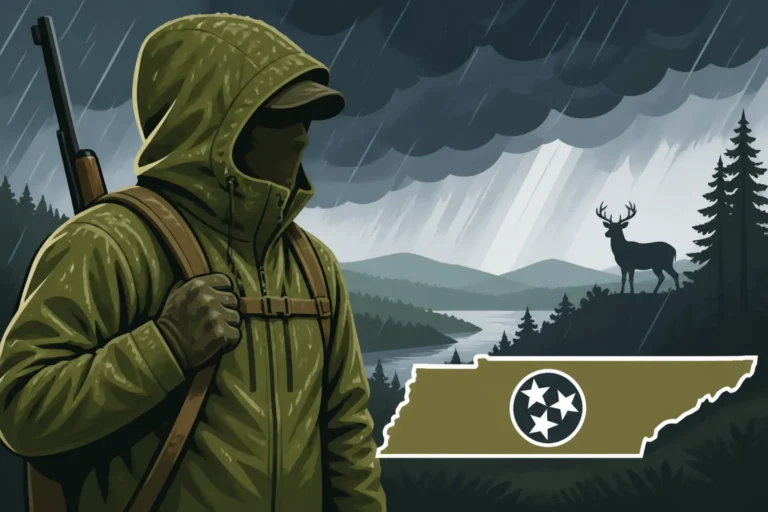
Tennessee weather has a knack for throwing curveballs. A clear forecast can give way to an unexpected drizzle or a sustained, biting wind. Being unprepared for these elements can quickly turn a pleasant hunt into a survival challenge. While your outer layers are your primary defense against rain and wind, a compromised outer shell means your base layers become critically important for maintaining core temperature.
If your rain gear fails or you get caught in an unexpected downpour while walking to your stand, a non-cotton base layer, particularly wool, will continue to provide some insulation even when wet. This is a game-changer for safety and comfort. High winds, even when dry, can strip away your body heat at an alarming rate. A quality base layer, working in conjunction with effective outerwear, acts as a critical thermal barrier against this heat loss. It's often the unsung hero when you find yourself caught out in less-than-ideal conditions, serving as a reliable backup when your Rain Gear for a Tennessee Downpour might not be enough on its own.
The Core Principles of Effective Base Layering
So, what exactly makes a base layer "effective" for hunting in Tennessee? It boils down to a few fundamental principles that dictate how these garments perform right against your skin. Understanding these concepts is key to selecting the right gear and truly maximizing your comfort in the field.
Wicking Away Moisture: Your First Line of Defense
The absolute primary job of any good hunting base layer is to wick moisture away from your skin. Think of "wicking" as drawing moisture (sweat) from the surface of your skin and transferring it to the outer surface of the fabric, where it can evaporate. Why is this so crucial? Because wet skin gets cold, fast. When sweat sits on your skin, it cools through evaporation, and that cooling effect pulls heat directly from your body, a process known as evaporative cooling. This is particularly dangerous in cold weather, as it can lead to hypothermia, even if the ambient temperature isn't extremely low.
Even on a cold November morning, you're going to sweat. Hauling your treestand and climbing sticks up a steep ridge, walking a mile into a remote area of the Cherokee National Forest, or even just the rush of adrenaline when a big buck walks into range can all cause you to perspire. If that sweat soaks into a material like cotton, it stays there, making you cold and clammy once your activity level drops. A quality base layer, however, keeps you dry, allowing your body to regulate its temperature more efficiently without that dangerous cooling effect. Many hunters using tools like GoHunt to scout and plan their trips prioritize moisture-wicking properties in their gear, knowing how vital it is for prolonged comfort and success in dynamic conditions.
Insulating Without Bulk: Trapping Warmth
Beyond wicking, a good base layer also provides insulation. It does this by trapping a thin layer of warm air right next to your skin. This trapped air acts as a thermal barrier, slowing the transfer of your body heat to the colder outside environment. The trick is to achieve this insulation without adding excessive bulk, which would restrict your movement, interfere with drawing your bow, or make you feel clumsy in the stand.
The fit of your base layer is important here: it should be snug, but not constricting. A fabric that lies close to your skin can efficiently trap that layer of warm air, whereas a baggy garment leaves too much air space, reducing its insulating properties. The goal is to provide warmth as your first layer, supplementing your mid and outer layers, all while maintaining the agility and quiet movement essential for a successful hunt. This foundational warmth means you might not need as many bulky outer layers, allowing for a more streamlined and comfortable hunting setup.
Avoiding Cotton: The Hunter's Arch-Nemesis
If there's one cardinal rule of layering for cold weather hunting, it's this: cotton kills. You've likely heard the saying, and it's absolutely true for good reason. Cotton is a fantastic material for warm, dry conditions, but it is utterly disastrous in cold, damp, or active environments. Why? Because cotton loves water. It absorbs moisture like a sponge and holds onto it, drying incredibly slowly.
When cotton gets wet, whether from sweat, rain, or dew, it loses all its insulating properties. Instead of keeping you warm, it actively draws heat away from your body as that moisture evaporates. Imagine hiking into a secluded West Tennessee bottomland, working up a sweat, then sitting down in your stand with a damp cotton shirt against your skin as the temperature drops. That clammy feeling will quickly turn into a deep chill, making you miserable and potentially putting you at risk. Always, always opt for natural or synthetic alternatives when choosing your base layers for hunting.
Choosing the Right Materials for Tennessee Hunting
Now that we understand why base layers are important, let's talk about what they're made of. The material composition is arguably the most critical factor in how a base layer performs, especially given the diverse conditions you'll encounter during a Tennessee November.
Merino Wool: The Gold Standard for Comfort and Performance
For many seasoned hunters, myself included, merino wool is the undisputed champion of base layer materials. It’s a natural fiber known for its incredible balance of warmth, breathability, and comfort. Merino wool sheep have evolved to thrive in extreme temperatures, and their wool reflects that adaptability. What makes it so special for hunting?
First, merino wool excels at moisture management. It wicks sweat away from your skin, but unlike synthetics, it also retains much of its insulating properties even when damp. This means if you do work up a sweat or get caught in a light drizzle, you won't immediately feel a bone-chilling cold. Second, merino wool is remarkably soft and comfortable against the skin, far from the scratchy wool sweaters of yesteryear. It's naturally antimicrobial, which means it resists odor-causing bacteria. For multi-day hunts or long, quiet sits in a Treestand Setups in Cherokee National Forest, this is a huge advantage, allowing you to stay fresher and more scent-controlled without needing a wardrobe change every day. While often a bit pricier upfront, the durability and performance make it a worthy investment for serious hunters. GoHunt community forums are often filled with discussions praising specific merino wool brands for their effectiveness in diverse hunting scenarios.
Synthetic Blends: Affordable and Fast-Drying Alternatives
If merino wool is the luxury option, synthetic blends are the hardworking, budget-friendly champions. Typically made from polyester, nylon, or a combination, modern synthetic base layers have come a long way. They are designed specifically for active use, offering excellent moisture-wicking capabilities and incredibly fast drying times. This makes them a fantastic choice for hunters who anticipate high levels of activity, like Run-and-Gun Turkey Tactics on Public Land, where you're constantly on the move and generating heat.
The main advantages of synthetics are their durability, lighter weight, and generally lower cost compared to merino. They can withstand a lot of abuse and dry very quickly after a wash or a quick rain shower. The primary drawback historically has been odor retention; synthetics can tend to hold onto body odor more readily than wool. However, many modern synthetic base layers incorporate antimicrobial treatments to combat this, making them much more appealing. For hunters who might not be able to invest in full merino setups or who prefer the quick-drying nature for intense activity, synthetics offer a highly effective and practical alternative.
Considering Different Weights for Variable Conditions
Just like you wouldn't wear a heavy winter coat in September, you need to think about the "weight" or thickness of your base layers. Base layers come in lightweight, midweight, and heavyweight options, each designed for different conditions and activity levels. Having a selection of these allows you to truly adapt to Tennessee's unpredictable November weather.
| Base Layer Weight | Ideal Temperature Range (F) | Activity Level | Key Characteristics | Best Use for TN November |
|---|---|---|---|---|
| Lightweight | 40-60+ | High | Excellent wicking, minimal insulation | Early November, active hikes to stand, mild days |
| Midweight | 25-50 | Moderate | Good balance of wicking & insulation | Most common for November stand hunting |
| Heavyweight | Below 25 | Low | Maximum insulation, can be bulkier | Late November cold snaps, static sits |
For a typical November hunt, a midweight base layer is often the workhorse, offering a good balance of warmth and breathability. However, if you're planning a particularly active hunt or expecting unusually mild temperatures, a lightweight option might be better. Conversely, for those late-November cold snaps when you plan to sit absolutely still for hours, a heavyweight base layer will provide that crucial extra warmth. Smart hunters will often pack a lighter option for the walk in and change into a heavier one once they are settled in the stand, or layer a lightweight under a midweight for maximum adaptability. Remember to check the forecast on your favorite weather app, perhaps integrating it with a tool like GoHunt's mapping features to dial in conditions for your specific hunting area before heading out.
Integrating Base Layers into Your Overall System
Your base layer is just the beginning. To truly conquer Tennessee's varied November weather, you need to view your base layers as one crucial component of a comprehensive layering system. Each layer plays a specific role, working in harmony to keep you warm, dry, and comfortable.
Top and Bottom Considerations
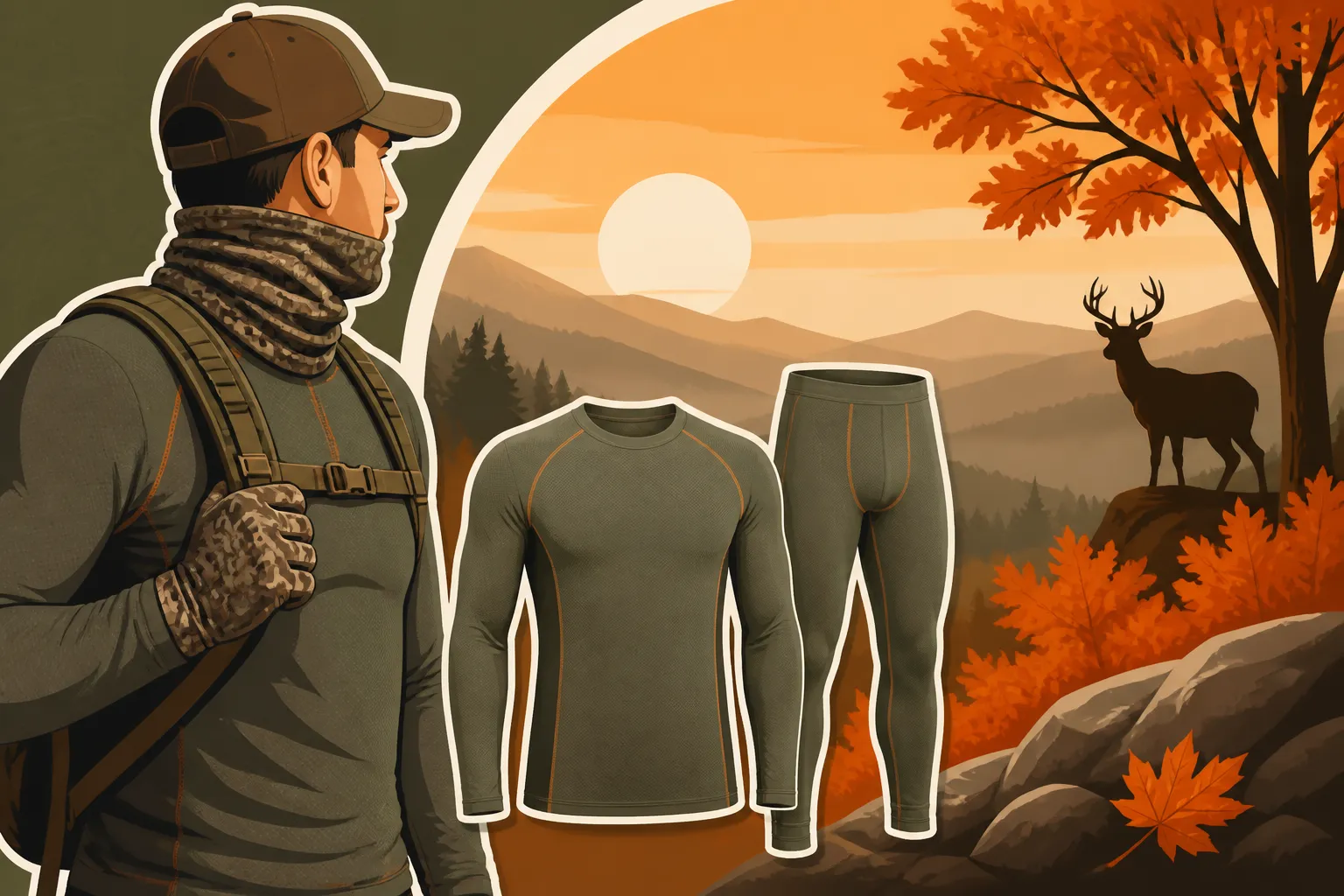
When it comes to base layer tops, you generally have a choice between a crew neck and a zip-neck style. A zip-neck offers a significant advantage for active hunting in variable conditions. That zipper allows you to vent heat quickly when you're hiking in, climbing your stand, or during a midday warm-up. Conversely, you can zip it all the way up for maximum warmth when the wind picks up or the sun dips below the horizon. The fit, as mentioned earlier, is paramount – snug enough to wick moisture and trap air, but never restrictive to your movement or shooting form.
For bottoms, you'll find full-length leggings and sometimes 3/4 length options. Full-length is usually the go-to for November for maximum warmth, but ensure they don't bunch up uncomfortably inside your hunting boots. Some hunters prefer 3/4 length bottoms specifically to avoid this issue, as they end above the boot line. Again, avoid anything too loose or too tight. The goal is a second skin that moves with you, providing warmth and moisture management without you even noticing it's there. Consider how these layers will fit under your Boots for Walking Tennessee Ridges to prevent chafing and discomfort on those long treks.
The Importance of a Good Mid-Layer
Once your base layer is in place, your next step in building a truly effective system is a good mid-layer. This is your primary insulating layer, designed to trap even more warm air. Materials like fleece, synthetic puffy jackets, or even additional wool garments are excellent choices here. The mid-layer works by creating an air gap between your base layer and your outer shell, further slowing heat loss.
Think of your mid-layer as your flexible warmth. On a mild day, your base layer and mid-layer might be all you need. On colder days, your mid-layer adds that critical boost of insulation before you add your outer shell. The key is that this layer, like your base layer, should ideally be made of moisture-wicking materials. If your base layer successfully moves sweat away from your skin, a good mid-layer will then allow that moisture to continue moving outward, preventing it from soaking through and chilling you. Companies that cater to serious hunters, like GoHunt, often provide detailed guides on building a cohesive layering system, emphasizing how each piece contributes to overall comfort and performance. This holistic approach is far more effective than simply piling on random garments. You can learn more about this by reading Layering for a Tennessee Deer Stand.
Outerwear Choices to Complement Your Base Layers
Finally, your outerwear is the protective shell that shields your base and mid-layers from the external elements – wind, rain, and snow. It's the final piece of the puzzle, and its effectiveness directly impacts how well your inner layers can do their job. Even the best base layers will struggle if your outer shell lets in wind that cuts through your insulation, or rain that soaks everything beneath.
For November hunting, you'll want outerwear that is quiet, durable, and provides a good level of wind and water resistance. A good outer shell allows your base layers to wick moisture and your mid-layers to insulate effectively, preventing them from becoming compromised by the weather. Having options, such as a dedicated Rain Gear for a Tennessee Downpour and a general cold-weather outer layer, gives you the versatility to adapt to anything the Tennessee woods throw at you. When you choose your Clothing for a Tennessee Late Season, always think about how it will integrate with the base and mid-layers you've carefully selected. The entire system works together, and no single layer can compensate for a weakness in another.
Disclaimer
This article is for general informational purposes only and does not constitute professional advice. Laws, prices and regulations vary by location and change over time. Consult a qualified professional for guidance on your specific situation.