Brush Pants for Tennessee Fencerows
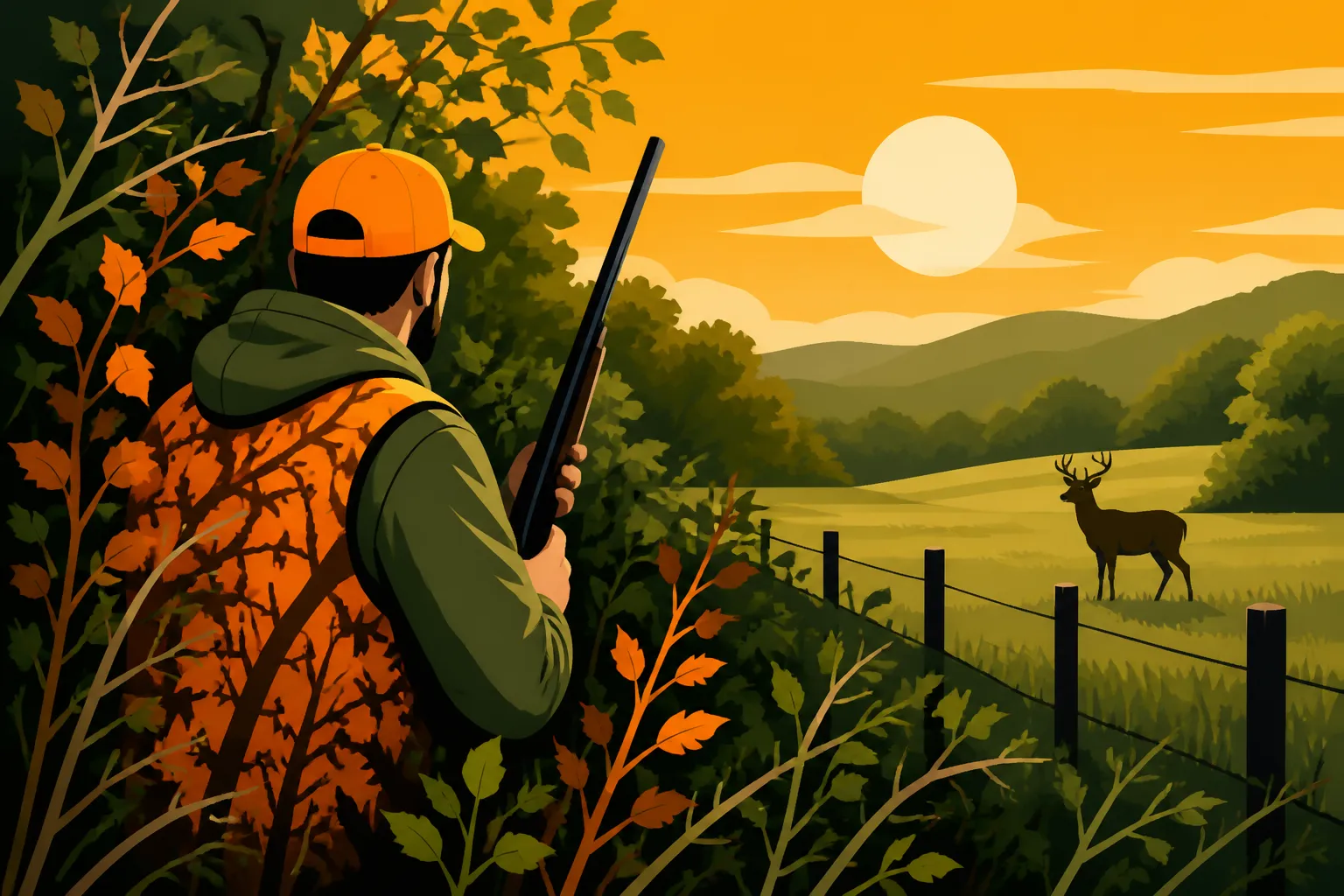
There's nothing quite like the excitement of chasing game through Tennessee's diverse landscape, but ask any seasoned hunter what their biggest frustration is, and you'll likely hear about battling briars, thorns, and those ever-present ticks. Whether you're still-hunting a field edge for deer, pushing a fencerow for rabbits, or calling coyotes in farm country, the vegetation can be a brutal gauntlet for your legs and your gear. This guide is all about helping you conquer those thorny challenges by equipping you with the ultimate leg protection: brush pants designed for the realities of hunting Tennessee's fencerows.
Why Traditional Hunting Pants Just Don't Cut It in Tennessee's Fencerows
We've all been there. You step into what looks like a manageable strip of cover, only to emerge moments later with tears in your pants, angry red scratches on your shins, and the nagging suspicion that a few unwelcome hitchhikers are now clinging to your socks. Standard hunting pants, even many labeled "rugged," simply aren't built for the relentless assault of a true Tennessee fencerow.
The Gauntlet of Thorns and Briars
Tennessee's fencerows, field edges, and overgrown thickets are biological jungles, teeming with wildlife, yes, but also with an arsenal of botanical weaponry. You're not just walking through tall grass; you're pushing through multiflora rose bushes with their vicious hooks, dense blackberry brambles, and the notoriously resilient greenbrier vines that seem to grab and hold onto everything. Then there are the trees themselves – honey locusts dropping their intimidating thorns, or young sweetgum saplings with their spiky balls waiting to trip you up.
Trying to navigate this with canvas work pants or even some heavier denim is a recipe for disaster. The fabric snags, tears, and eventually rips wide open. It's not just about ruining a pair of pants; it's about the constant discomfort, the stinging scratches that accumulate, and the way it pulls you out of the moment, making you focus more on self-preservation than on the hunt. Imagine trying to stay quiet and focused when every few steps you're getting snagged and pricked. It breaks your concentration, which can mean the difference between seeing that buck slip through the cover or flushing that covey of quail. You need something that laughs in the face of thorns, allowing you to focus on the task at hand.
Tick and Chigger Havens
Beyond the physical damage, Tennessee's fencerows are prime real estate for all sorts of tiny, unwelcome critters. Ticks, particularly the lone star tick, dog tick, and sometimes even the dreaded black-legged deer tick, absolutely thrive in these overgrown, shaded, and often damp environments. Chiggers are another microscopic menace, ready to latch on and leave you with days of relentless itching.
Regular pants offer minimal defense against these determined pests. Their looser weaves and thinner materials provide easy entry points for ticks to crawl underneath, or for chiggers to simply embed themselves. You might spray yourself down with permethrin, which is a good practice, but without a physical barrier, you're relying solely on chemicals. Brush pants, with their tightly woven, sometimes treated, and incredibly durable fabrics, create a much more formidable barrier. They significantly reduce the surface area and avenues for these pests to reach your skin, making your post-hunt tick check a little less daunting and your overall hunt a lot more enjoyable. Reading Tennessee Mud for Fresh Deer Movement often means walking through exactly these kinds of areas, and the last thing you want is a tick riding along.
Mud, Moisture, and Wear-and-Tear
Let's be honest, Tennessee hunting, especially in the late fall and winter, often involves mud and moisture. Fencerows, by their very nature, tend to hold water longer, creating boggy conditions, especially in creek bottoms or low-lying field edges. Your average hunting pant, while it might shed a light drizzle, will quickly become waterlogged and heavy when trudging through damp brush and mud.
This isn't just uncomfortable; it makes the pants heavier, colder, and slows you down. Worse, the constant friction of wet, muddy fabric against tough vegetation accelerates wear and tear. What might last a few seasons in drier, more open woods will quickly degrade when subjected to the combination of moisture, abrasive thorns, and thick mud. You want pants that can shrug off a fair amount of dampness, dry reasonably quickly, and stand up to the sheer physical stress of being dragged through the roughest cover imaginable. When you're trying to sneak up on game in Hunting West Tennessee Bottomland Deer, staying dry and comfortable is key.
What Makes a Great Pair of Brush Pants for Tennessee
Okay, so we know regular pants are a no-go. But what exactly should you be looking for when you're ready to invest in a pair of brush pants that can truly hold their own against the Tennessee wild? It's a combination of robust materials, smart design, and a fit that allows you to move freely.
Material Matters: Durability and Puncture Resistance
The backbone of any good pair of brush pants is the fabric. This isn't where you want to cut corners.
- Duck Canvas: This is a classic for a reason. Heavy-duty cotton canvas, often treated for water resistance, provides excellent abrasion resistance. It's tough, breaks in nicely over time, and offers a good balance of protection and breathability. It can be a bit stiff initially but softens with use.
- Cordura Nylon: A synthetic powerhouse, Cordura is known for its incredible strength-to-weight ratio and exceptional abrasion and tear resistance. It's often used in blends or as reinforcement in key areas. It tends to be lighter than heavy canvas and can dry faster.
- Waxed Cotton: This material harkens back to traditional outdoor gear. The wax treatment makes it highly water-resistant and surprisingly durable against snags and tears. It develops a beautiful patina over time but can feel a bit heavier and may require re-waxing to maintain its water repellency.
- Blends: Many modern brush pants utilize smart blends, combining the best features of different materials. You might find a heavy cotton base with Cordura panels in the high-wear areas, or a synthetic blend that offers stretch for mobility along with robust protection.
The key is a tight weave. The tighter the weave, the harder it is for thorns to penetrate and for ticks to find purchase. A good pair of brush pants will feel substantial in your hands – not flimsy like casual pants.
Design Features for Fencerow Survival
It's not just the material; it's how that material is put together. Manufacturers have gotten really clever with designs specifically for pushing through brush.
- Double-Fronts: This is perhaps the most iconic feature. A second layer of fabric is sewn over the front of the legs, often from the mid-thigh down to the ankle. This creates a double barrier against thorns and greatly extends the life of the pants. It's like having an extra shield for your shins and knees, which take the brunt of the abuse when busting through thick cover.
- Briar-Proof Facings/Panels: Similar to double-fronts, but sometimes even more robust, these panels are often made from specialized, extra-tough materials like heavy Cordura or nylon, specifically designed to deflect thorns. They might be sewn on as a continuous piece or strategically placed in areas of highest impact.
- Reinforced Stitching: Look for triple-stitched seams, especially in critical areas like the crotch, knees, and around pockets. Weak stitching will be the first thing to give out under the strain of pulling and pushing through thickets.
- Articulated Knees: Even with tough materials, you still need to be able to move. Articulated (pre-bent) knees allow for a greater range of motion without the fabric binding or pulling. Some pants even have pockets for knee pads, which can be a game-changer when kneeling in rocky or thorny cover.
- Boot Cuffs/Snaps: A good brush pant will have a secure cuff at the bottom. This prevents debris from entering your boots and helps keep the pant leg from riding up. Some even have snaps or drawstrings to cinch them tight around your boots, further sealing out ticks and thorns.
Comfort, Fit, and Mobility
While ultimate ruggedness is crucial, don't sacrifice comfort entirely. You're going to be wearing these for hours, potentially walking miles in varied terrain.
- Balance of Stiffness and Flex: Early brush pants could feel like you were wearing cardboard. Modern designs aim for a better balance. They're tough, but with enough give to allow for crouching, climbing over fallen logs, and hiking without feeling overly restricted. Some incorporate stretch panels in non-critical areas to aid mobility.
- Proper Sizing: Don't size down thinking it will make them tougher. You need room to layer underneath if you're hunting in cold weather, and enough space for your muscles to work. Too tight, and they'll restrict movement and wear out faster in stressed areas. Too baggy, and they'll snag even more. A comfortable waist and enough room in the seat and thighs are important. Layering for a Tennessee Deer Stand often means needing a little extra room in your outer layers.
- Pocket Placement: Well-placed, secure pockets are invaluable for carrying essentials like a rangefinder, knife, or small calls. Look for pockets that are deep enough to prevent items from falling out when you're scrambling through brush, and perhaps a knife pocket on the thigh.
| Feature | Description | Benefits for TN Fencerows | Considerations |
|---|---|---|---|
| Double-Front | Extra fabric layer over the front of the legs. | Superior puncture/tear resistance, protects shins/knees. | Can add stiffness and weight. |
| Cordura Panels | High-abrasion nylon reinforcement in key areas. | Extremely durable, lighter than full canvas, quick-drying. | Can be less breathable than cotton. |
| Waxed Cotton | Heavy cotton fabric treated with wax. | Highly water-resistant, excellent briar protection, classic look. | Heavier, may need re-waxing, can be stiff. |
| Articulated Knees | Pre-bent knee design or gussets. | Improves mobility, reduces binding, more comfortable when bending. | May not offer as much direct puncture resistance. |
| Boot Cuffs/Snaps | Adjustable cuffs at the ankle. | Prevents debris entry, helps seal out ticks, keeps pant leg down. | Can sometimes snag on certain footwear if not cinched. |
| Triple Stitching | Multiple lines of stitching on seams. | Greatly increases seam strength and longevity. | Adds to manufacturing cost. |
Choosing the Right Brush Pants for Your Tennessee Hunt
Deciding on the perfect pair of brush pants isn't a one-size-fits-all proposition. Your choice should reflect the specific type of hunting you do, the time of year, and the particular challenges you anticipate.
Considering Your Primary Game and Terrain
Are you a small game hunter who spends hours pushing dense cover, or primarily a deer hunter who might be still-hunting thicker sections and then sitting for extended periods?
- Small Game Hunters (Rabbit, Grouse, Squirrel): If you're busting brush constantly, covering miles of ground in pursuit of Rabbit Hunting Tennessee Fencerows or Grouse Hunting Cumberland Plateau Cover, mobility and a slightly lighter weight become more critical. You need robust protection, but also pants that don't hinder your stride or cause you to overheat. Look for options with good breathability and perhaps some stretch. Durability against constant friction is paramount, as you'll be constantly rubbing against briars.
- Deer Hunters (Still-Hunting, Drives): For those who might be pushing through thickets on a deer drive or slowly still-hunting a dense bedding area, maximum protection is key. You might tolerate a slightly heavier, stiffer pant if it offers impenetrable defense against thorns and quiet movement. If you're going to be sitting after your push, you'll also want to consider warmth, which leads us to seasonal considerations. Even when Hunting a Ridge-Top Saddle for Rutting Bucks, you might have to push through some nasty stuff to get there.
Seasonal Considerations: Weight and Breathability
Tennessee's seasons can swing wildly from warm and humid to bitterly cold and wet. Your brush pants should ideally align with these conditions.
- Early Archery Season / Mild Fall: If you're out during the warmer parts of the archery season, especially in September or early October, breathability is crucial. Heavy, insulated pants will make you sweat profusely, leading to discomfort and potentially spooking game with your scent. Look for unlined brush pants, or those made from lighter, more breathable synthetic blends. Layering underneath with moisture-wicking base layers is still a good idea.
- Late Fall / Winter / Muzzleloader & Gun Season: As the temperatures drop, especially from late November through January, warmth becomes more of a factor. You might opt for a heavier canvas or waxed cotton pant that offers some inherent insulation, or choose an unlined pair and layer thermal long johns underneath. The added material also provides a bit more wind resistance. The good news is that the thicker materials tend to offer even better briar protection, which is welcome when that ground cover is at its densest. When you're Hunting the Late-Season January Lull, staying warm and dry from the waist down is absolutely essential.
Investing in Quality: The GoHunt Perspective
Let's be real: good brush pants aren't always cheap. But think of them as an investment in your comfort, your safety (by preventing cuts and tick bites), and the longevity of your hunting gear. Trying to save a few bucks on flimsy pants that tear after two hunts is a false economy. You'll end up replacing them multiple times, spending more in the long run, and enduring unnecessary discomfort.
When I talk to folks about gear, whether it's for optics or clothing, I always stress buying once and buying well. Companies that specialize in durable outdoor gear, often found through resources like GoHunt, tend to build products that last. They understand the abuse hunting gear takes and design accordingly. Look for established brands known for their rugged construction and positive reviews from actual hunters. Don't just grab the cheapest thing off the rack; research, read reviews, and understand the materials and features. A reputable outdoor outfitter, or even a local hunting supply store in Tennessee, can offer valuable advice and let you feel the difference in quality firsthand. It's about getting gear that doesn't let you down when you're miles from the truck, battling a thorny jungle in pursuit of game.
Maintenance and Longevity for Your Brush Pants
You've made the investment, now it's time to protect it. Proper care isn't just about keeping your pants clean; it's about extending their life and ensuring they continue to provide the protection you rely on season after season.
Cleaning and Care for Extended Life
After a long day in the Tennessee woods, your brush pants are likely to be covered in mud, burrs, sweat, and perhaps even some blood. Don't just toss them in the corner.
- Initial Cleanup: Start by shaking off loose dirt and mud. If the mud is dried on, use a stiff brush to gently remove as much as possible before washing. Remove any burrs or thorns. This prevents them from getting embedded deeper or damaging your washing machine.
- Washing Instructions: Always follow the manufacturer's care tag. For most canvas or synthetic brush pants, a gentle cycle with cold water and a mild detergent is best. Avoid harsh bleaches or fabric softeners, as these can break down durable fibers and reduce any water-resistant treatments. For waxed cotton, you'll generally want to spot clean only, or hand wash very carefully, as machine washing can strip the wax.
- Drying: Air drying is usually the best option. Hang your pants in a well-ventilated area, away from direct sunlight or excessive heat. High heat from a dryer can shrink some materials, damage water-resistant coatings, and generally shorten the lifespan of the fabric. If you must use a dryer, opt for a low heat or tumble dry setting.
- Odor Control: Hunting clothes, especially those that get sweaty, can hold odors. Consider using scent-eliminating detergents formulated for hunting gear, or adding a bit of baking soda to your wash cycle. This helps keep your pants clean and ready for your next stealthy approach, whether you're trying to get close for Rattling and Grunting in Tennessee or working through a thicket to get a shot.
Repairing and Reinforcing
Even the toughest brush pants can suffer minor damage over time. Instead of replacing them immediately, consider repairing them. This saves money and can even add character to your favorite pair.
- Patching Tears: For small tears or holes, especially in non-critical areas, a durable fabric patch (available at most outdoor or fabric stores) can do the trick. Iron-on patches are quick, but sewing on a patch offers a more robust and lasting repair. Use a heavy-duty thread and a strong stitch pattern. For higher-wear areas, consider a reinforcement patch on the inside and outside of the pant leg.
- Seam Repair: If a seam starts to unravel, address it quickly before it becomes a major problem. A simple needle and thread, or even a sewing machine with a heavy-duty needle, can mend most unraveling seams. Again, use a strong thread designed for outdoor gear.
- Re-waxing Waxed Cotton: If you have waxed cotton pants and notice they're losing their water repellency, it's time to re-wax them. You can buy specific re-waxing compounds and apply them yourself. This process not only restores their water resistance but also rejuvenates the fabric, making it more pliable and durable again.
By taking a little extra time to care for your brush pants, you'll ensure they remain a trusted piece of gear that stands up to the brutal beauty of Tennessee's fencerows for many seasons to come.
Disclaimer
This article is for general informational purposes only and does not constitute professional advice. Laws, prices and regulations vary by location and change over time. Consult a qualified professional for guidance on your specific situation.