Williamson County Public Hunting Access
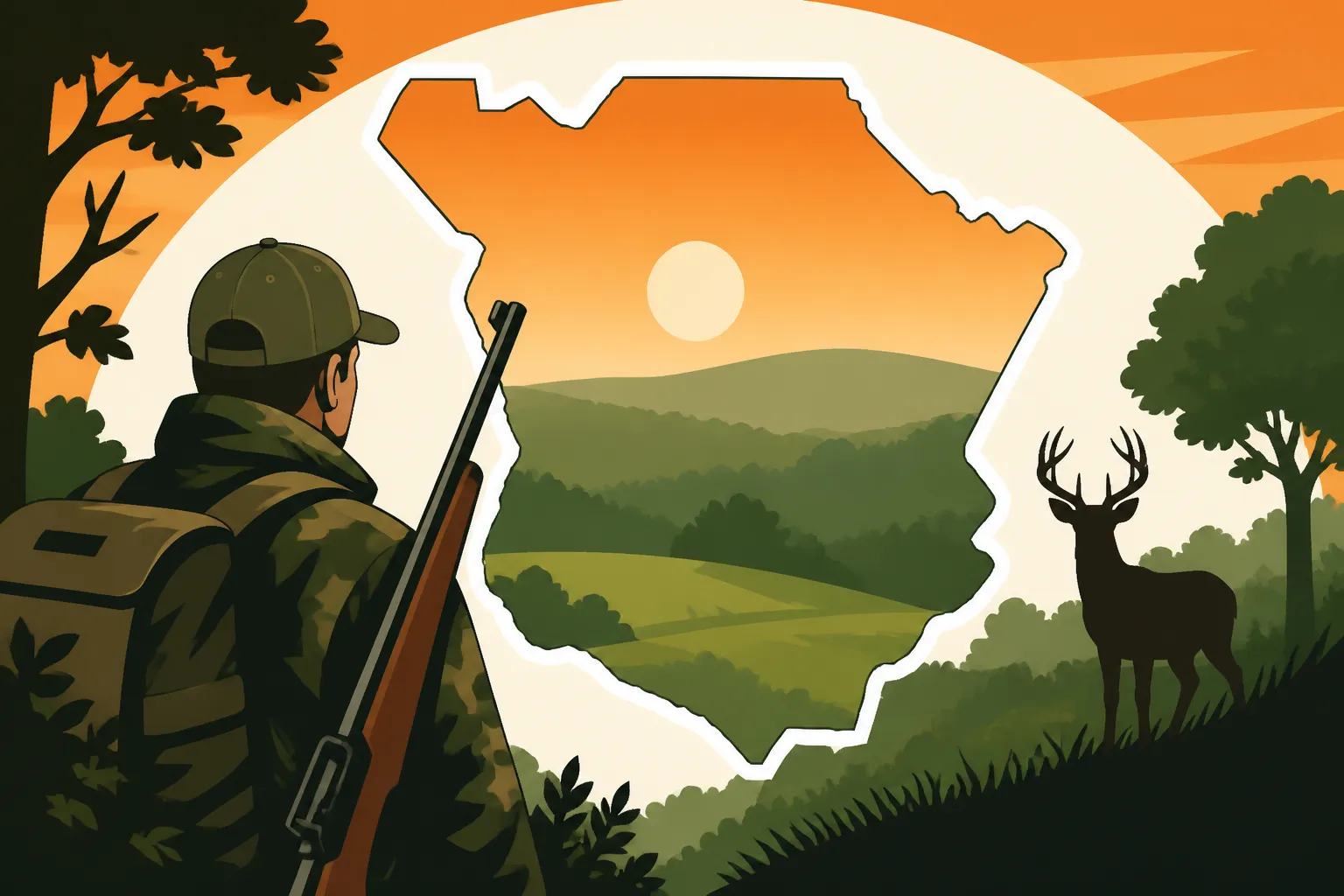
Oh, Williamson County. If you're a hunter living there, or anywhere in a rapidly developing area surrounding a major city like Nashville, you know the struggle is real. The dream of stepping out your back door onto vast public hunting grounds can feel like a distant fantasy. Finding solid public hunting access in Williamson County specifically is a challenge that many folks face, and it often leads to frustration and countless hours pouring over maps. This guide isn't here to sugarcoat it, but rather to give you a realistic roadmap for navigating the limited options and making the most of your hunting opportunities in or around this bustling part of Tennessee.
The Reality of Public Hunting Access in Williamson County
Let's just be frank: Williamson County isn't exactly a hotbed for sprawling public hunting land. It’s a beautiful place, no doubt, but its beauty has also attracted significant development and population growth, especially over the last few decades. This growth has fundamentally reshaped the landscape, pushing out large tracts of accessible wilderness that hunters often rely on in more rural parts of the state.
The Scarcity of Traditional Large Tracts
When you think of traditional public hunting in Tennessee, you probably picture places like the Cherokee National Forest, the Cumberland Plateau, or large Wildlife Management Areas (WMAs) with thousands upon thousands of acres of timber and diverse habitats. Williamson County, unfortunately, doesn't really have anything comparable within its borders. The land here is largely privately owned, broken into smaller parcels, and often comes with a hefty price tag, making it less likely to be acquired for public recreational use.
This isn't to say there's nothing, but it's crucial to adjust your expectations. You won't find vast, untouched wilderness waiting for you. Instead, you'll be looking at smaller, more fragmented pieces, or you’ll need to expand your search to neighboring counties. The pressure on these smaller pieces of public ground is also significantly higher, as local hunters flock to the few available spots, making success more of a strategic chess match than a simple walk in the woods. This is a common story in areas experiencing rapid growth; the concrete and rooftops spread, and accessible wild spaces shrink.
Looking to Nearby Counties for Opportunities
Given the limited options within Williamson County itself, many local hunters find themselves driving a bit further to get into quality public land. The good news is that Tennessee offers some fantastic opportunities not too far away, though they might require a bit of a commute. For instance, west of Williamson, you have areas like Cheatham Wildlife Management Area, which offers significant deer, turkey, and small game hunting. Hunting West Tennessee River Bottoms tactics can even apply to some of the river-adjacent WMAs that are closer than you think.
To the east, you might consider areas around Percy Priest Lake, though many of those tracts are smaller and often draw heavy crowds for their close proximity to Nashville. Knowing the Tennessee Deer Season Structure Explained can help you plan trips to these different areas, as season dates and bag limits might vary slightly by WMA or county. The takeaway here is that while Williamson County itself is tough, a reasonable drive can open up a lot more possibilities.
Navigating Access and Understanding the Rules
Okay, so you've accepted that you'll either be hunting small local fragments or traveling a bit. Now, how do you actually find these spots and what do you need to know to hunt them legally and ethically? This is where modern tools and a deep understanding of regulations become absolutely essential.
Using Mapping Tools for Public Land Discovery
In a landscape as fragmented as what you find in and around Williamson County, mapping applications like onX Hunt and GoHunt are not just helpful; they're indispensable. Gone are the days of relying solely on paper maps or vague directions. These apps allow you to:
- Identify Public vs. Private Boundaries: This is paramount. You can instantly see property lines, landowner names, and which parcels are public land, whether it's a WMA, state forest, or even a small conservation easement. This helps you avoid accidental trespass, which is a serious issue, especially in developed areas.
- Locate Access Points: Many smaller public tracts might not have obvious parking areas or trailheads. These apps can help you pinpoint legal access points, often showing satellite imagery that reveals old logging roads or forgotten corners of public ground.
- Understand Topography and Habitat: Even on small parcels, understanding the lay of the land, subtle elevation changes, and different habitat types can give you a huge advantage. You might find a small creek bottom that funnels deer, or a dense thicket that offers bedding cover. Reading Aerial Photos for Cumberland Plateau Deer can give you similar insights, even if the terrain isn't the plateau itself.
Imagine you're looking at a patch of woods that looks public on a general map. With onX Hunt, you can zoom in and confirm it's truly public, identify adjacent landowners, and even mark potential stand sites from your couch before ever stepping foot in the woods. This upfront scouting is critical when every acre counts.
Specific Challenges on Smaller Public Tracts
Hunting smaller public land parcels presents unique challenges compared to vast wilderness areas. The primary one is often increased hunter pressure. Everybody with limited options in the vicinity knows about these spots, which means you'll likely encounter other hunters. This demands a different approach:
- Early Bird Gets the Worm (or the Stand): Getting out before daylight, especially on opening morning, can make a huge difference. You want to be settled and quiet well before others are stirring.
- Deep Dives and Overlooked Nooks: Most hunters will stick to the easiest-to-access areas. Learning to Finding Ground Others Walk Past by walking further, crossing difficult terrain, or exploring overlooked corners can put you on game that hasn't been disturbed. Often, the best spots are just a little too far, or a little too thick, for the average hunter.
- Adaptive Tactics: Deer on these pressured parcels are often more nocturnal or wary. You might need to focus on early morning and late evening hunts, or use tactics that minimize your footprint. Using a Ground Blind on Tennessee Public Land can be a great option for these smaller, more visible areas, allowing you to set up quickly and disappear into the landscape without the fuss of a tree stand.
- Know the Rules Inside and Out: Pay close attention to WMA-specific regulations. Things like Tennessee Public Land Hunting Hours, blaze orange requirements, and rules regarding Trail Camera Rules on Tennessee Public Land can vary significantly. Ignorance of the rules is never an excuse, especially when hunting close to populated areas where violations can quickly draw unwanted attention.
| Public Land Type | Typical Size (Acres) | Key Challenges | Best Use |
|---|---|---|---|
| Large WMAs (e.g., Cheatham) | 10,000+ | Travel time, learning vast terrain | Multi-day hunts, diverse game |
| Small WMAs/State Lands | 100-1,000 | High pressure, limited space, edge effect | Early morning/late evening, deep walks |
| Flood Control Areas (COE) | Variable | Restricted access, fluctuating water levels | Waterfowl (if allowed), deer near water |
| Private Land with Permission | Variable | Getting permission, landowner relationship | Tailored hunting, reduced pressure |
Strategies Beyond the Obvious for Williamson County Hunters
Since traditional public land is so scarce, hunters in Williamson County often need to think outside the box. This means shifting focus, being persistent, and sometimes, simply being a better neighbor.
The Power of Private Land Permission
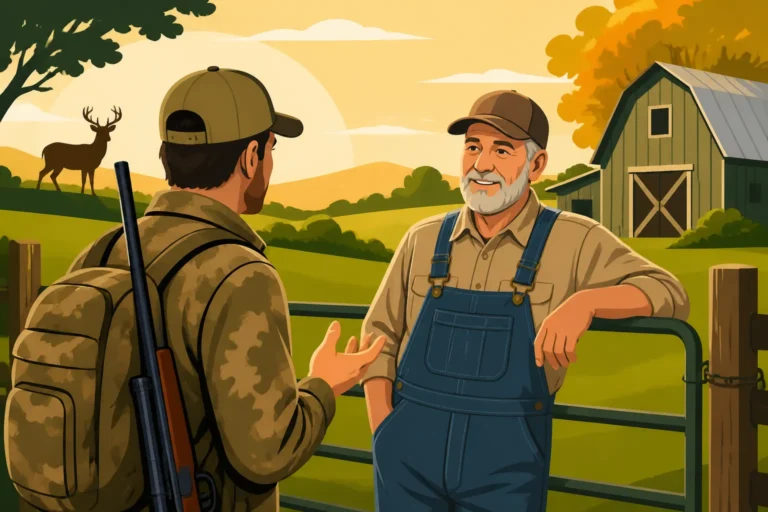
This is, by far, the most fruitful avenue for hunting in Williamson County. While it might seem daunting, securing permission on private land can unlock incredible opportunities. The key is building relationships and being respectful.
- Start Networking: Talk to everyone you know. Friends, family, co-workers, church members – you never know who owns land or knows someone who does. A personal connection is often the best foot in the door.
- Knock on Doors (Respectfully): This takes courage, but it works. Dress presentably, be polite, and have a clear, concise request. Emphasize your respect for their property, your commitment to safety, and your willingness to help them out (e.g., offer to help with chores, clear brush, or share venison). Learning Knocking on Doors in West Tennessee Farm Country tactics, even if you're not in West Tennessee, provides a valuable framework for approaching landowners.
- Offer Solutions, Not Just Requests: Do they have deer eating their landscaping? Hogs tearing up fields? Offer to help mitigate these issues responsibly. Hunters are often viewed as a solution to problems, not just a recreational user.
- Be a Good Steward: If you get permission, treat their land better than your own. Close gates, pick up trash, avoid damaging property, and always let them know when you're coming and going. A single bad apple can spoil access for everyone. Remember, Tennessee Trespass and Permission Law is clear – you need permission, and respecting it is paramount.
Hunting Small Private Tracts and Urban Opportunities
Don't overlook smaller, overlooked tracts of private land. You might not get access to 500 acres, but a 20-acre woodlot tucked behind a subdivision can hold deer, especially if it's surrounded by development and offers good cover. These "micro-properties" can be goldmines if you can get permission. Hunting Small Private Tracts in Tennessee requires a different set of skills; you're not dealing with wide-open spaces, but often tight cover and quick, close-range shots.
While Williamson County might not have specific, widely advertised "urban archery zones" like some other cities, the principle applies: where suburban development meets small pockets of woods, deer are often present, even abundant, as they adapt to human presence. Bowhunting can be particularly effective and generally more acceptable to landowners in these areas due to perceived safety. Always verify local ordinances and be hyper-aware of your surroundings and shooting lanes.
Essential Tools and Mindset for Williamson County Hunting
Success in a challenging hunting environment like Williamson County isn't just about finding a spot; it's about preparation, adaptability, and an ethical mindset.
Scouting and Adaptability are Your Best Friends
You've heard it a thousand times, but it bears repeating: scouting is absolutely critical, especially on high-pressure or small tracts.
- Year-Round Reconnaissance: Don't just scout a week before the season. Spend time in the off-season walking potential areas. Look for old rub lines, historical bedding areas, and subtle funnels. Deer patterns can change, but core areas often remain consistent. Scouting Tennessee Public Land Before Season is a year-long commitment, not a pre-season checklist.
- Observe and Adapt: Game animals in high-pressure areas are incredibly sensitive to disturbance. If you notice deer are going nocturnal, adapt your approach. This might mean adjusting your entry and exit routes, focusing on very short, high-odds sits, or even changing where you hunt based on wind direction and thermal currents.
- Utilize Technology (Again): Beyond boundary lines, mapping apps can help you mark sign you find, plot routes, and even track your movements to avoid getting lost in unfamiliar cover. GoHunt and onX Hunt allow you to drop pins for deer sign, potential stand locations, and even parking spots, creating a comprehensive digital scouting journal.
Respecting the Resource and the Community
Hunting in a developed area like Williamson County comes with an added responsibility: being a stellar ambassador for our sport. Your actions reflect not just on you, but on all hunters.
- Safety First, Always: This cannot be overstated. Be absolutely sure of your target and what lies beyond it. In areas with homes and other public users, a missed shot or an irresponsible decision can have dire consequences and threaten hunting access for everyone. Know and follow all Tennessee Legal Firearms for Deer Hunting regulations.
- Leave No Trace: Pack out everything you pack in. If you gut a deer, do it discreetly and away from public view if possible. Treat the land with the utmost respect.
- Be a Good Neighbor: If you're hunting private land, communicate openly with the landowner. If you're on public land, be courteous to other users – hikers, birdwatchers, dog walkers. A friendly wave and a smile go a long way. The perception of hunting can be very sensitive in these growing communities, and positive interactions are vital.
Hunting in Williamson County is tough, there's no denying it. But with persistence, smart use of tools, a willingness to adapt, and a strong commitment to ethical behavior, you can still find rewarding experiences in the field, even if it means putting in a bit more legwork or driving a few extra miles.
Disclaimer
This article is for general informational purposes only and does not constitute professional advice. Laws, prices and regulations vary by location and change over time. Consult a qualified professional for guidance on your specific situation.