How Many Acres Land Between the Lakes Covers
Hunting Land Between the Lakes can feel like dropping a small pebble into a vast ocean, especially if you're used to smaller, more manageable tracts of land. The sheer scale of it can be daunting, leaving many hunters scratching their heads about where to even begin. This guide will unravel the immense size of Land Between the Lakes, offering practical insights into how to tackle its sprawling acreage for a successful hunt.
The Unfathomable Scale of Land Between the Lakes
When we talk about public land in Tennessee, Land Between the Lakes National Recreation Area is in a league of its own. It's not just large; it's truly massive, stretching across two states and encompassing an incredible diversity of terrain. Understanding its footprint is the first step in approaching a hunt here, whether you're after whitetails, turkeys, or even small game.
Just How Big Is Land Between the Lakes?
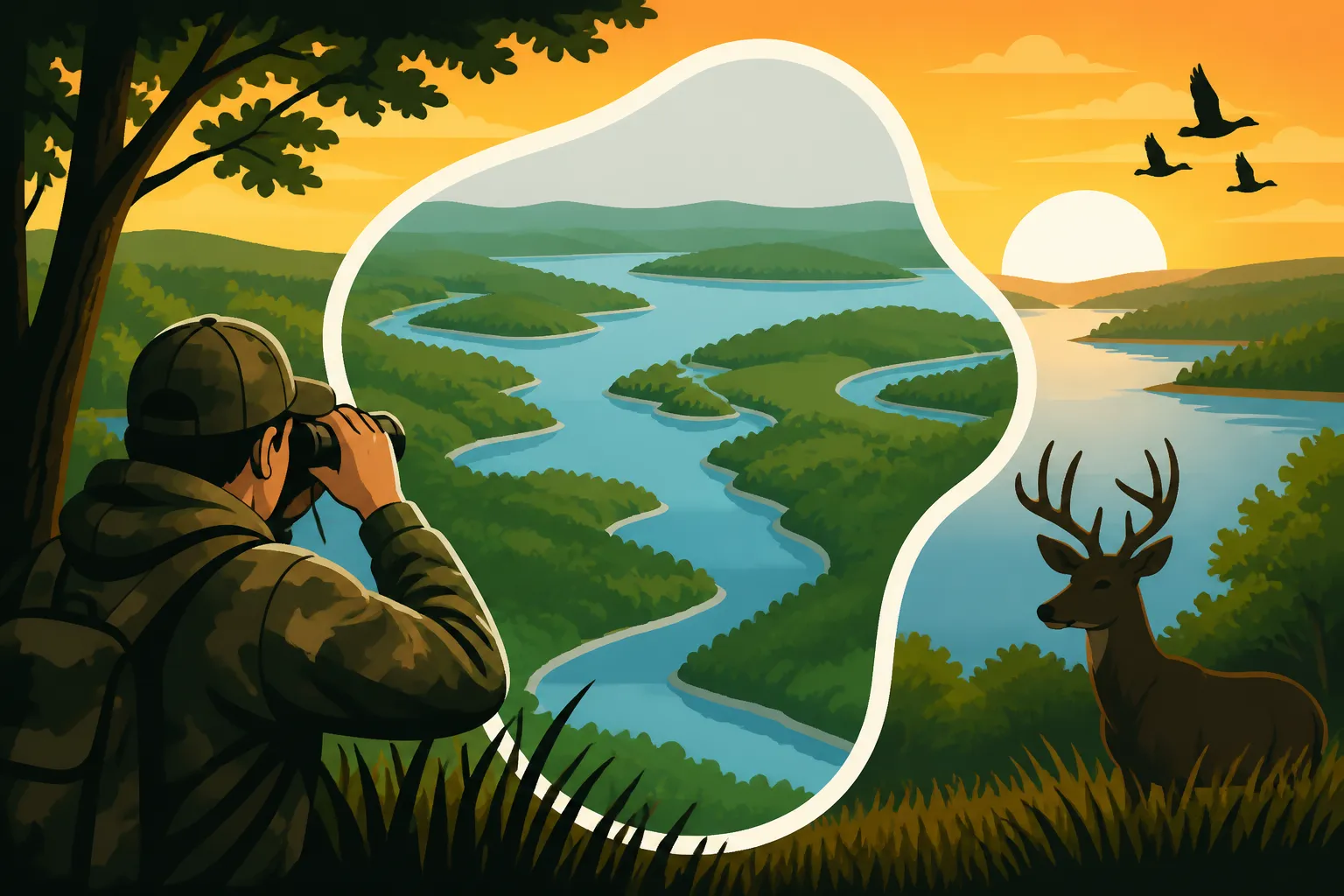
Land Between the Lakes (LBL) covers an astonishing approximately 170,000 acres. To put that into perspective, imagine a single block of public land that is more than twice the size of some entire counties in Tennessee. This isn't just a big chunk of forest; it's a dynamic landscape bordered by two massive bodies of water—Kentucky Lake and Lake Barkley—which themselves contribute to the area's unique character and challenges for hunters. This vastness means that simply driving through or looking at a simple map won't do it justice; you really need to dive deep to grasp its scope.
Think about the implications of 170,000 acres. You could spend a lifetime exploring different ridges, hollows, creek bottoms, and pine thickets and still discover new spots. This isn't a small state forest where you can cover most of it in a weekend. LBL demands respect for its size, and it rewards those who put in the effort to understand its layout and how game animals utilize such an expansive territory.
The Dual Identity: Bridging Tennessee and Kentucky
One of the most unique aspects of Land Between the Lakes is its geographical split across two states. Roughly two-thirds of LBL lies in Kentucky, while the remaining third is in Tennessee. While it's managed as a single national recreation area, this state line division has significant implications for hunters. You might find yourself crossing state lines without even realizing it, and that can lead to a world of trouble if you're not careful about licensing and specific regulations.
For instance, hunting licenses, permits, and even certain season dates and bag limits can differ between the Tennessee and Kentucky portions of LBL. What's perfectly legal on the Kentucky side might not be on the Tennessee side, and vice-versa. It means you can't just buy a Tennessee Hunting Licenses and What They Cost and assume you're good to go everywhere within LBL. You need to be acutely aware of which state you're in, not just generally, but down to the specific field or timber block you're hunting. It's a critical detail that many first-time LBL hunters overlook, sometimes to their detriment.
| Aspect | Detail | Implications for Hunters |
|---|---|---|
| Total Acreage | ~170,000 acres | Vast opportunities, but also requires extensive scouting and planning. |
| State Split | Roughly 2/3 Kentucky, 1/3 Tennessee | Different licenses, permits, and regulations per state. |
| Major Waterways | Kentucky Lake (west), Lake Barkley (east) | Creates a unique peninsula, affects deer movement, offers waterfowl. |
| Primary Habitat | Mixed hardwood and pine forests, open fields, bottomland, lakeshore. | Diverse game habitat, but specific species prefer certain areas. |
| Management | National Recreation Area (managed by US Forest Service) | Unique rules often differing from typical state WMAs. |
What Land Between the Lakes' Size Means for Hunters
The sheer acreage of Land Between the Lakes isn't just a number on a map; it profoundly impacts the hunting experience. From the distribution of hunting pressure to the types of habitat you'll encounter, its scale dictates much of your strategy. Recognizing these implications is key to developing an effective approach to Land Between the Lakes Hunting.
Dispersed Pressure and Finding Solitude
One of the most appealing aspects of hunting such a large area is the potential for finding solitude. On smaller public tracts, especially during popular seasons like the Tennessee Gun Season Opening Day, hunters can feel like they're elbow-to-elbow. While LBL certainly sees its share of hunters, especially around easily accessible areas or during major quota hunts, its vastness allows for pressure to be much more dispersed.
If you're willing to walk further, navigate rougher terrain, or explore less obvious access points, you can often find areas that see significantly less human activity. This doesn't mean these spots are guaranteed honey holes, but it does increase your chances of encountering less-pressured animals that might stick to more natural routines. The challenge, of course, is identifying these hidden gems. It demands more effort in scouting and an eagerness to stray from the beaten path. This is where tools that allow you to analyze topography and potential access routes become invaluable, helping you pinpoint those overlooked pockets within the immense landscape.
Diverse Habitats Across an Expansive Landscape
A 170,000-acre tract isn't uniform. LBL boasts an incredibly diverse range of habitats, which supports a healthy population of various game species. You'll find mature hardwood forests, often dominated by oaks that provide crucial mast crops for deer and turkey. There are extensive pine plantations, offering dense thermal cover and bedding areas. Interspersed throughout are open fields, some actively managed for wildlife, others reverting to brushy cover. And, of course, the miles of lake shoreline and numerous smaller creeks create bottomland areas and natural funnels for game movement.
This habitat diversity means that a single hunting strategy won't cut it. What works for Hunting West Tennessee Bottomland Deer might be completely ineffective on a dry, rocky ridge in LBL. You need to be adaptable. During the early archery season, deer might be concentrated around fields of standing beans or natural browse, while in late season, they'll often be found in thick pine stands or hardwood hollows with remaining acorns. Understanding these micro-habitats and how game utilizes them on such a grand scale is a continuous learning process, but it's also what makes LBL so exciting and rewarding for dedicated hunters.
Essential Tools for Navigating Land Between the Lakes' Immense Terrain
Approaching a hunting area as vast as Land Between the Lakes without the right tools is like trying to navigate a ship across an ocean without a compass. It's a recipe for frustration and getting lost. Modern technology, combined with a solid understanding of LBL's specific management, can turn its immense size from a barrier into an advantage.
Digital Mapping for Unlocking the Big Picture
Forget crumpled paper maps you can't read in the dark or when they get wet. For an area like LBL, digital mapping applications are absolutely non-negotiable. Tools like onX Hunt and GoHunt allow you to overlay property boundaries (crucial for distinguishing between the Tennessee and Kentucky sides, and identifying private in-holdings), topographic maps, satellite imagery, and even historic wildfire data. With thousands of acres at your fingertips, being able to zoom in on a small saddle, identify a secluded creek bottom, or scout potential bedding areas from your couch is a game-changer.
These apps also allow you to mark waypoints for potential stand sites, food sources, water, or even where you parked your truck. Imagine walking deep into LBL's dense timber, getting turned around, and then realizing you have no idea which direction your vehicle is. A digital map with your truck marked can be a literal lifesaver. Furthermore, many of these apps work offline, meaning you don't have to worry about spotty cell service deep in the woods. They empower you to break down the massive 170,000 acres into manageable, scoutable sections, giving you confidence and direction in what might otherwise feel like an endless maze. Scouting With the Tennessee TWRA App can also offer valuable WMA-specific information, but for LBL, dedicated mapping tools are paramount.
Understanding Permitting and Specific Hunt Zones
Beyond the general Getting a Land Between the Lakes Hunt Permit, LBL operates under a complex system of hunt zones and regulations that often vary significantly from typical statewide Tennessee rules. Because of its size and unique management as a National Recreation Area, certain areas within LBL might have different open seasons, weapon restrictions, or even require specific quota hunt permits. For example, Land Between the Lakes Deer Quota Hunts are a significant part of deer management there, and understanding how to apply and participate is crucial if you want to hunt those specific opportunities.
It's not enough to know how many acres LBL covers; you need to understand how those acres are designated and managed. Some zones might be archery-only, others general firearms, and some might even be closed to hunting entirely at certain times. Always consult the most current LBL hunting guide, usually available on their official website or at visitor centers, before you even set foot in the woods. This guide will outline the nuances of the season dates, bag limits, and specific regulations for each zone, ensuring you stay legal and ethical while pursuing game across this expansive landscape. Ignorance of these hyper-specific rules, especially when crossing state lines, is not an excuse.
Crafting Your Hunting Strategy for LBL's Vastness
Hunting Land Between the Lakes isn't a casual endeavor; it requires a deliberate, well-thought-out strategy. The sheer size of the area demands a different approach than smaller, more familiar hunting grounds. From extensive pre-season reconnaissance to carefully planned logistics, success here hinges on preparation and adaptability.
The Critical Role of Extensive Scouting
With 170,000 acres to explore, you simply cannot walk in blind and expect consistent success. Scouting becomes not just a recommendation, but an absolute necessity. Pre-season scouting, long before the first leaf falls, allows you to cover vast amounts of ground without the pressure of an open season. You can identify potential food sources, locate historical bedding areas, find natural funnels, and pinpoint pinch points that deer and turkey are likely to use. This kind of diligent work, often involving countless miles on foot and hours poring over maps, is how you shrink the immense landscape down to manageable, high-potential hunting zones.
Even during the season, dynamic scouting is important. Weather patterns, mast crop availability, and hunting pressure from other hunters can quickly change animal movement. Be prepared to adapt and use your knowledge of the broader LBL area to find new spots if your initial plan isn't panning out. Utilizing trail cameras, within LBL's regulations for Tennessee Trail Camera Rules on Tennessee Public Land, can also provide invaluable intelligence on game movement and patterns without constant human presence. Remember, the animals have endless cover; your job is to find the small pieces of that cover that they use consistently.
Logistical Considerations for Multi-Day Adventures
Given the vastness and often rugged terrain of Land Between the Lakes, planning for multi-day hunts or even single, extended day hunts requires careful logistical consideration. You can't just expect to be in and out in a few hours like you might on a small private parcel. Think about access points: where will you park? Are there gates? Are roads seasonally closed? Are you allowed to camp? Camping Rules on Cherokee National Forest Land can offer general public land camping guidelines, but LBL might have its own specific rules you'll need to research.
Retrieving a downed animal, especially a large buck or an elk (if you're lucky enough to draw a tag in a nearby elk zone), from deep within LBL can be a monumental task. Consider what you'll do if you have a successful harvest miles from your vehicle. Do you have a deer cart, a sled, or a plan for packing out the meat? Carrying ample water, food, and emergency supplies is also paramount, as you could be a long way from help. Even simple things like having a reliable headlamp for walking out after dark, or extra layers of clothing for unexpected weather changes, become crucial in such an expansive and potentially remote environment. Proper preparation here isn't just about hunting; it's about personal safety and resourcefulness in the face of truly wild country.
Disclaimer
This article is for general informational purposes only and does not constitute professional advice. Laws, prices and regulations vary by location and change over time. Consult a qualified professional for guidance on your specific situation.