Tennessee Deer Camps and Hunting Clubs
There's a special kind of magic that happens when hunters gather, whether it's around a crackling campfire or the worn kitchen table of an old cabin. For many, deer hunting isn't just about filling a tag; it's about the shared experience, the stories told, and the bonds forged. In Tennessee, deer camps and hunting clubs have long served as the heart of this tradition, offering camaraderie, shared responsibility, and often access to prime hunting ground. This guide will walk you through the ins and outs of these valuable communities, from understanding their appeal to finding the right fit for your hunting journey.
The Enduring Allure of Tennessee Deer Camps
For countless hunters across Tennessee, the term "deer camp" evokes powerful memories – the smell of coffee brewing before dawn, the murmur of excited voices discussing stand locations, the triumphant dragging of a buck back to camp, and the inevitable tall tales spun around the evening fire. It's a place where the hunt extends beyond the shot, becoming a communal experience deeply rooted in tradition and fellowship.
More Than Just a Place to Sleep
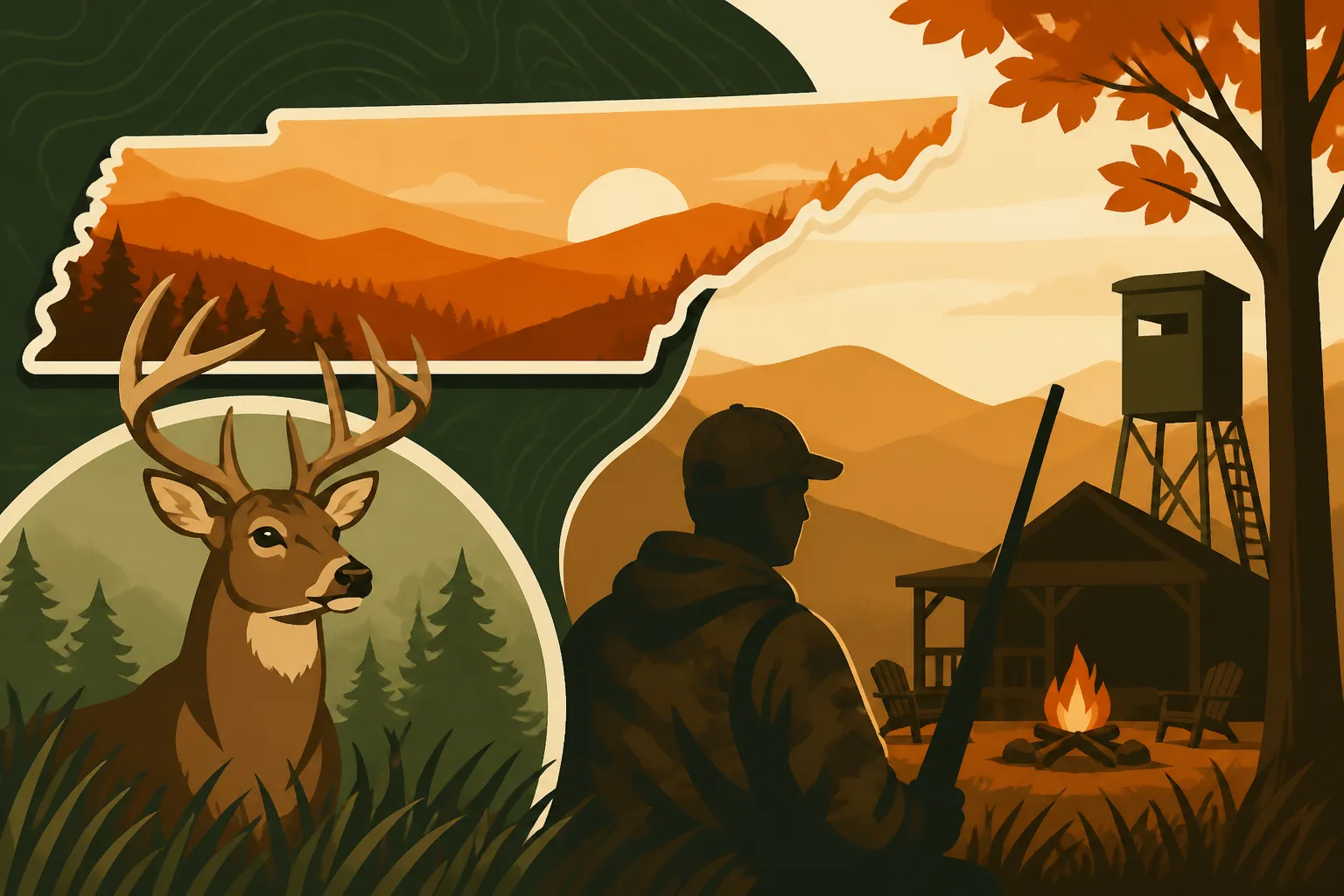
A deer camp, whether it's a rustic cabin, a collection of tents, or a parked RV, is far more than just a temporary dwelling. It's a hub of activity, a strategic command center, and a social focal point all rolled into one. From the very first light, it's where hunting plans are meticulously discussed and refined, often with maps spread out on a table and flashlights pointing to imagined deer trails. The air is thick with anticipation and friendly banter.
After the morning hunt, it becomes a place of shared warmth and sustenance, where hunters recount their experiences, some with frustration, others with elation. These debriefs are invaluable, offering insights into deer movement, sign, and conditions across the hunting area. When a deer is harvested, the camp transforms into a processing center, with everyone pitching in to help with field dressing, skinning, and preparing the meat for the cooler or freezer. This collective effort not only lightens the load but also reinforces the sense of community and shared accomplishment, making the entire process feel more meaningful.
Building Memories and Passing Traditions
One of the most profound aspects of the deer camp experience is its role in fostering intergenerational connections and passing down the rich traditions of hunting. It's where grandfathers share wisdom gleaned over decades in the woods, where fathers patiently teach their children how to track a deer or properly clean a rifle, and where younger hunters eagerly absorb every lesson. The shared pursuit creates an environment ripe for mentorship and learning, far removed from the distractions of everyday life.
These camps are often steeped in their own unique rituals and lore, from specific camp recipes cooked over an open flame to traditional opening-day breakfasts. These traditions become the fabric of the experience, tying generations together and instilling a deep appreciation for the land, the game, and the heritage of hunting. It's in these moments – a quiet conversation with a mentor, the shared excitement of a first deer, or simply the comfortable silence of friends gathered around a fire – that indelible memories are forged, creating stories that will be retold for years to come. This kind of shared heritage is truly priceless, reminding us that hunting is about much more than just a successful harvest.
Navigating the Landscape of Tennessee Hunting Clubs
Beyond informal deer camps, hunting clubs offer a more structured approach to shared hunting experiences, often involving leased private land, established rules, and collective management efforts. These clubs can range from small groups of friends to larger, more formal organizations with dozens of members and significant land holdings.
Understanding Different Club Structures
Hunting clubs in Tennessee aren't a one-size-fits-all proposition; they come in various forms, each with its own operational style and focus. The most common structure revolves around a group of individuals who collectively lease a tract of private land from a landowner. In these "leased land clubs," members typically share the cost of the lease, pay annual dues, and often contribute labor to maintain the property, such as planting food plots, maintaining roads, or setting up stands. These clubs can be incredibly beneficial, providing consistent access to quality private ground that would be unattainable for most individual hunters.
Then you have landowner-operated clubs, where the landowner themselves manages the club, offering memberships to hunters who wish to access their property. These might have stricter rules enforced directly by the owner, perhaps focusing heavily on quality deer management (QDM) or specific harvest quotas. Less common, but still present, are groups of hunters who might informally organize around accessing public lands, sharing scouting information, coordinating deer drives, or carpooling to more remote areas. While these public land groups might not have formal leases or dues, they still operate with a sense of shared purpose and camaraderie. Each structure offers a different level of commitment, cost, and control, catering to diverse preferences among hunters.
The Benefits of Club Membership
Joining a hunting club in Tennessee can unlock a wealth of advantages that solo hunting, especially on public land, might not offer. One of the most significant benefits is access to private land, which often boasts lower hunting pressure and potentially better game populations than heavily-used public areas. By pooling resources, members can afford to lease acreage that would be cost-prohibitive for a single individual. This shared financial burden extends to equipment and improvements as well; a club might collectively purchase a tractor for food plot work, maintain a camp house, or invest in trail cameras for scouting.
Moreover, many clubs actively engage in habitat management, which can lead to healthier deer herds and improved hunting opportunities. Members might work together to plant diverse food plots, perform timber stand improvements, or manage bedding areas, directly impacting the quality of the hunting experience. The collective knowledge and experience within a club are also invaluable. Newer hunters can learn from seasoned veterans, sharing insights on Reading a Ridge for East Tennessee Deer or effective Rattling Volume in Thick Cover. The camaraderie, shared work, and common goals create a strong community, fostering friendships that often last far beyond hunting season. It's a fantastic way to not only enhance your hunting success but also deepen your connection to the sport and fellow enthusiasts.
The Challenges of Club Life
While the benefits of hunting club membership are substantial, it's important to be realistic about the challenges that can arise when a group of individuals share a common hunting space. Personality conflicts are almost inevitable, as different hunting styles, expectations, and personal habits can clash. One hunter might prefer quiet, solitary sits, while another might be an avid user of deer drives, leading to friction over preferred tactics. Disputes can also emerge over "honey holes" – prime hunting spots that everyone wants to access, necessitating clear scheduling or rotational systems.
Financial commitments, while shared, can still be a source of stress, especially if some members consistently fall behind on dues or fail to contribute their fair share to workdays. Maintaining shared equipment, like ATVs or tractors, can also lead to disagreements over who is responsible for maintenance or repairs. Additionally, club rules, while necessary, can sometimes feel restrictive. For example, specific antler restrictions or limitations on guest hunters might not sit well with every member. It takes open communication, mutual respect, and a willingness to compromise to navigate these potential pitfalls successfully. A well-written club charter and consistent leadership can go a long way in mitigating these challenges and ensuring a harmonious club environment.
Finding and Joining a Tennessee Hunting Club
So, you're convinced that a hunting club might be the right move for you. The next step is finding one that fits your hunting style, budget, and personality. It's not always as simple as a quick online search, but with a bit of legwork and networking, you can definitely find good opportunities.
Where to Look for Openings
The hunting community in Tennessee thrives on word of mouth, so your first and best resource for finding club openings is often within your existing network. Talk to fellow hunters, friends, family members, and even folks you meet at your local sporting goods store or co-op. Many clubs prefer to bring in new members who come highly recommended by existing members, as it helps maintain group cohesion. Don't be shy about asking if anyone knows of clubs seeking new members, or if they have land that might be open for Getting Private Land Permission in Tennessee.
Beyond personal connections, online hunting forums and social media groups dedicated to Tennessee hunting can be excellent resources. Post a polite inquiry outlining your interest and what you're looking for in a club. You might also find classified ads in local newspapers, agricultural publications, or on community bulletin boards at feed stores or gun shops. Some larger, more formalized clubs might even have their own websites or presence on broader hunting platforms. When looking at potential clubs, consider using mapping tools like onX Hunt to scout the general area they operate in, looking for potential habitat features or proximity to your home. The more avenues you explore, the better your chances of finding a great fit.
What to Consider Before Committing
Before you commit to joining a Tennessee hunting club, it's crucial to do your homework and make sure it aligns with your expectations. Don't be afraid to ask a lot of questions and, if possible, spend some time with existing members. First and foremost, consider the location of the club's property. How far is the drive from your home? Is it practical for the number of hunts you plan to make each season? Next, think about the primary game species the club focuses on. While many are deer-centric, some might also offer excellent opportunities for Spring Turkey Hunting in Tennessee or small game.
Delve into the club's rules and regulations. Are there strict antler restrictions or doe harvest quotas? What are the guest policies? How are stand locations managed? Understanding the financial commitment is also key, so inquire about Tennessee Hunting Club Dues and Costs, any additional assessments, and what those fees cover. The club's culture is arguably the most important factor; is it family-friendly? Is there a strong emphasis on camaraderie or is it more strictly business? Does it align with your ethical hunting values, perhaps focusing on habitat improvement or quality deer management? Taking the time to evaluate these aspects thoroughly will help ensure a positive and long-lasting experience.
| Feature | Pros of Club Membership | Cons of Club Membership |
|---|---|---|
| Access | Private land, often less pressure, better game potential | Rules may limit personal "honey holes," limited guest access |
| Cost | Shared lease fees, equipment costs, habitat management | Annual dues, potential for assessments, initial buy-in cost |
| Community | Camaraderie, shared knowledge, mentorship, lifelong friendships | Personality clashes, disputes over rules/ethics |
| Management | Collective habitat improvement, QDM strategies, organized | Rules might feel restrictive, less individual control |
| Amenities | Potential for camp house, food plots, maintained roads | Shared amenities might require shared maintenance duties |
| Time Commitment | Required workdays, meetings, participation in group activities | Can be significant, might conflict with personal schedule |
Lease Agreements and Financial Considerations
Understanding the financial aspects of hunting clubs, especially those involving leased land, is vital for any prospective member. It's not just about an annual fee; there are often underlying costs, work requirements, and expectations that come with sharing a piece of private hunting ground.
Understanding Hunting Lease Costs
Hunting lease costs in Tennessee can vary significantly depending on a multitude of factors, and it's something every club member or prospective member needs to understand deeply. Typically, leases are priced per acre per year. However, this base rate can fluctuate wildly based on the quality of the land, its geographic location within the state, timber value, the presence of existing infrastructure (like roads, food plots, or a cabin), and the demand for hunting rights in that specific area. Prime deer ground in a desirable county, especially in West Tennessee where Why West Tennessee Grows Big Bucks is a common topic, will naturally command a higher price than less productive or more remote tracts.
When considering a lease, it's crucial to understand what's actually included in the price. Does it cover liability insurance for the landowner? Are there any restrictions on timber harvesting by the landowner during hunting season? What are the terms regarding access, especially during non-hunting periods for scouting or maintenance? A good lease agreement should clearly define these parameters, protecting both the landowner and the hunters. While clubs divide the total lease cost among members, the per-member cost can still be a significant annual investment. Hunters should always ask for a clear breakdown of how the total lease cost is determined and what factors contribute to the pricing structure.
Managing Club Dues and Expenses
Beyond the initial lease payment, most Tennessee hunting clubs collect annual dues from their members to cover a variety of operational expenses. These dues are essential for the club's functionality and for maintaining the quality of the hunting experience. Common expenses covered by dues include things like liability insurance for the club itself, maintenance of shared equipment (e.g., mowers, tractors, ATVs), seed and fertilizer for food plots, fuel for equipment, and minor repairs to a camp house or blinds. Some clubs might also allocate funds for specific habitat improvement projects, such as prescribed burns or planting beneficial trees and shrubs, which are critical for enhancing game populations.
It's important for clubs to operate with transparency when it comes to finances. Members should have a clear understanding of where their money is going and how decisions about spending are made. Many clubs will have a treasurer who manages the budget, and regular financial reports or meetings help keep everyone informed. Occasionally, unexpected costs or significant improvement projects might necessitate a "special assessment" where members contribute additional funds beyond their regular dues. A well-managed club will communicate these needs clearly and provide a solid rationale, ensuring that members feel their contributions are valued and wisely spent on improving the collective hunting experience. Being upfront about Tennessee Hunting Lease Prices Per Acre and how these costs are managed is key to a healthy club dynamic.
The Rules and Ethics of Deer Camp and Club Hunting
Hunting in a shared environment, whether an informal deer camp or a formal club, necessitates a clear understanding of both written rules and unwritten codes of conduct. These guidelines aren't just about compliance; they're about ensuring safety, maintaining respect, and preserving the quality of the hunting experience for everyone involved.
Written Rules and Unspoken Etiquette
Every hunting club worth its salt will have a set of written rules designed to ensure safety, manage game, and maintain order. These rules often cover critical aspects like mandatory Tennessee Blaze Orange Requirements during gun season, specific antler restrictions or doe harvest quotas in line with the club's quality deer management goals, and guidelines for stand placement to avoid overcrowding or hunting too close to another member's spot. There might also be rules regarding guest policies, defining how many guests a member can bring, if they need to pay a fee, or if they're restricted to certain areas.
Beyond the formal rulebook, there's an equally important layer of unspoken etiquette that governs deer camp and club life. This includes basic courtesies like being quiet when arriving at camp early in the morning, respecting other hunters' space, and contributing to shared chores like camp cleanup or preparing meals. It means properly field dressing your deer away from camp if there's no dedicated station, and always reporting your harvest accurately, as required by Reporting a Tennessee Deer Harvest Online. Leaving no trace, cleaning up after yourself, and being a good steward of the land are fundamental ethical considerations. Adhering to both the written and unwritten rules fosters a positive environment, built on mutual respect and shared responsibility.
Promoting Quality Deer Management
Many Tennessee hunting clubs embrace Quality Deer Management (QDM) as a core tenet, understanding that responsible management leads to healthier deer herds and better hunting in the long run. QDM isn't just about growing bigger bucks; it's a comprehensive approach that focuses on balancing deer numbers with available habitat, improving herd health, and creating a more natural age structure within the deer population. This often involves strategic doe harvest to keep numbers in check and habitat in balance, along with antler restrictions (e.g., "four points on one side") to allow younger bucks to mature.
Clubs committed to QDM will typically implement various strategies on their leased land. This might include planting diverse food plots year-round to provide consistent nutrition, performing selective timber stand improvements to enhance browse and cover, and managing bedding areas to provide secure sanctuaries. They might also collect data on deer harvested, such as age, weight, and antler measurements, to monitor herd health and adjust their management plan. This collective effort, often guided by wildlife biologists or experienced members, ensures that the club is not just taking from the land, but actively contributing to a robust and sustainable deer population, providing members with a more rewarding hunting experience year after year. Understanding these principles is key to Tennessee Deer Season Structure Explained and making informed hunting decisions.
Making the Most of Your Club or Camp Experience
Joining a hunting club or being part of a deer camp is more than just having a place to hunt; it's an opportunity to become part of a community. To truly thrive and make the most of this experience, active engagement and a positive attitude are paramount.
Active Participation and Contribution
Being a part of a Tennessee hunting club or deer camp isn't a passive role; it requires active participation and a willingness to contribute. Simply showing up on opening day and expecting everything to be ready isn't going to foster a positive environment. Instead, embrace the opportunity to be a team player. This means volunteering for workdays, whether it's planting food plots, maintaining trails, or helping with camp upkeep. Your labor not only lightens the load for everyone else but also gives you a deeper connection to the land and the club's mission.
Beyond physical labor, contributing your knowledge and ideas is invaluable. Have you found a new technique for Scouting Tennessee Public Land Before Season that might work on the club property? Share it! Are you skilled at Treestand Setups in Cherokee National Forest? Offer to help others with their placements. Engaging respectfully in discussions, sharing scouting intel, and being open to new ideas all contribute to a vibrant and successful club. The more you invest of yourself, the more you'll get back in terms of camaraderie, learning, and overall satisfaction.
Embracing the Social Aspect
While the primary goal of a hunting club is, of course, hunting, the social aspect is arguably just as important for a truly fulfilling experience. The relationships you build with fellow members can be some of the most enduring and rewarding parts of being in a club. Don't limit your interactions to just hunting season discussions. Embrace the opportunities for social gatherings beyond the hunt itself.
Many clubs organize off-season events like cookouts, fishing trips, or even family days at the camp, allowing members and their families to connect in a relaxed setting. These informal moments around a campfire, sharing stories and laughter, forge deeper bonds than you'd ever achieve solely in a deer stand. Getting to know your fellow hunters on a personal level can defuse potential conflicts and build a stronger, more supportive community. Remember, these are the people you'll be sharing the woods with, leaning on for help, and celebrating successes with. By actively participating in and valuing the social fabric of the club, you'll enrich your entire hunting journey, creating a network of friends who share your passion for the outdoors.
Disclaimer
This article is for general informational purposes only and does not constitute professional advice. Laws, prices and regulations vary by location and change over time. Consult a qualified professional for guidance on your specific situation.