South Cherokee Bear Reserve Boundaries
For many dedicated bear hunters in Tennessee, the mention of the South Cherokee Bear Reserve conjures images of rugged mountains, thick cover, and the challenging pursuit of a black bear. But what exactly are the boundaries of this specific reserve, and how do they impact your hunting strategy? Navigating the intricate regulations and geographic lines within the vast Cherokee National Forest can be daunting, and this guide aims to clarify those lines, helping you understand where you can hunt and what to expect when you venture into this significant bear country.
Understanding the Cherokee National Forest's Bear Zones
The Cherokee National Forest is a sprawling, rugged landscape in East Tennessee, offering some of the state's most challenging and rewarding hunting opportunities. It's also prime habitat for black bears, a species that has seen remarkable recovery in Tennessee thanks to dedicated conservation efforts. To manage this growing population and ensure sustainable hunting, the Tennessee Wildlife Resources Agency (TWRA) has divided the state into various bear zones, each with its own set of rules and seasons. Understanding these broader zones is crucial before diving into the specifics of the South Cherokee Bear Reserve.
The Lay of the Land: East Tennessee's Rugged Terrain
Imagine endless ridges and hollows, steep mountain slopes covered in dense hardwoods, and narrow creek bottoms winding their way through the landscape. This is the typical environment of the Cherokee National Forest, and it's precisely why it's ideal bear habitat. The remoteness and difficulty of access in many areas provide bears with the solitude and cover they need to thrive. This rugged topography also dictates how hunters approach the area, often requiring significant physical exertion, navigational skills, and a willingness to get deep into the backcountry. The sheer scale of the forest, spanning over 650,000 acres, means there are vast tracts of public land, but also plenty of nooks and crannies where bears can live undisturbed.
When you're out there, whether you're climbing up a steep incline or picking your way through a rhododendron thicket, you quickly realize how different this hunting is from chasing deer in a flat soybean field. Bears often follow these natural contours, using the thickest cover along creek bottoms for bedding and moving up to ridges for mast production. This understanding of the terrain is your first step in deciphering bear movement.
Why Bear Zones Exist in Tennessee
Tennessee's black bear population isn't evenly distributed across the state. The highest concentrations are found in the eastern mountains, particularly within and around the Cherokee National Forest, and extending into the Great Smoky Mountains National Park. To prevent overharvesting in some areas while allowing for increased harvest in others where populations are robust, the TWRA established specific bear zones. These zones allow for tailored management strategies, including different season lengths, bag limits, and even methods of take, ensuring that the population remains healthy and sustainable long-term.
These zones are dynamic; they can change over time as bear populations fluctuate, habitat changes, or new research emerges. It's a continuous balancing act to provide hunting opportunities while simultaneously protecting the species. For hunters, this means you can't just assume the rules from last year or another part of the state apply. You need to verify the specific regulations for the zone you plan to hunt, especially when it comes to the complex areas within the Cherokee National Forest.
A Quick Look at Tennessee's Three Bear Hunting Zones
Before we pinpoint the South Cherokee Bear Reserve, it's helpful to understand the three primary bear hunting zones in Tennessee. Each zone has distinct characteristics and rules, reflecting the unique bear populations and habitats found there.
- Bear Zone One (Northeast Tennessee): This zone covers the northern reaches of the Cherokee National Forest, generally north of I-40. It's characterized by robust bear populations, particularly in counties like Cocke, Greene, Unicoi, and Carter. This zone often has more liberal harvest opportunities, including a dog hunting season.
- Bear Zone Two (Smoky Mountain Foothills): This zone is adjacent to the Great Smoky Mountains National Park, encompassing counties like Sevier, Blount, and Monroe, which often experience high rates of human-bear conflicts due to proximity to the park and residential areas. Management here aims to reduce conflicts while allowing for some hunting.
- Bear Zone Three (South Cherokee): This is our focus today. It covers the southern portion of the Cherokee National Forest, extending into counties like Polk, Monroe, and McMinn. This zone has its own unique set of regulations, often designed to protect cubs and maintain a healthy breeding population, which can mean more restrictive seasons compared to Zone One.
Knowing which zone you are in is paramount for any bear hunter. Misidentifying your zone could lead to unintentional violations, which no ethical hunter wants. Hunting Bear Zone One in Northeast Tennessee or Hunting Bear Zone Two Near the Smokies could offer valuable insights if you find yourself hunting in those areas.
| Bear Zone Name | General Location | Key Counties (Examples) | General Harvest Opportunities | Primary Management Focus |
|---|---|---|---|---|
| Bear Zone One (Northeast) | Northern Cherokee National Forest (north of I-40) | Cocke, Greene, Unicoi, Carter, Johnson | More liberal, includes dog season | Population control, sustained harvest |
| Bear Zone Two (Smokies) | Foothills adjacent to Great Smoky Mountains NP | Sevier, Blount, Monroe (eastern portions) | Moderate, specific regulations | Human-bear conflict reduction, population monitoring |
| Bear Zone Three (South Cherokee) | Southern Cherokee National Forest (south of I-40) | Polk, Monroe, McMinn, Bradley, Benton | More conservative, focuses on cub protection | Population growth, habitat preservation, quality hunting |
Pinpointing the South Cherokee Bear Reserve Boundaries
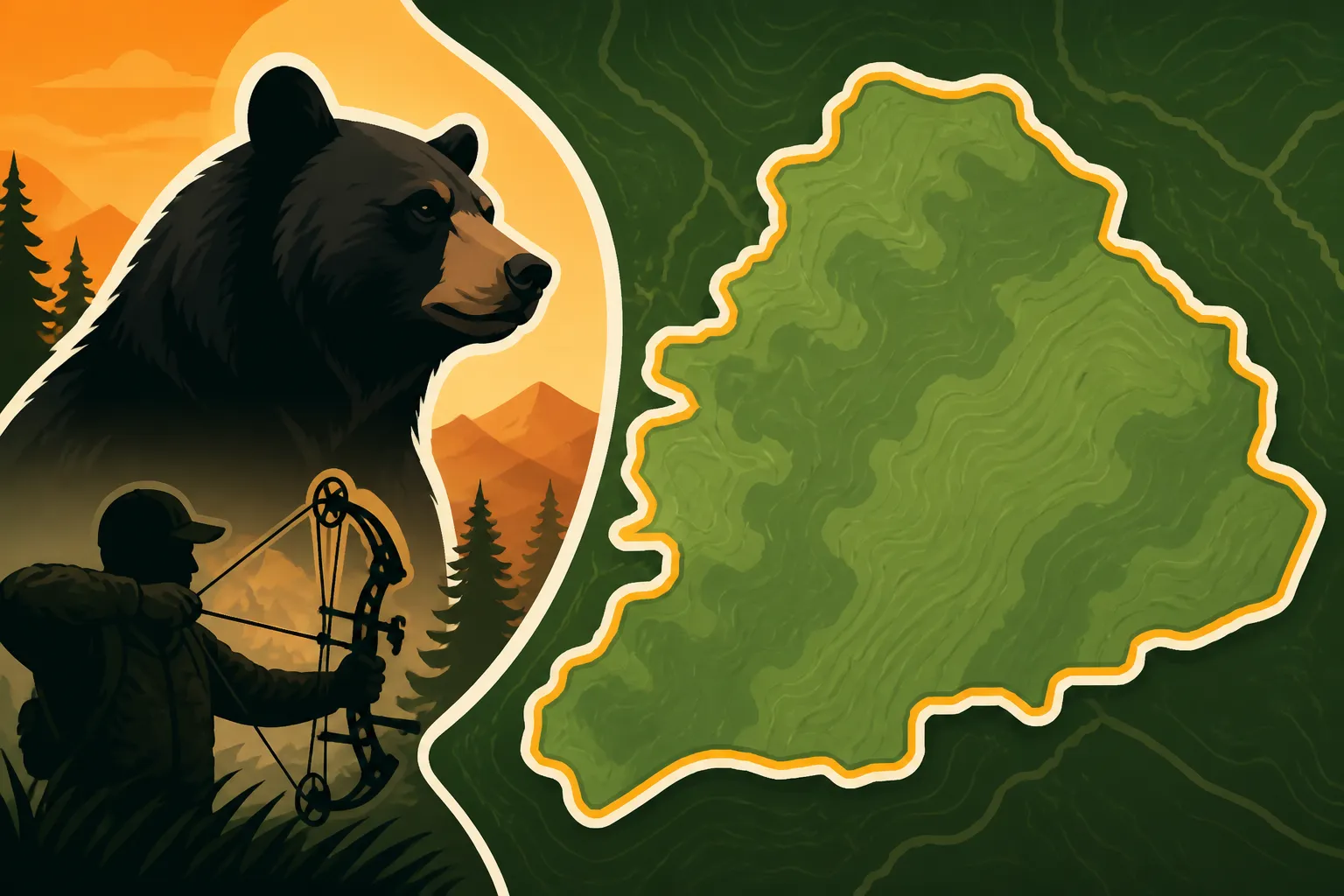
Now, let's zoom in on the specific boundaries of the South Cherokee Bear Reserve, which falls within the larger Bear Zone Three. This isn't just a general area; it's a precisely defined region with markers, roads, and waterways that delineate where certain rules apply. For a hunter, especially one using dogs, understanding these lines is critical.
Counties and Major Landmarks Defining the Reserve
The South Cherokee Bear Reserve encompasses significant portions of the Cherokee National Forest in the southern end of East Tennessee. Primarily, it's found within Polk, Monroe, and McMinn counties. However, its boundaries aren't simply county lines; they often follow natural features or established infrastructure.
For instance, the western boundary is often marked by the Hiwassee River and various county roads. To the south, it might be defined by the Tennessee-Georgia state line, particularly in the Cohutta Wilderness area. The eastern boundary often stretches towards the North Carolina state line along the Appalachian Mountains. To the north, the boundary can get a bit more intricate, often following major highways like US-64 or specific forest service roads and ridge lines. These aren't just invisible lines on a map; they are often identifiable landmarks you might encounter while scouting or hunting. When planning your hunt, a detailed map application like onX Hunt becomes invaluable for confirming your precise location relative to these boundaries. It overlays public land, private parcels, and often special management units directly on your phone, preventing any accidental crossings.
Understanding the specific roads, rivers, and ridge lines that form these boundaries is crucial. For example, knowing that the reserve might end at a certain paved road or where a named creek flows can save you a lot of headache and ensure you're hunting legally.
Navigating the Southern Section of Cherokee National Forest
Hunting in the South Cherokee Bear Reserve requires a good sense of direction and robust navigational tools. This isn't flat farmland where you can see for miles. The dense forest canopy, deep hollows, and winding trails can quickly disorient even experienced outdoorsmen. Many of the boundaries follow less-traveled forest service roads or even old logging roads that might not be prominently marked or maintained.
Hunters should always carry detailed topographic maps in conjunction with a GPS unit or a reliable mapping app. A tool like GoHunt can provide essential data layers, including public land boundaries, which is critical for staying within the legal hunting areas. I've heard too many stories of hunters accidentally crossing into a no-hunt zone or private land because they relied solely on their memory or a vague paper map. Always double-check your position, especially if you're venturing deep into the forest where cell service is non-existent. Finding Ground Others Walk Past might be a good read for how to use these tools to your advantage to locate less-pressured areas.
When you're pushing through thick rhododendron on a bear track, it's easy to lose track of your exact position. That's where a properly marked map on your device can be a lifesaver, clearly showing the reserve boundaries and preventing you from straying into areas where bear hunting might be restricted or prohibited.
Understanding Bear Sanctuary Designations
Within the broader South Cherokee Bear Reserve, there are also specific bear sanctuaries. These are even more restrictive areas where bear hunting is completely prohibited, regardless of the season. These sanctuaries serve as core breeding areas, providing a safe haven for bears to reproduce and for cubs to grow without hunting pressure. They are vital for the long-term health and expansion of the bear population throughout the state.
These sanctuaries are generally well-marked, but it's the hunter's responsibility to know their locations. They are often nestled deep within the National Forest, sometimes adjacent to areas open to hunting. It's not uncommon for a bear to move freely between a sanctuary and an open hunting zone, especially during feeding periods. Therefore, careful scouting and precise knowledge of these sanctuary boundaries are paramount. Hunting within a sanctuary, even accidentally, carries severe penalties. Always consult the latest TWRA hunting guide and cross-reference with your mapping software to identify any designated sanctuaries in your target area. This is where a little extra preparation can prevent a major problem.
Regulations and Hunter Responsibilities Within the Reserve
Hunting in the South Cherokee Bear Reserve isn't just about knowing the boundaries; it's also about understanding and adhering to the specific regulations that apply to this unique management zone. These rules are designed to balance hunting opportunity with conservation, often focusing on protecting younger bears and female bears with cubs to ensure population stability.
Special Season Dates and Bag Limits
Unlike other bear zones in Tennessee, the South Cherokee Bear Reserve (Bear Zone Three) typically has more conservative season dates and bag limits. The specific dates can vary year to year, but generally, the firearms season might be shorter, and the archery season might have unique restrictions. For example, there could be a restriction on harvesting bears under a certain weight, or a visual requirement to ensure cubs aren't separated from their sows. The bag limit is usually one bear per hunter per year within Bear Zone Three, but always verify this information with the most current TWRA regulations.
These specific rules are in place because the South Cherokee area is seen as a crucial breeding ground for bears in the state. The goal is to allow for sustainable harvest of mature bears while minimizing impacts on the reproductive success of the population. Ignoring these rules isn't just a minor infraction; it undermines the very conservation efforts that have led to Tennessee's healthy bear population. Before you even step foot in the woods, confirm the exact opening and closing dates for archery, muzzleloader, and gun seasons for Bear Zone Three, as well as any specific harvest criteria. Tennessee's Three Bear Hunting Zones provides a broader overview of these zones.
Rules for Hunting with Dogs in Bear Zone Three
Hunting bears with dogs is a deeply rooted tradition in many parts of the Southeast, and it is permitted in certain bear zones in Tennessee. However, the rules for "Running Hounds for Cherokee Forest Bears" within Bear Zone Three are often stricter than in Bear Zone One. While dog hunting may be allowed, there are often specific dates and areas where it's permitted, and usually, dog hunting is only allowed for a shorter period compared to still-hunting. There may also be restrictions on the number of dogs, how they are collared (GPS tracking is almost universal now), and how hunters are allowed to pursue the bear once it's treed or bayed.
It's critical for hound hunters to have an even more precise understanding of the reserve's boundaries and any internal sanctuary lines. Dogs don't read maps, and they will follow a scent wherever it leads, potentially taking them into prohibited areas. Hunters are ultimately responsible for their dogs' actions and for ensuring they don't pursue bears into closed areas. This requires constant communication, reliable GPS collars for all dogs, and a deep familiarity with the terrain. These regulations exist not to frustrate hunters, but to protect bears in sensitive areas and ensure the ethical and legal pursuit of game.
Required Permits and How to Obtain Them
Beyond your standard Tennessee hunting license and big game permits, there might be specific requirements for hunting bears, especially in designated zones like the South Cherokee Bear Reserve. While there isn't typically a separate "bear permit" specific to this one reserve, you absolutely need the appropriate state hunting license and the correct big game permits for bear. Ensure you have purchased all necessary licenses and stamps through the Go Outdoors Tennessee platform before heading out.
Furthermore, if you plan to hunt on any of the Wildlife Management Areas (WMAs) within or adjacent to the South Cherokee, you might also need a WMA permit or a specific permit for a quota hunt if one is offered. Always check the WMA-specific regulations, as they can sometimes be more restrictive than the general statewide or zone-specific rules. Having all your paperwork in order is not just about avoiding a fine; it's about showing respect for the wildlife and the rules that govern its conservation. Ensure you have physical copies or easily accessible digital proof of all your licenses and permits while afield.
Practical Strategies for Hunting the South Cherokee Bear Reserve
Hunting black bears in the rugged terrain of the South Cherokee Bear Reserve is a true test of a hunter's skill, endurance, and preparation. It's not a casual stroll through the woods; it's an immersive experience that demands a strategic approach to scouting, access, and safety.
Scouting Tactics for Steep, Mast-Heavy Areas
Effective scouting is the bedrock of a successful bear hunt in the South Cherokee. Bears are highly dependent on food sources, especially acorns, hickory nuts, and other hard mast, particularly in the fall. Focus your scouting efforts on areas with mature oak and hickory stands, especially those on south-facing slopes which might receive more sunlight and produce a better mast crop. Look for bear sign: scat (often full of berry seeds or nut casings), claw marks on trees (especially beech and cherry, or rub trees), overturned rocks and logs where they've been searching for insects, and well-worn trails leading to water sources or bedding areas.
Pay particular attention to elevation changes and natural funnels. Bears will often travel along benches or saddles on ridgelines, or use dense creek bottoms to move undetected. These areas can be prime spots for setting up a stand or planning an ambush. Using an app like onX Hunt can help you identify these topographical features from home, allowing you to narrow down your boots-on-the-ground scouting to the most promising areas. Remember that scouting isn't just about finding sign; it's about understanding why the sign is there and predicting bear movement patterns. Scouting Tennessee Public Land Before Season offers broader tips applicable to bears as well.
Access Points and Navigating the Backcountry
Accessing the prime bear habitat in the South Cherokee can be one of the biggest challenges. Many of the most productive areas are deep within the forest, far from paved roads. You'll often be relying on gravel forest service roads, old logging trails, or simply navigating through dense woods. Identifying legal parking areas and entry points is crucial. Many forest service roads might be gated or restricted to foot traffic only during certain times of the year, so check with the National Forest Service office in the area before you go.
Once you're off the main roads, expect to cover significant distances on foot. This means you need to be physically prepared and have the right gear, including sturdy hiking boots, a comfortable pack, and enough water and food for a full day (or more). Always inform someone of your hunting plans, including your route and expected return time. The backcountry in the Cherokee National Forest can be unforgiving, and getting lost or injured out there is a serious concern. Familiarize yourself with topographical maps and practice navigating without relying solely on electronic devices, as batteries can die and signals can be lost. Dragging a Deer Out of a Steep Hollow is a relevant read, as retrieving a bear from such terrain is an even more demanding task.
Safety Considerations and Emergency Preparedness
Hunting in rugged, remote bear country demands a high level of safety awareness. Beyond the standard hunting safety rules (like knowing your target and what's beyond it), specific considerations apply to bear hunting. Always carry bear spray, even if you are hunting with a firearm. It's a non-lethal deterrent that can de-escalate a close encounter quickly, especially with a surprised bear or a sow with cubs. While black bears are generally shy, cornering one or surprising it can lead to defensive behavior.
Furthermore, remote areas mean help is often hours away. A comprehensive first-aid kit is essential, along with the knowledge of how to use it. Carry a whistle for signaling, a headlamp with extra batteries, and an emergency shelter (even if it's just a lightweight tarp). A personal locator beacon (PLB) or satellite messenger device can literally be a lifesaver for communicating in areas without cell service. Hunting in pairs or small groups is also a wise strategy for safety, as you can assist each other in an emergency. The South Cherokee is beautiful, but it demands respect and thorough preparation. First Aid Kits for Remote Cherokee Forest Ground has excellent advice for this environment.
The Future of Bear Management in South Cherokee
The black bear population in Tennessee is a conservation success story, and the South Cherokee Bear Reserve plays a vital role in that narrative. However, successful management is an ongoing process, continually adapting to new challenges and information. Understanding the broader context of conservation and hunter ethics helps ensure the long-term health of this incredible resource.
Conservation Challenges and Success Stories
Historically, black bears were nearly extirpated from Tennessee. Through decades of careful management, habitat protection, and regulated hunting, their numbers have rebounded impressively. The Cherokee National Forest, including the South Cherokee area, has been central to this recovery, providing vast tracts of suitable habitat. However, challenges persist. Habitat fragmentation due to development, human-bear conflicts in interface areas, and the potential impacts of climate change on mast crops are all ongoing concerns.
The TWRA, in collaboration with the U.S. Forest Service and other conservation partners, continuously monitors bear populations, habitat health, and harvest data to make informed management decisions. The existence of specific bear zones and sanctuaries, along with varied season structures, demonstrates a flexible approach to conservation. The success we see today is a testament to these efforts, proving that regulated hunting can be a powerful tool for conservation, providing both funding and motivated stewards of the land.
Hunter Impact and Ethical Considerations
Hunters are an integral part of bear management in Tennessee. Through license and permit fees, hunters directly contribute funds that support bear research, habitat improvement, and enforcement. Beyond financial contributions, ethical hunters play a crucial role by adhering to regulations, practicing fair chase, and reporting observations to wildlife agencies. The decisions made by individual hunters in the field have a collective impact on the bear population.
Ethical considerations in bear hunting extend beyond legal compliance. It involves ensuring clean, humane kills, making every effort to recover harvested animals, and respecting the wild character of the species. For hunters in the South Cherokee Bear Reserve, this also means being particularly mindful of the conservative regulations designed to protect breeding bears and cubs. It's about being an ambassador for hunting and conservation, ensuring that future generations have the opportunity to pursue black bears in the rugged beauty of the Cherokee National Forest.
Staying Informed About Changes in Regulations
Wildlife management is not static; it's a dynamic field that responds to new data, population trends, and environmental changes. Therefore, the regulations governing bear hunting in the South Cherokee Bear Reserve, including season dates, bag limits, and boundary specifics, can change from year to year. Relying on outdated information is a recipe for trouble.
It is every hunter's responsibility to stay informed. Always consult the most current Tennessee Hunting & Trapping Guide published by the TWRA before each season. These guides are available online through the Go Outdoors Tennessee website and at license vendors. Pay close attention to any public notices or news releases from the TWRA regarding bear season, as amendments can sometimes be made even during the season in response to unforeseen circumstances. Attending public meetings or engaging with local wildlife officers can also provide valuable insights and keep you abreast of any proposed changes. Being a well-informed hunter is the best way to ensure a legal, safe, and successful hunt in the South Cherokee. Tennessee Bear Checking Requirements and Reporting a Tennessee Deer Harvest Online are examples of administrative tasks that underscore the importance of staying informed.
Disclaimer
This article is for general informational purposes only and does not constitute professional advice. Laws, prices and regulations vary by location and change over time. Consult a qualified professional for guidance on your specific situation.