Getting Private Land Permission in Tennessee
For many hunters in Tennessee, the dream of having a consistent, low-pressure place to chase whitetails or spring gobblers is tied directly to private land. The thought of knocking on a stranger's door to ask for access can be intimidating, leading many to stick to crowded public lands. This guide aims to demystify the process of gaining private land hunting permission in Tennessee, offering practical advice, legal insights, and strategies to build lasting relationships with landowners.
Understanding the Landscape of Private Land Hunting in Tennessee
Let's face it, public land in Tennessee, while plentiful in some areas, can often feel like a free-for-all, especially during peak seasons. That's where private land shines, offering a different kind of hunting experience that many of us yearn for.
Why Private Land is Often Preferred
There's a reason why so many hunters dream of private land access: opportunity. On private tracts, you typically find significantly less hunting pressure. This reduced pressure can lead to deer that behave more naturally, are less wary, and are more likely to stick to predictable patterns. Imagine finding a mature buck's core area and knowing that you're one of the only hunters, or perhaps the only hunter, pursuing him. This lack of competition allows for more strategic scouting, quieter hunts, and often, higher quality game. It's not just about bigger antlers; it's about a more peaceful, personal connection to the hunt.
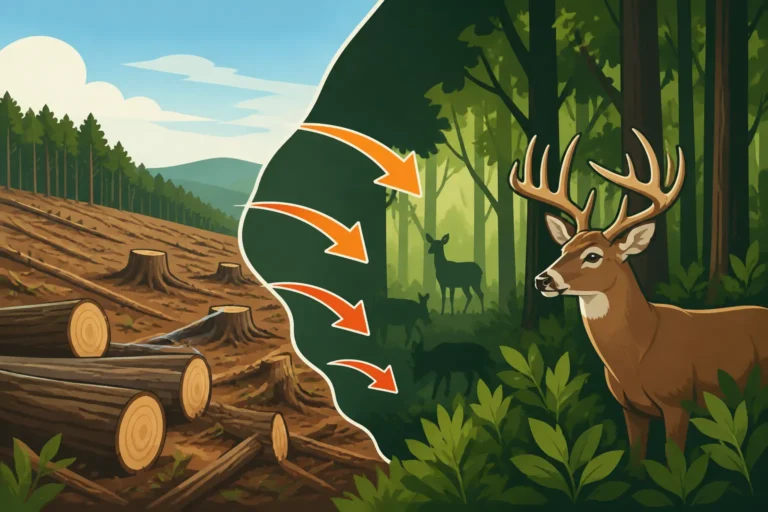
Furthermore, private land often offers a wider variety of habitat types, from meticulously managed food plots to untouched hardwoods, sometimes within a smaller, more accessible footprint than vast public tracts. Landowners might also be more willing to allow specific management practices, like planting certain crops or selective timber harvests, that directly benefit wildlife. This control over habitat and hunting pressure is a game-changer for serious hunters looking to maximize their success and enjoyment.
The Reality of Limited Public Land Access
While Tennessee boasts impressive amounts of public land, including the expansive Cherokee National Forest and numerous Wildlife Management Areas (WMAs), the reality for many hunters is that these areas come with challenges. Often, public lands are far from home, requiring significant travel time and expense. More critically, they can be incredibly crowded, particularly during opening weekends of deer and turkey seasons. This high Hunting Pressure on Tennessee Public Land can scatter game, make scouting difficult, and create a less-than-ideal hunting experience where you're constantly aware of other hunters' presence.
Consider the effort involved in scouting a large WMA, only to find three other trucks parked near your intended entry point on opening morning. It's disheartening and can drastically reduce your chances of success. While public land offers invaluable opportunities, especially for those without other options, it often requires a different, more resilient approach to hunting. For many, the desire for a quieter, more controlled hunting environment drives the pursuit of private land access.
Types of Private Land to Target
When you're thinking about asking for permission, not all private land is created equal. Understanding the different types of property can help you tailor your approach and increase your chances of success.
Agricultural properties, like cattle farms, row crop fields (corn, soybeans, wheat), and even hayfields, are prime candidates. Farmers often deal with deer and turkey eating their crops, and they might welcome a responsible hunter who can help manage game populations. Plus, these properties often have woodlots, creek bottoms, and fencerows that provide excellent cover and travel corridors for wildlife. Think about asking landowners with standing cornfields or cut bean fields – these are natural drawcards for deer, especially in the late season. Hunting a Standing Cornfield in Farm Country can be incredibly productive, but access is key.
Timber tracts, whether actively managed or untouched, also offer fantastic hunting. These properties often hold substantial acreage and provide dense cover, diverse mast crops, and good bedding areas. Landowners might be looking for help managing timber health or controlling certain species. Even smaller, odd-shaped woodlots adjacent to suburban areas can be incredibly productive, especially if they provide a sanctuary near residential zones. Don't overlook these smaller, often overlooked parcels. These can be goldmines for deer moving between suburban food sources and thicker cover.
Legal Framework: Tennessee Trespass and Permission Law
Navigating the legalities of private land access in Tennessee is paramount. Ignorance of the law is never an excuse, and a misunderstanding can lead to serious consequences, not to mention permanently souring relationships with landowners.
Understanding "Posted" Versus Unposted Land
Tennessee's trespass laws are clear, and it’s critical for hunters to understand them. In our state, any land that is "posted" strictly prohibits entry without the landowner's express permission. What constitutes "posted" land? It means the property has signs, notices, or even purple paint marks on trees or posts that are reasonably visible to indicate that entry is forbidden. These signs don't have to be massive; they just need to be clear enough to convey the message. Tennessee Posted Land Rules are designed to protect private property rights.
Even if land isn't explicitly posted with signs or purple paint, it doesn't automatically mean you have free rein. While there may not be criminal trespass without posting for certain activities, it's always best practice to assume that land is private and requires permission. The safest and most ethical approach is to always seek explicit permission before stepping foot on any private property, regardless of whether you see signs. This simple act respects the landowner's rights and avoids potential legal headaches down the road.
The Importance of Express Permission
In Tennessee, "express permission" is the golden standard. This means the landowner has given you clear, direct permission to be on their property for a specific purpose, like hunting. This permission can be verbal, but for your protection and clarity, having it in writing is always the best option. A simple note with the landowner's signature, the dates you're allowed to hunt, and the activities permitted can prevent misunderstandings. Think about it: a verbal agreement can be forgotten, misinterpreted, or even denied if a situation arises.
The law differentiates between express permission and implied permission. Implied permission might be assumed if, for example, a property historically had no fences and allowed public access, but relying on this is risky. A new owner or a change of heart could suddenly make you a trespasser. Always aim for direct, clear, and ideally, documented permission. This is especially true when it comes to hunting, an activity that carries significant responsibility. Many hunters ask, Do You Need Written Permission in Tennessee?, and while often verbal is legally sufficient for casual entry, for hunting, written is highly recommended to protect both parties.
Retrieving Game From Private Land Without Permission
This is one of the trickiest and most emotional situations a hunter can face: you've made a great shot on a deer or turkey, but the animal crosses onto neighboring private property where you don't have permission. Your instinct is to pursue, but legally, you cannot. In Tennessee, pursuing wounded game onto private land without the landowner's permission is still trespassing. This can be incredibly frustrating, but it's a hard line.
Before you ever hunt near a property line, it's smart to try and establish a relationship with adjacent landowners. Explain that you might have a deer cross over and ask what their policy is. Some might be understanding and allow you to retrieve it, especially if you offer to show them where it went and comply with their conditions. Others might say an absolute no. If you find yourself in this situation without prior permission, your only legal recourse is to contact the landowner and ask for permission to retrieve your game. If you can't reach them, or they deny permission, you might need to involve a TWRA officer who can sometimes assist in mediating the situation, but even they cannot force a landowner to grant access. This highlights the importance of asking for permission on all neighboring tracts, not just the one you intend to hunt. For more specific guidance, look into Retrieving Game From Private Land in Tennessee.
The Art of Asking: How to Approach Landowners
Asking for hunting permission can feel like a daunting task, but it's an essential skill for any hunter serious about expanding their opportunities beyond public land. It’s all about respect, preparation, and presentation.
The Initial Contact: First Impressions Matter
When you approach a landowner, remember that you are essentially interviewing for a privilege. Your first impression is absolutely critical. Think about how you would want someone to approach you if they were asking for a favor. Dress neatly and conservatively – no camouflage or bloody hunting clothes, please. A clean pair of jeans and a collared shirt sends a message of respect. Avoid showing up unannounced with a gun or bow; that’s far too aggressive.
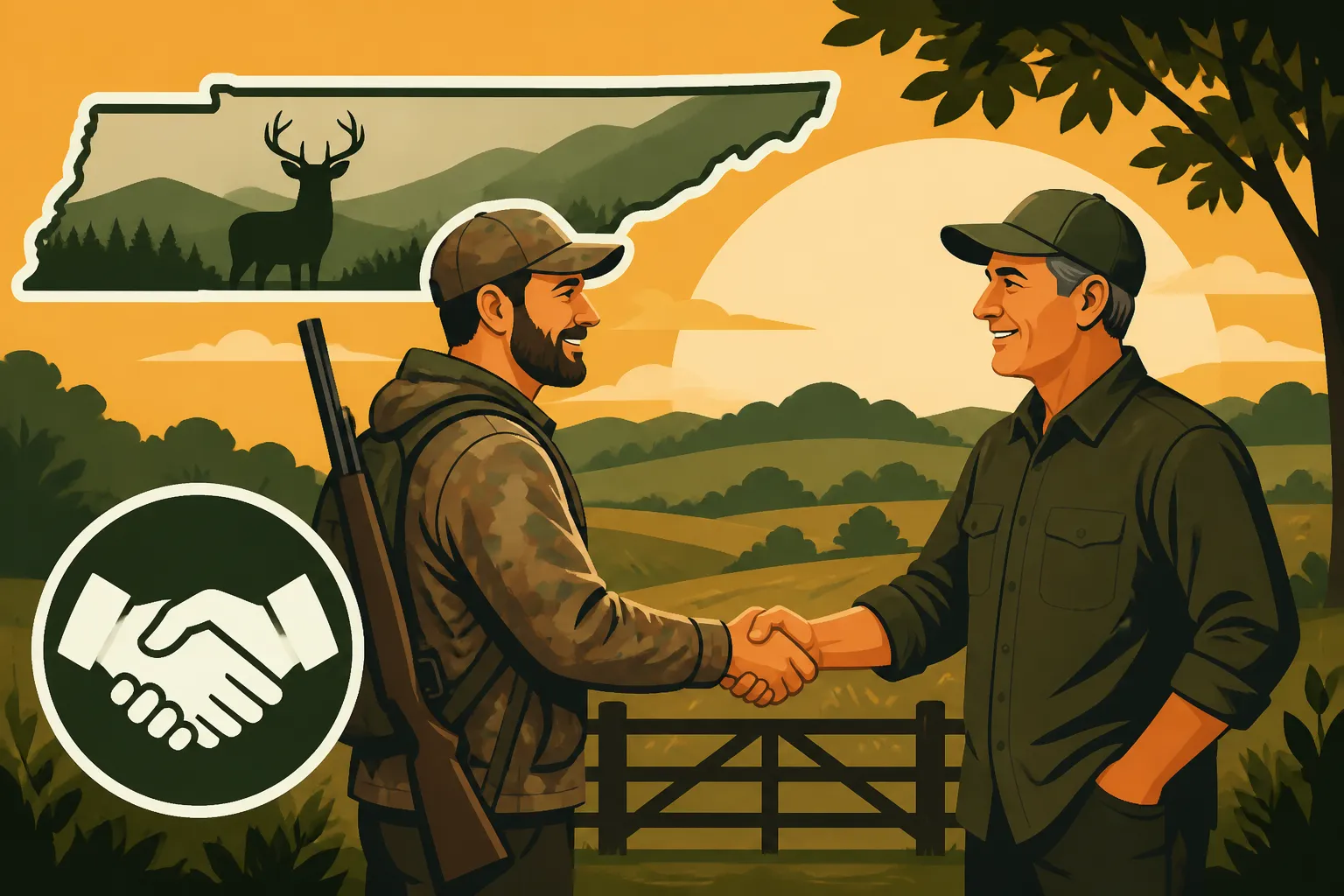
Timing is also key. Don't show up during dinner, late in the evening, or when they're obviously busy with farm work. Weekday afternoons or a Saturday morning might be better. Introduce yourself politely, state your purpose clearly, and be prepared to answer questions. Maintain eye contact, speak clearly, and be genuinely friendly. Remember, you're building a relationship, not just trying to get a signature. If they seem busy or unwilling to talk, thank them for their time and offer to come back another day or leave your contact information.
Crafting Your Pitch: What to Say and How to Say It
Once you have the landowner's attention, your "pitch" needs to be concise, respectful, and highlight how you can be a beneficial presence, not just someone taking from their land. Start by explaining who you are and where you're from. Then, articulate why you're interested in their specific property – maybe you've noticed good deer sign, or you're concerned about Hog Hunting Tennessee's Wild Boar impacting their crops.
Be specific about what you want to hunt (deer, turkey, small game) and during what seasons. Reassure them of your commitment to safety, ethical hunting practices, and respect for their property. Offer to provide references if you have them, perhaps from other landowners you've hunted for, or even local community members. Emphasize that you are a responsible, mature individual who values their property. Mentioning specific ways you can help, even beyond hunting, can go a long way. For example, offering to help with pest control, like Coyote Calling in Tennessee Farm Country, can be a huge bonus for landowners. This often helps address a real problem for farmers and can secure you access for deer or turkey season. This initial conversation is crucial. Asking a Tennessee Farmer for Permission isn't just a transaction; it's the start of a potential partnership.
What to Offer in Return
Many hunters make the mistake of only asking for access without thinking about what they can offer in return. Landowners are often overwhelmed with responsibilities, and any help you can provide can be a powerful incentive. Offering to help with chores is a fantastic gesture. This could mean mending fences, clearing brush, helping with small repairs, or even assisting during planting or harvest season if you have the skills. Even something as simple as offering to pick up trash you find on the property can demonstrate your commitment to keeping their land tidy.
Another common offering is to share some of your harvest. Venison or wild turkey meat is a valuable commodity, and many landowners appreciate the fresh, healthy food. If they have issues with nuisance animals, offering to help control populations of coyotes, groundhogs, or wild hogs can be a significant benefit to their farming operations. Be creative and genuinely think about what kind of assistance might be valuable to them. Remember, it's about building a reciprocal relationship where both parties benefit. This isn't just a one-time request; it’s an ongoing exchange of goodwill.
Building Relationships: Beyond the First Ask
Securing private land permission is just the first step. The real art lies in cultivating and maintaining those relationships year after year. A good relationship with a landowner can provide you with hunting access for decades, making it a truly invaluable asset.
Proving Yourself a Trustworthy Hunter
Once you've been granted permission, your actions on the property speak volumes. Every time you step onto their land, you are on an audition. Always follow all agreed-upon rules meticulously. If you said you'd only hunt deer, don't suddenly decide to squirrel hunt. If you promised to park in a specific spot, stick to it. Close all gates, avoid driving through wet fields, and be mindful of livestock. If you notice a fence down or something amiss, report it to the landowner immediately.
Communication is key. If your plans change, or if you decide not to hunt on a particular day you said you would, let them know. Never bring additional hunters onto the property without explicit permission for each individual. Leave no trace of your presence – no trash, no spent shells, no signs of disturbance. The goal is for the landowner to barely know you were there, except for the deer you might have removed or the polite thank you notes you leave. By consistently demonstrating respect and responsibility, you build trust, which is the foundation of any long-term hunting relationship.
Ongoing Communication and Reciprocity
The relationship doesn't end when hunting season does. Staying in touch throughout the year, even just with a quick check-in call or text, shows you value them beyond their land's hunting potential. A simple "thinking of you" card during the holidays, or a small gift, can go a long way. This could be a gift basket, a homemade pie, or even a gift card to a local hardware store. It doesn't have to be expensive; the thought genuinely counts.
Continue to offer help with chores or farm tasks. Even if they don't take you up on it every time, the offer reinforces your willingness to contribute. If you're successful, sharing some of your harvest is a fantastic way to show gratitude. A package of venison steaks or a wild turkey breast can cement the relationship. Remember to send photos of your successful hunts, especially if it was an animal causing them agricultural damage. These gestures build a bond that transforms a hunting permission into a friendship, ensuring access for years to come.
Handling Challenges and Misunderstandings Gracefully
No relationship is without its bumps, and landowner-hunter relationships are no exception. There might be a misunderstanding about a boundary, a perceived breach of trust, or a change in the landowner's personal situation. When challenges arise, address them immediately, calmly, and respectfully. Avoid getting defensive. Listen carefully to their concerns and validate their feelings.
If you made a mistake, own it and apologize sincerely. Propose solutions or corrective actions. For example, if you accidentally left a gate open, apologize, explain what happened, and assure them it won't happen again. Be flexible and adaptable to their changing needs. If they suddenly need an area cleared of hunters for a family event, accommodate their request without complaint. Your ability to handle adversity with grace and understanding reinforces your character and strengthens the long-term viability of your hunting access.
Leveraging Technology for Private Land Access
In today's digital age, technology has become an invaluable tool for hunters seeking private land access. Gone are the days of aimlessly driving roads hoping to spot a mailbox. Now, with a few clicks, you can gather crucial information before ever knocking on a door.
Using Mapping Apps to Identify Landowners
Modern hunting apps have revolutionized the way we approach private land. Applications like onX Hunt and GoHunt are incredibly powerful for identifying property boundaries and, crucially, landowner information. These apps layer publicly available parcel data onto satellite imagery and topographic maps. This means you can be standing on a public land boundary, look at your phone, and see exactly where the private land begins, who owns it, and often, their mailing address. This is a game-changer for respectful outreach.
Before you even leave your couch, you can use these apps to scout potential areas, identify promising habitat on private tracts, and then pinpoint the exact property owner. This allows you to research their names, find their contact information, and send a polite letter or make a well-informed approach. It prevents awkward encounters where you're unsure if you're even on the right property. Knowing exactly who owns the land you're interested in is the first, most important step in Finding Tennessee Property Lines and securing permission.
Researching Landowner Contact Information
Once you've identified a property and its owner through a mapping app or county records, the next step is to find their contact information. Many county assessor's offices have online databases where you can search by parcel number or owner name to find mailing addresses. This allows you to send a thoughtful, personalized letter of introduction. A well-written letter can be less intrusive than an unannounced visit and gives the landowner time to consider your request.
Beyond county records, local phone books or online white pages (if available and current) can sometimes provide phone numbers. However, exercise caution and respect privacy when trying to obtain direct contact information. Always prioritize a respectful approach. If you can't find a direct phone number, a well-crafted letter is often the best initial contact. In your letter, explain your intentions clearly, reiterate your commitment to safety and respect, and provide your own contact information for them to reach out at their convenience.
Digital Permission Management
Once you've secured permission, consider digital methods for managing and confirming it. While a handshake is traditional, having a written or digital record can prevent misunderstandings. A simple email exchange confirming the terms of your permission (dates, allowed activities, specific areas of the property) can serve as a valuable record for both parties.
Some hunting apps also offer features where you can mark your allowed hunting areas directly on the map, and even share this information with the landowner for clarity. This can be especially useful for larger properties or when you have access to specific sections of a farm. It provides a visual representation of what was agreed upon, reducing the chance of accidental trespass or confusion. For example, if a landowner allows you to hunt the back forty but not near their house, clearly marking this on a digital map through an app like onX Hunt can prevent problems.
Common Challenges and How to Overcome Them
Asking for private land permission is rarely a cakewalk. You're bound to face rejection, skepticism, and competition. But with persistence and a strategic mindset, you can navigate these challenges.
Dealing with Repeated Rejections
Let's be realistic: you are going to hear "no" more often than "yes." This isn't personal; it's simply the nature of the game. Landowners have valid reasons for declining permission – they might already have hunters, concerns about liability, past negative experiences, or simply prefer to keep their property private. Don't let rejection discourage you. Every "no" brings you closer to a "yes."
Approach each potential interaction as a learning experience. After a rejection, politely thank the landowner for their time. Think about what you could do differently next time. Was your pitch clear enough? Did you offer enough value? Did you pick the right time to ask? It's a numbers game, and refining your approach with each attempt will improve your odds. Remember, the goal isn't to convince everyone, but to find the few who are willing to open their gates to a responsible hunter.
Navigating "No Trespassing" Signs
Seeing "No Trespassing" signs can be intimidating, and for good reason. They are a clear legal warning. However, these signs don't always mean "never," but often mean "don't enter without permission." Many landowners post their property simply to protect themselves from liability or to prevent casual, uninvited entry. It doesn't necessarily mean they are anti-hunting or unwilling to grant permission to a responsible individual.
When approaching a landowner whose property is posted, acknowledge the signs upfront. "Mr./Ms. [Last Name], I saw your 'No Trespassing' signs, and I completely respect your desire for privacy and security. That's why I wanted to speak with you directly and politely ask for permission…" This shows respect for their boundaries and differentiates you from someone who might disregard the signs. Your sincere approach and willingness to respect their rules can often overcome the initial barrier presented by a "No Trespassing" sign.
Competition from Other Hunters
If a property has good hunting potential, it's likely other hunters have already asked for access, or perhaps even have it. This competition can make it harder to stand out. To overcome this, you need to offer something unique or a better value proposition than the next person.
This could mean offering to hunt specific nuisance animals (coyotes, hogs) that others aren't targeting. It might be your commitment to wildlife management, offering to help with habitat improvement. Or it could simply be your exceptional reliability and trustworthiness, demonstrated through glowing references. Sometimes, it's about targeting smaller, less obvious tracts that other hunters might overlook. For example, a small woodlot bordering a suburban area might not scream "trophy buck," but it could hold a consistent population of deer that are less pressured. Emphasize your unique skills, dedication, and how you can be a partner in managing their property, not just a taker.
Maintaining Access: Being a Responsible Hunter
Gaining permission is an achievement, but maintaining it is an ongoing commitment. The best way to ensure continued access, year after year, is to consistently be the most responsible, respectful, and helpful hunter a landowner could ask for.
Respecting the Land and Its Resources
This might seem obvious, but it's often where hunters fall short. Respect for the land means treating it as if it were your own, or even better. Close all gates, every single time, without fail. Driving past livestock should be done slowly and carefully. Avoid driving through crops or leaving ruts in fields, especially when wet. If you have permission to drive on trails, stick to them and don't create new paths. Any fences you encounter should be treated with extreme care; never damage them.
It also means respecting the natural resources. Don't litter, and consider packing out any trash you find, even if it's not yours. Be mindful of potential fire hazards, especially during dry seasons. Leaving the property in the same or better condition than you found it is a testament to your character and value as a hunter. This level of care demonstrates to the landowner that you are a steward of their land, not just a user.
Following All Rules and Regulations
Beyond the landowner's specific requests, you must, of course, adhere to all Tennessee state hunting laws and regulations. This includes having the correct Tennessee Hunting Licenses and What They Cost, following bag limits, season dates, and legal methods of take. Any violation of game laws on a landowner's property reflects poorly on them and could lead to them losing trust in you, and potentially all hunters.
Furthermore, ensure you understand and follow any local ordinances that might apply, such as setback rules for shooting near residences. If the landowner has specific rules (e.g., no hunting near certain buildings, only hunting from a treestand, no driving after dark), adhere to them strictly. These rules are non-negotiable. If you're unsure about a rule, ask for clarification. It's always better to ask a "dumb" question than to make a costly mistake. Being meticulously compliant with both state law and landowner rules solidifies your reputation as a responsible and ethical hunter.
Leaving It Better Than You Found It
This is the ultimate goal and a powerful way to secure long-term access. Don't just leave no trace; actively aim to improve the property where you can. Did you notice some downed tree limbs blocking a trail? Clear them. Is there a piece of old farm equipment rusting in the woods? Offer to help remove it. Did you see a few stray fence posts that could be used? Point them out.
Beyond physical improvements, you can also leave the landowner with peace of mind. Provide regular updates on game populations, report any unusual activity you observe, and simply check in from time to time. A hunter who actively contributes to the well-being of the property, rather than just taking from it, becomes an indispensable asset. This proactive approach builds an invaluable relationship that extends far beyond the hunting seasons. It’s about becoming a trusted friend and steward, ensuring that the privilege of hunting private land in Tennessee is one you’ll enjoy for many years to come.
Comparison of Posted vs. Unposted Land in Tennessee
Understanding the legal implications of posted versus unposted land is crucial for any hunter seeking private land access in Tennessee. Here's a quick comparison:
| Feature | Posted Land | Unposted Land |
|---|---|---|
| Legal Definition | Explicitly marked by signs, notices, or purple paint, clearly indicating no entry without permission. | No explicit signs or markings to prohibit entry. |
| Trespass (Criminal) | Entering without permission is always criminal trespass. | Entering for certain activities (e.g., hunting, fishing, trapping) without permission is still criminal trespass. |
| Trespass (Civil) | Landowner can pursue civil damages for unauthorized entry. | Landowner can pursue civil damages for unauthorized entry. |
| Permission Needed? | ABSOLUTELY ESSENTIAL. Verbal or written. | ABSOLUTELY ESSENTIAL for hunting, fishing, trapping. Highly recommended for any entry. |
| Assumption of Access | Never assume access. | Never assume access for hunting. Default to needing permission. |
| Liability for Hunter | Higher risk of legal action if permission is not explicit. | Still a risk without explicit permission. |
| Best Practice for Hunter | Always contact landowner and obtain clear permission (preferably written). | Always contact landowner and obtain clear permission (preferably written). |
Disclaimer
This article is for general informational purposes only and does not constitute professional advice. Laws, prices and regulations vary by location and change over time. Consult a qualified professional for guidance on your specific situation.