Tennessee’s Gun Deer Season Into January
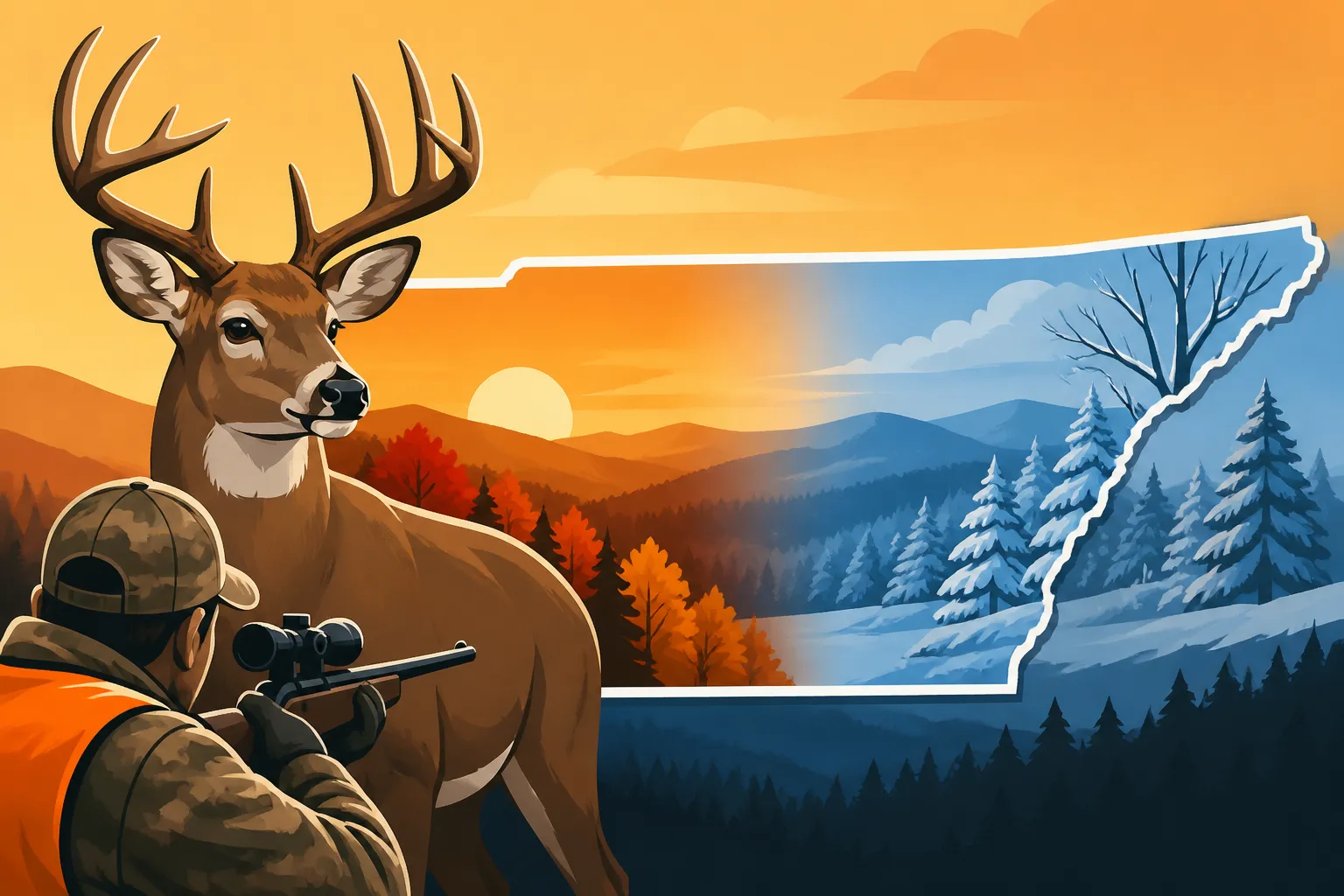
As the calendar flips from December to January, many deer hunters feel a familiar mix of anticipation and trepidation. The holidays are over, the rut is a distant memory, and the woods often feel quiet, cold, and a bit empty. If you've ever felt like deer vanish once the new year hits, especially with Tennessee's gun season extending into January in some areas, you're not alone. This comprehensive guide is designed to equip you with the knowledge and tactics needed to successfully navigate the tail end of deer season, turning those challenging late-season hunts into rewarding experiences.
Understanding the Late Season Shift in Tennessee
The deer you're hunting in January aren't the same animals that were chasing does around in November. The entire landscape, from their biological needs to their behavioral patterns, undergoes a significant transformation. Ignoring these changes is often the quickest path to an empty stand and a cold ride home.
The Psychological and Biological Impact on Deer
By the time January rolls around, deer in Tennessee have endured months of hunting pressure. They've heard countless gunshots, smelled human scent, and have likely had close calls. This makes them incredibly wary, often moving mostly at night or sticking to the thickest cover during daylight hours. Their primary instinct has shifted from breeding to pure survival. They're focused on conserving energy, finding reliable food sources, and seeking out the best available thermal cover to withstand the colder temperatures. The bucks, especially, are recovering from the rigors of the rut. They've lost significant body weight, and their testosterone levels have dropped dramatically. This means the classic rattling and grunting tactics that worked wonders in early November are far less effective, and often, completely useless. You're now hunting a much more skittish, reclusive animal whose priorities are shelter and sustenance, not procreation.
Key Differences from Early Season Hunting
Forget the frenzied rut activity; that show is over. Early season hunting often revolves around scrapes, rubs, and active travel corridors as bucks search for does. In January, you won't find nearly as much of that sign, and if you do, it's likely old. The deer movement patterns have changed from widespread wandering to more focused, purpose-driven travel between bedding and feeding areas. The weather also plays a far more critical role. A sudden cold front or a light snowfall can drastically alter deer movement, often concentrating them around specific food sources or in dense thermal cover. Unlike the relatively mild archery season where deer might move throughout the day, late-season deer often exhibit more defined crepuscular movement patterns, meaning they're most active right at dawn and dusk. Understanding How Tennessee's Deer Season Runs Archery to January means recognizing that each phase demands a different approach, and January is perhaps the most demanding of all. It's a time for patience, precision, and an intimate understanding of a deer's most basic needs.
Navigating Tennessee's January Gun Season Regulations
Tennessee's deer season is lengthy, which is fantastic, but it also means understanding the specific regulations that apply to the tail end of the season, especially as gun hunting extends into the new year. Misinterpreting a date or a DMU boundary can turn a successful hunt into a legal headache.
Key Dates and DMU Specifics
It’s absolutely crucial to remember that not all Deer Management Units (DMUs) in Tennessee allow gun hunting into January. Some areas close well before the new year, while others, particularly in West and Middle Tennessee, extend the gun season into the first week or two of January. Always consult the current Tennessee Wildlife Resources Agency (TWRA) hunting guide for the exact closing dates for your specific DMU. For instance, many counties in DMU 1 and 2, which cover much of West Tennessee and parts of the Highland Rim, often have gun seasons that continue past January 1st. In these areas, antlerless harvest opportunities might also remain open, offering hunters a chance to fill their freezer. However, other DMUs, particularly in East Tennessee, typically close their gun seasons much earlier. This means that your late-season strategy needs to be highly location-specific. You can't just assume the rules for one county apply to another, especially in the CWD zone where regulations might be even more localized.
Blaze Orange and Other Safety Requirements
During any gun season in Tennessee, safety is paramount, and wearing blaze orange is not just a recommendation—it's the law. All hunters, whether on public or private land, are required to wear at least 500 square inches of blaze orange (or pink) on their head, chest, and back during the gun-deer season. This applies even if you're not actively hunting deer but are out in the woods during the season. This is especially critical in January when leaf cover is minimal, and visibility can be high, but so can hunter numbers on popular public lands. Beyond blaze orange, cold-weather safety is a major concern. Hypothermia is a real danger. Always tell someone where you are going and when you expect to return. Pack emergency supplies like a fire starter, extra layers, and high-energy snacks. Even if you're hunting private land, you're sharing the woods with others, and visibility from a distance is key. Don't compromise on safety, it's not worth it.
Mastering Late-Season Food Sources
When the temperatures drop and the landscape becomes barren, a deer's survival hinges on finding consistent and nutritious food. The abundant acorns and lush green fields of early autumn are long gone, meaning hunters need to shift their focus to the less obvious, but equally vital, late-season sustenance.
Identifying Primary Winter Forages
By January, the mast crop of acorns is largely depleted, either eaten by wildlife or rotted away. Deer will still root around for any remaining nuts, especially white oaks, but their diet becomes much more reliant on browse and persistent green vegetation. Look for honeysuckle, greenbrier, and certain evergreen plants that provide nutrition when deciduous trees are bare. In agricultural areas, deer will hit anything still standing or recently harvested, seeking out leftover grains. Browsing woody stems like sumac, maple, and saplings is also common as they try to intake whatever energy they can. Don't overlook creek bottoms or south-facing slopes, as these areas often hold residual greenery that stays palatable longer. Understanding Late-Season Food Sources for Tennessee Whitetails is about recognizing that deer aren't picky when they're hungry and cold, but they will gravitate towards the most efficient energy sources available.
Hunting Agricultural Fields and Food Plots
For many hunters, especially in the more agrarian parts of Tennessee like West Tennessee and sections of the Highland Rim, agricultural fields become magnets for deer in January. Standing corn or soybean fields that haven't been completely harvested offer incredible cover and a consistent food source. Deer will spend significant time bedding down right within these fields. If a farmer has cut fields, deer will still come in to glean any dropped grains. Similarly, strategically planted food plots designed for late-season attraction are invaluable. Brassicas, winter wheat, and oats provide a crucial green food source when everything else is dormant. When hunting these areas, focus on the edges where deer enter and exit the cover of the woods or the field itself. Look for pinch points, fence crossings, or dense brush lines that deer use for concealment as they transition. Often, the best stand locations are not in the field, but 20-50 yards back in the timber, along a well-used trail that leads directly to the food. Pay close attention to wind direction and your entry and exit routes to avoid blowing your scent into these high-traffic feeding zones. Tools like GoHunt can be incredibly useful for analyzing aerial photos to identify these hidden travel routes and potential bedding areas adjacent to prime food sources.
Here's a quick look at some common late-season food sources:
| Food Source | Availability (January) | Deer Usage | Best Hunting Strategy | Notes |
|---|---|---|---|---|
| Standing Crops | High | Shelter, consistent high-energy food (corn, beans) | Ambush points on entry/exit trails, field edges | Critical in agricultural areas. |
| Browse | High | Woody stems (sumac, maple), greenbrier, honeysuckle | Areas with thick undergrowth, clear-cuts | Deer will eat almost anything green for sustenance. |
| Winter Food Plots | High | High-protein greens (brassicas, clover, wheat) | Stand over plot, or on trails leading to it | Provides essential nutrition when natural forage is scarce. |
| Hard Mast | Low | Leftover acorns (especially white oaks) | Creek bottoms, south-facing slopes, persistent oak stands | Deer will still search, but supplies are minimal. |
| Evergreen Plants | Moderate | Cedar, privet, some laurels | Dense thickets, bedding areas | Offers both food and critical thermal cover. |
Locating and Utilizing Thermal Cover
In the cold grip of January, thermal cover becomes as important as food. Deer, particularly after the energy expenditure of the rut and continuous hunting pressure, prioritize staying warm and conserving calories. Finding where they choose to bed down can be the key to intercepting them during their limited daylight movements.
Understanding Deer Bedding in Cold Weather
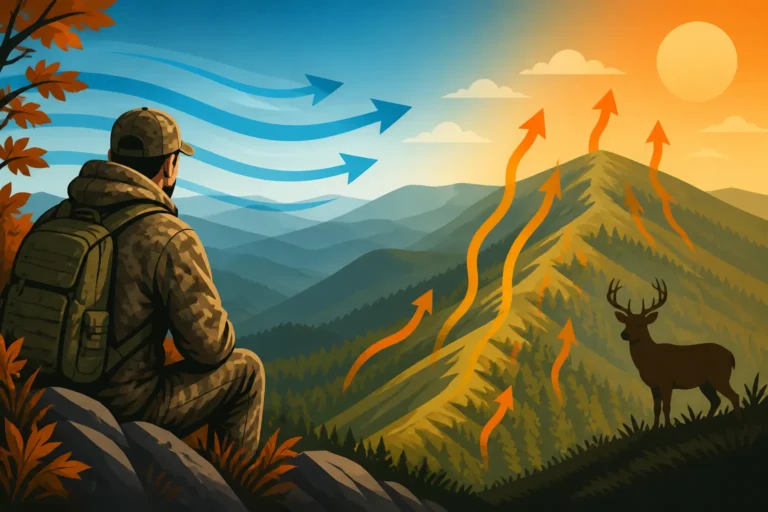
Deer are masters of energy conservation. When the temperatures plummet and winds pick up, they instinctively seek out areas that offer protection from the elements. This means dense evergreen stands, such as pine or cedar thickets, become prime bedding locations. These dense conifers block the wind and trap what little warmth there is, providing a significant thermal advantage. South-facing slopes are also highly favored, as they catch the direct rays of the sun, warming the ground and creating a more comfortable bedding environment. Look for areas where thick brush, briar patches, or fallen timber create impenetrable pockets of cover. These spots not only shield them from the cold but also offer excellent security from predators, including hunters. Deer will often bed with the wind at their back, allowing them to scent anything approaching from behind while keeping an eye on their downwind side. Scouting with tools like GoHunt or the Scouting With the Tennessee TWRA App to identify these dense coverts and south-facing aspects on topographic maps is invaluable before you ever step foot in the woods.
Tactics for Hunting Thick Coverts
Hunting these thick thermal coverts requires a different approach than sitting over an open food plot. Still-hunting, a slow, deliberate walk-and-pause method, can be incredibly effective when done correctly. Move against the wind or crosswind, taking only a few steps at a time, then pausing for several minutes to scan for movement or listen for subtle sounds. The key is to blend in and move like another animal in the woods. Pay close attention to every branch, every shadow. Another tactic, if hunting with a group, is to organize small, controlled deer drives. These aren't the chaotic "gang drives" of old, but rather methodical pushes through a specific thicket towards strategically placed standers. The goal is to gently nudge deer out of their beds, not to run them out of the county. For solo hunters, setting up a stand on the edge of a known bedding thicket, particularly on a downwind side where deer are likely to exit in the late afternoon to feed, can be highly effective. Remember, deer will often stage just inside the cover before stepping out into the open, so your shot might be at close range and through dense timber. This is where precise shot placement and a clear understanding of your rifle's capabilities are crucial.
Water Sources and Travel Corridors
While food and cover are often top of mind, the availability of water, especially unfrozen sources, also plays a critical role in late-season deer movement. Combining knowledge of water sources with an understanding of natural travel corridors creates a powerful hunting advantage.
The Role of Water in January
Even in the cold, deer need water. While they can get some moisture from the vegetation they browse or from snow, readily available unfrozen water sources become particularly attractive. In January, many smaller puddles or shallow areas might freeze over, making permanent water sources like springs, flowing creeks, or larger ponds even more vital. Deer will often incorporate a trip to water into their daily routine, usually in conjunction with their movement between bedding and feeding areas. Look for well-used trails leading directly to these water sources. These spots can act as natural funnel points, concentrating deer activity and offering excellent ambush opportunities. During a bitter cold snap, an open spring or a small section of a flowing creek that resists freezing could be the absolute hotspot to target, as all available deer in the vicinity will likely gravitate towards it.
Funneling Deer Movement Along Natural Features
Deer are creatures of efficiency, always seeking the path of least resistance and greatest security. In January, when the woods are bare, these travel corridors become even more defined. Look for natural funnels that force deer into a predictable pathway. This could be a narrow strip of timber between two open fields, a saddle on a ridge line, a deep creek bottom, or a pinch point where a property boundary meets a natural barrier like a steep bluff. Fence lines, especially those with established crossing points, also act as subtle funnels. For instance, Hunting a Funnel Between Two Bottoms can be incredibly productive, as deer naturally use these low-lying areas to travel unseen. When you find one of these natural funnels, you've found a high-odds location for a late-season stand. Deer use these corridors to travel between their bedding areas, their preferred feeding zones, and their water sources. Setting up a stand with a clear line of sight, often 30-60 yards off the main trail, can allow for a calmer shot opportunity before they detect your presence. Again, utilizing apps that let you scrutinize aerial and topographic maps, like GoHunt, can illuminate these subtle terrain features that act as deer highways.
Advanced Late-Season Hunting Strategies
Late-season deer are wise and wary. To consistently find success when most hunters have hung up their guns, you need to employ strategies that account for increased pressure and the deer's heightened survival instincts. It's about outsmarting, not just outwaiting.
Stand Placement and Hunting Pressure
By January, deer on heavily hunted lands have become experts at avoiding traditional stand locations. They know where the pressure typically comes from, and they've learned to bypass those areas during daylight. This means you need to get creative with your stand placement. Don't be afraid to move your stand if your current spot isn't producing. Focus on overlooked pockets of cover, thick transition zones, or subtle terrain features that most hunters walk past. Consider hunting midday, especially on public land. While deer movement is generally concentrated at dawn and dusk, a strategic sit from 10 am to 2 pm can sometimes catch a deer making a mid-day move between bedding and feeding, particularly if a front is rolling through. These are often the deer that have been bumped or are simply repositioning. For example, when Hunting the Late-Season January Lull, deer might be slightly more active at off-peak hours simply because there's less human disturbance. Also, consider setting up a ground blind. A well-brushed-in ground blind can offer excellent concealment and warmth in areas where a treestand might be too exposed or where suitable trees are scarce.
Low-Impact Scouting and Entry/Exit Routes
The less disturbance you create, the better your chances. This is especially true for late-season deer. Avoid busting deer out of their beds or stomping through their prime feeding areas. Instead, focus on low-impact scouting. Use binoculars or a spotting scope from a distance to observe fields or suspected bedding areas. Look for subtle signs like fresh tracks in the snow or mud, or recently browsed vegetation. If you're using trail cameras, check them sparingly and strategically, perhaps only once every week or two, and always during the middle of the day when deer activity is typically lower. Your entry and exit routes are critical. Always plan a route that minimizes noise, scent, and visual disturbance. Try to use terrain features, ditches, or existing trails that lead you to your stand with the wind in your favor, and that allow you to slip in and out undetected. Sometimes, even walking an extra half-mile to avoid a known high-traffic area is worth the effort to keep your hunting spot pristine. For hunters who Reading Aerial Photos for Cumberland Plateau Deer, understanding these routes on a map before you ever set foot in the woods can make all the difference.
Essential Gear and Cold Weather Preparedness
Hunting in January in Tennessee means dealing with potentially brutal cold, wind, and even snow. Being unprepared for the elements not only makes for a miserable hunt but can also be dangerous. Your gear choices are paramount to staying comfortable, safe, and effective.
Layering for Tennessee's Winter
The key to staying warm in a cold stand or during a long still-hunt is proper layering. Start with a moisture-wicking base layer. Synthetics or merino wool are excellent choices as they draw sweat away from your skin, preventing that clammy, cold feeling. Next, add an insulating layer – a fleece jacket, down vest, or heavy wool sweater. Finally, an outer shell that is both windproof and waterproof is critical for protection against the elements. Tennessee weather can be unpredictable; a sunny morning can turn into a cold, driving rain or sleet in a matter of hours. Having a versatile outer layer will keep you dry and warm. Don't forget your extremities. A good insulated hat that covers your ears, warm gloves (or mittens with finger access), and high-quality insulated boots are non-negotiable. Cold feet or hands will quickly send you back to the truck. When considering Cold-Weather Sitting Strategy in Tennessee, remember that staying still in extreme cold requires serious preparation in your clothing system.
Emergency Preparedness and Meat Care
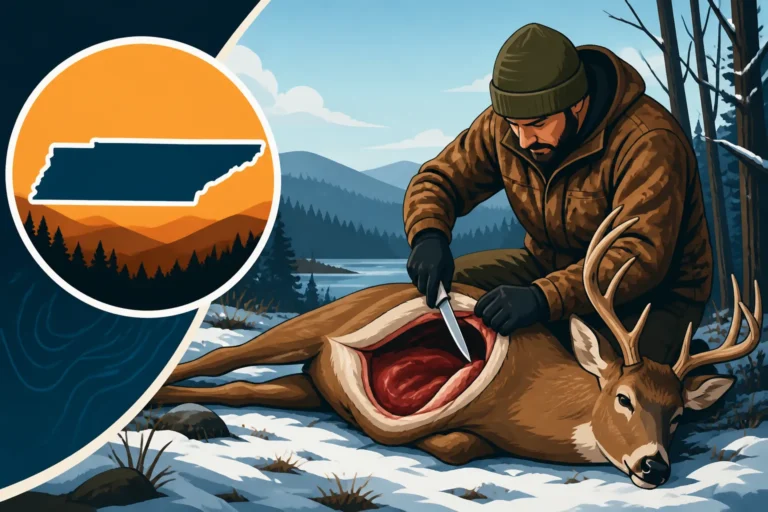
Beyond staying warm, always carry a small emergency kit, especially if you're venturing deep into public lands like the Cherokee National Forest or North Cumberland WMA. This kit should include a first-aid kit, a reliable fire starter, a headlamp with extra batteries, a whistle, and a navigational device (like a GPS unit or a smartphone with downloaded offline maps). Even a small, brightly colored flag or ribbon can be invaluable if you need to mark a spot or signal for help. The woods are beautiful, but they can quickly become unforgiving if you're injured or lost. Once you've harvested a deer, immediate and proper meat care is essential, even in cold weather. While the cold helps preserve the meat, you still need to field dress the animal quickly and efficiently. Consider carrying game bags to protect the meat from dirt and debris. Depending on the terrain and your distance from the vehicle, you might need a deer sled or a game cart to Recovering a Deer From a Steep Hollow or a long drag. Always ensure you have a plan for getting the deer out and properly cooled, especially if the temperatures are fluctuating or you're in a CWD-affected county where carcass transport rules apply.
Maximizing Your Chances on Public Land
Tennessee offers a wealth of public hunting opportunities, from vast National Forests to numerous Wildlife Management Areas (WMAs). However, these areas can see significant pressure, especially during the gun season. Success here often boils down to strategy and persistence.
Finding Hidden Gems and Overlooked Areas
The easiest access points on public land often see the heaviest pressure. To find those late-season bucks, you usually need to be willing to work harder and go farther than the average hunter. Scrutinize topographic maps and aerial photos (tools like GoHunt or other mapping apps are fantastic for this). Look for areas that are difficult to access: steep slopes, deep hollows, creek drainages, or sections of timber surrounded by private land that forces deer movement into public corridors. These are often the "sanctuaries" where mature bucks will retreat to escape pressure. Don't be afraid to put on some miles. Often, deer will use small, overlooked pockets of cover right off a main trail, but only if they're far enough from obvious human activity. Remember, Hunting Pressure on Tennessee Public Land can make deer nocturnal or push them into these remote areas, so be prepared to explore. Sometimes, a narrow, overgrown logging road or an old homestead site can provide just enough cover to hold a wary buck that's eluded other hunters.
Adapting to Pressure on Popular WMAs
Popular WMAs like Catoosa, Royal Blue, or Chuck Swan can be challenging due to hunter density, but they still hold deer. The key is to adapt your tactics. Hunting during weekdays, when many hunters are back at work, can drastically reduce pressure. Pay attention to scheduled quota hunts or special regulations that might concentrate hunters at certain times. Consider using deer drives, but again, these should be small, controlled efforts with known escape routes and safely positioned standers. The objective isn't to blast deer as they flee but to gently push them towards a waiting hunter. Another strategy is to focus on the transition periods: the first hour after legal shooting light and the last hour before it fades. This is when deer are most likely to move from their bedding areas to feed and vice-versa, even under pressure. Scouting before the season, or even during an off-season scouting trip, can give you a significant advantage in these areas. Look for old sign, natural funnels, and potential bedding areas that are less obvious.
Disclaimer
Hunting is an inherently dangerous activity. This guide is for informational purposes only and does not substitute for thorough research of current Tennessee Wildlife Resources Agency (TWRA) regulations, hunter education, or landowner permissions. Always prioritize safety, wear appropriate gear, and understand all applicable laws before heading into the field.