Where Tennessee Gobblers Roost
Tennessee turkey hunters learn how gobblers select tall trees and ridges for predator safety and morning views.
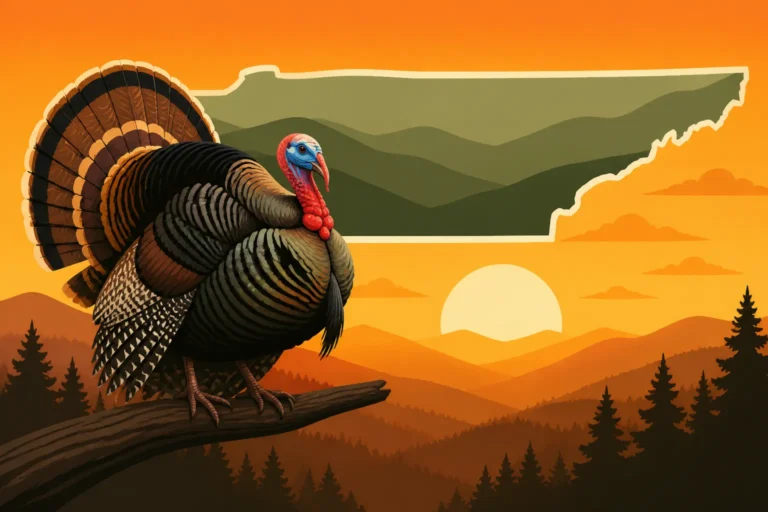
Tennessee turkey hunters learn how gobblers select tall trees and ridges for predator safety and morning views.
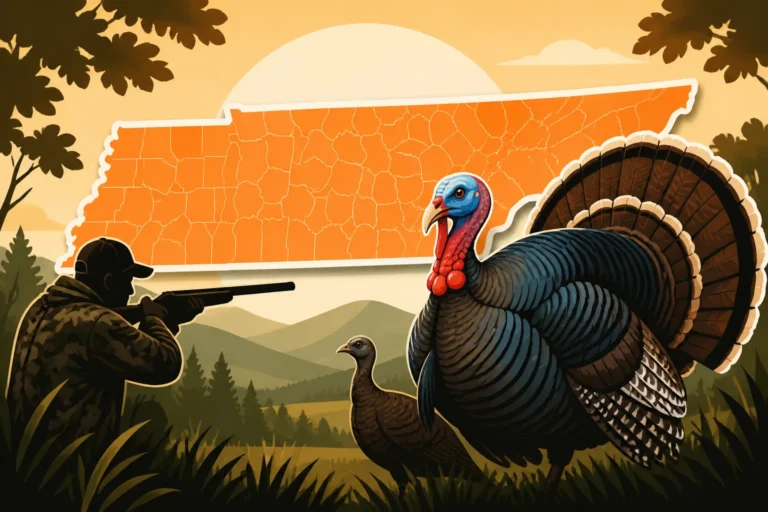
Tennessee turkey hunting locations, regional habitats, and population trends across the Appalachian Mountains, Cumberland Plateau, and agricultural plains.
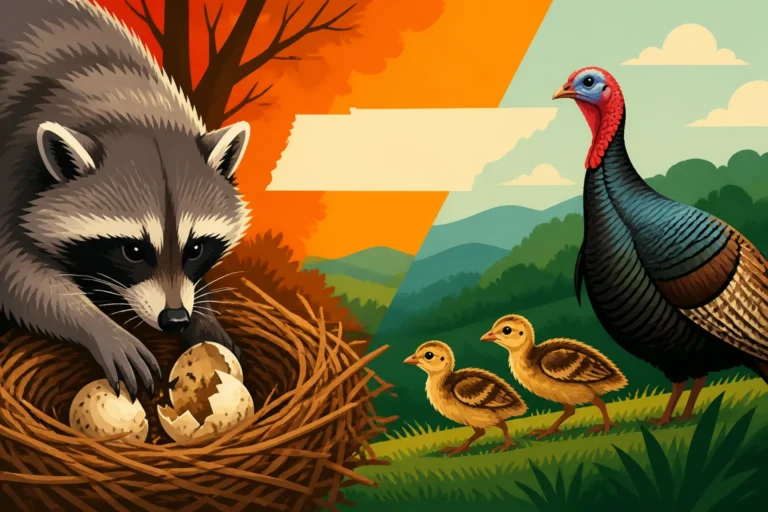
Nest predation in Tennessee examines how predators and failed early clutches impact wild turkey populations and renesting efforts.
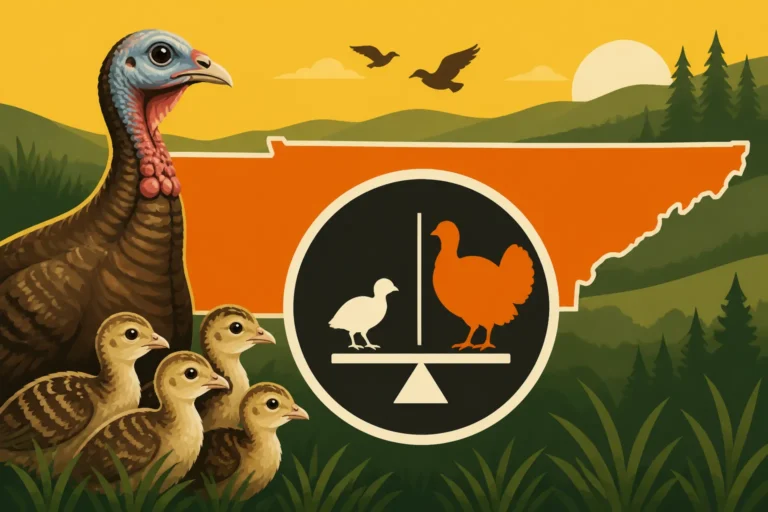
Turkey poult-to-hen ratios explain Tennessee reproduction success, population health, and future spring hunting season trends.
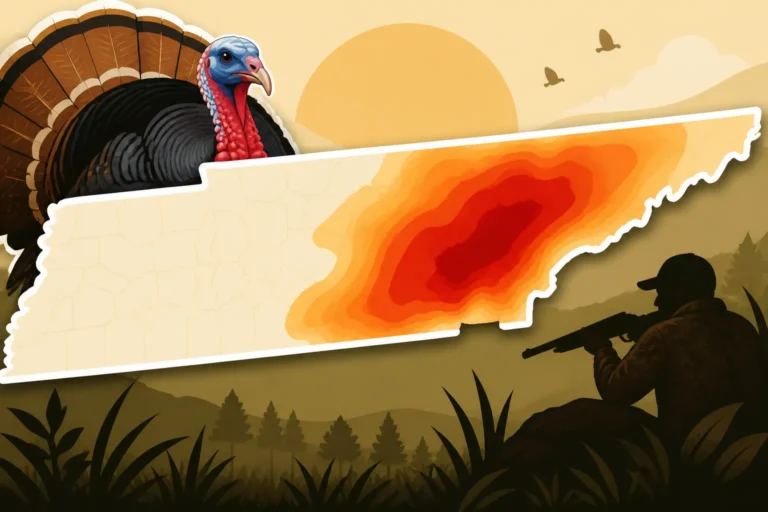
Tennessee wild turkey habitats, food sources, and key regions help hunters locate dense bird populations across the state.
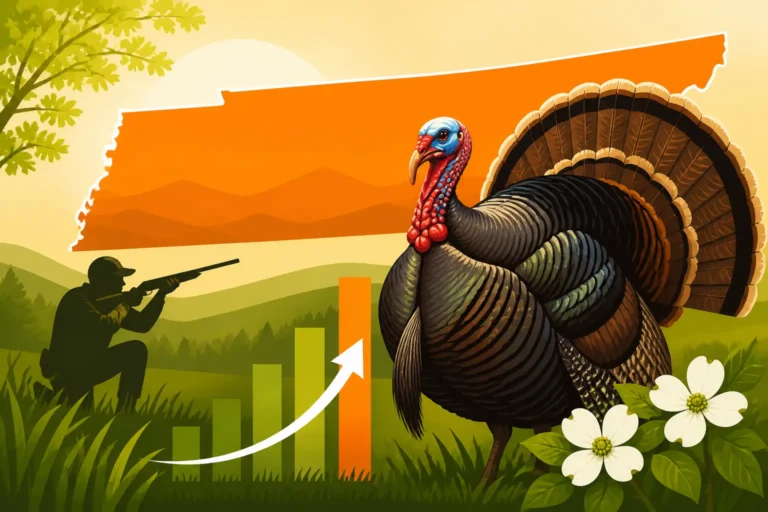
Tennessee spring turkey harvest numbers show total successfully reported birds, revealing population health and annual hunter success.
Tennessee wildlife agencies estimate wild turkey populations using summer brood surveys and historical conservation data.

Smoky Mountain cabin bear encounters happen when animals seek food sources like trash cans and overlap with human development.
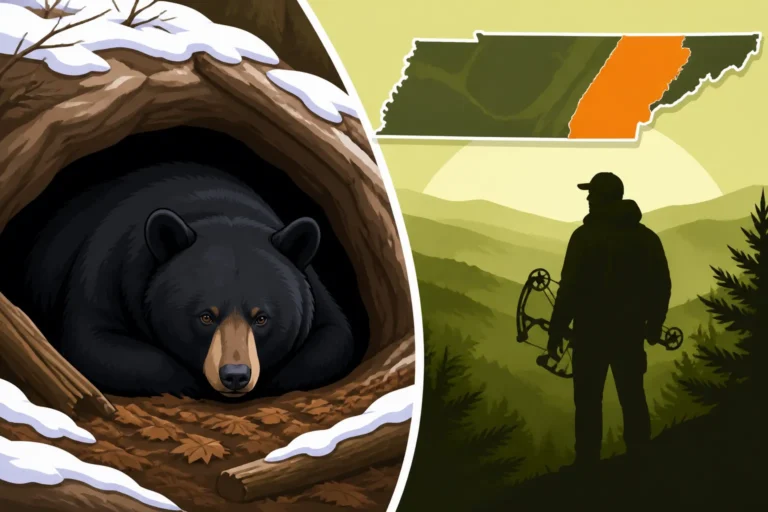
Tennessee black bear denning behavior explains winter torpor, reproductive cycles, and how weather and food availability trigger hibernation.
Tennessee black bear weight depends on age, genetics, and high-calorie diets of mast crops in eastern mountain habitats.