When Tennessee Elk Bugle
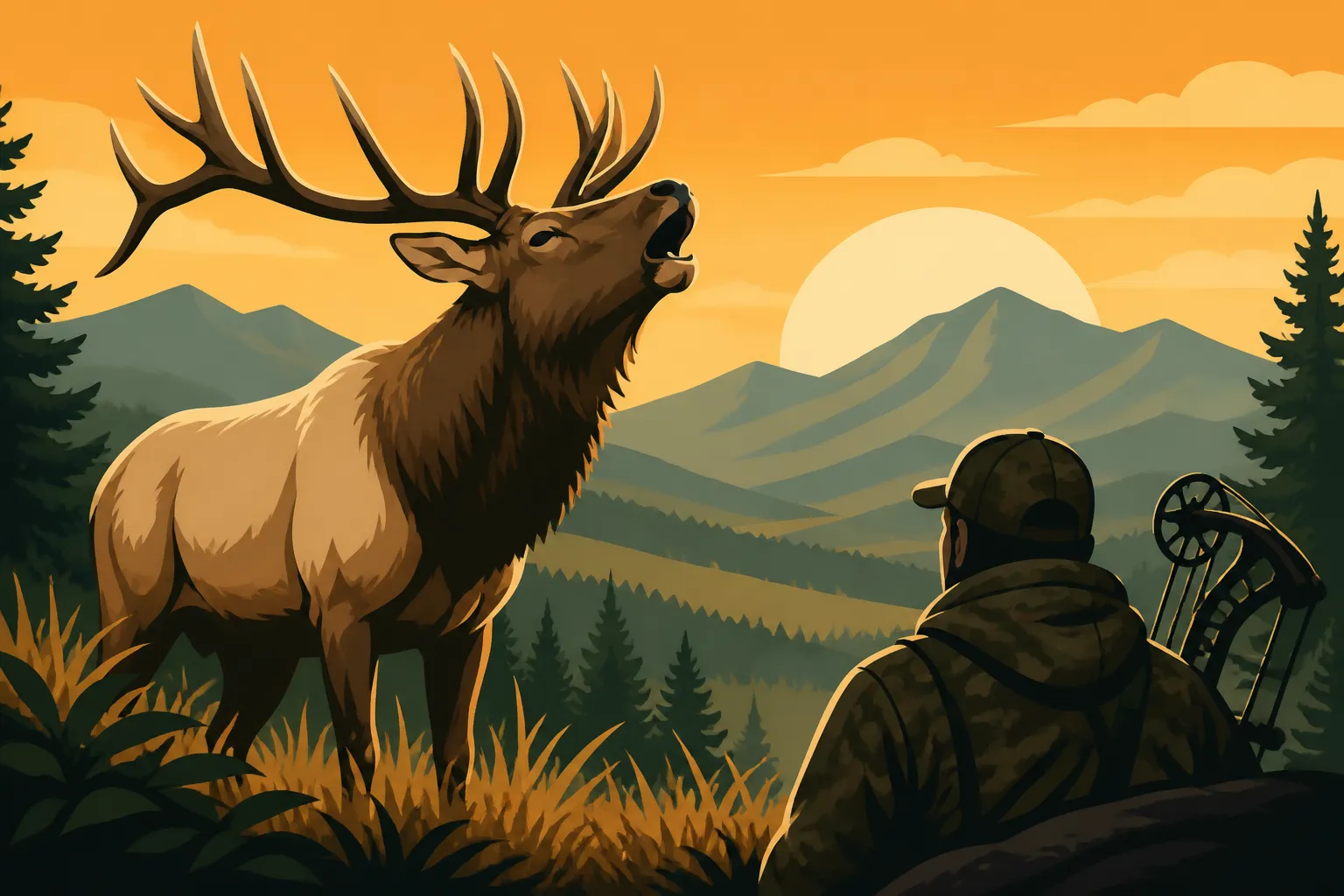
The sound of a bull elk bugling in the Tennessee mountains is something truly special, a primal call that echoes through the hollers and over the ridges of the North Cumberland. For many hunters and wildlife enthusiasts, experiencing this iconic sound is a bucket-list item, but knowing when those majestic calls are most likely to fill the air can feel like chasing a ghost. This guide will help demystify the timing of the Tennessee elk rut, giving you a clearer picture of when to listen for that unforgettable bugle.
Understanding the Elk Rut and Its Timing in Tennessee
The elk rut, or breeding season, is the absolute heart of the elk experience, whether you're hunting or just hoping to hear those magnificent calls. It's a period of intense activity, competition, and vocalization as bulls vie for the attention of cows. In Tennessee, primarily within the North Cumberland Wildlife Management Area, this annual spectacle unfolds over several weeks in the autumn, with distinct phases of bugling activity.
The Phases of Elk Bugling
Just like deer, elk have different phases to their breeding cycle, and the intensity of their bugling changes with each. It's not a constant, all-day concert from the moment the calendar flips to September. Instead, you'll find a buildup, a crescendo, and then a gradual tapering off. Understanding these phases is crucial for anyone hoping to be in the right place at the right time.
Initially, as summer transitions into fall, you might hear a few tentative bugles. These early calls are often bulls testing their pipes, asserting dominance among bachelor groups, or just feeling the stirrings of the season. It’s a bit like a warm-up act, with individual bulls scattered across the landscape. They're not yet intensely focused on cows, but they are beginning to establish their pecking order. You might hear these sporadic calls as early as late August, especially on cooler mornings when the humidity breaks. This is often during the time many hunters are still focused on game other than elk, but for the truly dedicated, it's a sign of exciting things to come.
As the pre-rut progresses, usually into the first couple of weeks of September, the bugling starts to become more consistent. Bulls are now actively seeking out cow herds, and the competition begins to heat up. This is a thrilling time, as the bulls are often more responsive to calls as they try to gather and defend their harems. The energy in the woods shifts palpably; you can almost feel the anticipation. Experienced hunters know that this pre-rut period can be incredibly productive, as bulls are often on the move and less wary than during the intense peak of the rut. If you're planning on Calling a North Cumberland Bull Elk, this is when your calls might get the most aggressive responses.
Peak Rut in North Cumberland
The true magic, the loudest and most consistent bugling, usually happens during the peak rut, which for Tennessee's elk typically falls from mid-September through the first week or two of October. This is when the majority of cows come into estrus, and the bulls are in a frenzy of activity. Picture multiple bulls bugling back and forth, challenging each other, raking trees, and herding cows. The air vibrates with their calls, especially at dawn and dusk. This is the period when hunting tags are often filled and when wildlife viewers have the best chance of witnessing the full drama of the elk rut.
During this peak, you're not just hearing bugles; you're hearing chuckles, grunts, and screams – the full vocabulary of a bull elk in full rut. They are less cautious, driven by instinct, and often highly visible as they tirelessly work their harems. It's an exhausting time for the bulls, who lose significant body weight during these few weeks of intense activity. For those lucky enough to have an Elk Hunting Gear for North Cumberland tag, this is the prime window to be in the woods. The entire landscape seems alive with their presence.
Post-Rut Bugling
After the peak, usually mid-October, bugling activity starts to wane. Most of the cows have been bred, and the exhausted bulls begin to disperse, seeking food and rest to recover from their strenuous efforts. You'll still hear bugles, especially from younger, less dominant bulls who are still looking for any late-cycling cows, or from older bulls making one last effort. Sometimes, these post-rut bugles can be incredibly effective for hunters, as a bull that's been run ragged might be more inclined to respond to a cow call in hopes of one last chance. However, the consistent, echoing symphony of the peak rut has largely faded. This period often coincides with Tennessee's General Firearms Elk Season Dates, where the bugling might be less intense but still present.
Factors Influencing Bugling Activity
While the general timeframe for the elk rut is fairly consistent year to year, there are several environmental factors that can subtly, or sometimes dramatically, influence the intensity and timing of bugling within those windows. It's not just about the calendar date; it's about conditions on the ground.
Weather Conditions
Temperature plays a huge role in elk activity, and bugling is no exception. Cooler temperatures, especially crisp mornings and evenings, tend to stimulate elk movement and vocalization. When a cold front pushes through in early September, it can sometimes kickstart bugling a little earlier than usual. Conversely, unseasonably warm spells during the peak rut can cause a lull in activity. Elk, like us, don't much care for exerting themselves in hot, humid weather, and bulls working hard to herd cows will often bed down during the heat of the day, quiet until the mercury drops.
Rain can also have an effect. Light, steady rain can sometimes dampen sound, but it often gets elk moving, and they might bugle more to communicate through the wet conditions. Heavy downpours, however, will typically send them seeking shelter and quiet them down. Snow, especially early season snow, can ignite a flurry of activity, as the cold and the visual change can really get bulls fired up. I've heard some of the most intense bugling during unexpected early snowfalls in the North Cumberland.
Hunter Pressure and Human Presence
Let's be real, the North Cumberland is a special place, but it's not untouched wilderness. Hunter pressure, especially during the various elk seasons, can impact how much and how loudly elk bugle. Bulls that are constantly pursued or called to aggressively might become shier, moving into thicker cover and bugling less frequently or more softly. This is where scouting and knowing the terrain using tools like GoHunt can make a huge difference in finding those less-pressured pockets.
Even non-hunting human presence, such as hikers or wildlife observers, can influence elk behavior. While elk are accustomed to some human activity in their range, excessive disturbance can push them deeper into the timber, making them less vocal. This is why it's so important to be respectful of their habitat and other users of the land, especially during sensitive times like the rut. Think about how many people are out there trying to catch a glimpse or hear a bugle; the elk are aware of it all.
Moon Phases
While not as scientifically proven as weather, many experienced elk hunters and observers believe that moon phases can affect elk activity, including bugling. The common wisdom is that elk, particularly during the full moon, might be more active at night, leading to a quieter daytime. However, other theories suggest that a full moon can make them more active overall, simply spreading their activity across a longer 24-hour cycle.
Personally, I’ve found that moon phase can sometimes shift the timing of the bugling rather than eliminating it entirely. On bright full moon nights, I’ve heard bulls bugling throughout the dark hours, meaning they might be a bit quieter right at dawn if they've been active all night. Conversely, during a new moon, when nights are darker, daytime activity, including bugling, might be more intense. It’s an interesting variable to consider when you're planning your outings, and something you can track with mapping apps like GoHunt that often include moon phase data.
Best Times to Experience the Bugle
If you're making the trek to North Cumberland with the primary goal of hearing a bull elk bugle, timing your visit is absolutely paramount. While there are no guarantees in nature, focusing on certain windows will drastically improve your odds.
Archery-Only Elk Season
The Hunting the Archery-Only Elk Season typically aligns perfectly with the early to peak stages of the rut, often starting in late September. This is arguably the absolute best time to hear consistent, vocal bugling in North Cumberland. The bulls are fired up, cows are coming into estrus, and the energy is palpable. During this season, hunters are limited to archery equipment, which often means they have to get closer to their quarry, making the bugle not just an auditory experience but a crucial part of the hunting strategy.
The atmosphere during the archery season is electric. The mornings are often cool, crisp, and filled with the sounds of the waking forest, punctuated by those thrilling bugles. Evening draws in with the same chorus. If you can only pick one time to go simply to experience the bugle, the archery-only season is usually it. The intensity of the vocalizations, the sheer number of bulls willing to respond, and the overall breeding activity are at their peak. It’s a sensory overload in the best possible way.
General Firearms Elk Season
The general firearms season for elk in Tennessee usually falls slightly after the peak of the rut, often in the first or second week of October. While you will absolutely still hear bugling during this time, it's typically not as intense or widespread as during the archery season. As mentioned, many cows have already been bred, and the most dominant bulls might be recovering. However, this doesn't mean it's quiet.
During the firearms season, you'll still hear plenty of bugles from bulls still looking for receptive cows, or those secondary bulls trying their luck now that the big boys are a bit worn out. The calls might be less frequent, but they can still be incredibly effective for locating elk. The key is to understand that the dynamic has shifted slightly from the outright, aggressive challenges of the peak rut to a more focused search for late opportunities. Hunters often find that cow calls or subtle grunts become more effective during this period. For information on the Tennessee Elk Application Window Dates and hunt dates, always check the official TWRA regulations.
Scouting and Pre-Season Listening
Even if you don't have an elk tag, going into North Cumberland for scouting or simply listening in the weeks leading up to the season can be incredibly rewarding. Late August and early September offer a chance to hear the initial stirrings of the rut, those tentative bugles that signal the start of the breeding cycle. This can be a fantastic time for photographers or those who simply want to enjoy the sounds without the pressure of a hunting season.
By scouting during this pre-rut period, you can identify key areas where elk are starting to congregate, where bulls might be establishing their territories, and where the most intense bugling is likely to occur once the rut fully kicks in. This knowledge is invaluable, especially if you're lucky enough to draw a tag for a later season. Using aerial maps from GoHunt can help you identify potential bugling corridors and open areas where sounds travel well.
Here's a quick overview of typical bugling activity during the Tennessee elk season:
| Period | General Dates (Approx.) | Bugling Activity Level | Typical Behavior | Best for |
|---|---|---|---|---|
| Pre-Rut | Late August – Early Sept. | Low to Moderate | Bulls in bachelor groups, sporadic calls, testing dominance, gathering strength. Cows begin grouping. | Scouting, early listening, photography |
| Early Rut | Mid-Sept. | Moderate to High | Bulls actively seeking cows, more consistent bugling, first intense challenges. | Archery hunting, avid listeners |
| Peak Rut | Late Sept. – Early Oct. | High (Most Intense) | Majority of cows in estrus, multiple bulls bugling, constant challenging, herd defense, less cautious. | Archery hunting, prime viewing/listening |
| Late Rut/Post-Rut | Mid-Oct. onwards | Moderate to Low | Bulls recovering, some still seeking late-cycling cows, younger bulls more active. | Firearms hunting, late-season opportunities |
Tips for Locating Bugling Elk
Hearing a bugle is one thing, but actually getting close to a bugling bull or just enjoying the full experience often requires a bit of strategy. The vastness of the North Cumberland can be intimidating, but a few tactics can help you narrow down your search.
Use Topography to Your Advantage
Elk, especially bugling bulls, love to use the terrain to project their calls. They'll often stand on a ridge top, in a saddle, or at the head of a hollow, letting their bugle echo far and wide. Understanding the Wind and Thermals on a Ridge System is crucial here, as it not only helps you determine where sound will carry but also how to approach without being scented. Early morning fog or mist can really amplify sound, creating an ethereal experience.
When you hear a bugle, try to determine its direction and approximate distance. Then, instead of walking directly towards it, think about what piece of topography that bull is likely using. Is he on a facing ridge? Down in a hollow? Knowing the lay of the land, perhaps by consulting a detailed map from GoHunt, can guide your approach, helping you intercept or get closer to the source of the sound. Remember, sound travels differently through dense timber than across an open meadow.
Listen at Dawn and Dusk
Just like most big game, elk are most active and vocal during the low-light hours of dawn and dusk. These are typically the best times to hear consistent bugling. Bulls will often bugle from their bedding areas at first light, announcing their presence, or as they move towards feeding areas in the evening. If you're out in the middle of the day during a warm spell, you might hear very little.
Plan to be in position well before sunrise and stay until well after sunset. This means hiking in the dark, so a good headlamp is essential. Find a vantage point where you can hear a wide area, perhaps an overlook or a ridge top, and just sit and listen. Be patient. Sometimes the first bugle doesn't come until well after legal shooting light, or it could be right as the sun cracks the horizon. These quiet moments before the woods come alive with sound are some of the most anticipation-filled experiences in nature.
Employ Calling Strategies
If you're hunting, or just want to try to interact with the elk, knowing how to use elk calls can be incredibly effective during the rut. While this guide isn't a deep dive into calling, understanding the basics can enhance your experience. A locator bugle, for instance, is a loud, aggressive call designed to get a bull to respond and reveal his position. Once you've located a bull, you might switch to cow calls or softer bugles to entice him closer. Remember, during the peak rut, bulls are often looking for a fight or a new cow.
However, be mindful of overcalling, especially on heavily pressured public land. Sometimes, a subtle approach, or even just listening intently, is more effective than aggressive calling. Learning about Elk Calls and Cow Decoys can significantly improve your chances of success, but always adapt your strategy to the specific situation and the bull's response. Understanding elk vocalizations, beyond just the bugle, can give you huge insights into their mood and intentions.
Respect Their Space and Be Patient
Whether you're hunting or simply observing, remember that you are a visitor in the elk's home. Respect their space, especially during the rut when they are focused on breeding. Avoid pursuing them too aggressively, and give them ample room. This not only ensures your safety but also reduces stress on the animals. A stressed bull might go silent or move away, ruining the experience for everyone.
Patience is perhaps the most important tool in your arsenal. Elk don't always bugle on command, and sometimes you'll have to sit for long periods, listening, waiting, and hoping. But when that first bugle finally rips through the silence, it's a moment that will send shivers down your spine and make every minute of waiting completely worth it. The more time you spend in the elk woods, the more you'll learn about their patterns, their favorite spots, and precisely when Tennessee elk bugle. Enjoy the journey and the incredible opportunity to witness one of nature's grandest shows.
Disclaimer
This article is for general informational purposes only and does not constitute professional advice. Laws, prices and regulations vary by location and change over time. Consult a qualified professional for guidance on your specific situation.