Tennessee Suburban Archery-Only Zones
Living near a city or a bustling suburban area in Tennessee can often feel like a major roadblock to pursuing your passion for hunting. You see deer in your backyard, crossing roads, and browsing through neighborhood gardens, yet finding a safe, legal, and accessible place to hunt them can seem impossible. This guide is all about shedding light on Tennessee's suburban archery-only zones, helping you understand how these unique opportunities work, and equipping you with the knowledge to potentially find an overlooked hunting spot right under your nose.
Understanding Tennessee's Suburban Archery-Only Zones
When most of us think of deer hunting in Tennessee, our minds immediately go to sprawling national forests, vast Wildlife Management Areas, or expansive private farms far from the hustle and bustle. But the reality is, white-tailed deer are incredibly adaptable creatures, and their populations thrive even in surprisingly close proximity to human development. That's where Tennessee's suburban archery-only zones come into play, offering a unique solution to both deer management and hunter access challenges in these populated areas.
What Defines an Archery-Only Zone?
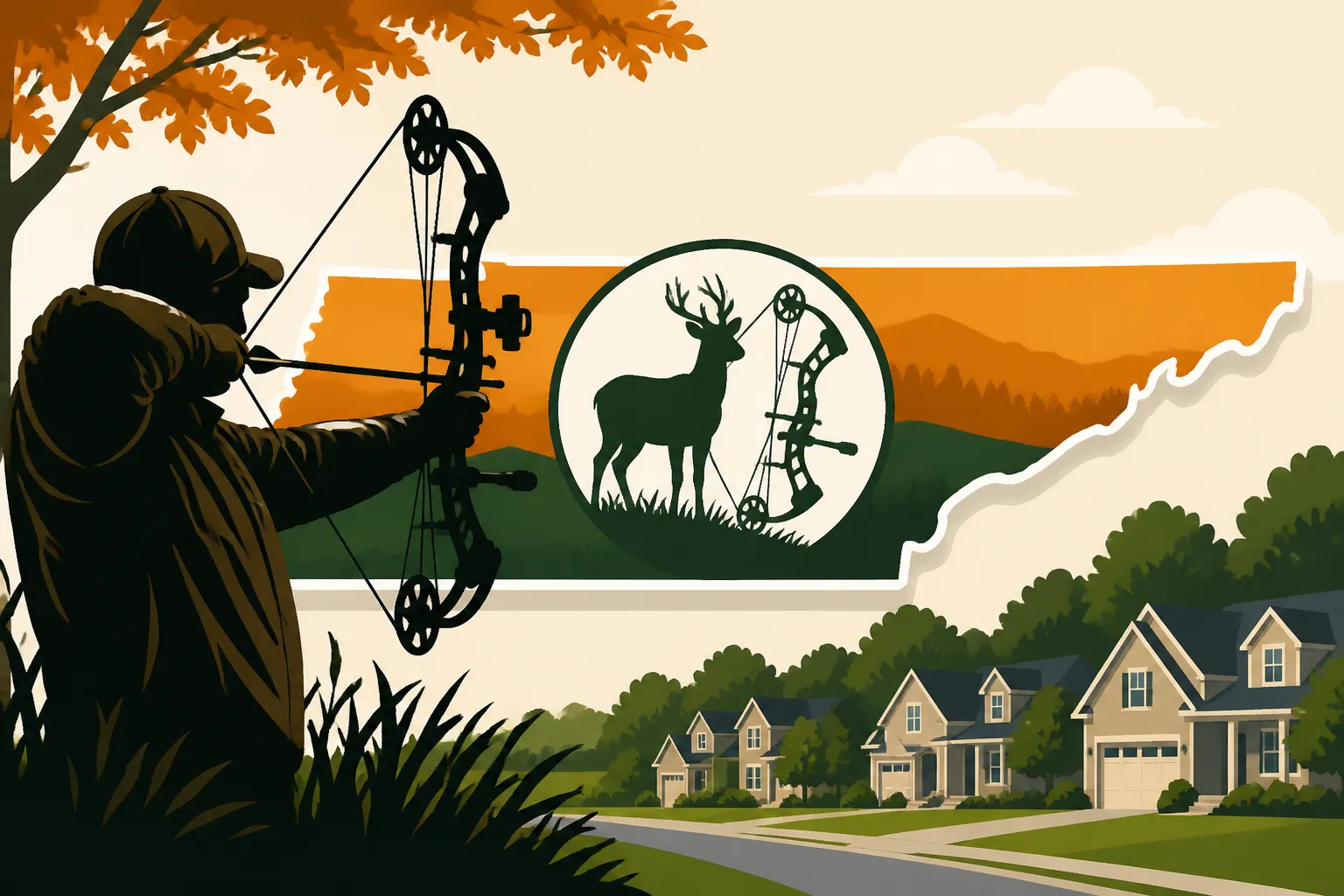
Essentially, an archery-only zone is a designated area, often within or adjacent to a residential or municipal setting, where deer hunting is permitted exclusively with archery equipment. This means no firearms, no muzzleloaders—just traditional bows and crossbows. These zones aren't typically vast tracts of public land, but rather a patchwork of smaller parcels, green spaces, undeveloped lots, or larger private properties that are deemed safe for bowhunting due to the inherent limited range and trajectory of archery equipment. The Tennessee Wildlife Resources Agency (TWRA) works with local governments and landowners to establish these areas, primarily to address burgeoning deer populations that can lead to increased deer-vehicle collisions, landscape damage, and concerns about herd health in areas where traditional hunting methods would pose a public safety risk. It's a pragmatic approach to a modern wildlife management challenge, allowing for population control in places where other methods simply aren't feasible.
Key Regulations and Legal Framework
The specific regulations for suburban archery-only zones can vary slightly depending on the local municipality or the specific WMA rules if one happens to overlap with such an area. However, the overarching principle is always safety. All hunters must adhere to statewide archery regulations, including legal hunting hours, tagging requirements, and bag limits specific to the Deer Management Unit (DMU) the zone falls within. Beyond that, many of these zones will have additional restrictions, such as requiring hunters to be elevated in a treestand, prohibiting the use of dogs for tracking, or mandating specific safety distances from residences or roadways. It's crucial for any hunter considering these areas to consult the current Tennessee Hunting Guide and verify any local ordinances with the specific county or city hall. Remember, all hunters must have the proper Tennessee Hunting Licenses and What They Cost, and understanding the specific rules for Tennessee Deer Season Structure Explained is paramount, especially when navigating these localized regulations. Without a doubt, hunter education is a must, and you can learn more about Tennessee Hunter Education Requirements before heading afield.
Navigating the Challenges of Hunting Suburban Zones
Hunting in suburban archery-only zones isn't like heading out to the remote wilderness. It comes with its own unique set of hurdles, from securing access to adapting your hunting style, and even managing public perception. These challenges, while daunting, can be overcome with a thoughtful approach and a deep respect for both the wildlife and the surrounding community.
Public Access Versus Private Land
One of the biggest frustrations for hunters eyeing suburban deer is the sheer lack of traditional public land access. While some WMAs or state parks might have archery-only sections near urban fringes, these are often heavily pressured. The real goldmine in suburban zones typically lies on private land. This means that a significant portion of your "hunting" effort will be spent before you ever set foot in the woods, knocking on doors, making phone calls, and building relationships. This isn't just about asking for permission; it's about proving yourself as a responsible, ethical hunter who understands the landowner's concerns. Many landowners with deer problems might be hesitant about hunting, fearing safety risks or negative public reactions. Your role is to educate them, assure them of your professionalism, and demonstrate how you can be a solution to their deer overpopulation issues, rather than just another person wanting to "hunt their land." For more specific advice, our guide on Getting Private Land Permission in Tennessee offers invaluable insights.
Adapting Tactics for Close Quarters
When you're hunting in a suburban archery-only zone, you're not dealing with vast tracts of undisturbed wilderness. Deer here are often used to human presence but are also incredibly wary of direct pressure. Your usual "run-and-gun" tactics might need a serious overhaul. Scent control becomes absolutely non-negotiable, as deer are likely to associate human scent with danger very quickly. Treestand placement is critical; not only for shot angles but also for staying out of sight lines from nearby homes or roads. You might find yourself setting up in smaller pockets of woods, along fencerows, or near overlooked greenways. Shot distances are often shorter, but the shot must be absolutely perfect, with a clear understanding of what's beyond your target. Remember, every shot taken in these areas has a higher degree of scrutiny, both from a safety perspective and from potential onlookers. Being stealthy, patient, and prepared for quick, ethical shots is paramount.
Managing Increased Public Scrutiny
Let's be honest: hunting, especially in populated areas, can sometimes draw negative attention from non-hunters who don't understand or approve of the activity. When hunting suburban archery-only zones, you need to be an ambassador for our sport. This means dressing appropriately (blaze orange is required during many gun seasons, but even in archery-only zones, it can project a responsible image), being discreet when transporting game, and being prepared to politely and factually answer questions if approached. Avoid any behavior that could be perceived as reckless or disrespectful. Communication with your landowner is also key – let them know when you'll be there, and what to expect. This increased public scrutiny shouldn't deter you, but rather empower you to represent hunters in the best possible light, demonstrating professionalism and respect for wildlife and community alike.
Finding and Securing Hunting Opportunities in Suburban Areas
The idea of hunting in a suburban environment might still feel a bit abstract. How do you actually find these places, and more importantly, how do you get permission to hunt them? It's less about stumbling upon a honey hole and more about diligent research, polite persistence, and effective communication.
Identifying Potential Archery-Only Areas
The first step is research. Start by looking at detailed maps of areas near cities and towns that still possess significant green space. This could include large undeveloped tracts, golf courses (many have significant deer problems), utility easements, floodplains along rivers and creeks, large wooded subdivisions, or even municipal parks that have designated hunting seasons. The TWRA website is a great resource, as they sometimes list specific WMAs or county programs that permit archery hunting near population centers. Additionally, county planning commission maps or GIS data can reveal surprisingly large, privately owned parcels that might be suitable. This is where modern mapping applications become indispensable. Tools like GoHunt are incredibly valuable for pinpointing potential spots, showing property boundaries, identifying landowners, and providing crucial satellite imagery to scout potential bedding and feeding areas without ever stepping foot on the property. Learning how to effectively use onX Layers for Tennessee Land Status or similar features in other mapping apps will give you a significant advantage in identifying these hidden gems. Look for properties with limited road frontage but large, wooded back sections, or those bordered by natural travel corridors like creeks.
The Art of Gaining Landowner Permission
Once you've identified potential properties, the real work begins: securing permission. This isn't a transactional interaction; it's about building a relationship. Start by writing a polite letter or making a brief, courteous phone call to introduce yourself. Explain that you're an ethical bowhunter (mentioning your hunter education is a good touch) and that you've noticed a significant deer presence on their property. Frame your request not just as a desire to hunt, but as a willingness to help manage their deer population, especially if they've expressed concerns about garden damage or deer-vehicle collisions. Be prepared to discuss safety protocols, show proof of insurance if you have it (some hunting organizations offer liability insurance to members), and outline your plans, such as only hunting from a treestand. Offer to share venison or even assist with chores around their property. Honesty and respect are your most potent tools. Sometimes, it takes multiple attempts or meeting several landowners before you find someone willing to grant access. Persistence, combined with a genuine, friendly demeanor, can often open doors that seem firmly closed. Remember our guide on Asking a Tennessee Farmer for Permission for more detailed advice on this critical step.
Utilizing Special Urban Deer Programs
In some of Tennessee's more densely populated areas, local governments or homeowner associations (HOAs) have recognized the need for more proactive deer management. As a result, specific urban deer management programs have been developed, often featuring expanded archery seasons or specialized permits. These programs are specifically designed to reduce deer populations in residential and greenbelt areas, minimizing conflicts with humans and vehicles. Some cities might partner with the TWRA to offer "sharpshooter" programs, but many also look to responsible citizen hunters to help with the effort. Keep an eye on local city council meeting agendas, municipal park department announcements, or even local news for information about such initiatives. Sometimes these programs are advertised directly by the city, while other times you might learn about them through local archery clubs or conservation groups. These programs often come with their own specific rules and regulations, so be prepared to understand and abide by them meticulously.
Essential Gear and Safety Considerations for Suburban Archery Hunting
Hunting in suburban archery-only zones demands a specific mindset, and that extends to your gear choices and an elevated focus on safety. Because you're often in closer proximity to people and structures, every decision, from your bow setup to your recovery plan, needs to prioritize ethical hunting and public perception.
Bow and Arrow Setup for Suburban Environments
Accuracy is paramount in any hunting situation, but especially when you're hunting in a suburban setting. Your bow setup needs to be dialed in perfectly, allowing for consistent, ethical shots within realistic distances. While some hunters push the limits, a conservative maximum range of 20-30 yards is often prudent in these environments to minimize error. Focus on a quiet setup: ensure your bow has effective string dampeners, limb silencers, and a whisper-quiet rest. The goal is to make as little noise as possible when drawing and releasing your arrow. For broadheads, fixed-blade designs or reliable mechanical broadheads that deploy consistently and penetrate deeply are crucial for quick, clean kills. You don't want a long blood trail winding through someone's backyard. Consider an arrow with good kinetic energy to maximize pass-through potential, which aids in blood trailing and reduces the chance of an animal running off with an arrow still in it. All these considerations contribute to a responsible and ethical hunt that respects the environment and the community.
Prioritizing Safety in Populated Areas
Safety is the absolute cornerstone of suburban archery hunting. This isn't just about hunter safety; it's about public safety and maintaining a positive image for the sport. Always hunt from an elevated position, like a treestand. This directs your arrow trajectory downward, significantly reducing the risk of a pass-through arrow traveling horizontally and striking something unintended. Always be aware of your surroundings: identify potential backstops, understand where nearby residences and roads are, and never take a shot if you're unsure of what lies beyond your target. Communication is key with the landowner; inform them of your hunting schedule and any specific areas you'll be using. Adhere to any local noise ordinances, especially during early morning or late evening hunts. If you're using a ground blind, ensure it's well-brushed in and positioned in a way that provides a natural backstop. Our guide on Using a Ground Blind on Tennessee Public Land offers valuable insights that can be adapted to private suburban settings, and don't forget the importance of Treestand Safety Gear for Steep Ground even on seemingly gentle suburban slopes.
Game Recovery and Ethical Practices
Ethical hunting doesn't end with the shot; it extends to a responsible and discreet game recovery. In a suburban zone, a wounded deer running onto a neighbor's manicured lawn or into a busy street is a nightmare scenario. This reinforces the need for accurate shots and powerful, sharp broadheads to ensure quick incapacitation. If a deer does run, wait a reasonable amount of time (often longer than you might in remote wilderness) before beginning your trail, allowing the animal to expire. When tracking, move slowly and deliberately, paying close attention to blood trails and tracks. If the deer crosses a property line where you don't have permission, you absolutely must secure permission from that new landowner before continuing the pursuit. Never trespass to retrieve game, as this can destroy relationships and damage the reputation of all hunters. Once recovered, field dress the deer efficiently and discreetly. Having a plan for transporting the animal out of the area without alarming residents is also vital. Whether it's a deer cart, a sled, or simply quartering the animal for easier removal, plan ahead. For insights on handling your harvest, check out our article on Field Dressing a Deer in Cold Weather. And, of course, once the harvest is complete, remember the steps for Reporting a Tennessee Deer Harvest Online.
Summary of Suburban Archery Hunting Considerations
Here's a quick overview of key considerations when exploring Tennessee's suburban archery-only zones:
| Aspect | Key Considerations |
|---|---|
| Primary Weapon | Vertical Bows & Crossbows ONLY (NO firearms or muzzleloaders). |
| Access | Predominantly private land; requires explicit landowner permission. Limited public access. |
| Safety | Elevated hunting (treestands) highly recommended. Always know your target and what's beyond. Strict adherence to property lines and safety zones. |
| Regulations | Statewide TWRA deer regulations apply, plus potential local ordinances or special program rules. Always check the current hunting guide and local municipal codes. |
| Public Perception | Be an ambassador for hunting. Maintain a low profile, be respectful, and be prepared to answer questions politely. Discreet game recovery. |
| Scouting | Utilize mapping apps (e.g., GoHunt), aerial photography, and on-the-ground research to identify potential spots and landowner information. |
| Tactics | Focus on stealth, scent control, and precise, ethical shots at closer ranges. Deer are often patterned to human activity but are wary of direct pressure. |
| Permission | Build rapport with landowners. Offer solutions to their deer problems. Discuss liability and expectations clearly. Understanding Tennessee Trespass and Permission Law is critical. |
| Recovery | Plan for discreet and ethical game recovery. Secure permission for tracking onto neighboring properties if necessary. |
Disclaimer
Hunting is an inherently dangerous activity. Always prioritize safety, adhere to all local, state, and federal laws and regulations, and respect private property. The information provided in this article is for informational purposes only and should not be considered legal advice. Consult the official Tennessee Wildlife Resources Agency (TWRA) regulations and local ordinances before engaging in any hunting activities.