Why Only One Jake Counts Toward the Limit
It’s a scene many of us have experienced: you’ve been out in the spring woods, calling hard, and finally, a group of young birds pops into view – a half-dozen jakes, all strutting and spitting like they own the place. Your heart races, but then reality sets in. In Tennessee, despite seeing what seems like an abundance of these year-old gobblers, you can only tag one jake during the entire spring season. This can feel incredibly frustrating, especially when they're the only birds responding, and it's natural to wonder why such a seemingly restrictive rule is in place. This guide will delve into the biological and management reasons behind Tennessee’s one-jake limit, helping you understand the "why" and navigate the regulations effectively for a successful spring hunt.
Understanding Tennessee's Turkey Season Structure
Tennessee's turkey season is a highly anticipated event for hunters across the state. From the rolling hills of Middle Tennessee to the mountainous terrain of the east, wild turkeys offer a challenging and rewarding pursuit. However, successfully navigating the season means more than just knowing when to go; it means understanding the intricate rules that govern what you can harvest.
The Statewide Bag Limit Overview
Typically, the statewide spring turkey season in Tennessee allows hunters to harvest a total of two bearded turkeys. Now, on the surface, that sounds straightforward enough. You get two tags, and you can fill them with two birds that have beards. But here's where the nuance, and often the confusion, creeps in. While two bearded birds are the general rule, the definition of what kind of "bearded bird" counts towards that limit is crucial, particularly when it comes to the difference between a mature gobbler and a jake. It’s not simply "two beards, any size." The TWRA (Tennessee Wildlife Resources Agency) makes a clear distinction that directly impacts how you plan your hunt and make decisions in the field. This distinction is foundational to the specific rule regarding jakes. For a full picture of the season, check out our guide on Tennessee Spring Turkey Season Rules.
Defining "Jake" Versus "Gobbler" in Tennessee
For new hunters, or even seasoned ones who haven't paid close attention to the fine print, distinguishing between a jake and an adult gobbler can be tricky, especially when they're strutting or at a distance. Yet, this identification is absolutely vital to staying within the legal limits. A "jake" is generally a one-year-old male turkey. They’re still juveniles, experiencing their first spring. An "adult gobbler," sometimes called a "tom," is typically two years old or older. The physical characteristics that set them apart are consistent and what the TWRA uses in its regulations.
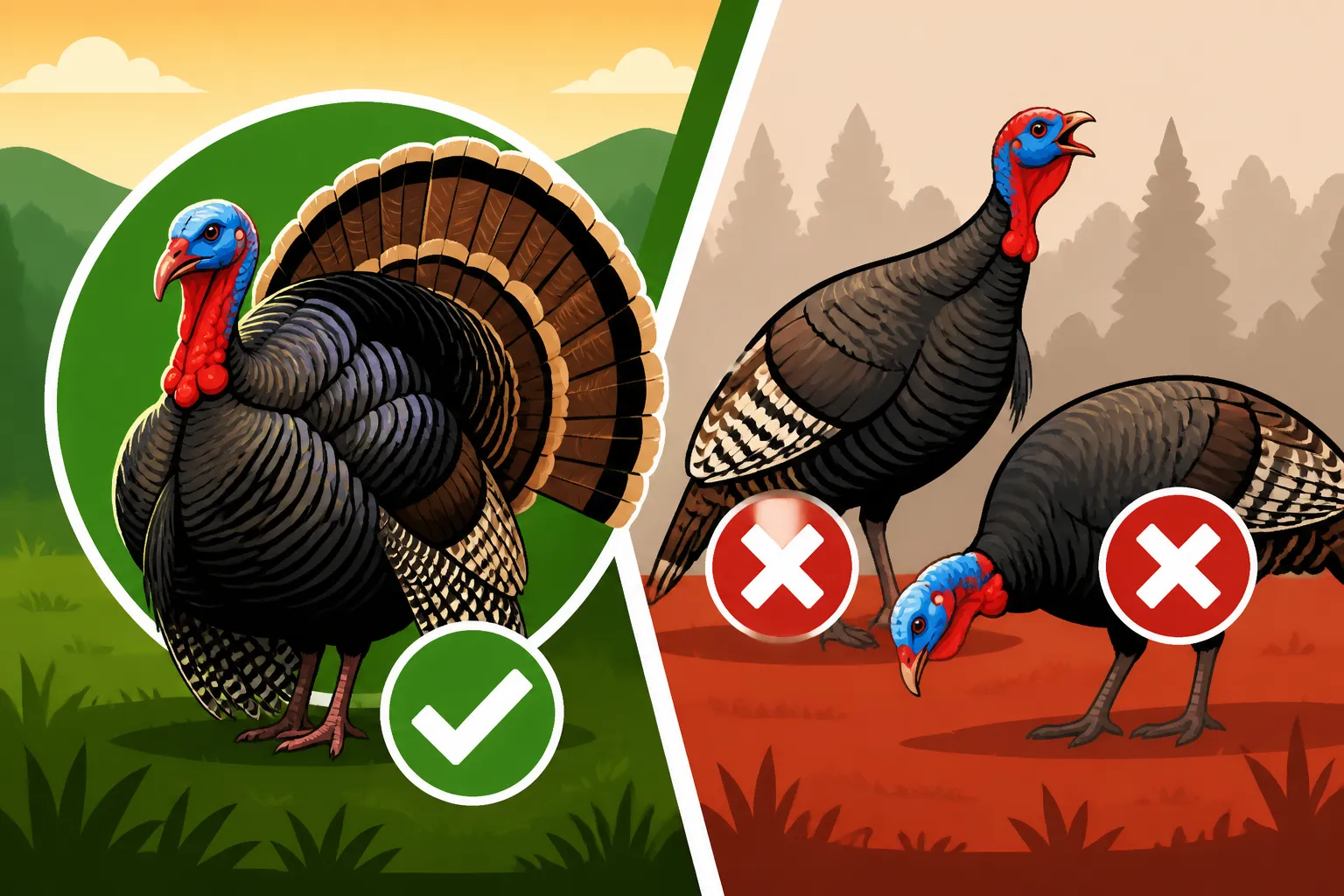
Jakes often have short beards, usually less than 6 inches, and they're usually thin and wispy. Their tail fans, if they strut, are typically uneven, with the central tail feathers being noticeably shorter than the outer ones, giving the fan a "stepped" appearance. Their spurs are usually nubs or very short, rounded, and not sharp. On the other hand, adult gobblers boast long, thick beards, often 8-12 inches or more, that hang prominently. Their tail fans are full and perfectly rounded, with all the tail feathers being roughly the same length. And perhaps the most definitive characteristic for older birds are their spurs, which are typically sharp, pointed, and can be anywhere from a half-inch to over an inch and a half long, sometimes even longer on very old birds. Learning to spot these differences is a skill that comes with practice and patience, but it’s crucial for making the right call when a bird steps out.
The Biological Rationale Behind the One-Jake Limit
It’s easy to look at a group of jakes and think, "There are so many, why can't I take more?" However, the TWRA's regulations aren't arbitrary. They're rooted deeply in sound wildlife management principles designed to ensure the long-term health and abundance of Tennessee's wild turkey population. This approach considers not just the current season's harvest but the vitality of the population for years to come.
Protecting Future Breeding Stock
Imagine a herd of deer where you harvest all the young bucks before they have a chance to mature. You'd quickly run into issues with breeding success and population stability. The same principle applies to wild turkeys. Jakes are, quite literally, the future. They are the 1-year-old male turkeys that will, if they survive, become the dominant, breeding gobblers of next season and beyond. By limiting the harvest of jakes to just one per season, the TWRA ensures that a significant portion of this juvenile male population survives to reach maturity.
This survival rate is critical for maintaining a robust and healthy gene pool within the turkey population. These young birds, though not as experienced or dominant as older toms, will mature, develop longer beards and spurs, and eventually compete for hens, contributing to the reproductive cycle. Overharvesting jakes could lead to a scenario where there aren't enough mature gobblers in subsequent years to effectively breed all available hens, which could, in turn, reduce the number of poults (young turkeys) hatched and ultimately shrink the overall population. It's a long-term investment in the resource.
Ensuring Healthy Poult-to-Hen Ratios
The health of a turkey population isn't just about the sheer number of birds; it's also about the balance between males and females, and critically, the success rate of reproduction. A key metric wildlife biologists look at is the poult-to-hen ratio, which gives an indication of how many young turkeys are being successfully produced per hen. For a turkey population to thrive and grow, or at least remain stable, this ratio needs to be healthy. A sufficient number of mature gobblers is essential for ensuring that hens are bred effectively.
While jakes do participate in breeding, they are typically less successful than older, more dominant gobblers. Older gobblers are more experienced, have larger territories, and are generally more effective at attracting and breeding hens. By allowing a significant number of jakes to survive and mature, the TWRA promotes a healthy age structure within the male population. This ensures that there will be a good supply of these dominant gobblers in the coming years, which in turn helps maintain those critical poult-to-hen ratios. A strong male population means more successful breeding seasons, leading to more poults and a healthier, more sustainable turkey population overall. Our article on Tennessee Turkey Population Trends gives more insight into these dynamics.
Navigating the Regulations and Making Ethical Choices
Understanding the biology behind the one-jake limit makes the regulation less frustrating and more logical. As hunters, we play a crucial role in conservation, and adhering to these rules is part of that responsibility. The TWRA has carefully crafted these guidelines, and our participation ensures the tradition continues for future generations.
TWRA's Management Philosophy
The Tennessee Wildlife Resources Agency manages the state's wildlife with a primary goal: sustainability. Their decisions, including bag limits and season dates, are informed by extensive biological research, population surveys, and habitat assessments. The one-jake limit is a direct reflection of this commitment to responsible resource management. They are not trying to make hunting harder; they are trying to make it last forever. This philosophy has largely paid off, leading to a robust and impressive turkey population across Tennessee, a significant conservation success story.
Think about it: by restricting the harvest of young, developing males, the TWRA allows these birds to grow into larger, more challenging, and ultimately more rewarding trophies. This strategy also helps ensure genetic diversity and a strong breeding base for the future. As hunters, we rely on the expertise of wildlife biologists to guide these decisions, and our compliance is a vital part of the success of these programs. Tools like GoHunt can sometimes provide insights into TWRA regulations and local turkey populations, though specific bag limits are always best confirmed directly with official TWRA sources.
When a Jake is an Acceptable Harvest
Given the one-jake limit, it's natural to wonder when it's appropriate to take that jake. For many, especially new or youth hunters, harvesting a jake can be an incredibly exciting and memorable experience. It's their first bird, a tangible reward for their efforts, and it instills a lifelong passion for hunting. The single jake limit is designed to allow for these experiences without undermining the future of the turkey population.
There are also practical scenarios for seasoned hunters. Perhaps it's late in the season, and you haven't had an opportunity at a mature gobbler, or you're on a public land hunt where adult gobblers are heavily pressured. If a jake is the only legal bird that presents an ethical shot, and you still have your jake tag available, it's a perfectly acceptable harvest. The key is to make that decision consciously, understanding that it fulfills your jake tag for the season. This rule lets you "get on the board" and enjoy the fruits of your labor without compromising the overall health of the local population. Remember, whether it’s a jake or a seasoned tom, every harvested bird is a trophy and a testament to a successful hunt. For information on making the most of your overall season, consider reading Making the Most of a Two-Bird Season Limit.
Practical Considerations for Tennessee Turkey Hunters
Successfully navigating Tennessee's turkey season means more than just understanding the regulations; it involves developing keen observation skills and making informed decisions in the field. Every turkey hunter has faced that moment of truth when a bird steps out, and you have to make a quick identification.
Field Identification Tips
Accurately identifying whether a bird is a jake or a mature gobbler in the heat of the moment can be challenging. They often look very similar, especially if they are not in full strut or if the light isn't ideal. Here’s a quick comparison to help you hone your skills:
| Characteristic | Jake (1-year-old) | Adult Gobbler (2+ years old) |
|---|---|---|
| Beard | Short, thin, wispy (usually < 6 inches) | Long, thick, prominent (usually 8+ inches) |
| Tail Fan | "Stepped" appearance, central feathers shorter | Full, rounded, all feathers generally even length |
| Spurs | Nubs or short, blunt (usually < 1/2 inch) | Long, sharp, pointed (usually > 1/2 inch) |
| Head Color | Generally duller reds/blues | Brighter, more vibrant reds, whites, and blues |
| Size/Weight | Smaller, leaner body profile | Larger, bulkier body profile |
| Gait | Often more tentative, less confident | Confident, deliberate stride |
When you're out there, waiting for that bird to commit, take an extra second or two if you can. Look for the full, rounded fan and a long, prominent beard. Focus on the leg spurs, as they are a very reliable indicator of age. Patience truly is a virtue in turkey hunting, not just for calling them in, but for making a positive identification. Practice identifying these features on photos or videos before season, so you’re ready when a bird comes into range. And while you're focused on identification, knowing your calling techniques can also help bring those birds closer for a better look; read up on Turkey Calls Worth Carrying in Tennessee for some great advice.
The Broader Impact on Turkey Hunting Quality
The TWRA's strategic decision to implement a one-jake limit isn't just about raw numbers; it's about enhancing the overall quality of the hunting experience. By allowing more jakes to mature, the agency is actively cultivating a population with a higher percentage of older, more experienced gobblers. These are the birds that challenge us, the ones that gobble with authority, that lead us on exciting chases, and that represent the pinnacle of spring turkey hunting.
Hunting a dominant, two or three-year-old gobbler provides a level of excitement and strategic challenge that is often missing when pursuing younger birds. They are more wary, more responsive to subtle calling, and often require greater skill to outsmart. This commitment to fostering a mature gobbler population makes the Spring Turkey Hunting in Tennessee experience truly exceptional. It ensures that when you connect with a bird, it’s not just a legal harvest, but often a testament to a hard-earned hunt against a wily adversary. This management strategy helps contribute to impressive Tennessee Turkey Harvest Numbers year after year, reinforcing the quality of our wild turkey resource. Using tools like GoHunt to study historical harvest data or success rates can give you a deeper understanding of how these management decisions translate into real-world hunting opportunities.
Disclaimer
Please note: The information provided in this article is for general guidance and informational purposes only. Hunting regulations in Tennessee can change. Always consult the most current official Tennessee Wildlife Resources Agency (TWRA) regulations and publications before participating in any hunting activity. It is the hunter's responsibility to know and follow all applicable laws and regulations.