Tennessee Nonresident 7-Day License Cost
Planning an out-of-state hunting trip to Tennessee can be exhilarating, but let's be honest, figuring out the labyrinth of nonresident hunting licenses and their costs can quickly turn that excitement into a headache. Many folks hope to find a simple, all-inclusive 7-day option for a quick deer or turkey hunt, only to discover that Tennessee's system has a few more layers. This guide is designed to cut through that confusion, giving you a clear, realistic breakdown of what a nonresident can expect to pay for a 7-day hunt in our beautiful state.
The Reality of Nonresident Hunting Licenses in Tennessee
When you're eyeing a specific window to hunt Tennessee, like a quick week-long getaway, it's natural to look for a short-term license that covers your whole trip. However, Tennessee's licensing structure for nonresidents has some important distinctions, especially when it comes to big game versus small game or waterfowl. It’s not always a one-size-fits-all 7-day permit for everything you might want to pursue.
Why the 7-Day Small Game/Migratory Bird License Is Popular
For many nonresidents, particularly those interested in chasing squirrels, rabbits, or even heading out for a duck hunt, the 7-day Nonresident Small Game/Waterfowl license is a fantastic, cost-effective option. This permit allows you to legally hunt small game and migratory birds for seven consecutive days, starting from the date you specify upon purchase. It's perfect for a quick trip to one of our many wildlife management areas or if you've secured permission on some private land to enjoy some fast-paced squirrel action in the hardwoods or a productive dove shoot. The convenience of a specific, short-term license for these species is a big draw, allowing hunters to experience a slice of Tennessee's diverse hunting opportunities without committing to an annual fee. For example, if you're coming down from Kentucky to hunt early goose season in September, this license, combined with the necessary federal and state migratory bird stamps, is exactly what you need. It covers a lot of ground for smaller species, making it an accessible entry point for out-of-state hunters. You can typically find detailed information on these specific rules in the Tennessee Small Game Season Rules.
The Nuance of Nonresident 7-Day Big Game Hunting
Here's where many nonresidents run into a bit of a surprise: while there is a 7-day license for small game and waterfowl, there isn't a corresponding standalone 7-day specific permit designed just for big game species like deer, turkey, or bear. If you're coming to Tennessee for a deer hunt, for instance, even if your trip is only for a long weekend, you'll generally need to purchase the Nonresident Annual Big Game/All Game Hunting license, which includes deer, bear, and turkey permits, alongside your base hunting license. This means that a quick 7-day big game hunt often entails buying a license package that's valid for the entire season, not just your week-long stay. It’s a crucial point to understand for budgeting and planning, as this annual big game permit carries a significantly higher cost than the 7-day small game option. It’s a common frustration for hunters who just want a short stint in the deer woods and wish for a more tailored, short-term option, but it's how the system is currently structured. This is why understanding Tennessee Big Game License Requirements is so important from the outset.
Deciphering the Costs for Big Game Hunting as a Nonresident
So, let's get down to the brass tacks: what's it really going to cost you if you're a nonresident planning a 7-day hunt in Tennessee, particularly if you have big game aspirations? It’s not just one number, but a combination of fees that add up.
The Nonresident Annual Big Game/All Game Permit
As of the most recent information, the primary option for nonresidents looking to hunt big game in Tennessee, regardless of their trip's length, is typically the Nonresident Annual All Game (Type 153) license. This comprehensive permit currently costs $306.00. It's important to understand that this single fee typically bundles the necessary base hunting license with the specific permits required for deer, bear, and turkey. So, even if you’re only coming for a 7-day deer hunt on the Cumberland Plateau in November, this is generally the permit you'll need. It covers your ability to hunt these species for the entire Tennessee hunting season, which, while beneficial for those making multiple trips, can feel like an overinvestment for a single, short visit. This cost is substantially higher than the 7-day small game option, making it the largest component of your expense if big game is your target. You can explore the full range of Tennessee Hunting Licenses and What They Cost to see how this fits into the broader picture.
Additional Permits and Fees You Might Encounter
Beyond the main big game permit, there are other considerations that can add to your total cost, depending on what and where you plan to hunt:
- Federal Duck Stamp ($25.00): If you're pursuing migratory waterfowl (ducks, geese, coots, mergansers), this federal stamp is mandatory for hunters aged 16 and older. It's a national requirement, not just Tennessee's.
- Tennessee Migratory Bird Permit (HIP Certification) ($2.00): This state-specific permit is also required for hunting migratory birds. It helps wildlife agencies track harvest data.
- Wildlife Management Area (WMA) Permit ($45.50 – Nonresident Annual): Many of Tennessee's public hunting lands are designated as WMAs. To hunt on most WMAs, you'll need a WMA permit in addition to your regular hunting license. There is typically no 7-day nonresident WMA specific permit, meaning another annual purchase. If you plan to hunt public ground in the Cherokee National Forest or on one of our other great WMAs, this is a necessary expense. If you're utilizing a service like GoHunt for mapping and scouting, it's wise to check WMA boundaries and regulations closely.
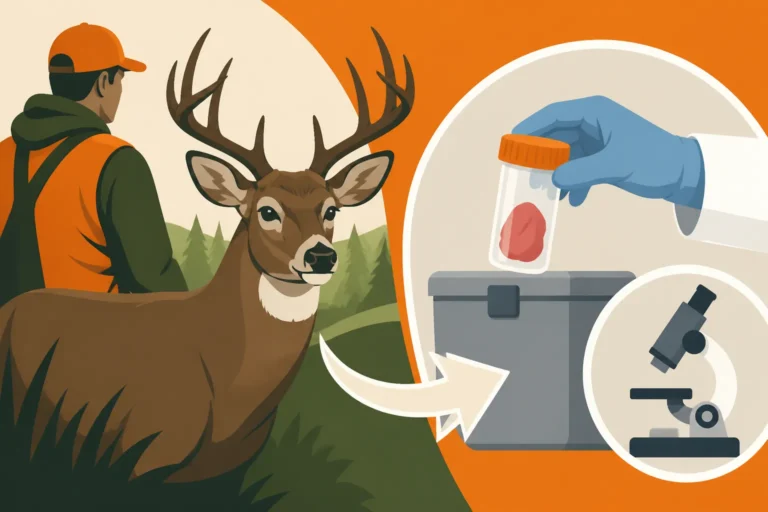
- Voluntary CWD Processing Fee (Variable): While not mandatory, if you harvest a deer in one of Tennessee's Chronic Wasting Disease (CWD) zones and choose to have it processed locally, there might be additional fees if special handling is required to comply with Tennessee Carcass Deboning Requirements. It's a minor cost but worth noting.
These additional fees can quickly add up, transforming your intended 7-day hunt into a more significant investment. It's crucial to factor all these in when planning your nonresident hunting budget for Tennessee.
| License/Permit Type | Approximate Nonresident Cost (2024) | Notes |
|---|---|---|
| Nonresident Annual All Game (Type 153) | $306.00 | Required for deer, bear, turkey (even for a 7-day hunt) |
| Nonresident 7-Day Small Game/Waterfowl | $61.50 | For small game, waterfowl ONLY; does not include big game. |
| Federal Duck Stamp | $25.00 | Required for waterfowl hunters 16+ (national requirement) |
| Tennessee Migratory Bird Permit (HIP) | $2.00 | Required for migratory bird hunters |
| Nonresident Annual WMA Permit | $45.50 | Required for hunting most Wildlife Management Areas (WMAs) |
Is the 7-Day Option Ever Worth It for Nonresident Big Game Hunters?
Given the costs we've just laid out, it's a fair question to ask whether a 7-day trip as a nonresident big game hunter in Tennessee truly makes financial sense, especially when you're purchasing annual permits.
Calculating the Value of Your Investment
Let’s be honest, laying out $306.00 for the Nonresident Annual All Game license, plus potentially $45.50 for a WMA permit, just for a 7-day deer hunt, can feel a bit steep. If you're coming for a week-long hunt for deer, turkey, or bear, you're essentially paying for year-round access that you might not fully utilize.
Consider this hypothetical: a nonresident hunter wants to spend a week in late October hunting deer on Cherokee National Forest Hunting. They'll need the $306.00 All Game license and the $45.50 WMA permit, bringing their license total to $351.50. Add in gas, lodging, food, and gear, and that week-long adventure quickly becomes a significant expense. If, however, that same hunter plans two or three week-long trips throughout the year – maybe one for deer, one for Spring Turkey Hunting in Tennessee, and another for small game – then the annual permits start to offer more bang for their buck. The annual permit means you don't have to buy a new big game permit for each trip within the same license year. For those only able to make a single, short visit, it simply means accepting the cost as part of the total hunt expenses. It's a trade-off many nonresidents grapple with, often validating the frustration that a more granular 7-day big game option isn't available.
Planning Your Hunt to Maximize Value
To truly maximize the value of your nonresident hunting investment in Tennessee, careful planning is key.
- Consider Multiple Trips: If you're close enough or love Tennessee enough, making more than one trip within the license year (which runs from March 1 to the end of February) can help justify the annual permit costs. Imagine a November deer hunt, then coming back for the late archery season in January, or even a spring turkey trip.
- Diversify Your Targets: With the All Game license covering deer, bear, and turkey, you could potentially combine efforts. Maybe your primary focus is deer, but you've also been studying Wild Turkeys in Tennessee and wouldn't mind trying for a fall turkey if the opportunity arises and the season is open.
- Focus on Small Game for Short Trips: If your budget is tight and you simply want a quick hunt in Tennessee, lean into the 7-day Small Game/Waterfowl option. It’s significantly cheaper and allows you to enjoy excellent rabbit, squirrel, or dove hunting, often with less pressure than big game seasons.
- Thorough Scouting and Research: Regardless of your target, effective Scouting Tennessee Public Land Before Season can significantly increase your chances of success, making your investment feel more worthwhile. Using tools like the GoHunt app or other mapping software can help you pinpoint promising areas and understand terrain before you ever set foot in the woods. This is especially true when hunting areas like Hunting West Tennessee Bottomland Deer where understanding subtle elevation changes can make all the difference.
Navigating the Purchase Process and What to Expect
Once you've wrapped your head around the license requirements and costs, actually purchasing your permits is the next step. Tennessee has made this process relatively straightforward, with several convenient options available.
Buying Your Tennessee Hunting Licenses
The Tennessee Wildlife Resources Agency (TWRA) provides several avenues for nonresidents to purchase their hunting licenses:
- Online via Go Outdoors Tennessee: This is by far the most convenient and popular method. You can visit the official Go Outdoors Tennessee website, create an account if you don't already have one, and purchase all your necessary licenses and permits digitally. You'll receive a confirmation and digital copy of your license that you can carry on your phone, which is perfectly legal. The platform is fairly user-friendly and allows you to clearly see what Tennessee Nonresident Hunting License Options are available to you.
- In-Person at License Agents: Across the state, numerous sporting goods stores, bait shops, and county clerk offices serve as authorized license agents. This can be a great option if you prefer to speak with someone in person, have questions, or just enjoy the traditional feel of picking up your license at a local shop upon arrival.
- By Phone: You can also purchase licenses over the phone by calling the TWRA at 1-888-814-8972. This offers another layer of convenience if you're not near a computer or prefer direct assistance.
Remember, whether buying online or in person, make sure you have all your necessary information readily available, including your hunter education certification number (if required).
Essential Information and Preparation Before You Buy
Before you hit that "purchase" button, there are a few critical pieces of information and preparation steps to consider:
- Hunter Education Requirements: Anyone born on or after January 1, 1969, must possess proof of successful completion of a hunter education course. Tennessee recognizes hunter education certifications from all other states and Canadian provinces. Make sure you have your certification card or number handy. If you haven't taken a course, check out the Tennessee Hunter Education Requirements. There are options for an apprentice license, but it comes with restrictions, like requiring a mentor.
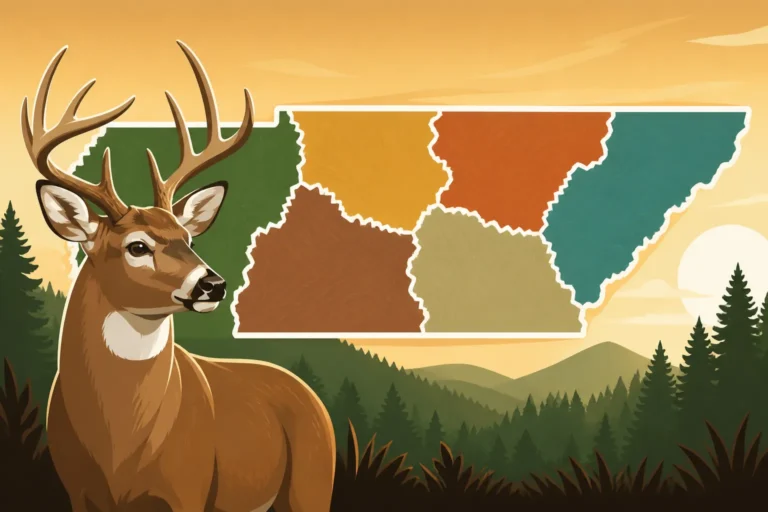
- Understanding DMUs and CWD Zones: For deer hunters, Tennessee is divided into six Deer Management Units (DMUs), each with its own specific bag limits and regulations. Knowing which DMU your hunting area falls into is crucial for staying legal. Furthermore, portions of West and Middle Tennessee are designated as Tennessee's Chronic Wasting Disease Management Zone. Hunting in these areas comes with additional regulations, such as carcass transportation restrictions and mandatory CWD testing requirements for deer harvested during certain periods. Always check the latest TWRA regulations for these zones, as they can change.
- Carrying Proof of License: While digital copies are accepted, it's always a good idea to have a backup. Save a screenshot to your phone, or print a physical copy, especially if you anticipate being in areas with poor cell service. There’s nothing worse than running into a game warden and not being able to pull up your license.
- Review the Current Regulations: Seasons, bag limits, and specific WMA rules can change year to year. Before you commit to a trip, always download or pick up a copy of the current Tennessee Hunting and Trapping Guide. It’s your ultimate resource for staying compliant. Services like GoHunt often integrate regulation summaries, which can be helpful during the planning stage, but the TWRA guide is the final word.
Taking the time to understand these nuances and prepare properly will ensure your 7-day nonresident hunt in Tennessee is both enjoyable and fully compliant with state regulations. Good luck, and happy hunting!
Disclaimer
The information provided in this guide is for general informational purposes only and is subject to change. While we strive to provide accurate and up-to-date content, hunting regulations, license costs, and season dates are determined by the Tennessee Wildlife Resources Agency (TWRA) and can be modified at any time. Hunters are solely responsible for verifying all current rules, regulations, and permit requirements directly with the TWRA before engaging in any hunting activities. Always refer to the official TWRA website and the current Tennessee Hunting and Trapping Guide for the most accurate and legally binding information.