Rabbit Hunting Thick Tennessee Brush
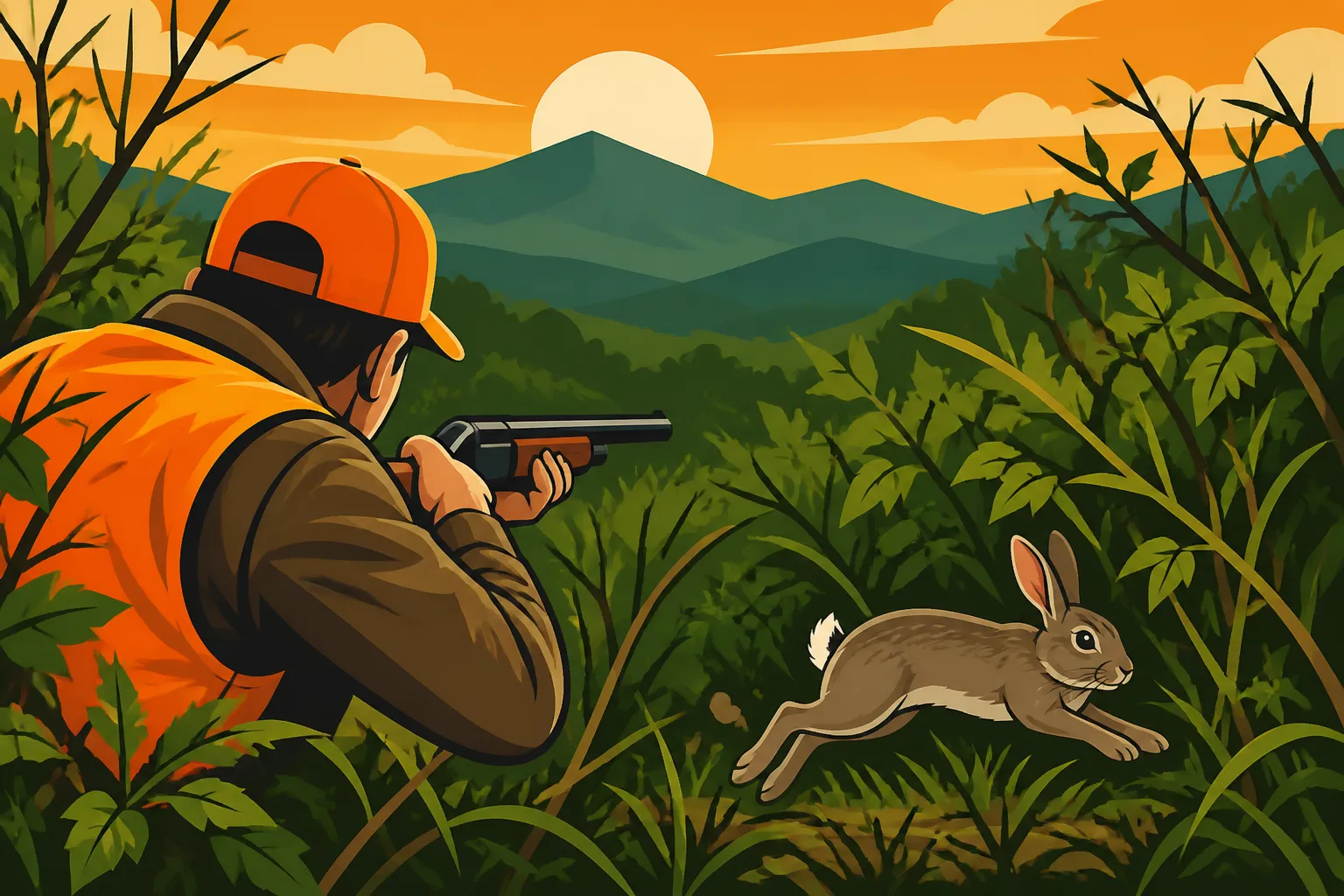
There’s nothing quite like the thrill of a rabbit flush – that sudden explosion of brown fur rocketing from underfoot, sending your heart into overdrive. But let’s be honest, trying to chase those wily cottontails through the thick, tangled brush of Tennessee can feel like wrestling a porcupine in a phone booth. It’s hot, it’s sticky, you’re constantly snagging on thorns, and half the time, the rabbit simply vanishes into an impenetrable green wall. This guide is here to help you cut through the frustrations and develop effective strategies for finding and bagging rabbits in the densest cover our state has to offer.
Understanding Tennessee Cottontails and Their Habitat Preferences
Tennessee cottontails are masters of evasion, and nowhere is this more evident than in their choice of habitat. They don't just like thick cover; they live in it, moving quickly between pockets of safety and feeding areas. Understanding this preference is key to success.
The Elusive Nature of Brush-Dwelling Rabbits
Rabbits in Tennessee's dense brush aren't just hiding; they're essentially living in a fortress. Think about it: a rabbit weighs a few pounds, maybe. When it's surrounded by briars, honeysuckle, downed timber, and thorny multiflora rose, it has an incredible advantage. This thick vegetation provides not only shelter from predators like coyotes, bobcats, and hawks but also a reliable food source throughout much of the year. Their small size allows them to navigate tunnels and openings that we, as hunters, can barely crawl through, if at all. This is why you often hear a rustle just ahead, take one step, and they've seemingly dematerialized. It’s not magic; it’s just them using their environment to their absolute advantage, knowing every escape route and every hidden sanctuary within that tangled mess.
The frustration often stems from seeing what seems like "perfect" rabbit habitat – a briar patch the size of a small car – only to walk through it without a single flush. This isn't necessarily because there are no rabbits there, but because they can hunker down so tightly or slip out the back door so silently that you never even knew they were there. Their instinct is to freeze, then bolt at the last possible second, often taking a path directly through the thickest part of the cover, making a clean shot nearly impossible. It’s a constant chess match, and the rabbit holds most of the pieces.
Prime Habitat Indicators
So, if they're such masters of concealment, how do you even begin to find them? It starts with looking for specific types of cover. Rabbits need a combination of food, water, and dense cover. In Tennessee, this often translates to overgrown field edges, creek bottoms, old logging cuts, abandoned farmsteads, and areas where multiflora rose, honeysuckle, and greenbrier have taken over. Think about transitions – where a field meets a woodline, or where a clear-cut is growing back thick and thorny. These edge habitats are rabbit magnets.
Another tell-tale sign of good rabbit country is the presence of other small game. If you're seeing squirrels in a bottomland hardwood forest, chances are there's some thick stuff nearby that could hold rabbits, especially along the edges of that timber where it transitions to brushy fields. Look for areas with a variety of cover types close together. A thick fencerow leading to a dense briar patch next to a field of standing corn or beans? That’s gold. Rabbits will feed in the crop field, then dive straight into the fencerow or briars for safety. These areas also hold a surprising amount of cover even in the coldest parts of winter, which is when the season really shines. You can often find areas like this by doing some preliminary Scouting Tennessee Public Land Before Season with mapping apps like GoHunt, looking for those distinct habitat transitions.
Essential Gear and Tactics for Thick Cover Hunting
Before you dive headfirst into a briar patch, it's crucial to be properly equipped. Hunting thick Tennessee brush isn't for the faint of heart, or the unprepared.
Shotguns and Ammunition for Close-Quarters Action
When you're rabbit hunting in thick brush, shots are often sudden, fleeting, and at very close range. This isn't the place for tight chokes or long-range magnum loads. A fast-swinging, open-choked shotgun is your best friend. Many hunters favor a 12-gauge or 20-gauge pump or semi-auto with an improved cylinder or even a cylinder bore choke. The goal is to throw a wide pattern quickly. You might only get a split-second glimpse of a rabbit as it explodes from cover and darts into another tangle, so a broad spread of shot increases your chances of connecting.
As for ammunition, a light field load with shot sizes like 6 or 7 ½ is usually ideal. These smaller pellets create a denser pattern, and at the close ranges typical of rabbit hunting, they have more than enough energy to ethically take a cottontail. Magnum loads are overkill and simply destroy too much meat. You want something that will spread out and stop a fast-moving rabbit without turning it into hamburger. Think about the Shot Size for Squirrel and Rabbit – generally on the smaller side for both. And remember, carrying a few extra shells is always a good idea, as follow-up shots on a fleeing rabbit are common.
Footwear, Clothing, and Safety in the Briars
This is where many hunters get it wrong and end up miserable. Hunting thick brush means you will encounter thorns, briars, and abrasive vegetation. Proper clothing is not just about comfort; it's about protection. Invest in good quality brush pants or chaps made from tough, briar-resistant material like canvas or nylon. Denim jeans just won't cut it after a few hours in thick greenbrier. A durable, long-sleeved shirt or briar-proof jacket is also a must, to protect your arms from scratches and scrapes. Don't forget a good pair of gloves to protect your hands when pushing through thorny thickets.
Your footwear is equally important. You'll be walking uneven ground, often wet and muddy, so waterproof, ankle-supporting boots with good traction are essential. Rubber boots are a popular choice for their waterproof qualities, especially in damp creek bottoms or after a rain. When you're out there, you'll be thankful for every bit of protection. For general gear, an Upland Vests With Water Capacity is a great addition, allowing you to carry shells, water, and even a couple of rabbits without a bulky backpack. Safety glasses are also a smart idea to protect your eyes from snapping branches and stray pellets.
The Role of Dogs: Beagles and Other Rabbit Hounds
While you can hunt rabbits without a dog, bringing a good rabbit hound, especially a Beagle, completely changes the game. Dogs are invaluable for their ability to root out rabbits from the densest cover that hunters might simply walk past. Their keen sense of smell allows them to pick up a rabbit's scent and then, with their characteristic baying, push the rabbit out into more open areas or, more commonly, around in a circle back towards the hunters. This allows hunters to position themselves strategically, anticipating where the rabbit will emerge. A well-trained Beagle, like those used for Running Beagles on Tennessee Cottontails, makes the experience infinitely more productive and enjoyable.
The beauty of hunting with dogs is that it often turns a solo endeavor into a social event. You and your hunting buddies can spread out, listen to the dogs work, and communicate as the rabbit is pushed from one thicket to another. The dogs do the hard work of untangling the briars, keeping the rabbit moving, and often signaling its location, turning an otherwise frustrating task into a dynamic hunt. Even if you don't own a dog, finding a friend or a hunting club that does can open up a whole new world of rabbit hunting opportunities in Tennessee.
Strategic Approaches to Working Dense Brush
Once you're geared up and perhaps have a canine companion, it's time to talk strategy. Simply crashing through the woods isn't the most effective way to fill your vest.
Pushing Cover Effectively
Whether you're hunting solo or with a group, the way you "push" cover makes all the difference. When hunting alone, focus on smaller, manageable pockets of cover. Approach from the downwind side if possible, and walk in a zig-zag pattern, kicking brush piles and pausing frequently. Rabbits often hold tight, so a sudden stop can sometimes make them nervous enough to bolt. Keep your gun ready, eyes peeled for any movement. Often, the rabbit won't bolt until you're right on top of it, so being prepared for that instant reaction is paramount.
With a group, communication and coordination are key. Designate one or two "pushers" to walk through the thickest cover, while "blockers" position themselves around the edges, anticipating escape routes. The pushers should move slowly and methodically, making noise, kicking brush, and letting the dogs work. The blockers need to be still, observant, and ready for a quick shot. Using a GPS mapping app like GoHunt can help everyone stay aware of each other's positions and avoid crossing fire zones. Remember, safety always comes first, so clear lines of sight and knowing where your hunting partners are at all times is non-negotiable. This is especially true when doing Deer Drives on Tennessee Public Land, but it applies just as much to rabbit hunting.
Setting Up for the Flush
Anticipating where a rabbit will flush is a skill honed over time, but there are some general principles. Rabbits prefer to run along established game trails, fencerows, or the edges of cover. If you're pushing a dense briar patch that's bordered by a more open wood line or a creek bank, chances are the rabbit will try to skirt the edge of the heavier cover rather than plunge back into the thickest part. Blockers should position themselves to cover these likely escape routes, making sure they have a clear shot lane without endangering the pushers or dogs.
Consider the topography too. If you're pushing rabbits uphill, they often run diagonally across the slope rather than straight up. If there’s a ditch or a slight depression, they might follow that for added cover. Think about the rabbit's perspective: where would you run if you were flushed from this spot? If a rabbit is pushed into a small, isolated patch of cover, it will often circle back to its original hiding spot if given the chance. This is where Beagles really shine, as they can keep the rabbit moving in a predictable pattern, allowing hunters to take a stand.
Post-Flush Strategy and Follow-Up Shots
So you've pushed the cover, the dogs are barking, and a rabbit explodes from the brush! What next? First, stay calm. It's easy to get flustered by the sudden action. If you get a shot and miss, or if the rabbit is only winged, don't give up. Rabbits are incredibly tough and fast, and they can disappear in an instant. Keep your eyes locked on where the rabbit went, noting any distinctive landmarks. Often, they won't run far before diving back into the next available cover.
If you have dogs, they'll usually be hot on the trail, giving you a chance for a follow-up shot. If you’re hunting without dogs, mark the spot and move quickly to that new cover. Sometimes a quick second push can get the rabbit moving again. If you're successful and down a rabbit, retrieve it quickly. Don't leave it to suffer. Clean the rabbit as soon as possible, especially on warmer days, to preserve the meat. Carrying game bags or simply putting it in your vest will protect it until you can get back to camp.
Seasonal Considerations and Legalities for Tennessee Rabbit Hunting
Knowing when and where to hunt, along with the rules, is just as important as the how.
Best Times to Hunt
Tennessee's rabbit season typically runs through the fall and winter months, providing plenty of opportunities. Early season hunting in October and November can be challenging because the vegetation is still incredibly thick, offering maximum cover for rabbits. While you might find a lot of rabbits, getting a clean shot can be tough. As the season progresses into December and January, the cooler temperatures cause much of the herbaceous cover to die back, making rabbits more visible and the thickets a bit easier to penetrate. This late season period, especially after a frost or light snow, is often considered prime time.
Weather plays a significant role. Overcast days with light rain can be excellent, as rabbits might be more active and their scent is easier for dogs to track. Right after a cold front passes through, when the sun is out but temperatures are crisp, can also be fantastic. Rabbits will often be out feeding more actively before hunkering down for the really cold weather. Pay attention to morning and late afternoon hours, when rabbits tend to be most active, though a good dog can get them moving any time of day.
Tennessee Rabbit Season Dates and Regulations
Before you head out, always double-check the current Tennessee Rabbit Season Dates and the latest regulations published by the Tennessee Wildlife Resources Agency (TWRA). Seasons typically open in the fall and run well into winter. The daily bag limit for rabbits is generally generous, but it's crucial to know the exact numbers for the current year.
You'll also need the appropriate Tennessee hunting licenses. For residents, this usually means a basic hunting license, and potentially a Migratory Bird / Waterfowl stamp if you're also pursuing other small game like woodcock or snipe. Non-residents have several options, including a 7-day small game/waterfowl license or an annual non-resident hunting license. Make sure you understand all the Tennessee Small Game Season Rules before you step into the field. Hunter education requirements also apply to most hunters, so ensure you meet the Tennessee Hunter Education Requirements if you haven't already.
Navigating Public and Private Land for Rabbit Hunting
Tennessee offers a variety of public lands for rabbit hunting, including many Wildlife Management Areas (WMAs) and portions of the Cherokee National Forest. While these areas can be great, they also see hunting pressure. Using mapping tools like GoHunt or the TWRA's own mapping features can help you locate suitable public areas and scout them virtually for good rabbit habitat. Look for clear-cuts that are 3-10 years old, field edges, and creek bottoms on public lands.
Private land, if you can gain access, often holds the best rabbit hunting, as it typically sees less pressure. Don't be afraid to knock on doors and ask for permission from landowners, especially farmers. Many farmers are happy to have hunters help reduce rabbit populations that might be impacting crops, though they might be more interested in deer hunting. Always be respectful, offer to share your harvest, and leave the property in better condition than you found it. Showing common courtesy and being a responsible hunter can open up many doors for future hunting opportunities.
Here's a quick look at some key gear for chasing cottontails in the brush:
| Gear Item | Recommended Features | Why It's Important |
|---|---|---|
| Shotgun | 12 or 20 gauge, pump or semi-auto, Improved Cylinder choke | Quick handling, wide pattern for close, fast shots in dense cover. |
| Ammunition | Field loads, #6 or #7.5 shot | Dense pattern, sufficient energy for rabbits, minimal meat damage. |
| Brush Pants/Chaps | Heavy-duty canvas, briar-resistant synthetic | Essential protection from thorns, briars, and abrasive vegetation. |
| Long-Sleeved Shirt | Durable, thorn-resistant fabric | Protects arms from scratches and scrapes. |
| Gloves | Thick leather or synthetic, briar-proof | Keeps hands safe when pushing through thorny thickets. |
| Waterproof Boots | Ankle support, good traction, rubber or leather | Navigating wet, muddy, and uneven terrain; crucial for comfort and safety. |
| Upland Vest | Pockets for shells, game pouch, water bottle holder | Conveniently carries essentials, keeps hands free, holds harvested rabbits. |
| Safety Glasses | Impact-resistant lenses | Protects eyes from snapping branches and potential stray shot. |
| GPS/Mapping App | Offline capabilities, property lines (GoHunt) | Navigation, identifying cover, marking spots, maintaining safety. |
| Hunting Dogs | Beagles or other rabbit hounds (optional but recommended) | Invaluable for flushing rabbits from dense cover and circling them back to hunters. |
Disclaimer
Hunting is an activity that carries inherent risks. Always prioritize safety, understand and follow all Tennessee Wildlife Resources Agency (TWRA) regulations, and ensure you have the appropriate licenses and permits. This guide is for informational purposes only and does not substitute for official TWRA guidance or professional hunting instruction. Be respectful of wildlife, landowners, and other hunters.