Decoy Placement for Pressured Tennessee Birds
There's nothing quite as frustrating as doing all the right things – getting up before dawn, trekking into your spot, setting up your calls and decoys just so – only to have birds hang up, flare off, or simply ignore your setup. For hunters in Tennessee, especially on public lands or areas that see a lot of traffic, this is a common headache. This guide is all about tackling that exact problem: how to rethink your decoy placement to outsmart those highly pressured birds, giving you a better shot at success.
Understanding What Makes a Bird "Pressured"
Before we can even think about where to put our decoys, we need to really understand what it means for a bird to be "pressured." It’s not just a buzzword; it’s a very real behavioral shift that game animals undergo when they’ve had too many encounters with hunters. And let's be honest, in a state like Tennessee with a passionate hunting community and finite public land, many of our birds have gotten pretty street-smart.
The Behavioral Shifts in Pressured Turkeys
Think about a gobbler who's been called to, shot at, or even just seen hunters in his strut zone day after day. He's not dumb; he learns. Instead of charging in aggressively to a hen decoy, he might "hang up" at 80 yards, gobbling his head off but refusing to commit. He’s seen that scenario play out before, and it didn't end well for his buddies. He might circle your setup widely, trying to get a visual from a safe distance, or he might just go completely silent, having learned that loud calls and visible decoys often mean danger. These birds become hyper-aware of anything that looks or feels unnatural. A perfectly placed, shiny new decoy might be exactly what spooks them, not draws them in. They’ve developed an uncanny ability to spot a threat, even if it’s just a slight misalignment or an unrealistic posture.
How Waterfowl React to Hunting Pressure
Ducks and geese are no different. Those early-season birds that cup their wings and dive into a simple spread are quickly replaced by wily veterans who circle high, scrutinize every detail, and often opt for an untouched field or distant slough instead. They've heard every call, seen every decoy spread, and flown over enough blinds to know what danger looks like. We've all watched a big flock swing wide, sometimes three or four times, only to peel off and disappear, leaving us scratching our heads. They're looking for discrepancies – too many decoys in a tight group, unnatural spacing, unnatural movement (or lack thereof), or the glint of a hunter's face in a blind. They’ll often prefer to land short, just out of range, to test the waters before committing. This is particularly true in heavily hunted areas like sections of Reelfoot Lake or popular river bottoms, where birds are constantly being educated.
Why Traditional Setups Often Fail
The reason standard, cookie-cutter decoy setups fail with pressured birds is simple: those birds have seen them a hundred times. They’re looking for a reason not to come in, and a typical spread gives them plenty. A large, perfectly symmetrical turkey spread with multiple jakes and hens might scream "ambush!" to an old gobbler. Similarly, a big block of duck decoys that looks identical to every other spread on the public marsh will be ignored by wary mallards. We're essentially showing them the same trick over and over, expecting a different result. Instead, we need to break the mold, be less predictable, and focus on subtle realism rather than flashy numbers.
Strategic Decoy Placement for Pressured Turkeys
When hunting those old, wise gobblers in Tennessee, especially during the later parts of the season or in well-trafficked areas, your decoy strategy needs to evolve. Forget about trying to draw every bird on the ridge; focus on convincing one specific, wary bird that what he’s seeing is absolutely, unequivocally real and safe.
The Power of Minimalism: Less is More
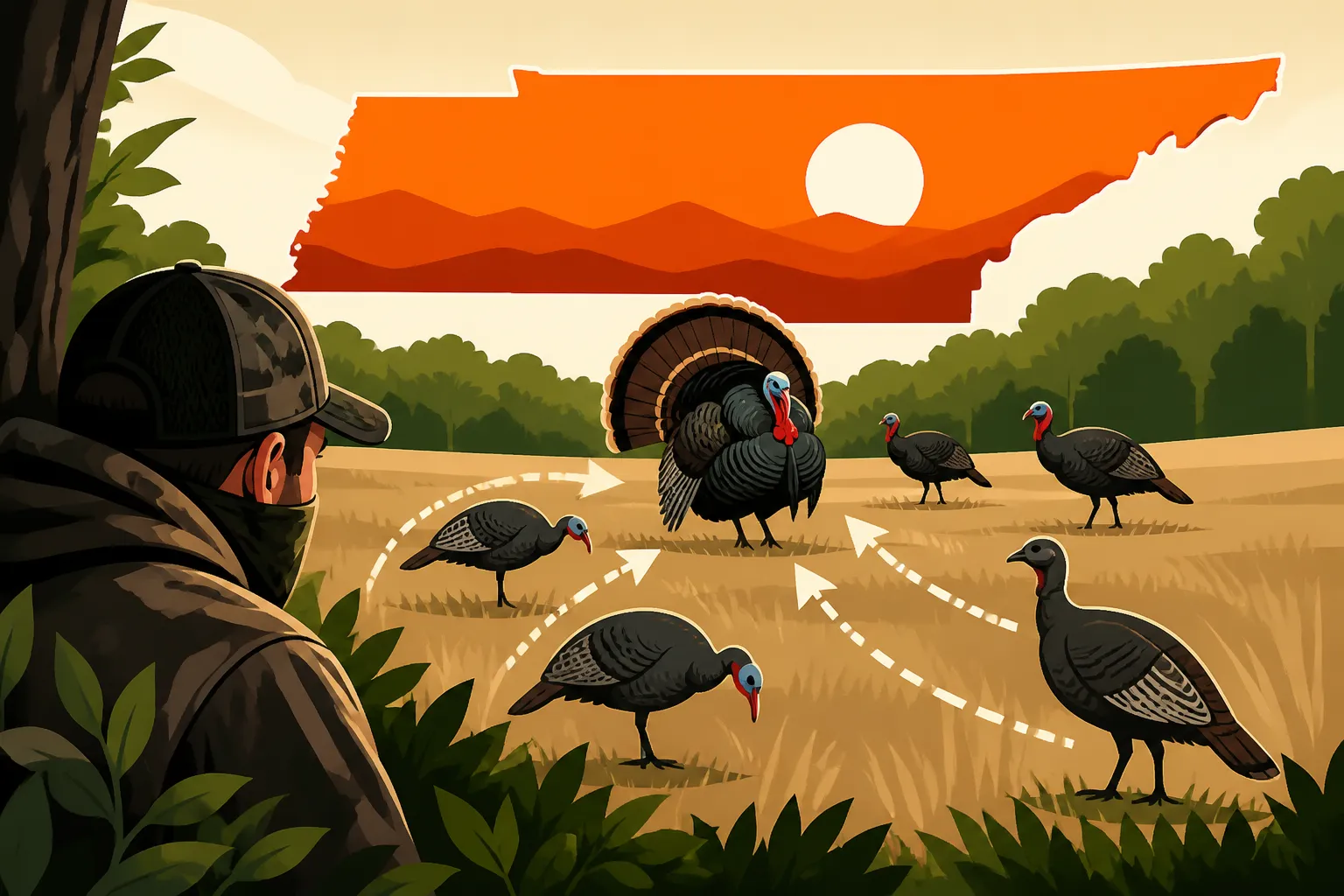
This is where many hunters go wrong. We often think more decoys mean more attraction, but for pressured birds, it can signal an alarm. A single, realistic hen decoy, or perhaps one hen with a submissive pose, can be far more effective. The goal isn't to create a huge flock, but to represent a natural, non-threatening situation.
- The Lone Hen: A single hen, especially in a feeding or breeding posture, can be incredibly effective. It looks unassuming, non-threatening, and realistic. Place her where she's visible but not aggressively dominant. An old gobbler might just see an easy, available hen and come in to investigate without the perceived competition of other toms. Consider placing her slightly off-center from your expected approach path, making the gobbler expose himself for a shot as he circles.
- Subtle Breeding Pair: If you must use two, a breeding hen with a receptive jake or tom can work, but keep the jake/tom in a submissive or feeding posture. Avoid aggressive full-strut poses that can intimidate wary gobblers or signal a potential fight they'd rather avoid. The idea is to portray a calm, everyday scene.
Angles, Distances, and Concealment for Turkeys
Placement is everything. Think about how a turkey approaches in the wild and try to replicate that.
- Positioning for the Shot: Generally, you want the gobbler to come in facing away from you or broadside, giving you a clean shot at the vitals. Place your decoy(s) about 15-20 yards from your position. This allows the bird to get close enough for a good shot but also gives you a little buffer. You want the gobbler to approach the decoy, not necessarily your blind.
- The "Behind You" Trick: A tactic that can work wonders for hung-up gobblers is placing a single hen decoy 10-15 yards behind your blind or setup, facing away from you. This creates the illusion that the hen is wandering off, forcing the gobbler to circle past your position to get a better look, often bringing him into range. He thinks he's cutting her off, but he's actually walking into your trap.
- Using Natural Cover: Don't just plop decoys in the middle of a field. Use natural breaks in terrain, brush lines, or the edge of a timber cut to make them appear more integrated into the environment. If you're hunting open areas like those often found on farmland field edges, consider a spot where the gobbler will have to come over a slight rise or around some natural cover to see the decoy, thus giving you a moment to prepare for the shot. Remember, when you're setting up against a big oak, your decoys should look like they belong there.
- The Realistic Look: Choose decoys with natural feather patterns and minimal shine. Some hunters even dull down their decoys with fine sandpaper or non-reflective paint to reduce glare that could spook a bird. Avian-X and Zink Calls offer excellent realistic decoys that can help with this.
Strategic Decoy Placement for Pressured Waterfowl
Duck and goose hunters know the pain of watching birds shy away. These birds have an incredible memory and keen eyesight. Our decoy spreads need to be less about sheer numbers and more about telling a convincing story that overrides their ingrained suspicion.
Creating Naturalness Over Density
Unlike the early season, when a big, dense blob of decoys might pull in juvenile birds, pressured waterfowl are looking for subtle cues of safety and food. Think sparse, natural, and spread out.
- The Small, Loafing Group: Instead of a massive "U" or "J" spread, try small, scattered groups of three to five decoys, mimicking birds that are casually loafing or feeding without urgency. Place these pockets in different depths or along subtle current lines. This looks much less like a hunter's trap and more like a safe, relaxed gathering.
- Landing Strips and Gaps: Smart ducks and geese will almost always try to land into the wind, but they'll also look for a wide-open, non-threatening area to settle. Create generous, natural-looking landing zones within your spread. These aren't precise lanes, but rather open pockets where birds can feel comfortable. Ensure these gaps are downwind from your blind, forcing birds to commit and come within shooting range as they approach.
- Wind and Current Considerations: Always set your decoys into the wind, just as real birds would face. If you're hunting a river or large body of water, pay attention to the current and how it naturally pulls decoys. Use motion decoys sparingly and realistically; an excessive amount of spinning wing decoys can actually spook wary birds who've learned they signal danger. A subtle jerk string or a few strategically placed motion decoys can add realism without overdoing it.
- Depth and Species Diversity: Mix up your decoy species if you're targeting a variety of ducks. Have a few pintails, wigeon, or gadwall in the mix, not just mallards. Place some shallower feeding decoys near shore and deeper diving duck decoys further out if appropriate for the location. This creates a diverse, more natural-looking tableau.
Angles, Distances, and Blind Concealment
Your blind and decoy placement work hand-in-hand. Even the best decoy spread can be ruined by a poorly concealed blind.
- The Landing Zone: Aim for your primary landing zone to be within 20-30 yards of your blind. This is your sweet spot for ethical, clean shots. If birds are consistently landing just out of range, adjust your spread further out, or better yet, make your landing zone more appealing.
- Blind Concealment: This cannot be overstated. From a duck's perspective high above, a blind can stick out like a sore thumb. Brush in your layout blind hunting a cut cornfield until it literally disappears. Use natural vegetation from the area. If you're in a permanent blind like those found when hunting the Reelfoot Lake duck blinds, make sure your brushing is fresh and dense, and eliminate all shiny objects. Consider using GoHunt's mapping features to scout potential blind locations that naturally offer better concealment or allow for unconventional decoy angles.
- Sky-Busting vs. Waiting: With pressured birds, patience is key. Resist the urge to sky-bust. Let them work, let them commit. Even if it takes several passes, a successful, close-range shot is always better than a Hail Mary that only educates them further.
Table: Decoy Strategies for Pressured Game
| Game Type | Key Decoy Philosophy | Recommended Decoy Setups | Critical Placement Factors | Common Mistakes to Avoid |
|---|---|---|---|---|
| Wild Turkey | Minimalism & Realism – Portray non-threatening scenes. | Single feeding hen; single receptive hen; hen & submissive jake. | 15-20 yards from shooter; utilize natural cover; "behind blind" tactic for hung-up birds. | Too many decoys; aggressive full-strut jakes/toms; shiny decoys; placing in wide open. |
| Waterfowl | Naturalness & Space – Mimic relaxed, scattered groups. | Small, scattered groups (3-5 decoys); generous landing zones downwind. | Into the wind; 20-30 yards from blind; vary depths; integrate motion sparingly. | Dense, symmetrical spreads; too many motion decoys; poor blind concealment; no landing zone. |
Key Considerations for Decoy Success
Beyond the specific placement strategies, there are overarching principles that tie everything together when dealing with pressured birds in Tennessee. Without these, even the most perfect decoy setup can fall flat.
Hunter Concealment is Paramount
It doesn't matter how great your decoys look if the birds see you. This applies equally to a turkey hunter leaning against a tree and a duck hunter in a layout blind.
- Turkey Hunter: Blend into your surroundings. Wear full camo, including a face mask and gloves. Stay absolutely still when birds are approaching. Even a slight head turn can be seen. Practice setting up against a big oak or other substantial cover that truly breaks up your outline. Remember the adage: if you can see them, they can see you.
- Waterfowl Hunter: Your blind needs to disappear. Whether it's a permanent blind, a layout blind, or boat blind, it must be brushed in meticulously with local vegetation. Eliminate all shiny surfaces – gun barrels, faces, sunglasses, thermos bottles. Even the smallest glint can send a wary flock flaring. Think about the overhead perspective; ducks see everything from above. Use mapping tools like GoHunt to scout locations that naturally offer better cover or unique terrain advantages for blind placement, ensuring you're not silhouetted against the sky.
Calling Strategy to Complement Decoys
Your calling should support your decoy setup, not contradict it.
- Turkey Calling: If you're running a minimalist hen decoy, your calling should be soft, subtle, and infrequent. Over-calling or aggressive calling can make a wary gobbler suspicious, especially when Tennessee gobblers go quiet in May. A few soft yelps, clucks, and purrs, followed by long periods of silence, often works better than continuous loud calling. Let your decoy do most of the talking by simply existing, and use your call to pique interest, not demand attention. Learn to read the bird's mood; sometimes, less is truly more when calling a Tennessee gobbler off the roost.
- Waterfowl Calling: With pressured ducks, less is often more. Soft clucks, subtle quacks, and feeding calls are more effective than loud, aggressive hailing calls that scream "hunter." Learn to read the bird's reaction. If they're cupped and committed, stop calling. If they're circling wide, a few soft quacks might reassure them. For geese, short, sharp clucks and moans are more natural than long, drawn-out honks. Consider practicing your calling techniques and experimenting with various turkey calls worth carrying in Tennessee or duck calls to find what works best for specific conditions.
Confidence in Your Setup
One of the hardest things to do when hunting pressured animals is to have confidence in a strategy that goes against traditional wisdom. But you have to trust your unconventional approach. If you're constantly fidgeting, moving, or second-guessing, you'll inevitably spook birds.
- Stay Positive: It’s easy to get discouraged when birds aren’t cooperating. But every fly-by is a learning opportunity. Did they flare left? Were they looking at something specific?
- Adapt and Adjust: Don't be afraid to change your setup mid-hunt if something isn't working. If ducks are landing short, move your decoys out. If a gobbler is hung up, try moving your decoy slightly to mimic movement or even pulling it back a few yards.
- Scouting is Key: The best decoy placement comes from understanding the birds' travel patterns and preferred landing/strutting areas. Utilize scouting apps and aerial imagery to predict where birds want to be, and place your decoys accordingly. Understanding the Tennessee waterflow zones and seasons can also inform your scouting. This proactive approach minimizes the need for drastic, in-hunt adjustments and builds your overall confidence.
Environmental Impacts and Situational Awareness
Tennessee weather is nothing if not unpredictable. From bright, sunny days to pouring rain and heavy winds, environmental factors play a huge role in decoy effectiveness.
- Weather and Visibility: On bright, sunny days, reduce glare from your decoys and avoid placing them where direct sunlight might catch a hunter's face. On overcast or foggy days, slightly bolder spreads might be necessary for visibility, but still err on the side of naturalness.
- Wind and Water: Wind direction dictates how birds will approach. Always set your spreads with the wind in mind, creating a landing zone where birds will finish their approach right in front of you. If hunting moving water, consider how currents affect your duck decoys; a decoy spread that looks natural in still water might be a tangled mess in a strong current. This is where understanding aspects like Reading a Bottomland Slough for a Morning Flight becomes crucial.
- Pressure Monitoring: Be aware of other hunters in the area, especially on public lands. If birds are being shot at constantly from a particular direction, they’ll learn to avoid it. Try to find less-pressured pockets, even if it means walking a little further, or adjust your setup to account for where birds are getting shot from. A good strategy is to find ground others walk past.
Successfully decoying pressured birds in Tennessee is an art form that blends meticulous preparation, keen observation, and the willingness to deviate from conventional wisdom. By focusing on realism, minimalism, and understanding the psychology of wary game, you can turn those frustrating hang-ups and flare-offs into successful hunts.
Disclaimer
Hunting is an inherently dangerous activity. Always prioritize safety, follow all Tennessee Wildlife Resources Agency (TWRA) regulations, and obtain proper licensing before heading afield. This guide is for informational purposes only and does not supersede official hunting regulations or safety guidelines.