Squirrel Hunting Tennessee Bottomland Hardwoods
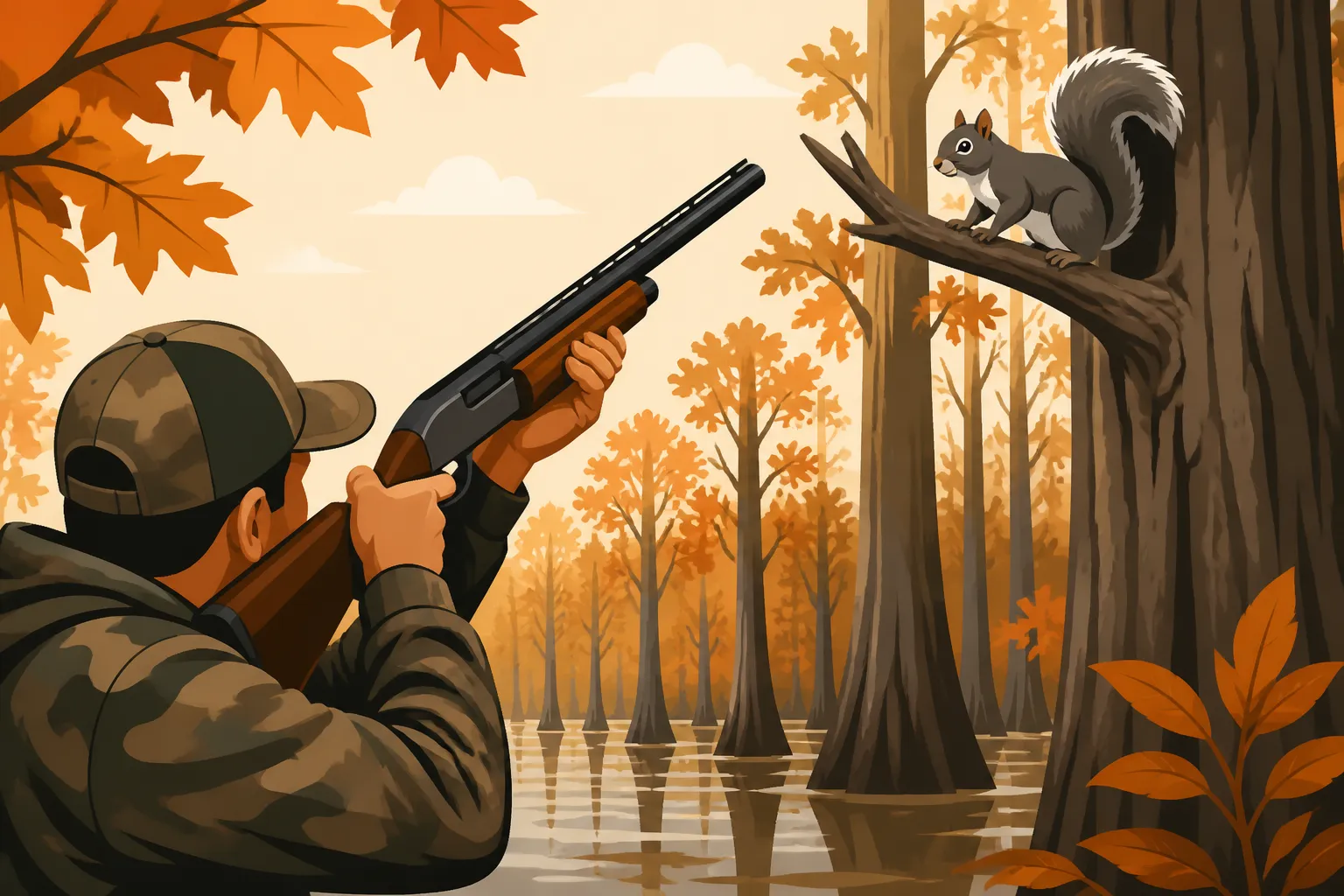
There's nothing quite like the crisp autumn air or the quiet chill of a winter morning, but the frustration of trying to spot a camouflaged squirrel high in the timber, or feeling like you're just wandering aimlessly, can really take the joy out of the hunt. This guide is all about equipping you with the knowledge and tactics to successfully pursue squirrels in Tennessee's rich bottomland hardwoods, turning those frustrating moments into rewarding harvests.
Understanding Tennessee's Bottomland Hardwoods for Squirrels
Tennessee's bottomland hardwood forests are incredibly dynamic ecosystems, shaped by the ebb and flow of rivers and creeks. These areas are squirrel strongholds, offering a buffet of food and abundant cover. But to truly unlock their potential, you need to understand what makes them tick, what the squirrels are looking for, and how their behavior changes throughout the season. It’s not just about walking into any patch of woods; it’s about knowing which patch of woods and when.
Identifying Prime Habitat Features
When you're looking for squirrels in Tennessee's bottomlands, you're essentially looking for food and shelter, and the specific tree species dictate both. Think of mature hardwood stands dominated by mast-producing trees. We're talking about those majestic oaks—especially white oaks, pin oaks, and willow oaks—that drop a bounty of acorns every fall. Hickory trees are another gold mine, with their hard-shelled nuts being a favorite, as are pecans, particularly in the western parts of the state where they grow profusely along river systems like the Mississippi and the Tennessee. These trees aren't just food sources; their often gnarled branches and dense canopy provide the perfect playground and escape routes for a wary squirrel.
Beyond the dominant tree species, pay close attention to the overall forest structure. Are there plenty of den trees, often older trees with cavities and hollows? These provide crucial shelter, especially during cold weather or when raising young. Look for a diverse understory that might offer additional food sources like wild grapes or berries, and also provide ground cover for squirrels to forage. The presence of water, be it a slow-moving creek or a slough, often means rich, fertile soil, which in turn supports a healthier and more abundant mast crop, making these spots particularly attractive to hungry squirrels. Scouting these areas, even without a gun in hand, can be incredibly insightful.
Seasonal Changes and Squirrel Behavior
Squirrel behavior isn't static; it shifts dramatically with the seasons, largely driven by food availability and the weather. In the early season, typically late summer and early fall, the woods are still thick with foliage. This is often when acorns and hickory nuts start to drop, creating a feast. Squirrels will be actively foraging on the ground, burying nuts for winter. During this time, spotting them can be tough because of the dense leaves, and they tend to be more spread out as food is abundant. You might hear them cutting nuts or rustling through fallen leaves, but seeing them is another challenge entirely.
As late fall progresses into winter, the hardwoods shed their leaves, making squirrels much easier to spot. However, food becomes scarcer, and squirrels become more reliant on their cached supplies or the remaining mast. They'll also spend more time in their dens during harsh weather. On sunny, mild winter days, though, they'll emerge to feed, often concentrating around the most dependable food sources that haven't been depleted. This is when you can often find multiple squirrels working the same large oak or hickory, especially after a cold snap when they're eager to refuel. Understanding these shifts is key to knowing where and how to focus your efforts. This is also when knowing how to navigate the woods by Reading Cuttings Under an Oak becomes invaluable, as fresh cuttings can tell you exactly where the squirrels are actively feeding.
Common Squirrel Species in Tennessee Bottomlands
Tennessee is home to a couple of main squirrel species that frequent our bottomland hardwoods, and while they share some similarities, understanding their differences can help you tailor your approach. The most commonly encountered is the gray squirrel (Sciurus carolinensis). These are the nimble, chattery critters you often see scampering up trees. They're typically a mottled gray with white undersides, and they're incredibly agile, often using the entire canopy to evade predators. Gray squirrels are abundant throughout the state, and you'll find them in large numbers in healthy bottomland hardwood forests, especially where acorn production is high. They're quick, making them a fun, challenging target for hunters.
Then we have the fox squirrel (Sciurus niger), which is generally larger and often exhibits more varied color phases, ranging from grizzled gray to reddish-brown, sometimes with a distinctive white nose and ears. Fox squirrels are less numerous than grays and tend to be a bit more solitary and less arboreal. While they certainly climb trees, they spend more time on the ground foraging and are often found in more open timber or forest edges adjacent to fields, though they are still very present in the bottomlands, particularly where mature, widely spaced trees offer both ground access and canopy cover. Their larger size means a bit more meat for the pot, but their wary nature and lower population density can make them a harder target. Recognizing which species you're primarily pursuing can influence your hunting strategy.
Essential Gear and Preparations for Bottomland Squirrel Hunting
Heading into the woods for squirrels might seem simple, but having the right gear can significantly increase your success and enjoyment. Bottomland hardwoods can be damp, tangled, and sometimes challenging to navigate, so being prepared for the environment is just as important as being ready for the shot. Don't underestimate the role of proper equipment; it can make the difference between a frustrating day and a fantastic one.
Firearms and Ammunition Choices
When it comes to firearms for squirrel hunting, hunters in Tennessee have a few tried-and-true options. The .22 rimfire rifle is a classic for a reason. Its accuracy, low recoil, and quiet report (especially with a suppressor, if legal and owned) make it ideal for headshots, preserving more meat, and not spooking other nearby squirrels as much. A good .22 rifle, perhaps a Ruger 10/22 or a Marlin Model 60, paired with solid-point or hollow-point ammunition, can be incredibly effective. However, it demands precise shooting, especially when squirrels are high up or partially obscured.
Alternatively, a shotgun is a popular choice, particularly for running squirrels or those tough shots where precision isn't possible. A .410, 20-gauge, or even a 12-gauge with light loads can be effective. Many hunters prefer a .410 for its lighter recoil and tighter pattern, making it suitable for squirrels without over-damaging the meat. Use smaller shot sizes, typically #6 or #7.5, to get a good pattern. If you're walking thick cover, a shorter Barrel Length for Walking Thick Cover on a shotgun can be a real advantage. Some hunters also favor air rifles, particularly powerful PCP (pre-charged pneumatic) models, for their extreme accuracy and quiet operation, often rivaling a .22 in performance for close-range shots.
| Firearm Type | Pros | Cons | Ideal Use |
|---|---|---|---|
| .22 Rimfire Rifle | High accuracy, quiet, minimal meat damage with headshots, inexpensive ammunition. | Requires precise shot placement, harder for moving targets or obscured views. | Still-hunting, precise shots at stationary squirrels, preserving meat. |
| Shotgun (.410, 20ga) | Good for moving targets, wider pattern increases hit probability, effective at varying distances. | More meat damage if not careful, louder, heavier. | Running squirrels, quick shots, dense cover, general versatility. |
| Air Rifle (PCP) | Extremely accurate, very quiet, minimal meat damage, no powder/primer. | High initial cost for powerful models, limited range, requires air tank/pump. | Close-range, stealth hunting, target practice benefits. |
Optics and Ancillary Equipment
Good optics are absolutely critical for squirrel hunting in bottomlands, especially when the canopy is full. A pair of binoculars, typically 8×42 or 10×42, will be your best friend. They allow you to meticulously scan tree limbs and trunks, spotting the twitch of a tail or the outline of a squirrel that would be invisible to the naked eye. This is especially true when hunting Squirrel Hunting a Tennessee Oak Ridge where spotting small details matters. You can check out options from brands like GoHunt for high-quality, durable binoculars that stand up to the rigors of the woods. Often, a squirrel's camouflage blends perfectly with bark, and binoculars cut through that illusion, revealing your target.
Beyond binoculars, a few other items are non-negotiable. A headlamp is essential for navigating predawn dark timber or walking out after last light, which often happens when you're maximizing your hunting time. A comfortable game vest or small day pack is needed to carry your ammunition, water, snacks, and, most importantly, your harvested squirrels. Nothing is worse than trying to shove a couple of squirrels into your jacket pockets. And speaking of comfort, invest in good waterproof boots. Bottomland areas can be notoriously damp, muddy, and have standing water. Keeping your feet dry and comfortable is paramount for an enjoyable hunt, especially if you're out for several hours. Quality boots, like those from Irish Setter or Lacrosse, will keep you comfortable and focused.
Clothing and Camouflage Considerations
The right clothing for squirrel hunting in Tennessee bottomlands needs to address several key factors: variable temperatures, moisture, and stealth. Layering is always the best approach, allowing you to adapt to temperature swings throughout the day. Start with a moisture-wicking base layer, add an insulating mid-layer like fleece or wool, and top it with a quiet, durable outer layer. Wool is a fantastic choice for outer layers as it remains warm even when wet and is naturally quiet when moving through brush. Avoid noisy fabrics that rustle with every step, as squirrels have excellent hearing.
When it comes to camouflage, patterns that mimic natural hardwoods in autumn and winter are ideal. Brands like Mossy Oak and Realtree offer excellent patterns designed for tree stand hunting that work equally well for still-hunting squirrels. During early season, when leaves are still green, a lighter, more varied pattern might be better, but as the leaves drop, darker, more muted patterns with good contrast will help you blend into the bare timber. Remember, the goal isn't just to hide from the squirrel, but to break up your human outline. Don't forget a hat and gloves in matching camo, as hands and faces are often the most exposed and detectable parts of your body. Finally, check Tennessee Small Game Season Rules for any specific blaze orange requirements, though generally, it's not required for small game unless deer season is also open concurrently.
Proven Tactics for Hunting Squirrels in Bottomland Hardwoods
Squirrel hunting in bottomland hardwoods requires a blend of patience, observation, and strategic movement. These cunning little creatures are masters of their environment, and you'll need to employ a variety of tactics to consistently put them in your game bag. The key is often to slow down, pay attention to the subtle signs, and adapt to the squirrels' behavior on any given day.
Still-Hunting and Stalking Strategies
Still-hunting is arguably one of the most effective and rewarding ways to hunt squirrels in bottomland hardwoods. The principle is simple: move slowly, stop frequently, and observe everything. Think of it as a methodical crawl through the woods. Take a few steps, then freeze for a minute or two, scanning the trees from the ground up to the highest branches with your binoculars. Squirrels are often masters of freezing in place when they sense danger, so your binoculars can reveal their camouflaged forms. Pay close attention to any movement, however slight, or any unusual shapes against the bark.
When stalking, use the terrain and available cover to your advantage. Walk along ridges, creek beds, or behind large trees to break up your silhouette. The soft leaf litter and often damp ground of bottomlands can make for quieter walking than upland areas, but you still need to be mindful of crunchy leaves and snapping twigs. Listen intently for the sounds of squirrels cutting nuts, chattering, or rustling in the leaves. These auditory cues can lead you directly to their feeding areas. When you spot a squirrel, try to get a clear, steady shot without startling it further. Sometimes, even a slight shift in position can cause them to bolt. It’s a slow dance of stealth and precision that makes for an incredibly engaging hunt.
Sit-and-Wait Ambush Tactics
If still-hunting isn't yielding results, or if you've found a particularly active feeding area, a sit-and-wait ambush can be highly effective. The first step is to scout thoroughly to identify these active feeding zones. Look for freshly cut nutshells, disturbed leaves under oak or hickory trees, or even established squirrel trails leading to these mast-rich areas. Once you've identified a prime spot, find a comfortable, concealed position downwind, preferably with your back against a large tree or within some natural brush that breaks up your outline.
Patience is paramount with this tactic. Settle in and remain still, allowing the woods to return to their natural rhythm after your arrival. Squirrels that may have scattered will often return to their feeding. You can also incorporate calling into this strategy. Simple squirrel calls that mimic barks or distress sounds can often draw a curious squirrel out from behind a tree or even bring one closer. While waiting, continue to scan the trees and ground, especially at the base of the most productive mast trees. This method is particularly effective during the late season when food sources are more concentrated and squirrels are less spread out.
Working With Dogs for Squirrels
For many, hunting with dogs is the ultimate squirrel hunting experience, and it's a fantastic way to tackle the vastness of Tennessee's bottomland hardwoods. A good squirrel dog can cover far more ground than a human, sniff out hidden squirrels, and bark treed, saving you countless hours of silent stalking. Breeds like feists, curs, and even some smaller hounds are bred for this task, with an innate ability to locate squirrels by scent and sight, then "tree" them, holding them in place by barking until the hunter arrives.
The benefit of using a dog is two-fold: efficiency and excitement. The dog finds the squirrel, you focus on getting a clear shot. It can be incredibly rewarding to watch a well-trained dog work the woods, eyes to the sky, and then hear that excited "treed" bark. If you're considering a dog, look for reputable breeders and be prepared for the training commitment. Legal considerations for hunting with dogs vary, so always double-check specific WMA rules or county ordinances. Furthermore, ensuring your dog is well-trained and responsive to commands is crucial for safety and courtesy, especially on Public Hunting Land in Tennessee where other hunters may be present.
Navigating Public and Private Bottomland Access
Finding good places to hunt squirrels in Tennessee's bottomland hardwoods requires a bit of research and sometimes a dash of old-fashioned networking. Whether you're a public land enthusiast or looking to secure private access, understanding where to go and the rules of engagement is vital for a successful and legal hunt. The vastness of Tennessee offers plenty of opportunities, but knowing how to pinpoint them is key.
Locating Public Bottomland Hunting Opportunities
Tennessee offers some fantastic public land for squirrel hunting, often concentrated along its major river systems. The Tennessee Wildlife Resources Agency (TWRA) manages numerous Tennessee Wildlife Management Areas (WMAs) that feature extensive bottomland hardwood tracts. Areas along the Mississippi River, such as the Hatchie National Wildlife Refuge (which offers specific managed hunts), and various WMAs along the Tennessee and Cumberland Rivers, are prime examples. These areas are often characterized by fertile soils, large mature hardwoods, and plenty of mast production, making them ideal squirrel habitat.
To find these spots, your best friend will be the TWRA's Go Outdoors Tennessee website or their mobile app. Their interactive map tool is invaluable for identifying public land, checking boundaries, and viewing specific WMA regulations. You can also use advanced mapping applications like GoHunt to scout these public lands from home, identifying potential hotspots, access points, and even terrain features that might concentrate squirrels. Remember, public lands can see hunting pressure, especially on weekends, so consider hunting during weekdays or exploring deeper, less accessible areas to find quieter spots. Always check specific WMA regulations, as some may have unique rules regarding hunting hours, specific species, or even allowed firearms.
Gaining Private Land Access
Hunting private land often offers less pressure and potentially higher squirrel densities, but it comes with the responsibility of securing proper permission. The best way to gain access to private bottomland hardwoods is through polite and respectful communication with landowners. Start by identifying potential properties, perhaps by driving rural roads and looking for promising timber tracts. Then, present yourself clearly and respectfully, explaining your interest in squirrel hunting. Offer to help with chores, share your harvest, or simply be a good steward of their land.
Building a relationship with a landowner takes time and trust. Always get explicit permission before stepping foot on their property, and clarify any specific rules they might have (e.g., where to park, areas off-limits, when you can hunt). Remember, it's a privilege, not a right. Leaving the property better than you found it, respecting fences and gates, and promptly reporting your harvest if they're curious are all ways to solidify your standing and ensure future access. Even in West Tennessee farm country, where big tracts are common, a friendly face and a courteous request can open doors.
Understanding Regulations and Seasons
Before you head afield, it's absolutely crucial to familiarize yourself with Tennessee's squirrel hunting regulations. The TWRA sets specific seasons and bag limits for squirrels, which can vary slightly year to year. Generally, Tennessee's squirrel season runs from late summer through late winter, providing ample opportunity. You can find the exact Tennessee Squirrel Season Dates on the TWRA website or in their annual hunting guide.
Current regulations generally allow a generous daily bag limit, typically around 10 squirrels per day. Always double-check this before your hunt. It's also important to understand hunting hours, which usually run from 30 minutes before sunrise to 30 minutes after sunset. Additionally, some WMAs might have different season dates or bag limits, or require a WMA-specific permit, so always consult the WMA-specific rules for the area you intend to hunt. Having your valid Tennessee hunting license and any required permits on your person is a must. Ignorance of the law is no excuse, and a violation can quickly turn a fun day into a costly one.
Post-Harvest Care and Enjoying Your Squirrels
The hunt isn't truly over until your harvested squirrels are properly cared for and eventually make their way to the table. Squirrel meat is lean, flavorful, and incredibly versatile, a true wild game delicacy. Knowing how to quickly and efficiently field dress, clean, and prepare your harvest ensures you get the most out of your efforts in the bottomland hardwoods.
Field Dressing and Cleaning Squirrels
Proper field dressing and cleaning are crucial to ensuring the quality of your squirrel meat. While some hunters simply toss squirrels whole into a game bag, a quick field dress can help cool the meat, especially on warmer early season days, and reduces the mess later. This simply involves making a small incision and removing the entrails. For actual cleaning, there are several popular methods, but a common and efficient one involves making an incision across the squirrel's back, often near the base of the tail, then using your feet or a strong grip to pull the hide off in two directions, essentially peeling it like a banana.
Gray squirrels tend to have tougher, more adhered hides than fox squirrels, which often peel off a bit easier. Once skinned, remove the head, feet, and tail. Then, give the carcass a good rinse to remove any stray hairs or debris. It's a skill that gets easier with practice, and pretty soon, you'll be able to clean a squirrel in just a couple of minutes. Having a sharp knife and a clean surface are key.
Preserving the Harvest
Once your squirrels are cleaned, proper preservation is essential to maintain meat quality. If you're planning to cook them within a day or two, simply store them in a Ziploc bag in the refrigerator. For longer-term storage, freezing is the way to go. Make sure the meat is thoroughly cleaned and patted dry. You can freeze whole squirrels, or you can cut them into pieces (often hindquarters, front quarters, and backstraps) before freezing.
To prevent freezer burn, use vacuum sealer bags, or wrap the meat tightly in plastic wrap and then in heavy-duty freezer paper or freezer bags. Label each package with the date, and your squirrel meat can last in the freezer for 6-12 months without significant loss of quality. Consider the yield; a good-sized gray squirrel might give you less meat than you expect, so plan on harvesting a few for a decent meal. Knowing the Tennessee Squirrel Harvest Numbers from previous seasons might give you an idea of the population health, but personal experience will be your best guide to how many to harvest for your family.
Delicious Squirrel Recipes
Now for the best part: cooking and eating your wild game! Squirrel meat is surprisingly versatile and delicious. It's often compared to chicken or rabbit, with a slightly richer, wilder flavor. One of the most classic ways to prepare it is fried squirrel. After soaking the pieces in buttermilk overnight, dredge them in seasoned flour and fry until golden brown and tender. It’s a hearty, satisfying meal that’s hard to beat.
Beyond frying, squirrel shines in slow-cooked dishes. Squirrel stew or squirrel and dumplings are incredibly popular, allowing the meat to tenderize over hours, absorbing the flavors of vegetables and broth. You can also braise squirrel in wine or broth, or even roast it. For a twist, try making squirrel pot pie. The key with squirrel, like many wild game meats, is to cook it slowly to break down the muscle fibers and ensure tenderness. Don't be afraid to experiment with your favorite seasonings and cooking methods; you might just discover a new family favorite.
Disclaimer
Hunting is a challenging and rewarding activity that carries inherent risks. Always prioritize safety, understand and follow all local, state, and federal hunting regulations, and respect wildlife. The information provided in this guide is for informational purposes only and should not be considered a substitute for professional instruction or official regulations. Always consult the latest Tennessee Wildlife Resources Agency (TWRA) regulations before heading into the field.